Updated
Small mammal food safety
Can Small Mammals Eat Baby Food?
Avoid
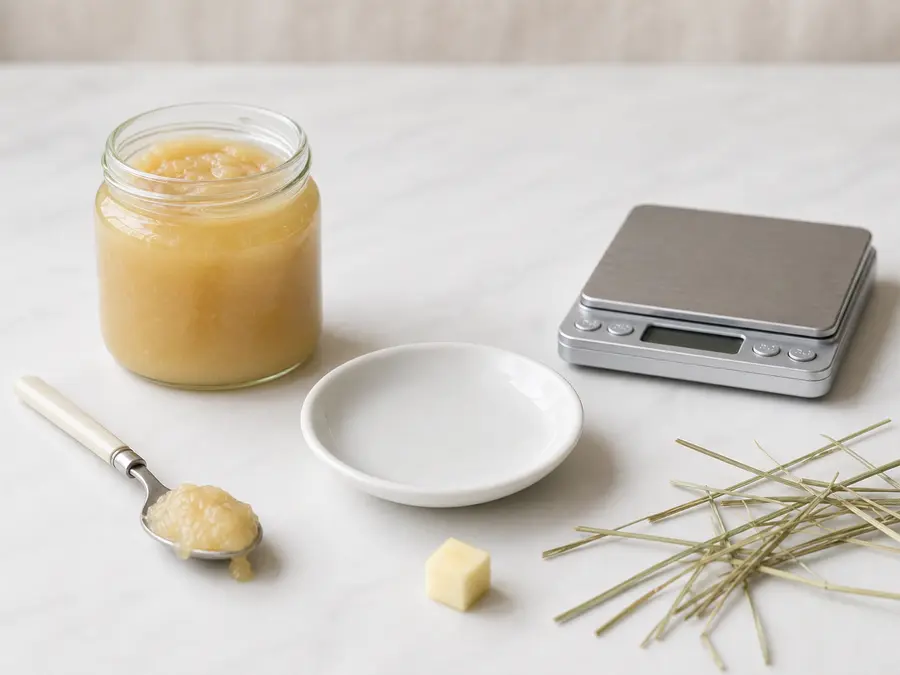
No. Do not use baby food as a routine food or treat. Purees are easy to overfeed and may contain onion, garlic, dairy, citrus, sugar, salt, or starch blends. Use only under an exotic-pet veterinarian's specific plan.
 Baby food
Guinea pigs
Vet plan only
Do not use baby food as a guinea pig treat. If a guinea pig is not eating, that is urgent and needs an exotic-pet veterinarian.
Syrian and dwarf hamsters
Skip puree
Skip baby food for hamsters unless a veterinarian gives a medical reason and an exact product.
Rats
Vet plan only
Rats should not get baby food as a casual treat. Use it only for a veterinarian-directed medical plan.
Mice
Skip puree
Skip baby food for mice; sticky wet puree is easy to overfeed and can foul bedding quickly.
Gerbils
Skip puree
Skip baby food for gerbils. A drier, steadier routine is safer than sticky puree.
Chinchillas
Do not feed
Do not feed baby food to chinchillas unless an exotic-pet veterinarian gives a specific recovery plan.
Ferrets
Vet plan only
Do not use fruit or vegetable baby food for ferrets. If a ferret needs soft food, use a veterinarian-directed ferret plan.
Appetite loss is the signal
Baby food should not be used to patch over an animal that stopped eating. For guinea pigs, chinchillas, ferrets, and any weak animal, reduced eating needs prompt veterinary care.
Ingredients decide the risk
Small-mammal-safe foods become unsafe when a puree adds onion, garlic, dairy, citrus, sugar, salt, spices, or sticky blends.
If a veterinarian prescribed it
- Use only the exact plain product and amount your veterinarian named.
- Check the ingredient list for onion, garlic, dairy, citrus, added sugar, added salt, spices, or mixed starches.
- Do not leave sticky puree in a bowl, on fur, on paws, or in bedding.
Avoid
- Fruit pouches, dessert purees, meat blends, dairy blends, onion, garlic, citrus, added sugar, added salt, spices, or sweeteners.
- Using baby food to cover poor appetite, weight loss, dental pain, or gut slowdown without veterinary care.
- Leaving wet puree in the habitat where it can sour, mat fur, or get hidden.
Watch
- Reduced appetite, fewer droppings, soft stool, diarrhea, sticky fur, paw chewing, quietness, weight loss, or puree left in bedding.
- Contact an exotic-pet veterinarian promptly for poor appetite, weight loss, gut slowdown, a weak animal, onion or garlic ingredients, or any abnormal signs.
Helpful food-safety supplies
Optional tools for measuring, storing, serving, and cleaning up small portions safely.
Affiliate links: Furball Cove may earn from qualifying purchases at no extra cost to you.