Updated
Small mammal food safety
Can Small Mammals Eat Applesauce?
Avoid
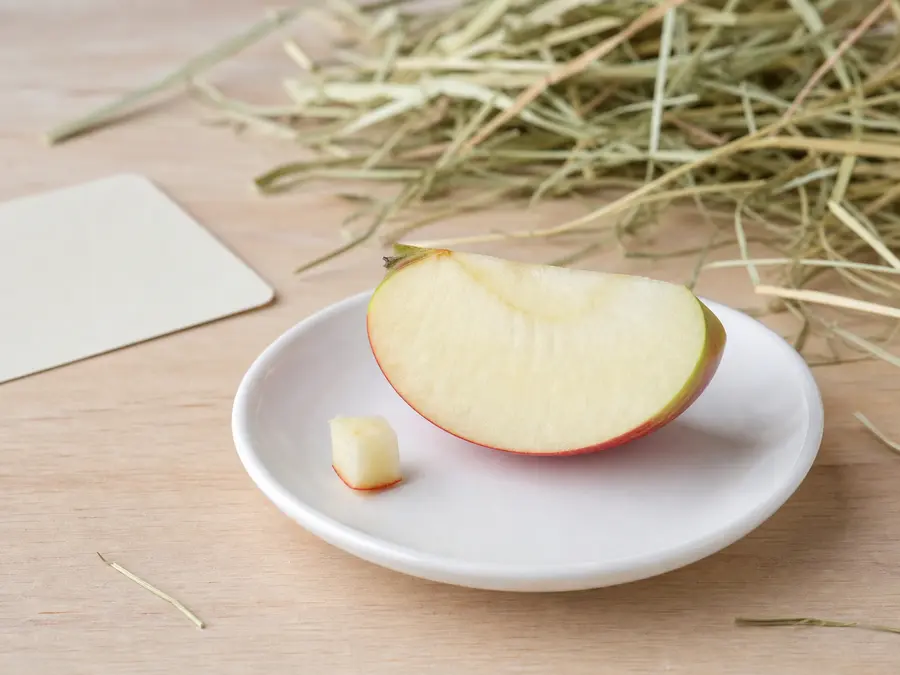
No. Skip applesauce as a treat. It is wet, sticky, easy to overfeed, and often sweetened or spiced. If fruit fits the species, use a tiny seed-free apple piece instead.
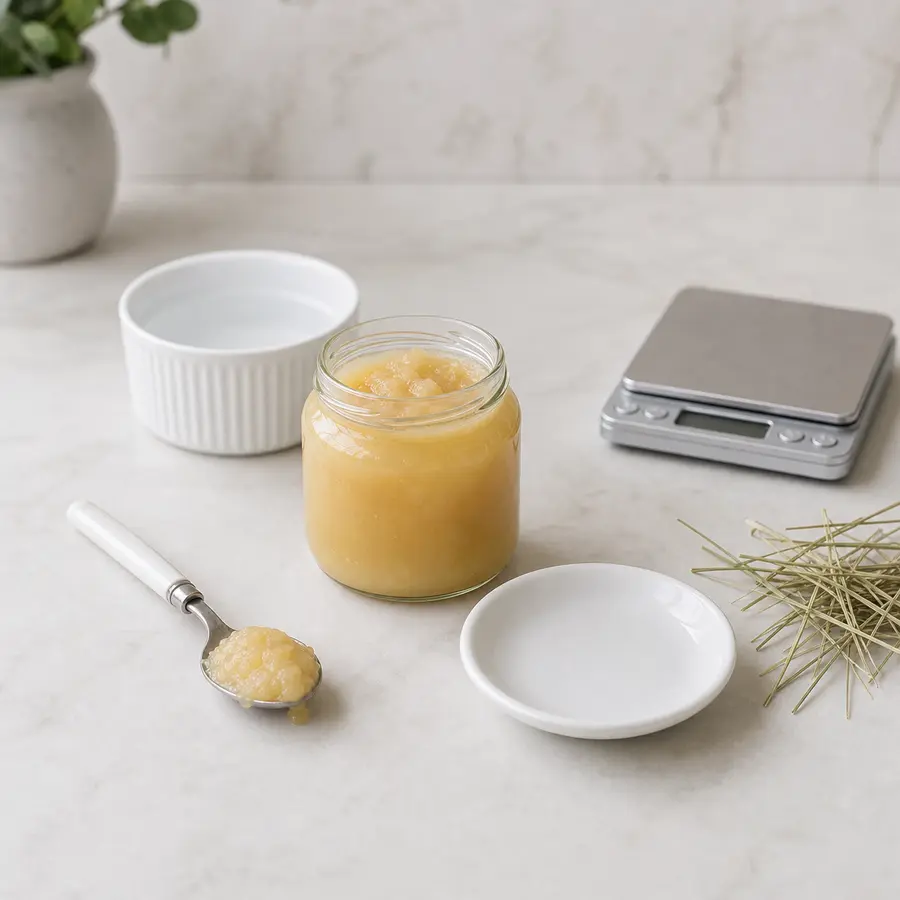 Applesauce
Guinea pigs
Skip puree
Skip applesauce for guinea pigs. If fruit is appropriate, use a tiny seed-free apple piece instead and keep hay central.
Syrian and dwarf hamsters
Skip puree
Skip applesauce for hamsters. It is sticky, sweet, and easy to hide in bedding.
Rats
Skip puree
Skip applesauce for rats unless a veterinarian gives a specific medical reason; use normal food and measured fresh foods.
Mice
Skip puree
Skip applesauce for mice. Sticky wet food is easy to overfeed and can foul bedding quickly.
Gerbils
Skip puree
Skip applesauce for gerbils. A drier, steadier routine is safer than sticky fruit puree.
Chinchillas
Do not feed
Do not feed applesauce to chinchillas. Wet sweet foods are a poor fit for a hay-centered digestive routine.
Ferrets
Do not feed
Do not feed applesauce to ferrets. Ferrets need meat-based food, not fruit puree.
Puree hides the portion
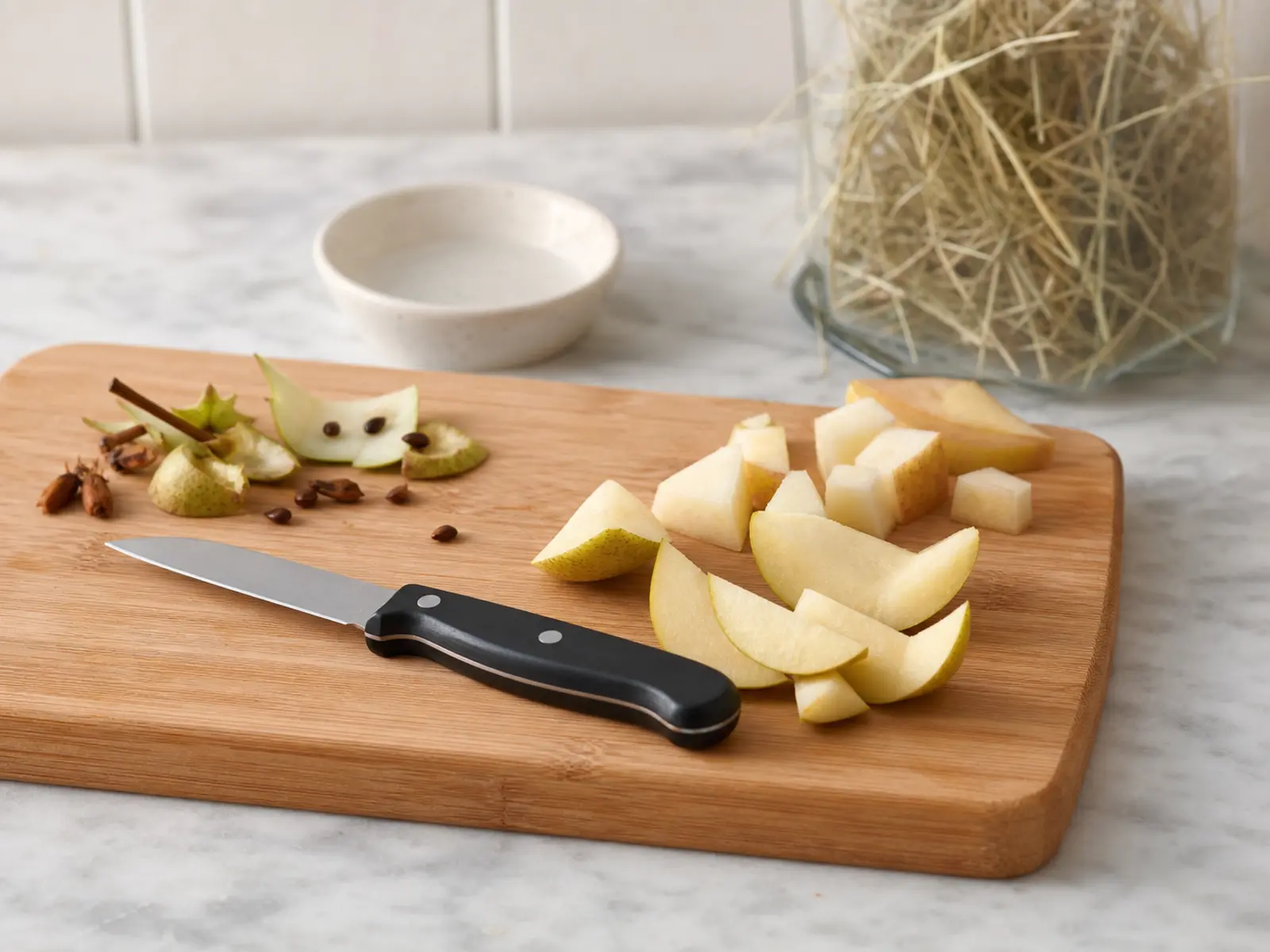
Applesauce spreads through bedding and fur, so a lick can turn into sticky leftovers. A tiny apple piece is easier to control when fruit is allowed.
Ingredients matter
Sugar, cinnamon, citrus, preservatives, mixed fruit, and sugar-free sweeteners change the risk. Save the label if an animal already licked some.
Remove the puree
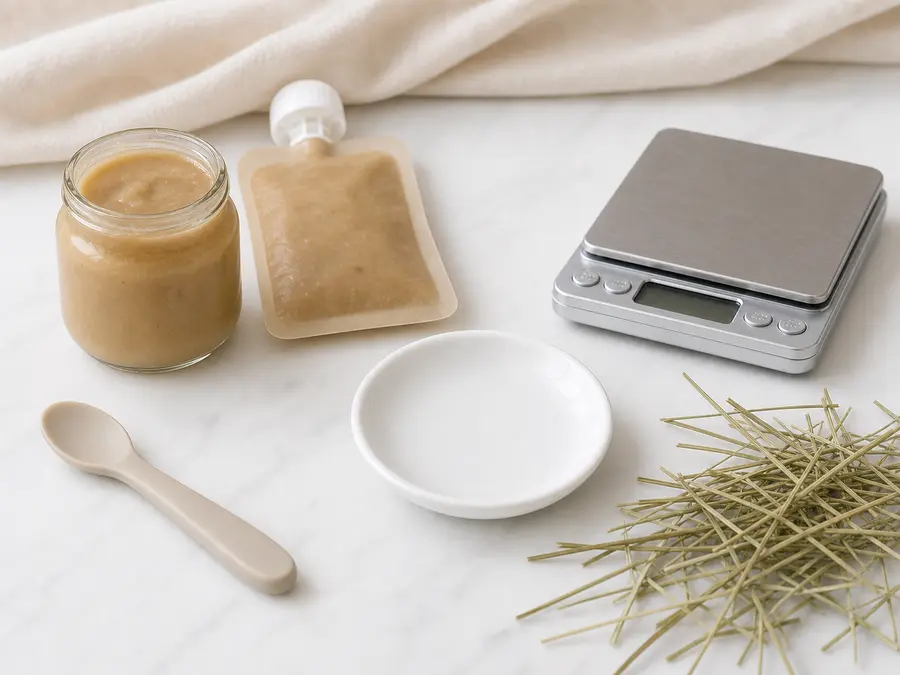
- Remove applesauce, pouches, jar lids, spoons, sticky bedding, and any puree on fur, paws, bowls, or toys.
- Check the ingredient list for sugar, cinnamon, spices, preservatives, citrus, xylitol, or mixed fruit.
- Return to the normal diet. If fruit fits the species, use a tiny seed-free apple piece another day.
Avoid
- Sweetened, spiced, cinnamon, baby-food pouch, dessert, chunky, moldy, or sugar-free applesauce.
- Sticky puree used to hide poor appetite, medication, dental pain, or a diet problem without veterinary care.
- Applesauce for chinchillas or ferrets.
Watch
- Reduced appetite, fewer droppings, soft stool, diarrhea, sticky fur, paw chewing, thirst changes, quietness, or hidden puree.
- Contact an exotic-pet veterinarian promptly for xylitol, mold, a large amount, a tiny or weak animal, or any abnormal signs.
Helpful food-safety supplies
Optional tools for measuring, storing, serving, and cleaning up small portions safely.
Affiliate links: Furball Cove may earn from qualifying purchases at no extra cost to you.