Updated
Small mammal food safety
Can Small Mammals Eat Cat Food?
Species-specific
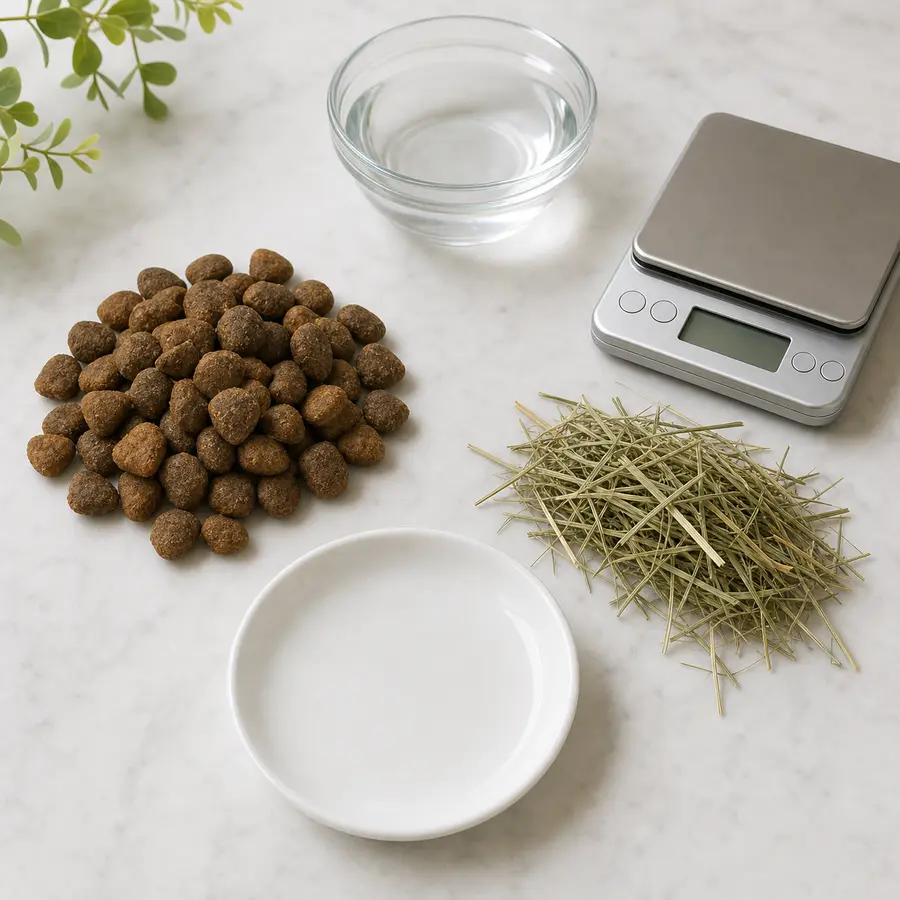
No. Cat food is not a shared small-mammal food. Guinea pigs, hamsters, rats, mice, gerbils, and chinchillas should not eat it. Ferrets need a complete ferret diet or a veterinarian-approved formula, not household cat food used as a treat.
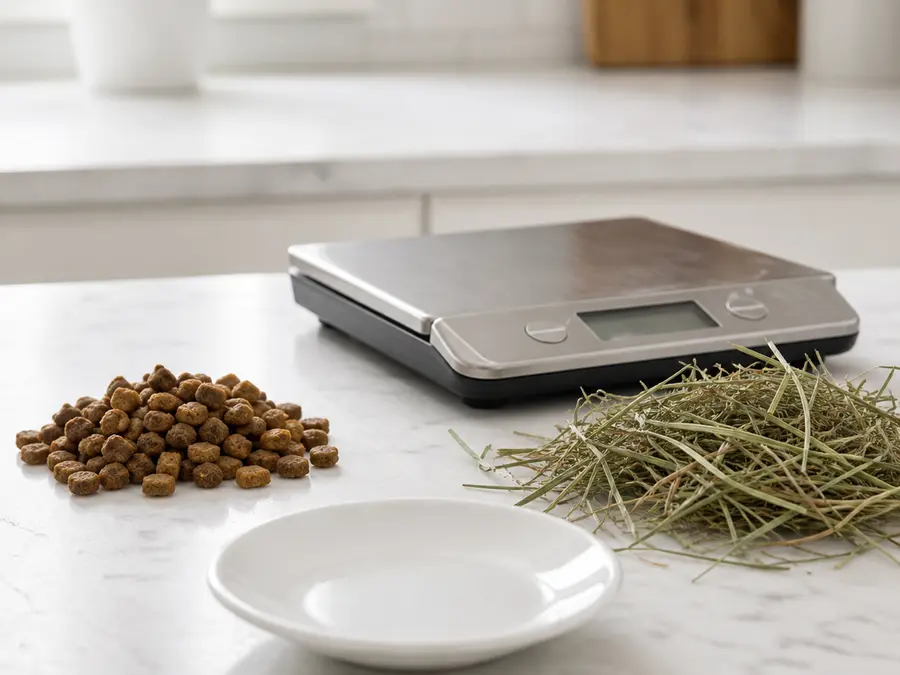 Cat food
Guinea pigs
Wrong food
Do not feed cat food to guinea pigs. They need grass hay, vitamin C foods, fresh water, and guinea-pig pellets.
Syrian and dwarf hamsters
Wrong food
Use hamster food and safe tiny extras instead of cat kibble or wet cat food.
Rats
Wrong food
Use a rat-appropriate staple and controlled fresh foods instead of cat food.
Mice
Wrong food
Use mouse food and tiny safe extras instead of cat food.
Gerbils
Wrong food
Use gerbil food and safe dry-leaning extras instead of cat food.
Chinchillas
Wrong food
Chinchillas need hay and chinchilla food, not cat food.
Ferrets
Use ferret guidance
Ferrets are carnivores, but household cat food is not a treat plan. Use ferret-appropriate food or a veterinarian-approved formula.
Do not borrow another pet's food
Cat food is built around cat nutrition. Small mammals need diets built around their own species.
The ferret caveat
Some ferret diets may involve carefully chosen high-protein formulas, but that is a diet decision, not permission to share any cat food in the house.
Use the right diet
- Keep dry kibble, wet cat food, and cat treats out of rodent and herbivore bowls, play areas, and hoards.
- Feed guinea pigs, hamsters, rats, mice, gerbils, chinchillas, and ferrets diets made for their own species.
- If cat food was eaten, remove the rest and note whether it was dry or wet, the amount, and any unusual ingredients.
Avoid
- Dry cat kibble, wet cat food, treats, high-salt formulas, fish-heavy foods, prescription diets, kitten food, and food borrowed from another pet.
- Cat food for hay-eating animals, seed-eating rodents, or any animal with appetite, stool, weight, or digestive concerns.
- Using cat food to add protein without an exotic-pet veterinarian's diet plan.
Watch
- Reduced appetite, fewer droppings, diarrhea, bloating, quietness, breathing changes, unusual posture, or retching or vomiting in ferrets after the wrong food.
- For guinea pigs, chinchillas, or any tiny or weak animal, appetite changes or fewer droppings after the wrong food deserve prompt exotic-vet guidance.
Helpful food-safety supplies
Optional tools for measuring, storing, serving, and cleaning up small portions safely.
Affiliate links: Furball Cove may earn from qualifying purchases at no extra cost to you.