Updated
Small mammal food safety
Can Small Mammals Eat Dog Food?
Species-specific
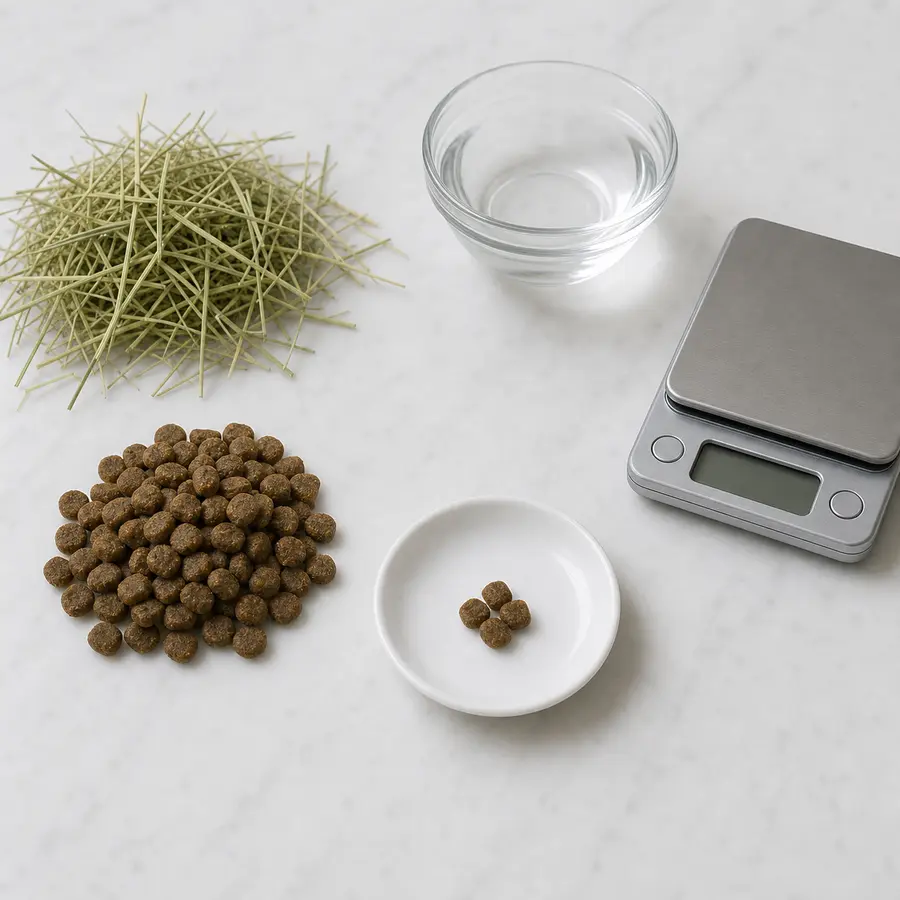
No. Dog food is not a shared small-mammal diet. Herbivores and rodents need their own species food, and ferrets need ferret-appropriate food rather than dog kibble.
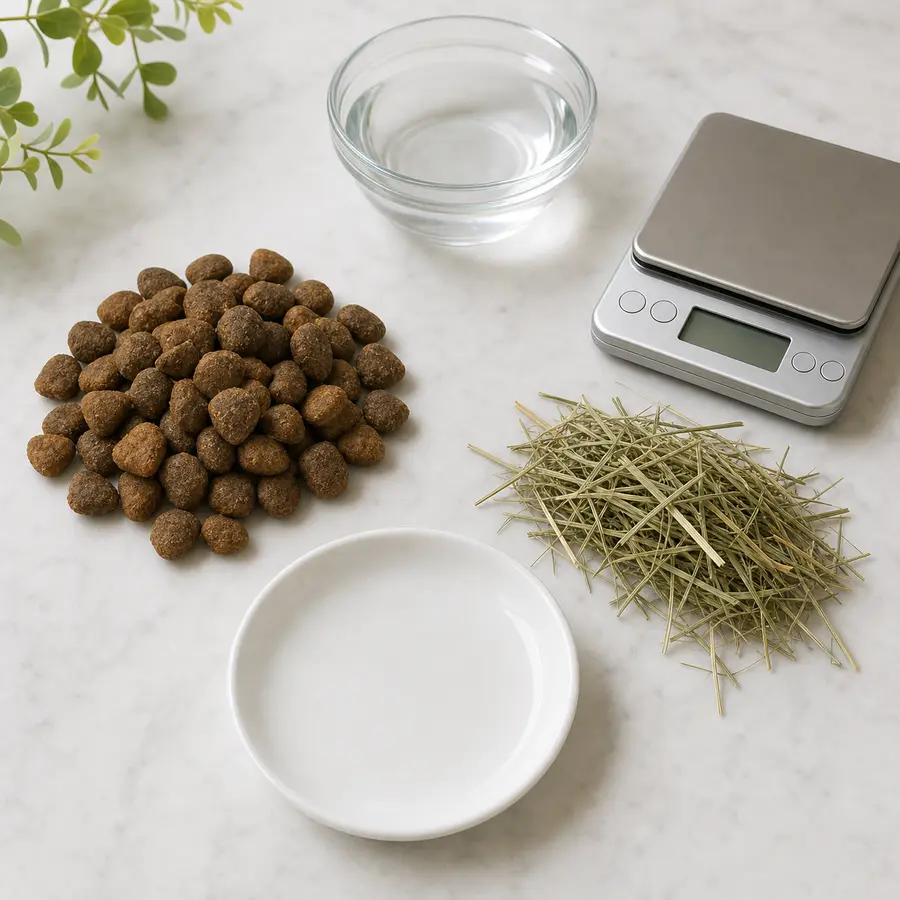 Dog food
Guinea pigs
Do not feed
Do not feed dog food to guinea pigs. Use hay, vitamin C foods, guinea-pig pellets, and fresh water.
Syrian and dwarf hamsters
Skip dog food
Skip dog food for hamsters. Use a hamster-appropriate staple instead of borrowed kibble.
Rats
Skip dog food
Skip dog food for rats. It is not a replacement for a balanced rat diet.
Mice
Skip dog food
Skip dog food for mice. Kibble pieces are large, rich, and not mouse-formulated.
Gerbils
Skip dog food
Skip dog food for gerbils. Their dry balanced food should stay species-appropriate.
Chinchillas
Do not feed
Do not feed dog food to chinchillas. It does not fit hay-centered digestion.
Ferrets
Use ferret food
Do not use dog food for ferrets. Ferrets need a complete ferret-appropriate meat-based diet.
Pet food is not interchangeable
Dog food is formulated around dogs. A small mammal's diet depends on the species, not on whatever kibble is already in the house.
Remove cached kibble
One dropped kibble can become several later bites if it is hidden in bedding. Check hoards, corners, pouches, and tunnels.
Use the right species food
- Keep dog food, dog treats, soft food, kibble crumbs, and storage bins away from small-mammal habitats.
- Use guinea-pig pellets for guinea pigs, chinchilla pellets and hay for chinchillas, complete rodent food for rodents, and ferret food for ferrets.
- Check hoards and bedding for hidden kibble pieces, especially with hamsters, mice, rats, and gerbils.
Avoid
- Dry dog kibble, canned dog food, dog treats, puppy food, dental chews, flavored toppers, gravy, and dog-food crumbs in bedding.
- Dog food for guinea pigs, chinchillas, hamsters, rats, mice, gerbils, or ferrets.
- Borrowing food from another pet because it is convenient or high in protein.
Watch
- Reduced appetite, soft stool, fewer droppings, extra thirst, bloating, quietness, retching or vomiting in ferrets, or hidden kibble.
- Call an exotic-pet veterinarian promptly for a large amount, abnormal signs, a very small animal, or a guinea pig or chinchilla that eats less.
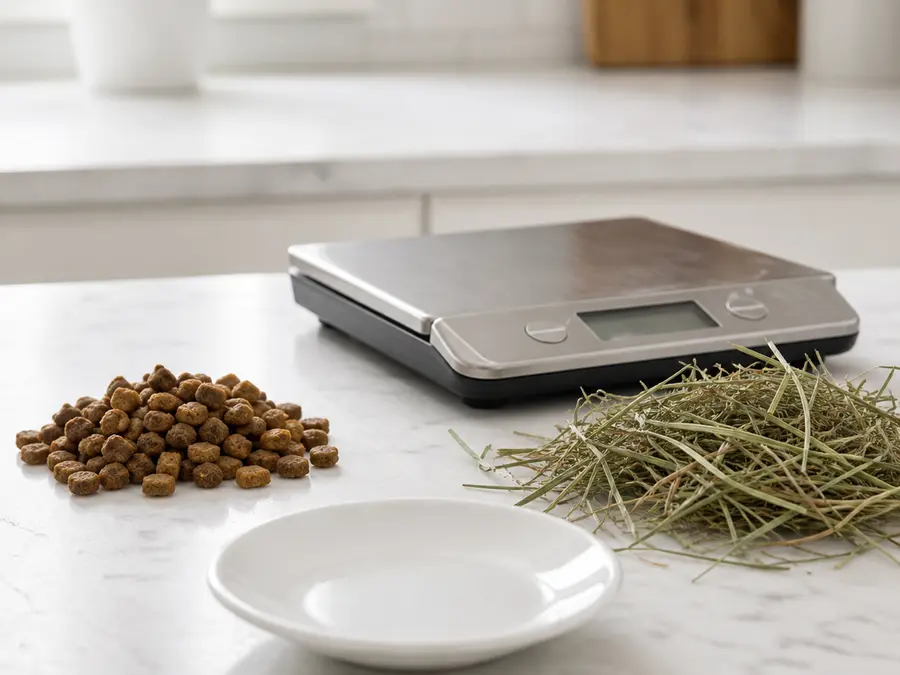
Helpful food-safety supplies
Optional tools for measuring, storing, serving, and cleaning up small portions safely.
Affiliate links: Furball Cove may earn from qualifying purchases at no extra cost to you.