Updated
Small mammal food safety
Can Small Mammals Eat Cedar Shavings?
Avoid
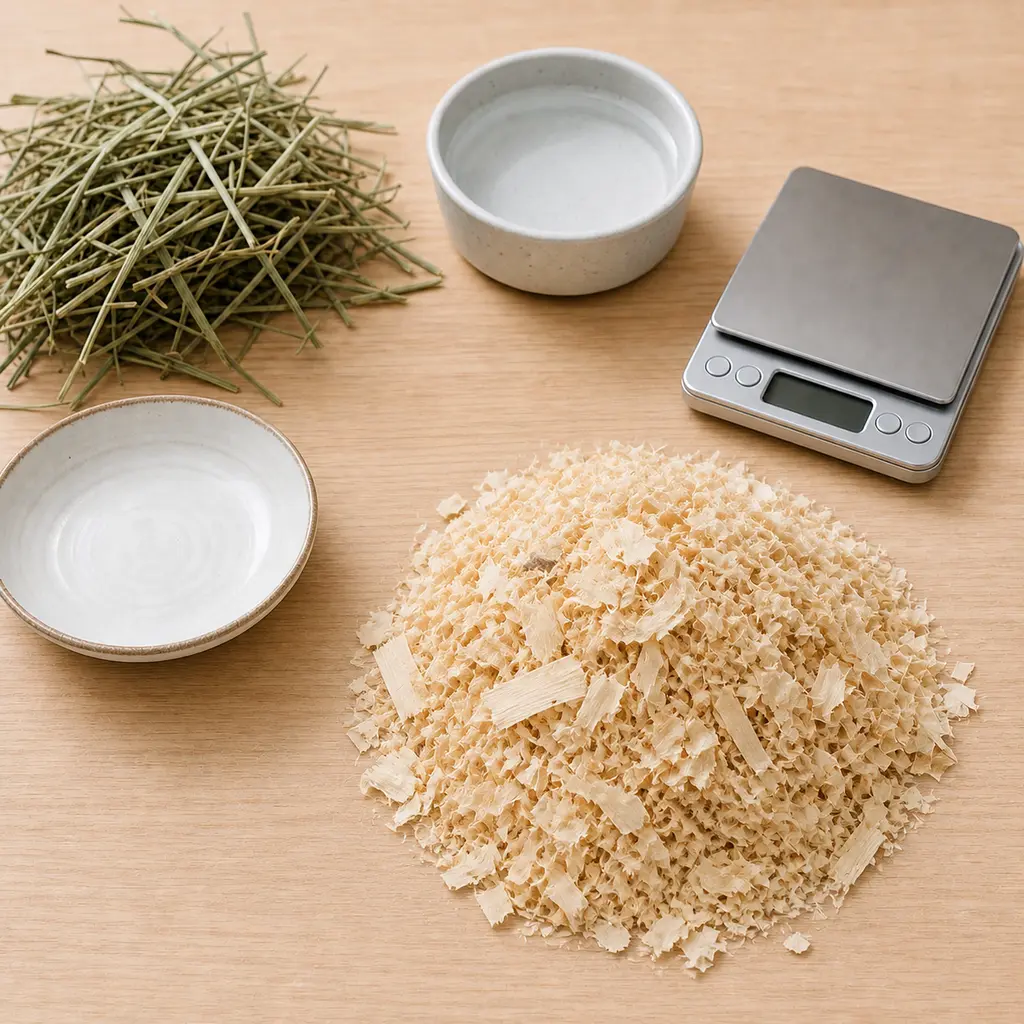
No. Cedar shavings are not food, and they are a poor bedding or chew choice for small mammals. Remove them and use bedding, litter, or chew items made for the species you keep.
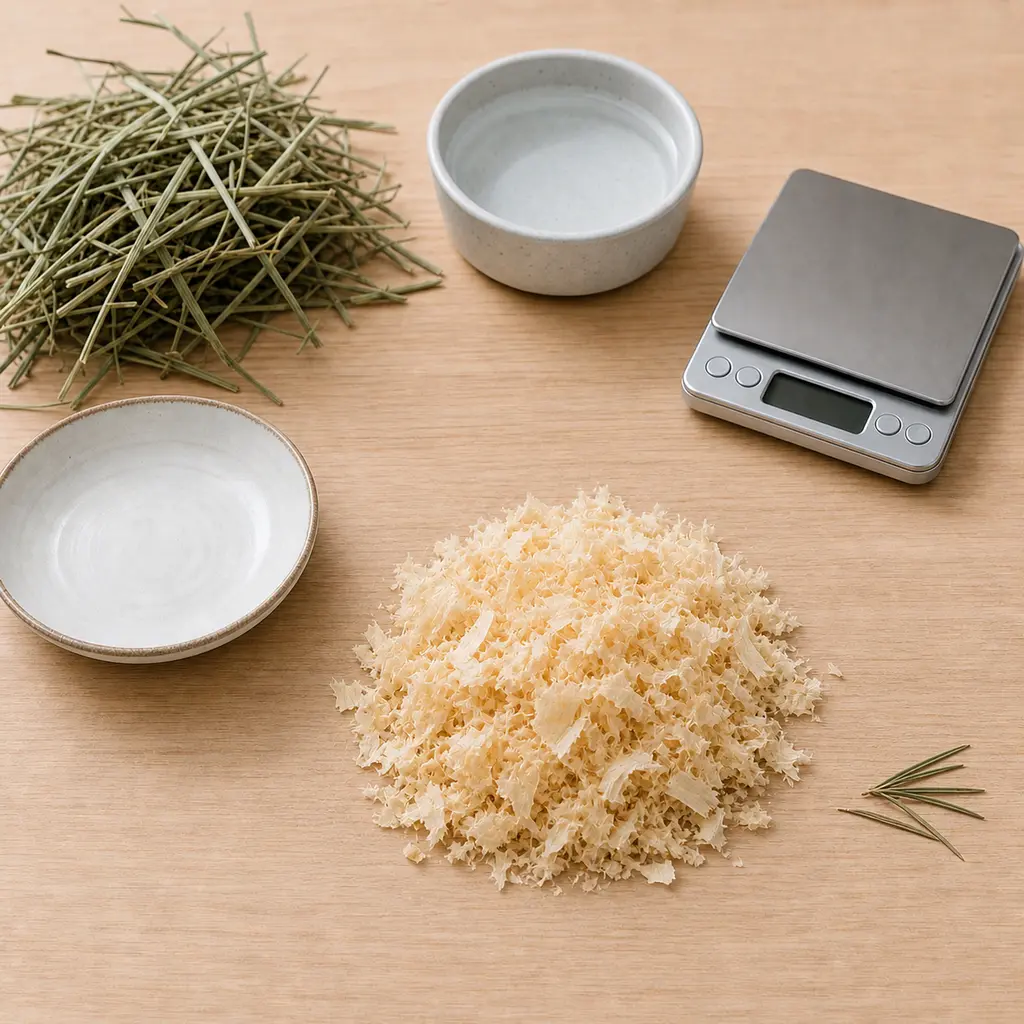
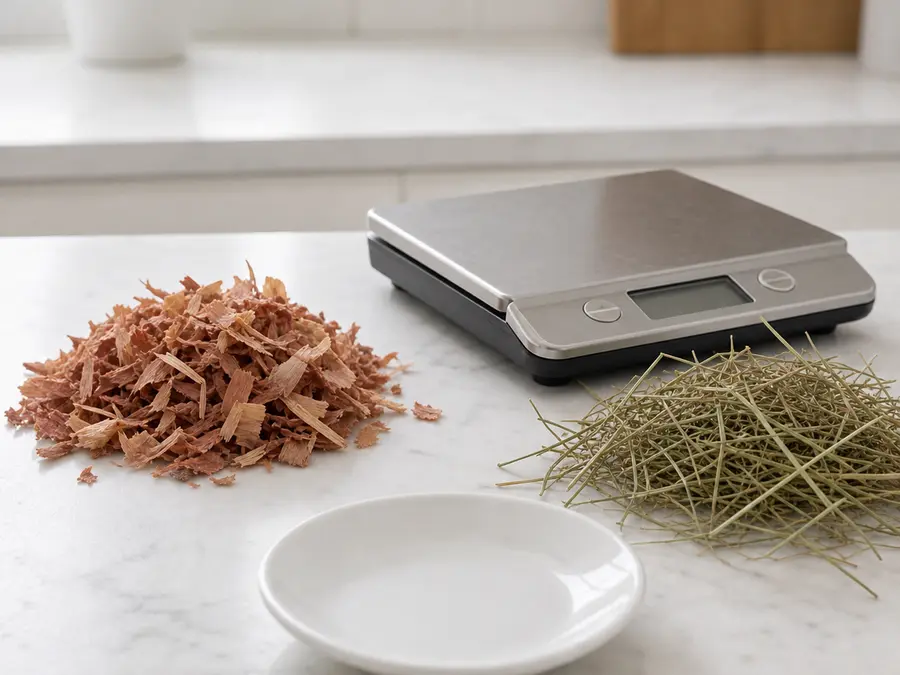 Cedar shavings
Guinea pigs
Remove cedar
Do not use cedar shavings for guinea pigs. Use guinea-pig-safe bedding and keep hay clean and dust-controlled.
Syrian and dwarf hamsters
Remove cedar
Do not use cedar shavings for hamsters. Choose hamster-safe bedding deep enough for burrowing.
Rats
Remove cedar
Do not use cedar shavings for rats. Dust and aromatic wood are poor fits for rat respiratory health.
Mice
Remove cedar
Do not use cedar shavings for mice. Use mouse-safe substrate instead of aromatic wood.
Gerbils
Remove cedar
Do not use cedar shavings for gerbils. Choose gerbil-safe bedding and chew items instead.
Chinchillas
Remove cedar
Do not use cedar shavings for chinchillas. Keep the setup dry, clean, and based on safe bedding and hay.
Ferrets
Remove cedar
Do not use cedar shavings for ferrets. Use ferret-safe litter and bedding choices.
The issue is not nutrition
Cedar shavings are a substrate hazard. The concerns are aromatic wood, dust, skin or respiratory irritation, and swallowed pieces.
Replace the substrate
Odor control should come from proper cage care and species-safe bedding, not cedar shavings.
Remove the wood
- Take cedar shavings out of the cage, bowl, bedding, hide, and play area.
- Replace them with bedding or litter made for the animal you keep.
- If shavings were chewed or swallowed, note the amount, time, and symptoms before calling for guidance.
Avoid
- Aromatic cedar shavings, dusty shavings, scented shavings, unknown wood mixes, treated wood, damp shavings, and shavings used as chew toys.
- Using cedar to control odor instead of improving cage size, cleaning routine, ventilation, and species-safe bedding.
- Waiting at home if breathing, appetite, droppings, stool, posture, or energy changes after exposure.
Watch
- Sneezing, noisy breathing, eye or nose discharge, coughing, itching, quietness, reduced appetite, fewer droppings, or signs of swallowed pieces.
- Call an exotic-pet veterinarian promptly for respiratory signs, swallowed shavings, or any change in a tiny, weak, guinea pig, or chinchilla.
Helpful food-safety supplies
Optional tools for measuring, storing, serving, and cleaning up small portions safely.
Affiliate links: Furball Cove may earn from qualifying purchases at no extra cost to you.