Updated
Small mammal food safety
Can Small Mammals Eat Paper?
Avoid
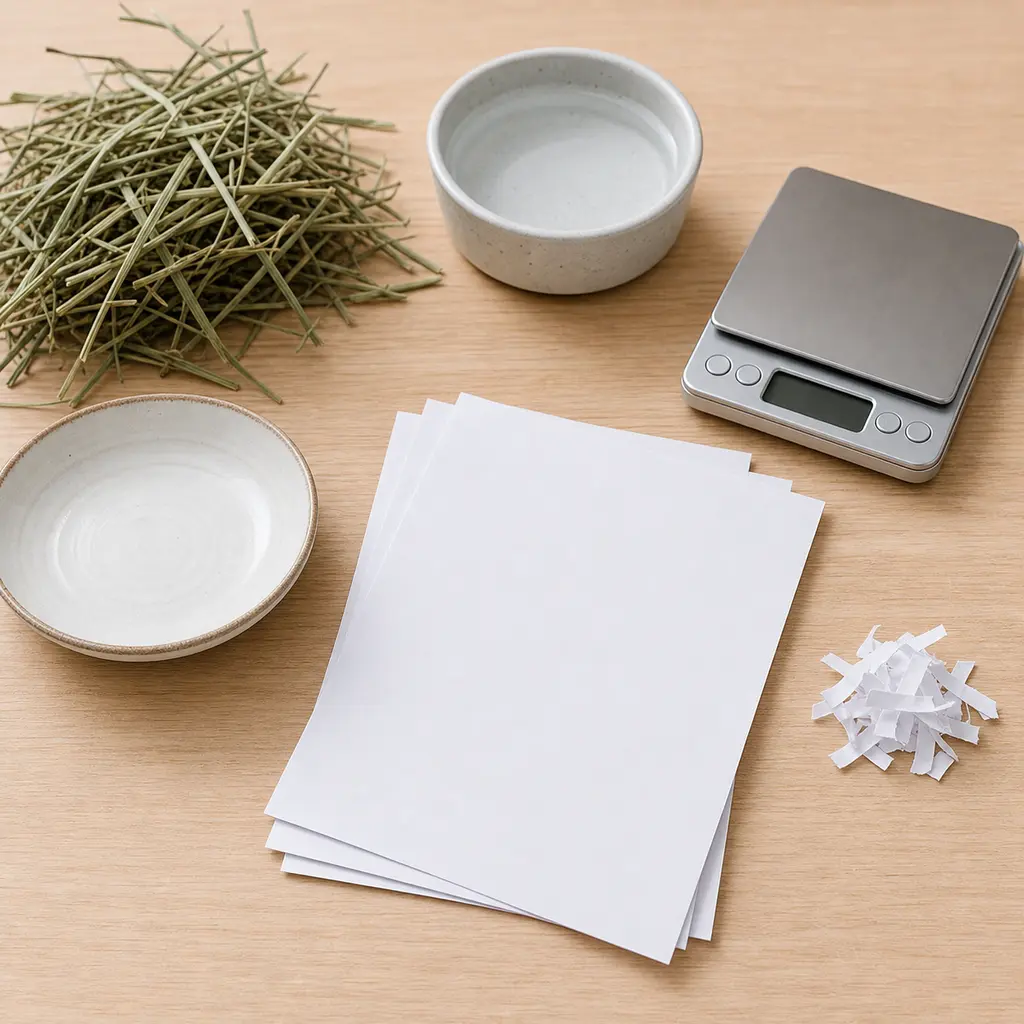
No. Paper is not small-mammal food. Clean, plain, unscented paper can be nesting or shredding material for some species, but remove it if the animal eats pieces or the paper is inked, glossy, damp, scented, or dirty.
 Paper
PaperGuinea pigs
Not food
Paper is not guinea-pig food. Some paper bedding can be fine when clean and low-dust, but hay, vitamin C foods, pellets, and water stay central.
Syrian and dwarf hamsters
Nesting only
A hamster may shred clean plain paper as nesting material. Remove damp paper and any pieces being swallowed.
Rats
Shredding only
Rats may shred clean plain paper for nesting, but paper is not a treat and ink, glue, tape, or dirty paper should stay out.
Mice
Nesting only
Mice may use clean plain paper for nesting. Tiny bodies have little margin if paper is swallowed or gets damp and dirty.
Gerbils
Shredding only
Gerbils may shred clean plain paper, but use it as enrichment or nesting material, not as food.
Chinchillas
Use better bedding
Paper is not chinchilla food. Keep the setup dry and hay-centered, and use chinchilla-safe bedding and chew items.
Ferrets
Do not chew
Do not let ferrets chew or swallow paper. Swallowed pieces can become a blockage risk.
Material is not a meal
The useful distinction is shredding versus eating. Plain paper can be habitat material for some animals, but it should not be treated as a snack.
Condition matters
Clean, dry, plain paper is different from glossy, scented, glued, taped, dirty, or damp paper. Remove problem pieces before they get hidden.
Check the paper
- Keep paper out of food bowls and treat dishes.
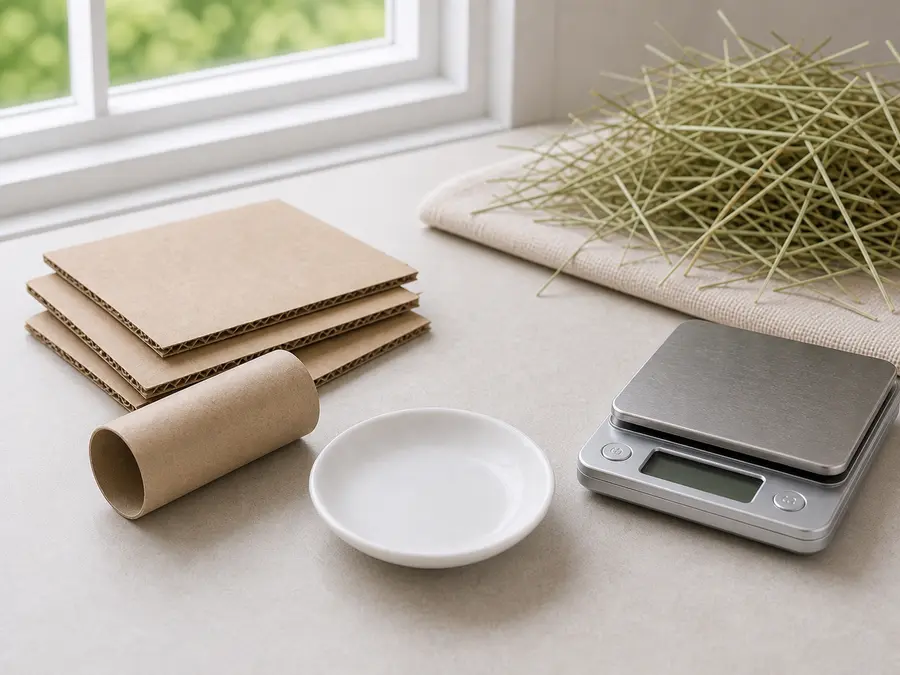
- Use only clean, dry, plain, unscented paper if you are using it for nesting or shredding.
- Remove paper that is damp, soiled, ink-heavy, glossy, taped, glued, scented, or being swallowed.
Avoid
- Glossy paper, labels, tape, glue, staples, scented paper, wipes, used paper towels, food-stained paper, oily paper, dirty paper, and damp paper.
- Letting paper replace hay, species-safe bedding, chew items, or the normal food routine.
- Waiting at home if a small mammal swallowed a lot, seems painful, stops eating, passes fewer droppings, bloats, gags, drools, or has breathing trouble.
Watch
- Repeated swallowing, gagging, drooling, pawing at the mouth, reduced appetite, fewer droppings, bloating, quiet behavior, or breathing changes.
- Call an exotic-pet veterinarian promptly for a large amount, abnormal signs, or any ferret suspected of swallowing paper.
Helpful food-safety supplies
Optional tools for measuring, storing, serving, and cleaning up small portions safely.
Affiliate links: Furball Cove may earn from qualifying purchases at no extra cost to you.