Updated
Small mammal food safety
Can Small Mammals Eat Cotton Bedding?
Avoid
No. Cotton bedding is not food and is not a safe chew item. Remove it if a small mammal chews, swallows, nests in, or tangles in it; call an exotic-pet veterinarian for swallowed pieces, choking, limb tangles, or abnormal behavior.
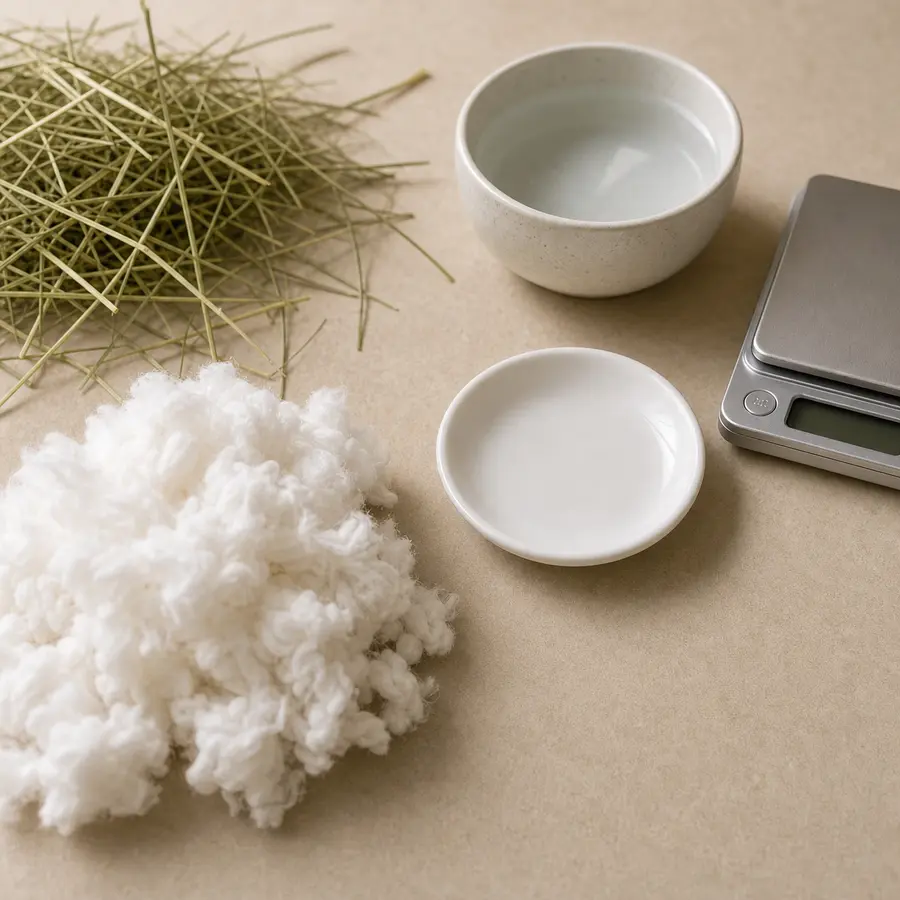 Cotton bedding
Ask your vet
If cotton bedding was swallowed, wrapped around a limb, caught in the mouth, or linked with breathing trouble, weakness, pain, or appetite changes, call an exotic-pet veterinarian promptly.
Guinea pigs
Remove it
Cotton bedding is not guinea-pig food or safe nesting material. Use appropriate bedding and keep hay, water, vitamin C foods, and pellets central.
Syrian and dwarf hamsters
Remove it
Do not use cotton bedding for hamsters. Loose fibers can be chewed, hoarded, or tangled around limbs.
Rats
Remove it
Do not use cotton bedding for rats. Choose safer nesting material and check hammocks or hides for loose threads.
Mice
Remove it
Do not use cotton bedding for mice. Tiny feet and bodies leave little margin for fiber tangles or swallowed fluff.
Gerbils
Remove it
Do not use cotton bedding for gerbils. Use safe burrowing material instead of loose fiber.
Chinchillas
Remove it
Do not use cotton bedding for chinchillas. Keep bedding dry, low-dust, and safe for chewing.
Ferrets
Remove it
Do not use cotton bedding as ferret food or loose nesting fiber. Watch fabric items for chewing and swallowed threads.
Bedding is a habitat decision
The question is not portion size. Cotton bedding can be chewed, swallowed, or wrapped around toes and legs, so it belongs out of the habitat.
Replace it with safer material
Use low-dust, unscented bedding that suits the species and lets you spot-clean without loose fibers building up in hides or hoards.
Remove it
- Take cotton bedding, loose fibers, damp clumps, and hidden pieces out of the habitat and play area.
- Replace it with a low-dust, unscented, species-safe bedding or nesting material.
- Check cheeks, mouth, paws, legs, bedding corners, hides, hammocks, and hoards for caught fibers.
Avoid
- Cotton bedding, fluffy nesting fiber, fabric strings, dryer lint, scented bedding, dusty bedding, damp clumps, and unknown craft fiber.
- Leaving fibers in a cage because the animal seems to like nesting with them.
- Waiting if the animal ate bedding, is coughing, drooling, limping, swollen, quiet, not eating, or passing fewer droppings.
Watch
- Chewing, gagging, drooling, pawing at the mouth, wrapped toes or legs, limping, swelling, fewer droppings, reduced appetite, or quiet behavior.
- Call an exotic-pet veterinarian promptly if cotton was swallowed, wrapped around a limb, or followed by any abnormal sign.
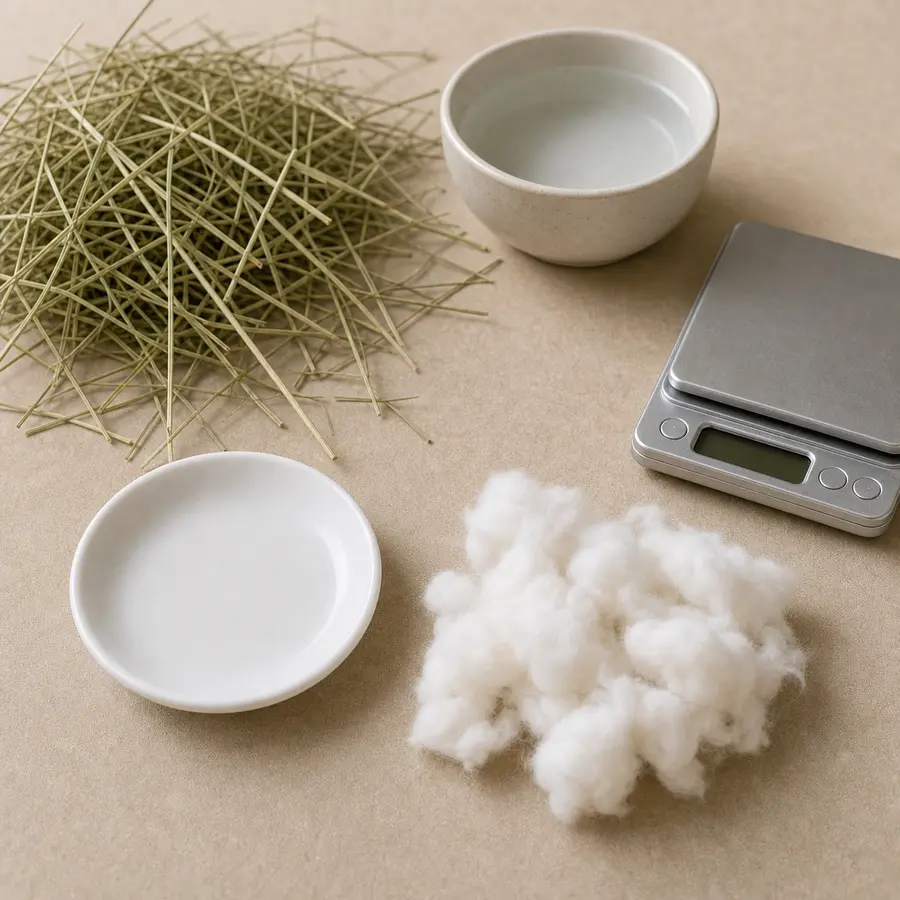
Helpful food-safety supplies
Optional tools for measuring, storing, serving, and cleaning up small portions safely.
Affiliate links: Furball Cove may earn from qualifying purchases at no extra cost to you.