Updated
Small mammal food safety
Can Small Mammals Eat Grass Clippings?
Avoid
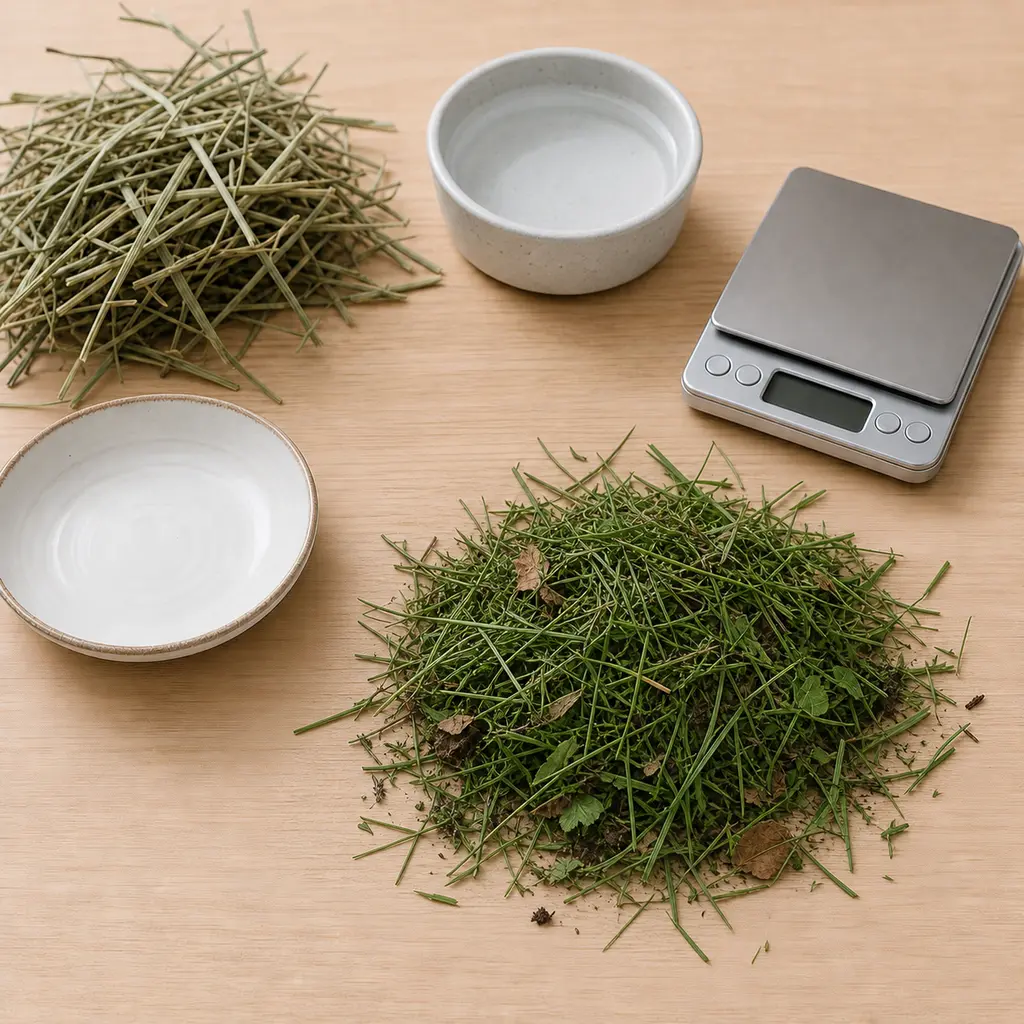
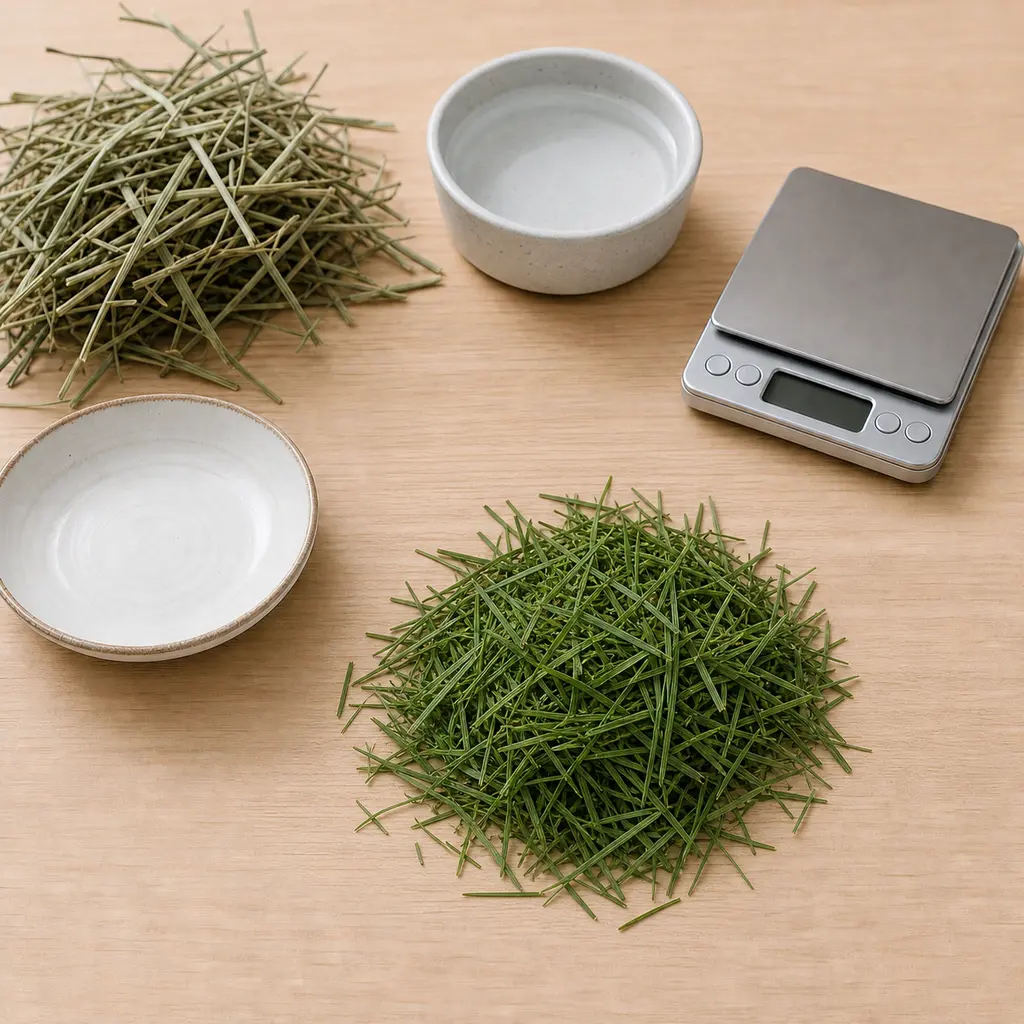
No. Do not feed mower-cut grass clippings. They wilt, heat, ferment, and can carry mower residue, chemicals, feces, weeds, or mold; clean hand-cut grass is a different question.
 Grass clippings
Guinea pigs
Skip clippings
Do not feed grass clippings to guinea pigs. Clean hand-cut grass can be introduced separately, but mower clippings are not hay.
Syrian and dwarf hamsters
Skip clippings
Do not feed grass clippings to hamsters. They spoil quickly and can hide contamination.
Rats
Skip clippings
Do not feed grass clippings to rats. Use the normal staple and safe fresh foods instead.
Mice
Skip clippings
Do not feed grass clippings to mice. Tiny animals have little margin for mold, chemicals, or damp clumps.
Gerbils
Skip clippings
Do not feed grass clippings to gerbils. Damp yard waste should stay out of deep bedding and hoards.
Chinchillas
Skip clippings
Do not feed grass clippings to chinchillas. Keep hay dry, clean, and central.
Ferrets
Do not feed
Do not feed grass clippings to ferrets. Ferrets need meat-based food, not yard forage.
Cut grass changes fast
Once grass is chopped and piled, it can heat, wilt, ferment, and mold quickly. That is not the same as a clean blade of fresh grass.
Source matters
Most lawn clippings come with unknown fertilizer, herbicide, pesticide, mower residue, weed, feces, or roadside exposure. That uncertainty is the reason to remove them.
Remove clippings
- Take grass clippings out of bowls, bedding, hides, hoards, and floor-time areas.
- Check whether they came from a mower, treated lawn, roadside, pet toileting area, compost pile, or damp bag.
- Offer hay and water, then watch appetite, droppings or stool, breathing, posture, and energy.
Avoid
- Mower clippings, bagged clippings, damp clumps, fermented grass, moldy grass, treated lawns, roadside grass, weed mixes, and grass exposed to fuel, oil, fertilizer, herbicide, pesticide, or feces.
- Using clippings because fresh grass seems natural.
- Waiting at home after chemical exposure, mold exposure, a large amount, bloating, appetite loss, fewer droppings, diarrhea, or breathing changes.
Watch
- Reduced appetite, fewer droppings, soft stool or diarrhea, bloating, quietness, hunching, drooling, coughing, or breathing changes.
- Call an exotic-pet veterinarian promptly for treated-lawn exposure, mold, a large amount, or abnormal signs.
Helpful food-safety supplies
Optional tools for measuring, storing, serving, and cleaning up small portions safely.
Affiliate links: Furball Cove may earn from qualifying purchases at no extra cost to you.