Updated
Small mammal food safety
Can Small Mammals Eat Mango Skin?
Skip the peel
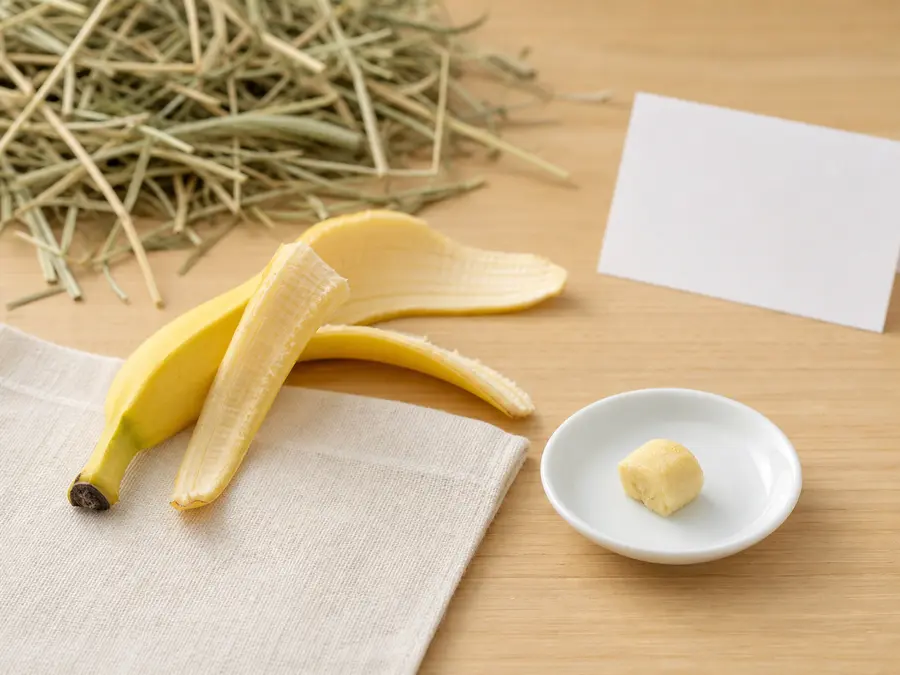
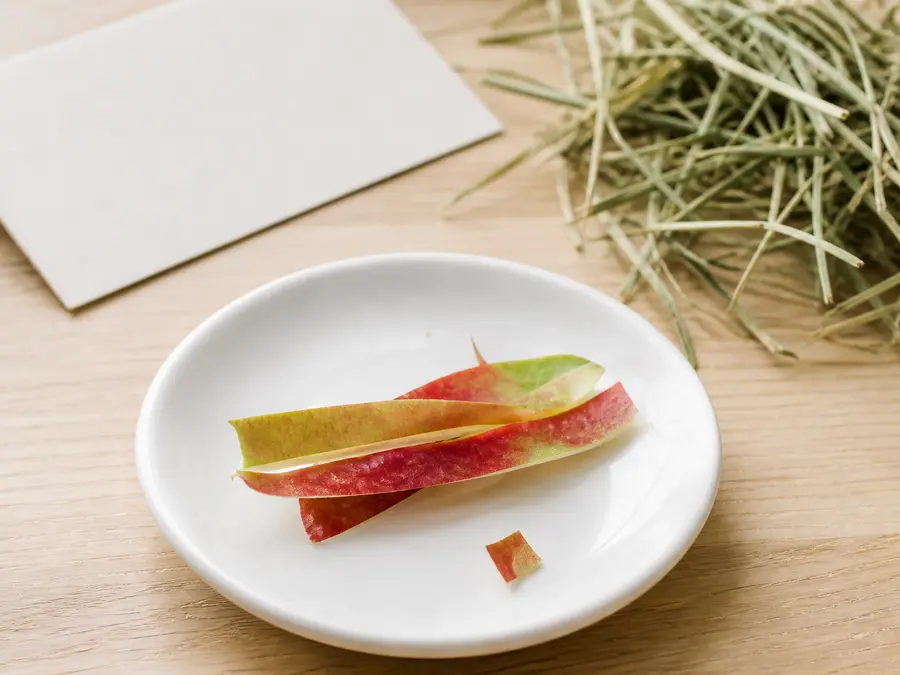
Skip mango skin. It is tougher, residue-prone, and more irritating than the peeled fruit. If a species can have mango at all, use a tiny peeled flesh cube instead. Chinchillas and ferrets should skip both peel and fruit.
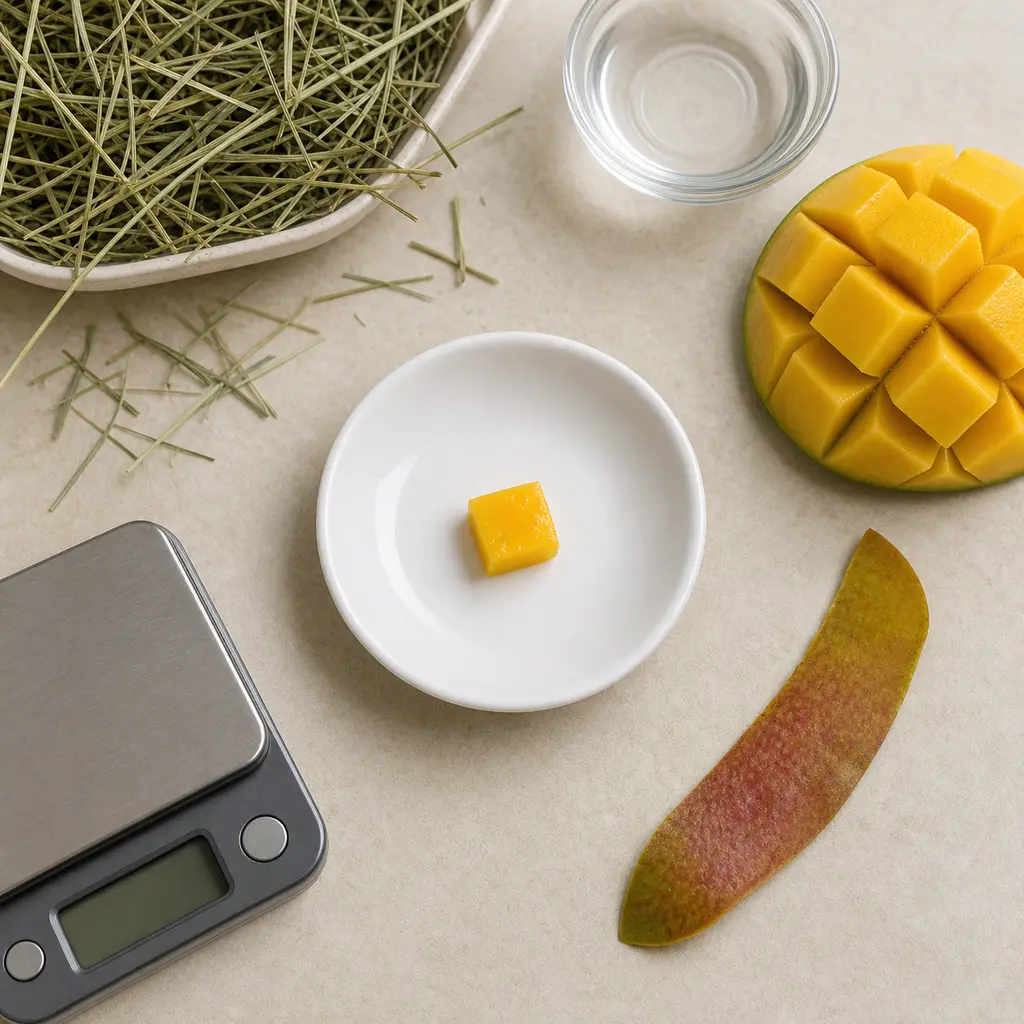 Mango skin
Guinea pigs
Skip peel
Skip mango skin for guinea pigs. If mango is used, choose a pea-size or smaller peeled flesh piece rarely.
Syrian and dwarf hamsters
Skip peel
Skip mango skin for hamsters. If mango flesh is used at all, keep it pinhead-size and avoid dwarf, overweight, or unwell hamsters.
Rats
Skip peel
Skip mango skin for rats. A tiny peeled mango cube is the cleaner rare option.
Mice
Skip peel
Skip mango skin for mice. The peel is too much texture and residue for such a small portion.
Gerbils
Skip peel
Skip mango skin for gerbils. Gerbils do better with drier, cleaner extras.
Chinchillas
Skip mango
Do not feed mango skin or mango flesh to chinchillas. Sweet fruit is a poor fit for hay-centered digestion.
Ferrets
Do not feed
Do not feed mango skin to ferrets. Ferrets need meat-based food, not fruit peel.
The peel adds risk
Mango skin is not a useful chew. It adds toughness, residue, and irritation potential without improving the treat.
Flesh rules still apply
Using peeled fruit does not make mango routine. The fruit portion still stays tiny and rare.
Use peeled flesh instead
- Discard the peel and any sticky peel scraps from the feeding area.
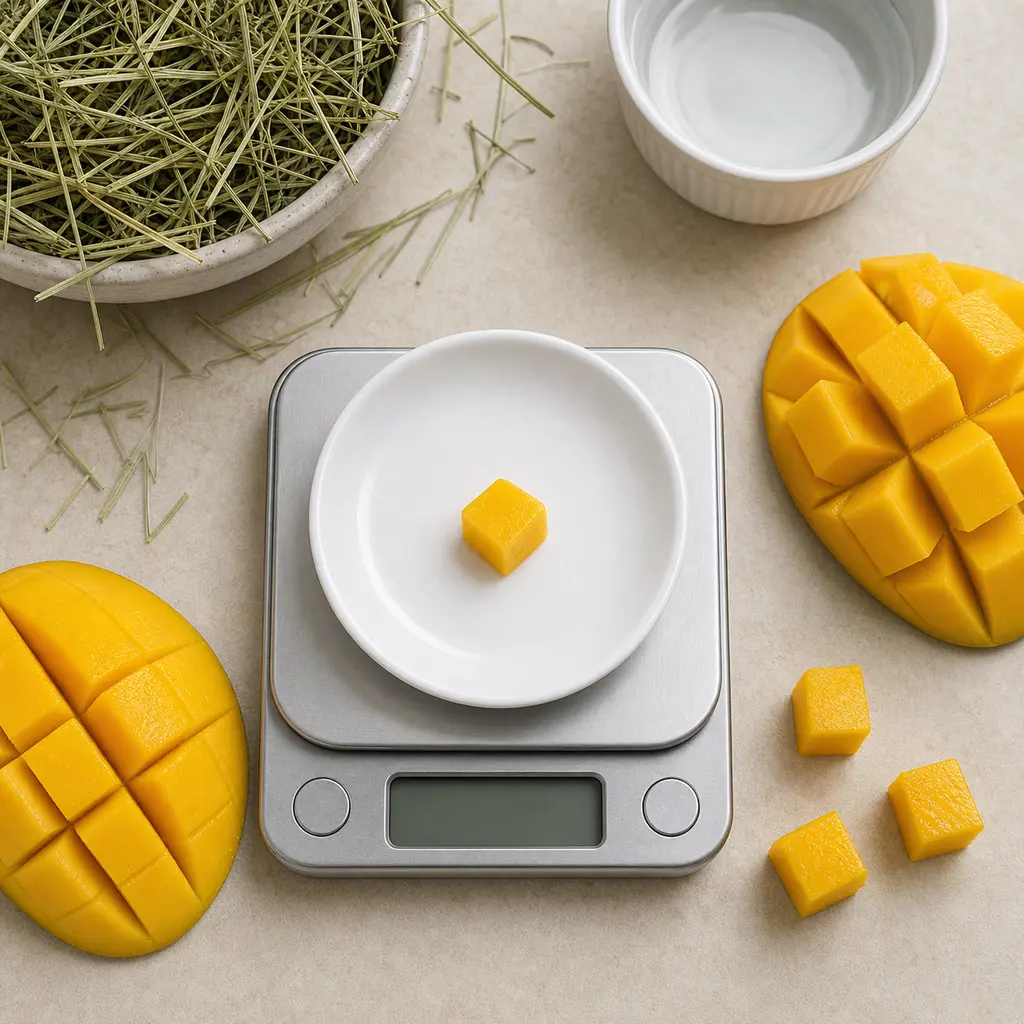
- If fruit is appropriate for the species, cut one tiny peeled flesh cube.
- Remove leftovers before they sour, stick to bedding, or get hidden.
Avoid
- Mango skin, waxed peel, pesticide residue, sap, tough strips, pit, dried mango, candied mango, smoothies, fruit salad, syrup, and large sticky portions.
- Mango skin for any small mammal with mouth, skin, appetite, stool, dropping, dental, weight, urinary, or digestive concerns.
- Treating the peel like fiber or a chew.
Watch
- Mouth irritation, face rubbing, drooling, soft stool, reduced appetite, fewer droppings, sticky bedding, hidden peel, quietness, or weakness.
- Call an exotic-pet veterinarian promptly if a guinea pig, chinchilla, weak animal, or animal with abnormal signs eats less or produces fewer droppings.
Portion
Mango skin: none. Peeled mango flesh, if allowed: guinea pigs or rats pea-size or smaller rarely; hamsters, mice, or gerbils pinhead-size or skip; chinchillas and ferrets none.
Helpful food-safety supplies
Optional tools for measuring, storing, serving, and cleaning up small portions safely.
Affiliate links: Furball Cove may earn from qualifying purchases at no extra cost to you.