Updated
Small mammal food safety
Can Small Mammals Eat Rose Petals?
Verified petals
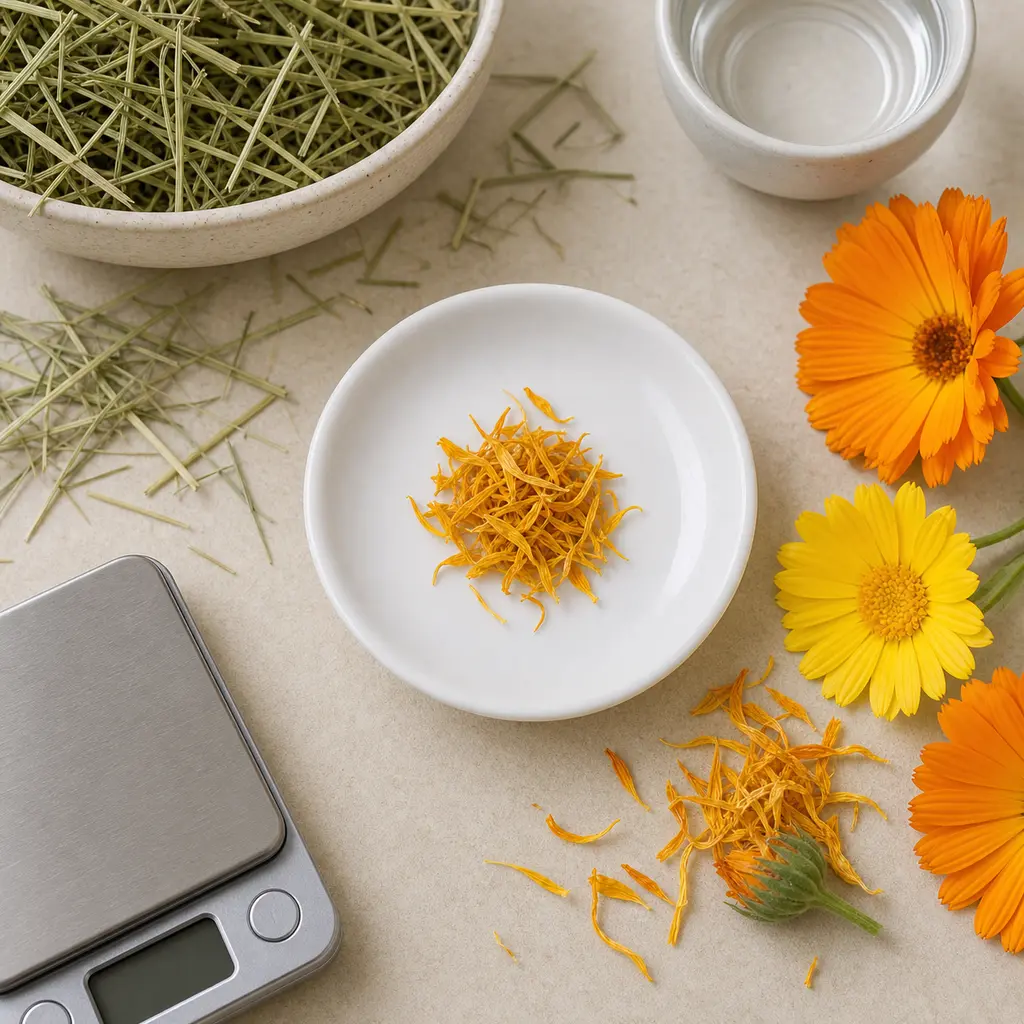
Plain unsprayed rose petals can be a tiny botanical extra for some small mammals. Use only verified clean petals. Skip florist roses, potpourri, fragrance products, tea blends, stems, thorns, and any petals treated with chemicals.
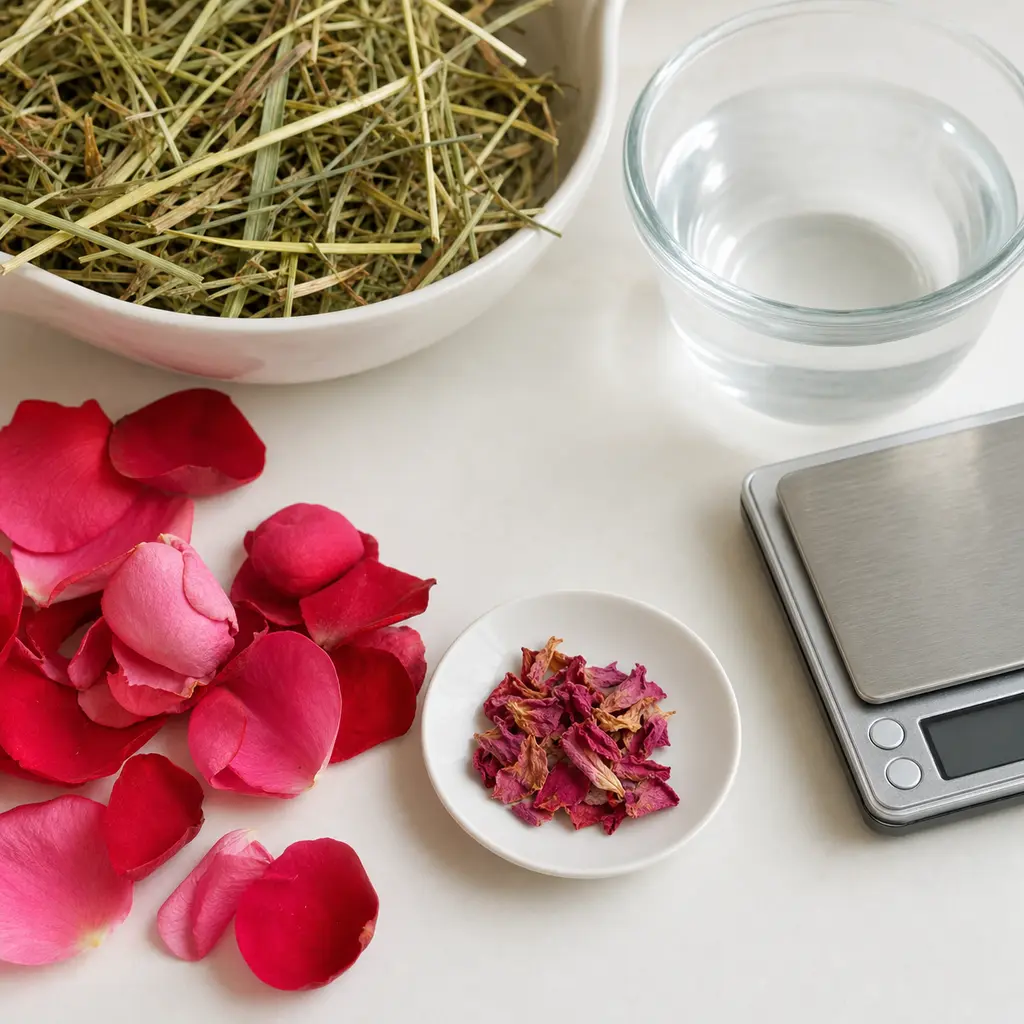 Rose petals
Guinea pigs
Tiny petal pinch
A guinea pig may have a tiny clean rose petal pinch occasionally, but hay and vitamin C foods stay central.
Syrian and dwarf hamsters
Tiny pinch
A hamster may have a tiny pet-safe rose petal pinch occasionally. Check the hoard afterward.
Rats
Tiny pinch
A rat may have a tiny clean rose petal pinch as enrichment if the normal diet and stool stay steady.
Mice
Crumb-size piece
A mouse needs only a crumb-size rose petal piece. Remove leftovers before they get guarded or damp.
Gerbils
Tiny pinch
A gerbil may shred or nibble a tiny pet-safe rose petal pinch, but balanced food stays central.
Chinchillas
Tiny botanical
A chinchilla may have a tiny dried pet-safe rose petal pinch only if the product is plain, dry, and trusted.
Ferrets
Do not feed
Do not feed rose petals to ferrets. Ferrets need meat-based food, not botanicals.
Pet-safe petals only
A clean pet-safe petal is different from a florist rose, potpourri, scented product, or garden plant that may have been treated.
Botanical means tiny
Rose petals are enrichment, not a staple. The normal diet should not change because a petal pinch is offered.
Verify the source
- Use only petals from a pet-safe, food-grade, or known unsprayed source.
- Remove stems, thorns, hips, leaves, potting soil, insects, and any damp or moldy pieces.
- Serve a tiny plain pinch and remove leftovers before they get wet or hidden.
Avoid
- Florist roses, garden-center plants, roadside flowers, pesticide-treated roses, dyed petals, potpourri, scented products, rose oil, rose tea blends, sugar-coated petals, stems, thorns, hips, and moldy petals.
- Using petals to replace hay, pellets, balanced food, or veterinary care for poor appetite.
- Any botanical when appetite, stool, droppings, or energy are already abnormal.
Watch
- Soft stool, reduced appetite, fewer droppings, itchiness, mouth irritation, quietness, damp leftover petals, or signs that petals were hoarded.
- Call an exotic-pet veterinarian promptly if a tiny animal, guinea pig, chinchilla, weak animal, or animal with abnormal signs seems unwell after eating petals.
Portion
One tiny petal pinch at most. For mice, use only a crumb-size piece. Ferrets should not eat rose petals.
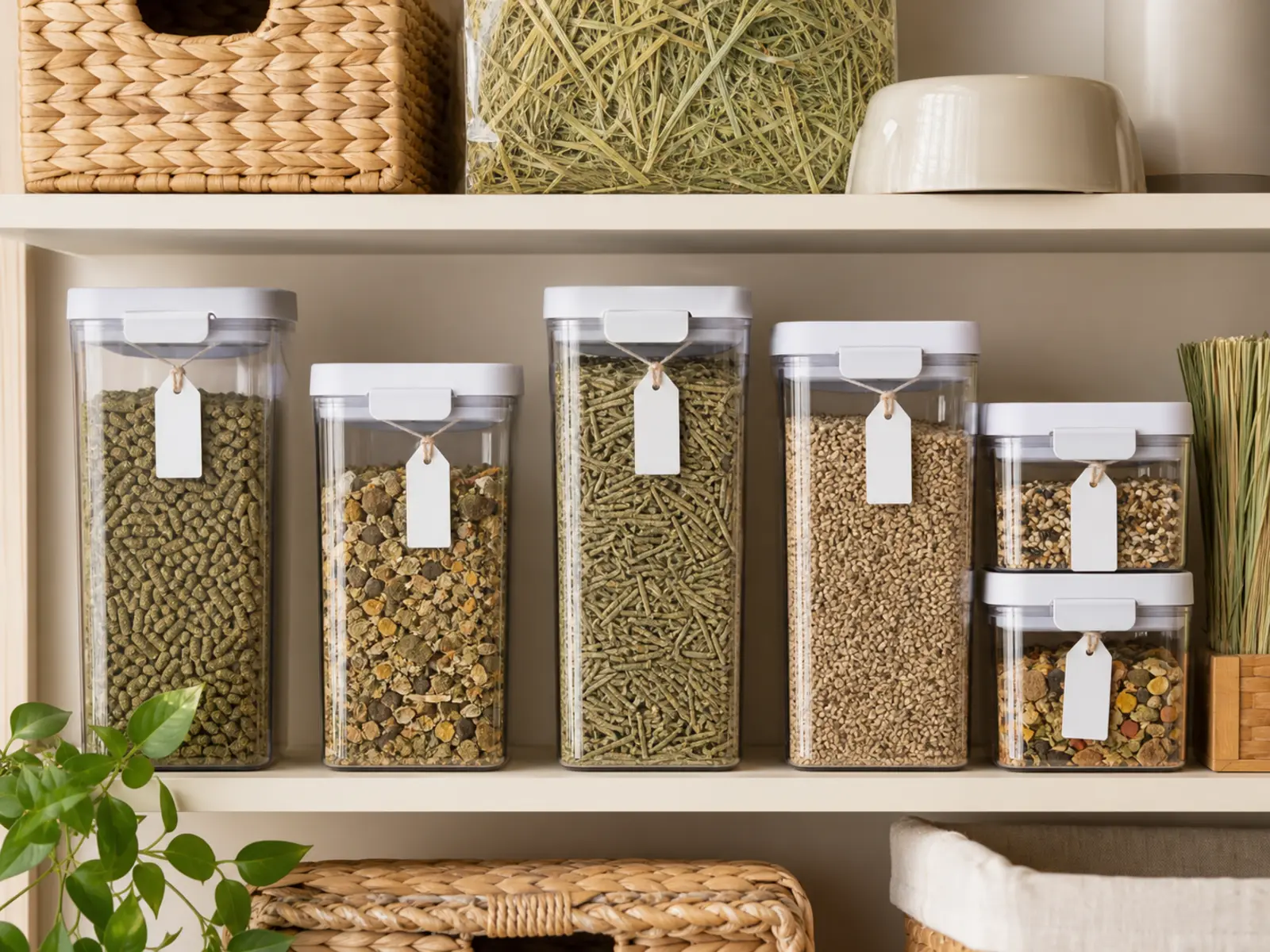
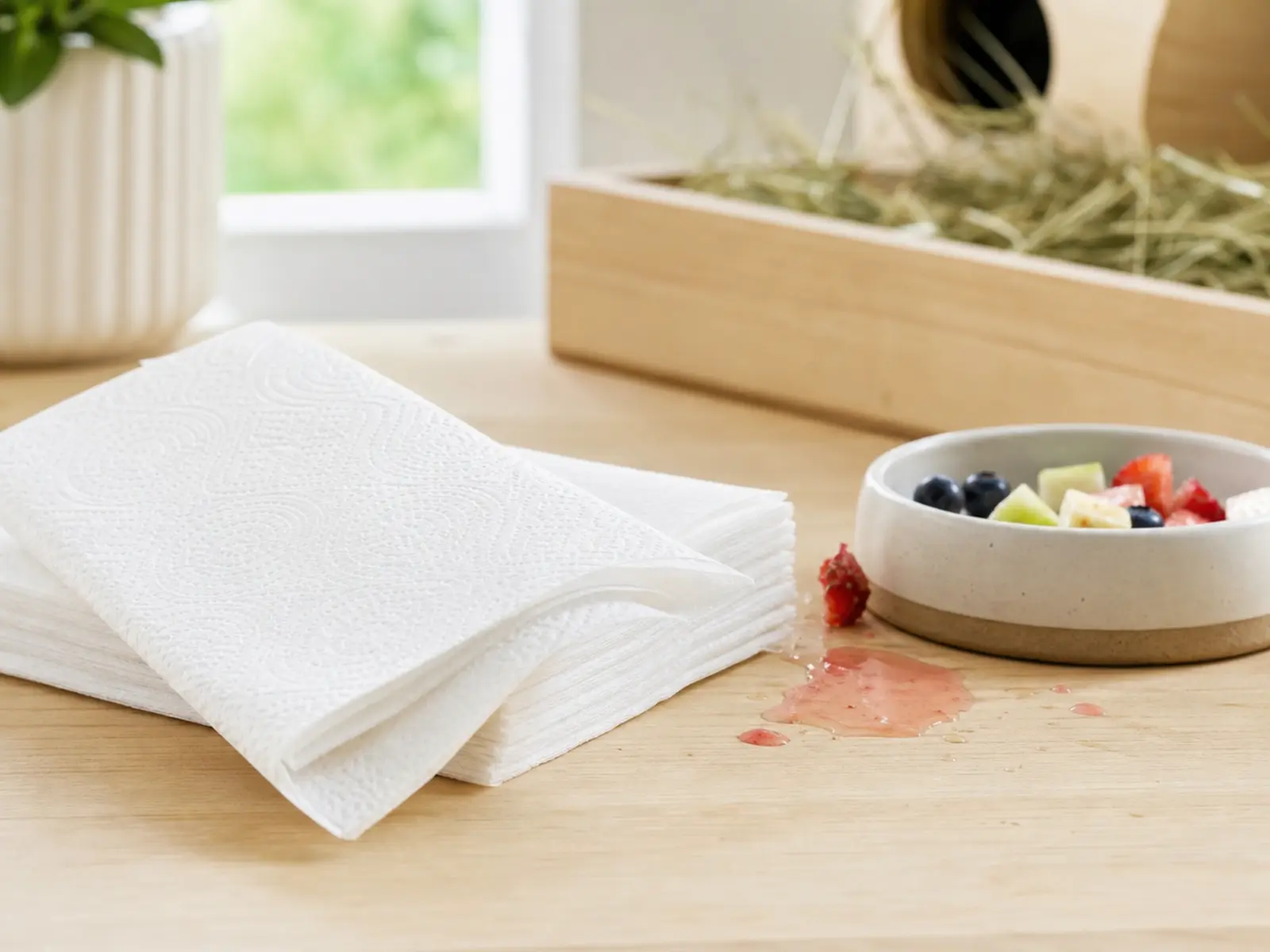
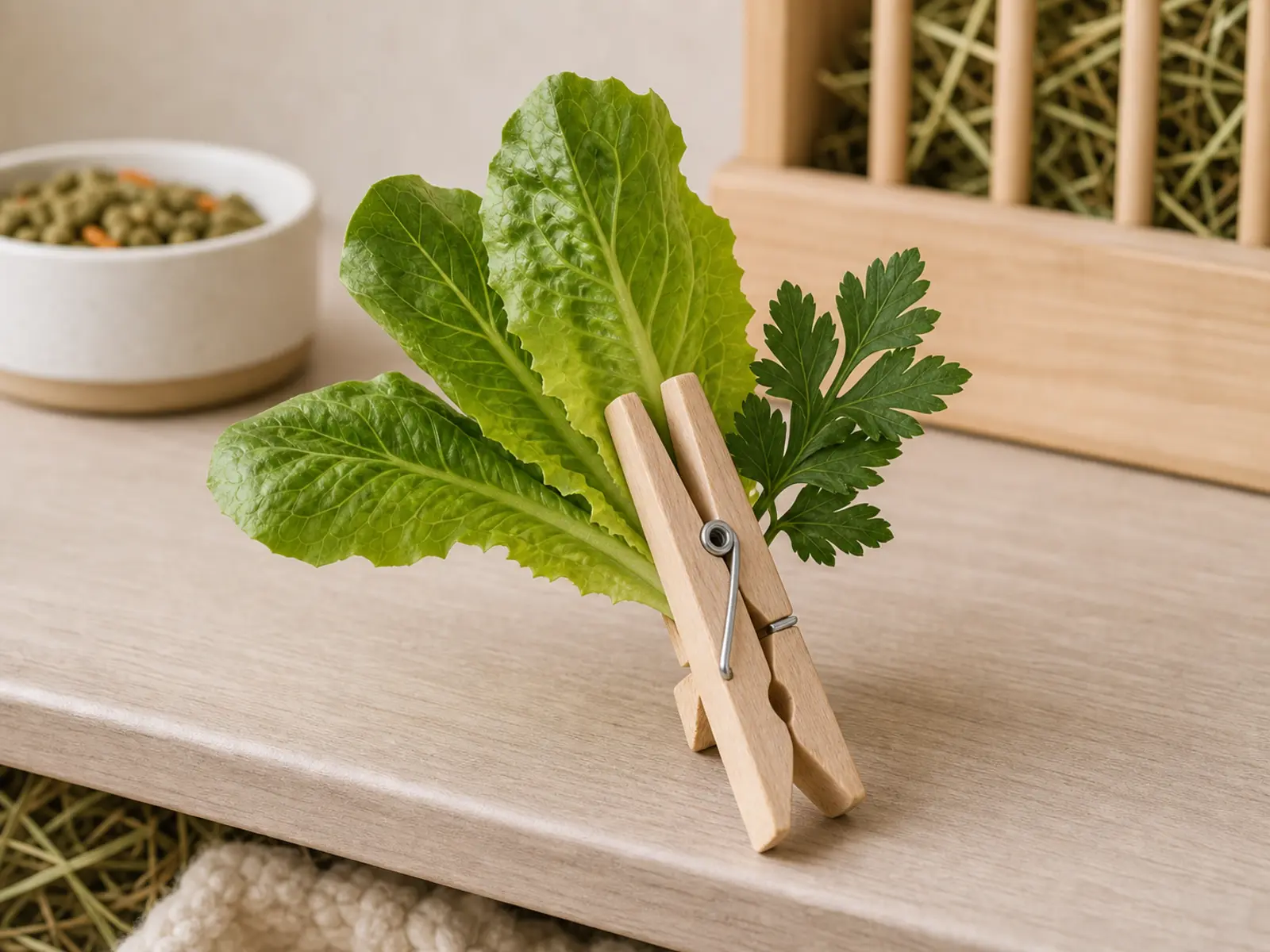
Helpful food-safety supplies
Optional tools for measuring, storing, serving, and cleaning up small portions safely.
Affiliate links: Furball Cove may earn from qualifying purchases at no extra cost to you.