Updated
Dog training
Teach Your Dog Touch
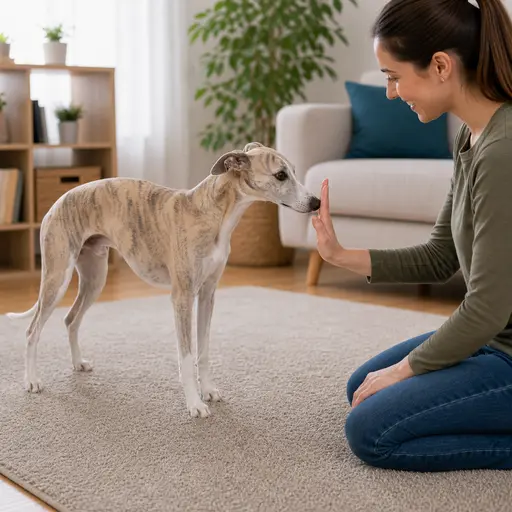
Touch teaches your dog to tap your hand with their nose, giving you a simple way to move, redirect, and reconnect.
It is small, friendly, and useful almost everywhere: leash clips, recall games, vet handling practice, and mild distractions.
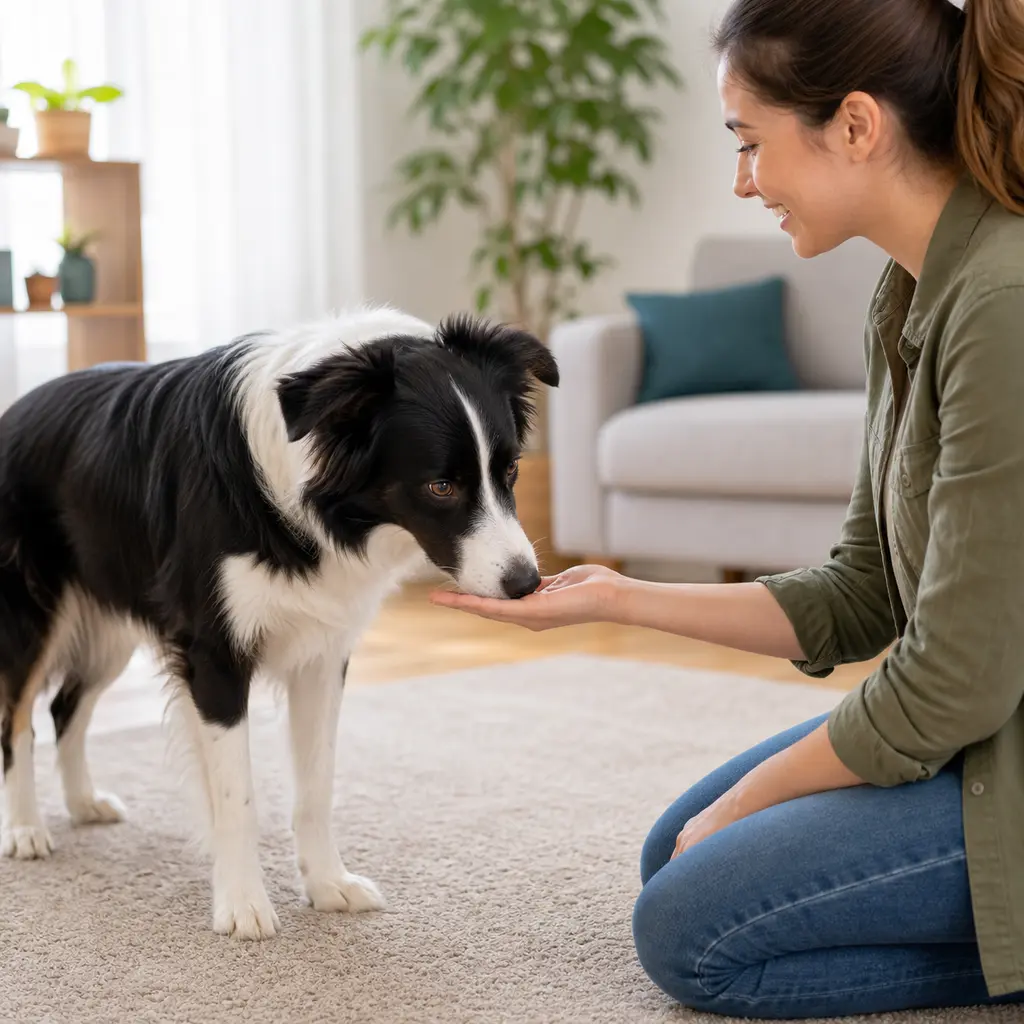
Touch is one of the most useful little cues because it gives your dog a clear target instead of a vague “pay attention.” Nose to hand is easy to see, easy to reward, and easy to use in daily life.
Keep the tap soft. You want a cheerful nose touch, not a dog punching your palm or launching at your hand.
Great for
- Puppies and adults learning a simple focus game.
- Dogs who need a gentle reset during walks or greetings.
- Training plans for recall, grooming, handling, or moving onto a mat.
Wait a bit if
- Your dog is scared of hands near their face.
- Your dog is jumping hard at the hand instead of tapping softly.
- The environment is too distracting for a tiny target cue.
Set up the first wins
Present an empty palm
Hold your hand a few inches from your dog's nose. When they sniff or tap it, mark the contact and feed from your other hand.
Reset after every reward
Move your hand away, then offer it again. That reset makes the nose tap clearer.
Add the cue touch
When your dog is moving to your hand on purpose, say touch right before you present your palm.
Move the target slowly
Try left hand, right hand, low, high, and one step away. Change only one piece at a time.
Use it for real tasks
Ask for touch before turning on a walk, moving onto a mat, clipping a leash, or calling your dog a short distance.
Keep the contact gentle
Reward soft taps. If your dog gets slammy or jumpy, lower your hand and slow the session down.
Little things that help
Keep sessions tiny
Two or three clean minutes usually teach more than a long session where your dog gets tired, grabby, or confused.
Use one cue
Say the word once, then help your dog succeed. Repeating the cue over and over teaches them that the first version does not matter.
Make mistakes easier
If your dog misses twice, lower the distraction, shorten the time, or move closer. The setup should teach the behavior, not expose the failure.
Helpful little extras
Affiliate links: Furball Cove may earn from qualifying purchases at no extra cost to you.
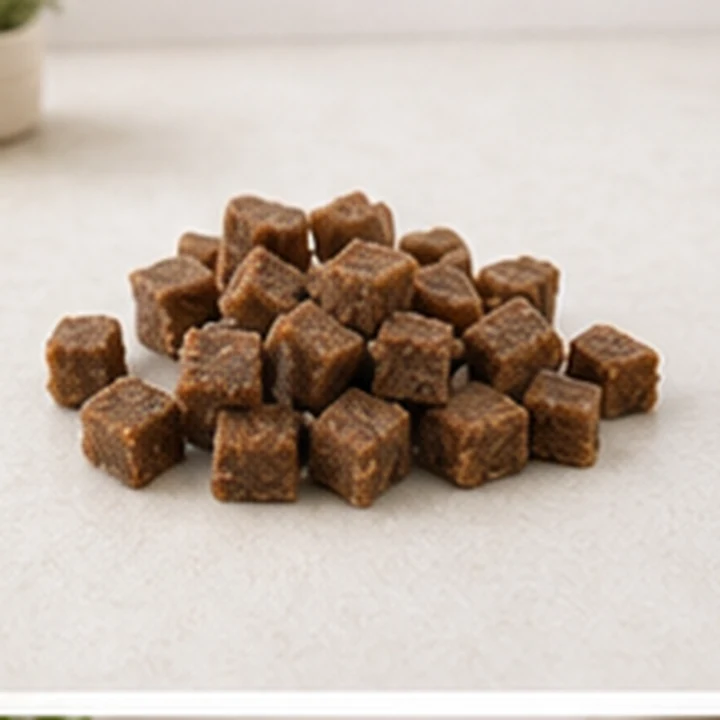
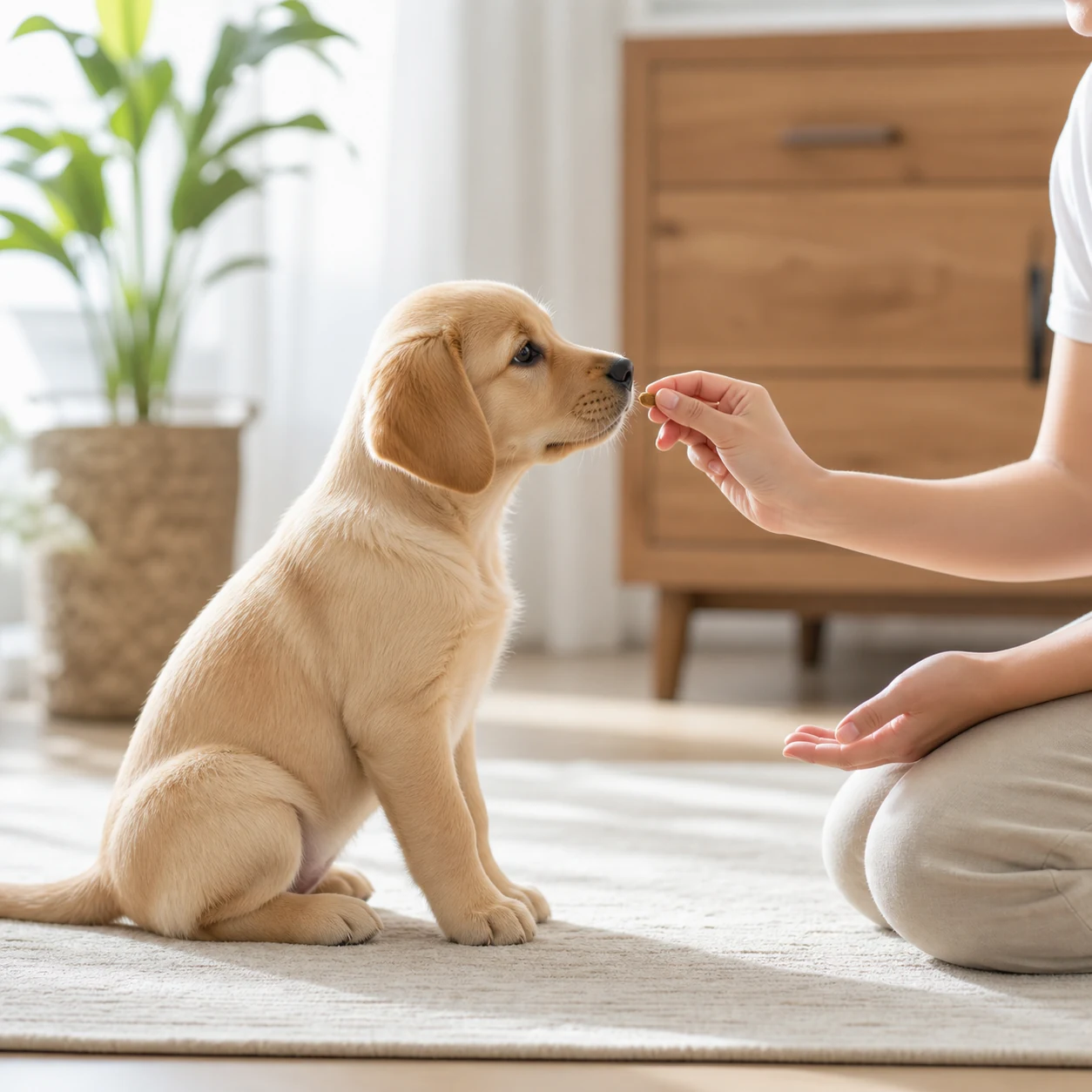
Soft training treats
Tiny soft rewards let you pay the exact moment your dog gets the cue right without slowing the lesson down.
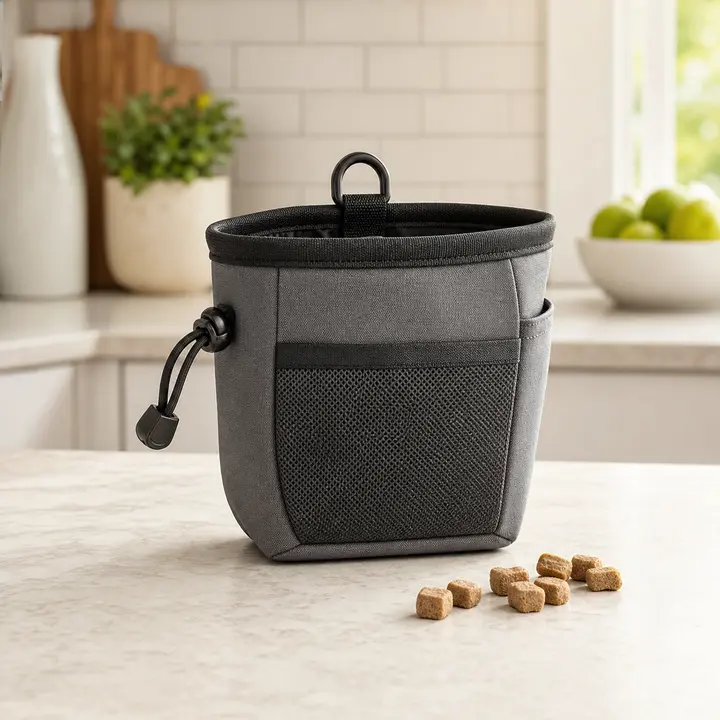
Training treat pouch
A pouch keeps rewards on your body, so you can mark and pay the good choice before the moment disappears.
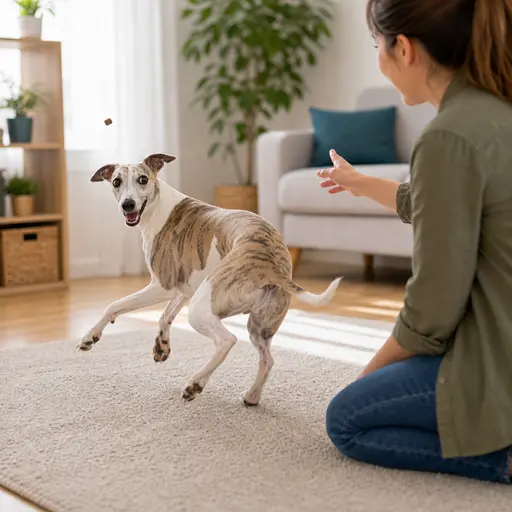
Training clicker
A clear marker helps your dog understand which tiny movement earned the reward, especially in the first few sessions.
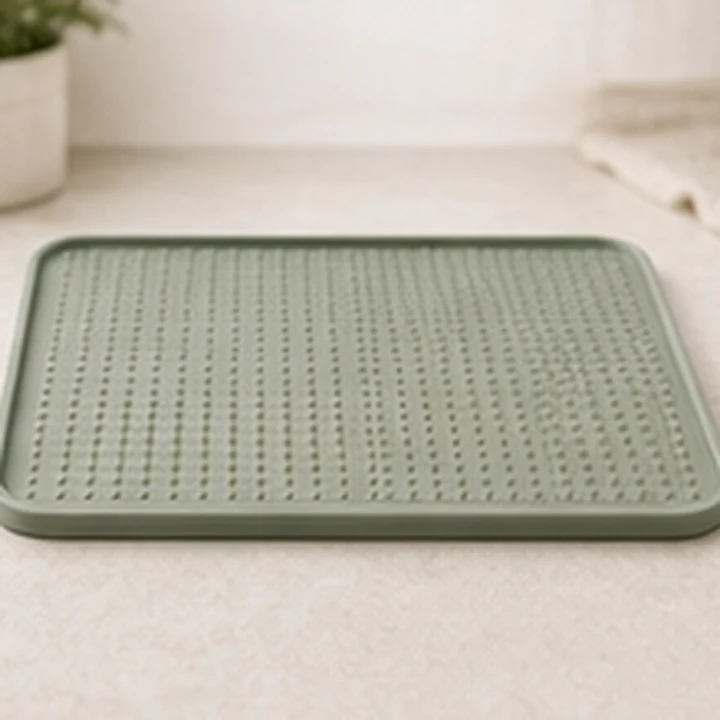
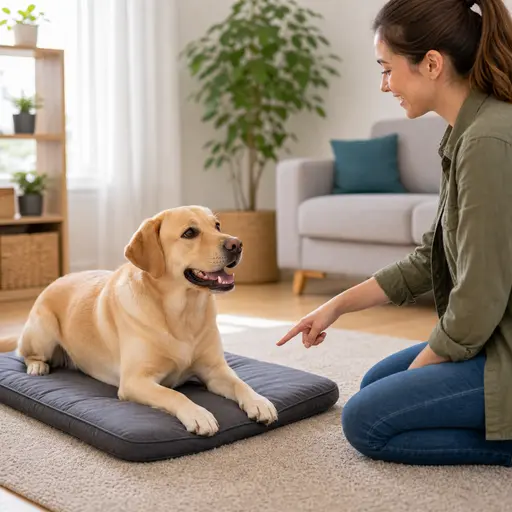
Non-slip training mat
A steady surface helps your dog plant their feet, lie down comfortably, and understand where the practice spot begins.
Questions people ask
Why teach touch?
It gives your dog a simple job: nose to hand. That can help with focus, movement, recall, and cooperative handling.
Can touch help on walks?
Yes, for mild distractions. For fear or reactivity, create distance and work with a qualified trainer when needed.
What if my dog bites at my hand?
Use lower excitement, smaller treats, and a shorter session. If mouthiness is intense, work on calmer foundation skills first.