

Updated
Dog training
Recall Training
Recall works when coming back is worth it, practiced often, and never used to end every good thing.
Build a cue your dog trusts before you test it around squirrels, other dogs, and open spaces.
Start here
Build the cue
Make the word predict something excellent every time.
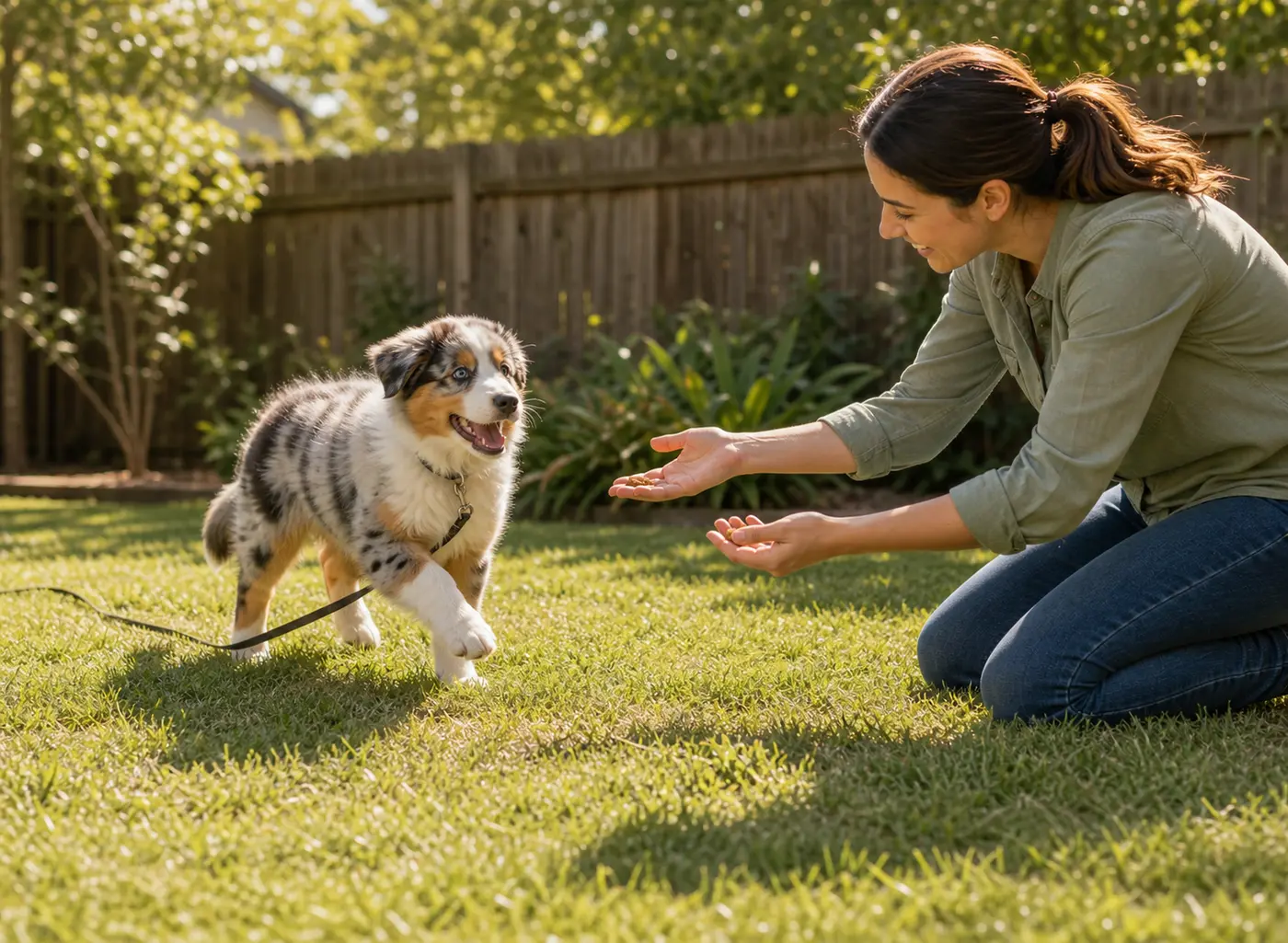
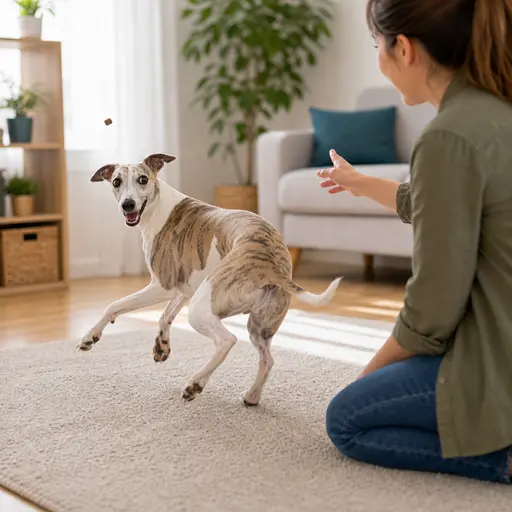
Toss a treat away, call once, then reward big when your dog turns back.
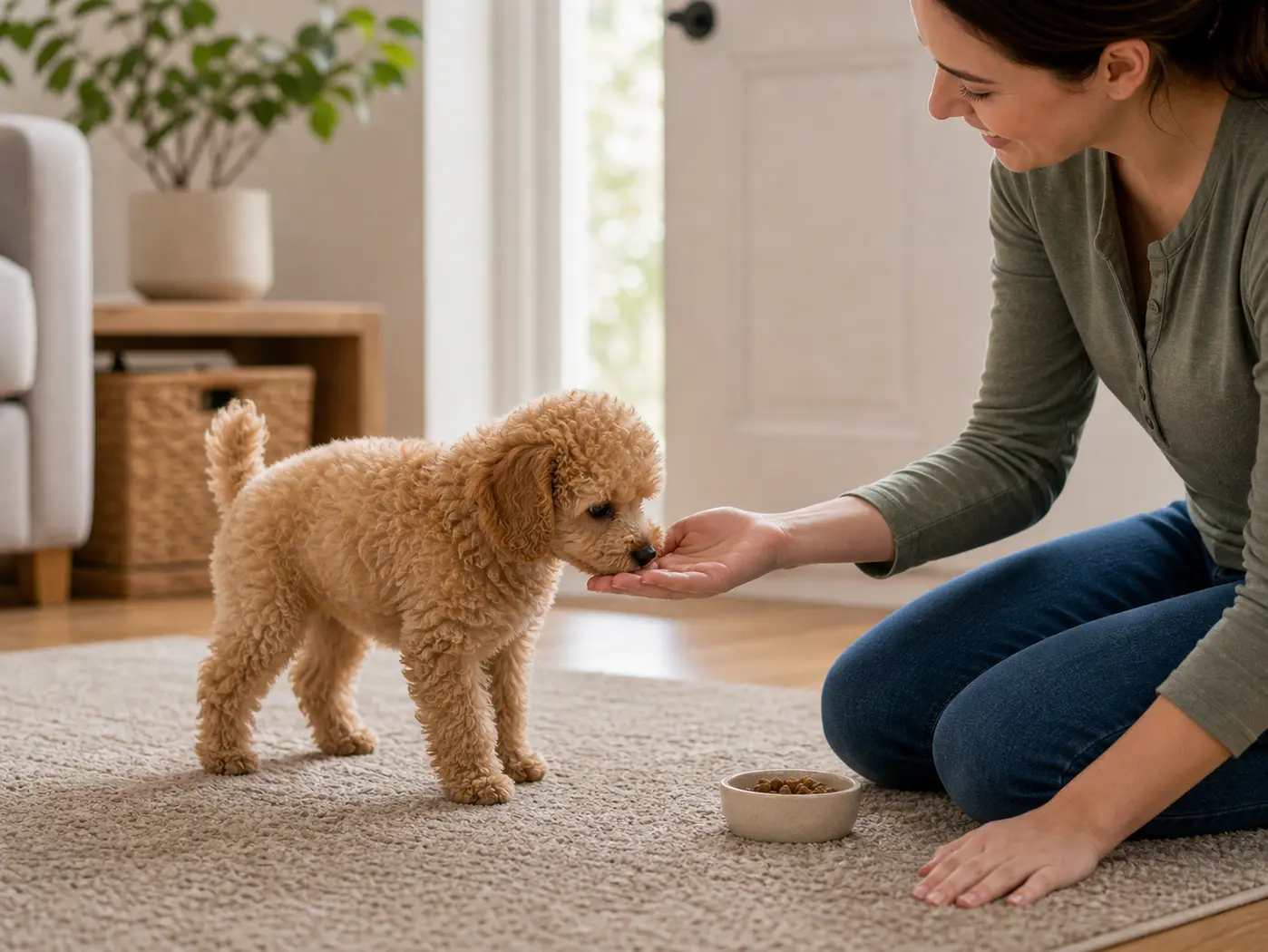
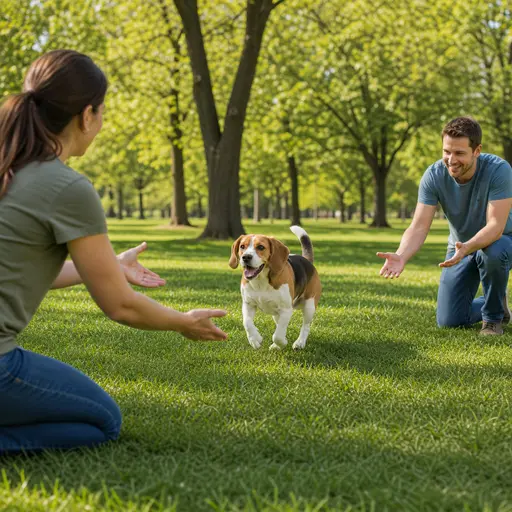
Two people take turns calling and rewarding across a room or yard.
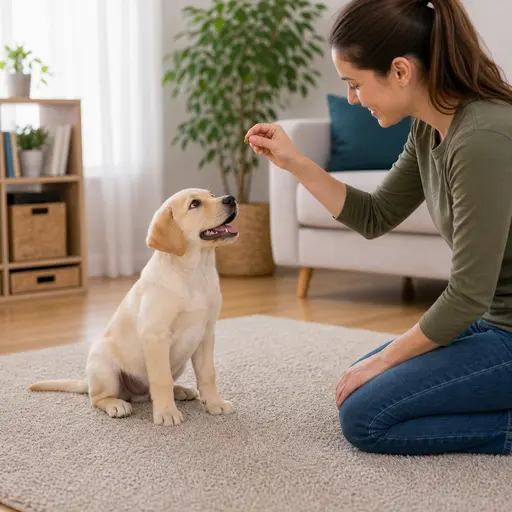
Name gets attention. Come means move all the way to you.
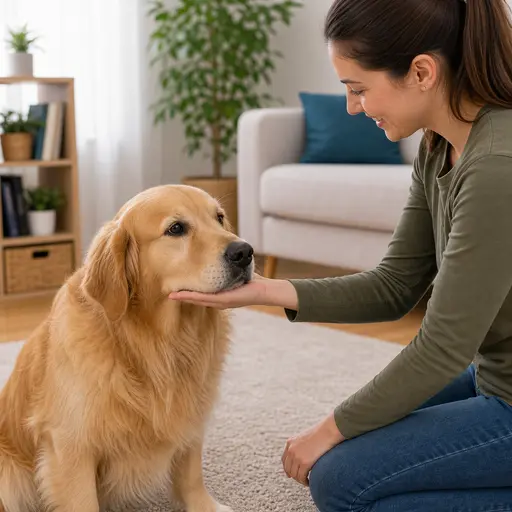
Reward a gentle collar touch so recall ends close enough to clip the leash.
Practice with freedom
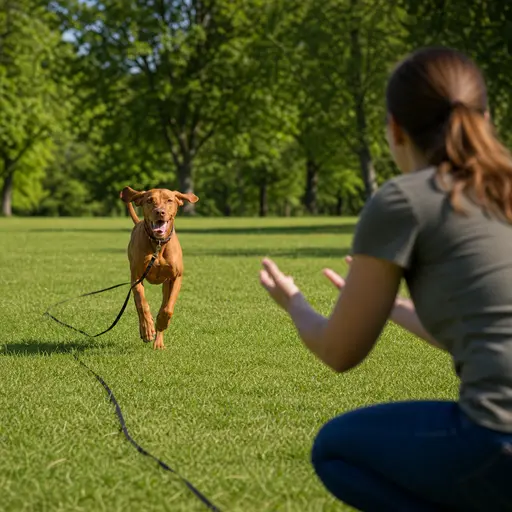
A long line lets you practice real movement while keeping your dog safe.
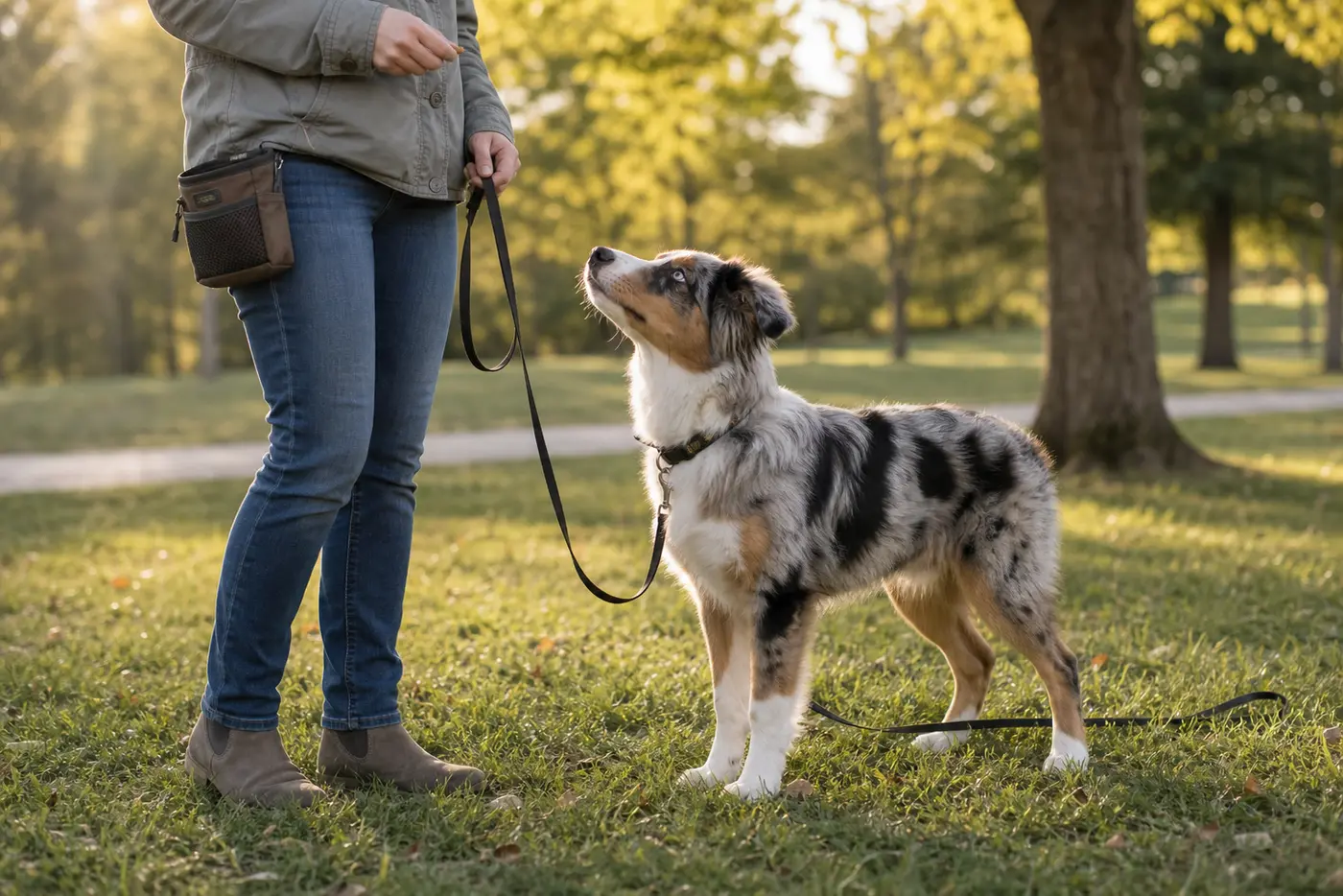
Let your dog explore, call once, reward, then release back to sniffing.
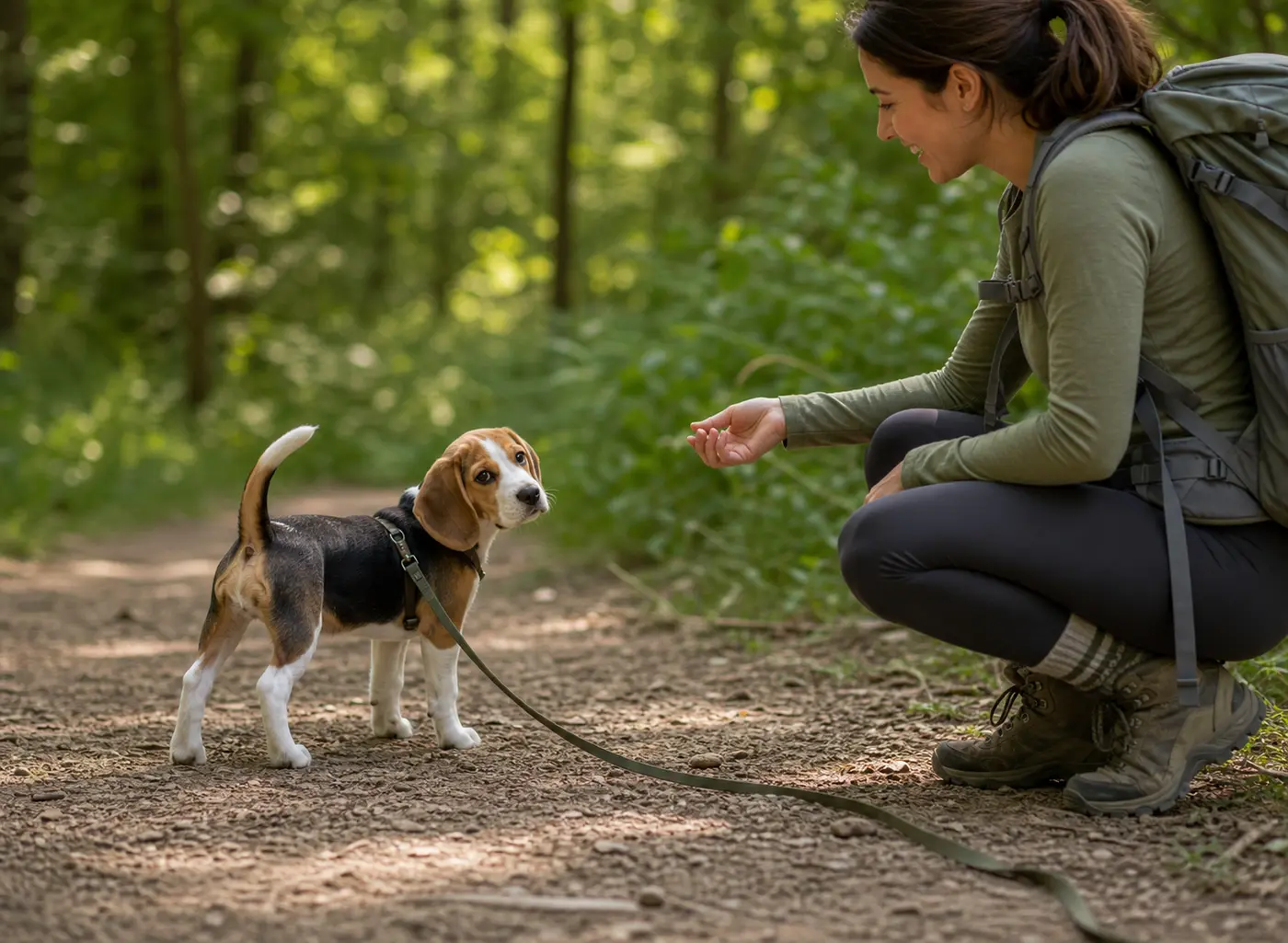
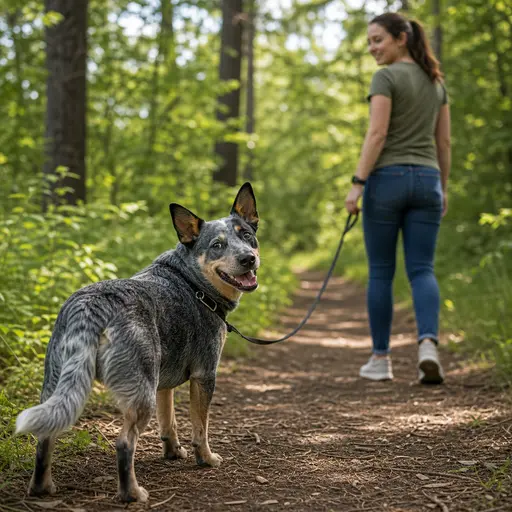
Reward your dog for looking back before you need to call.
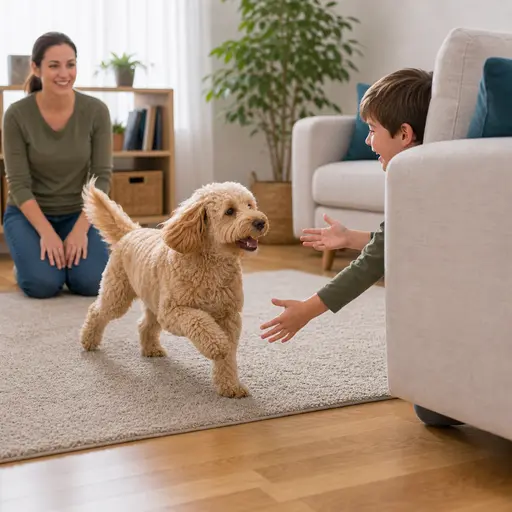
Hide close by and reward your dog for searching back to you.
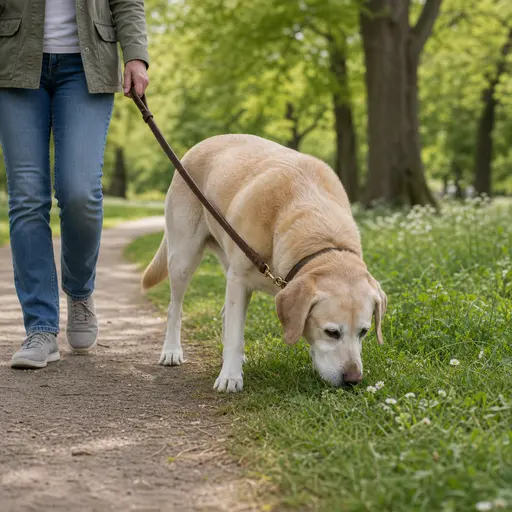
After many recalls, let your dog return to sniffing so coming back does not always end fun.
Add distractions carefully
Harder recalls need distance, better rewards, and easier setups.
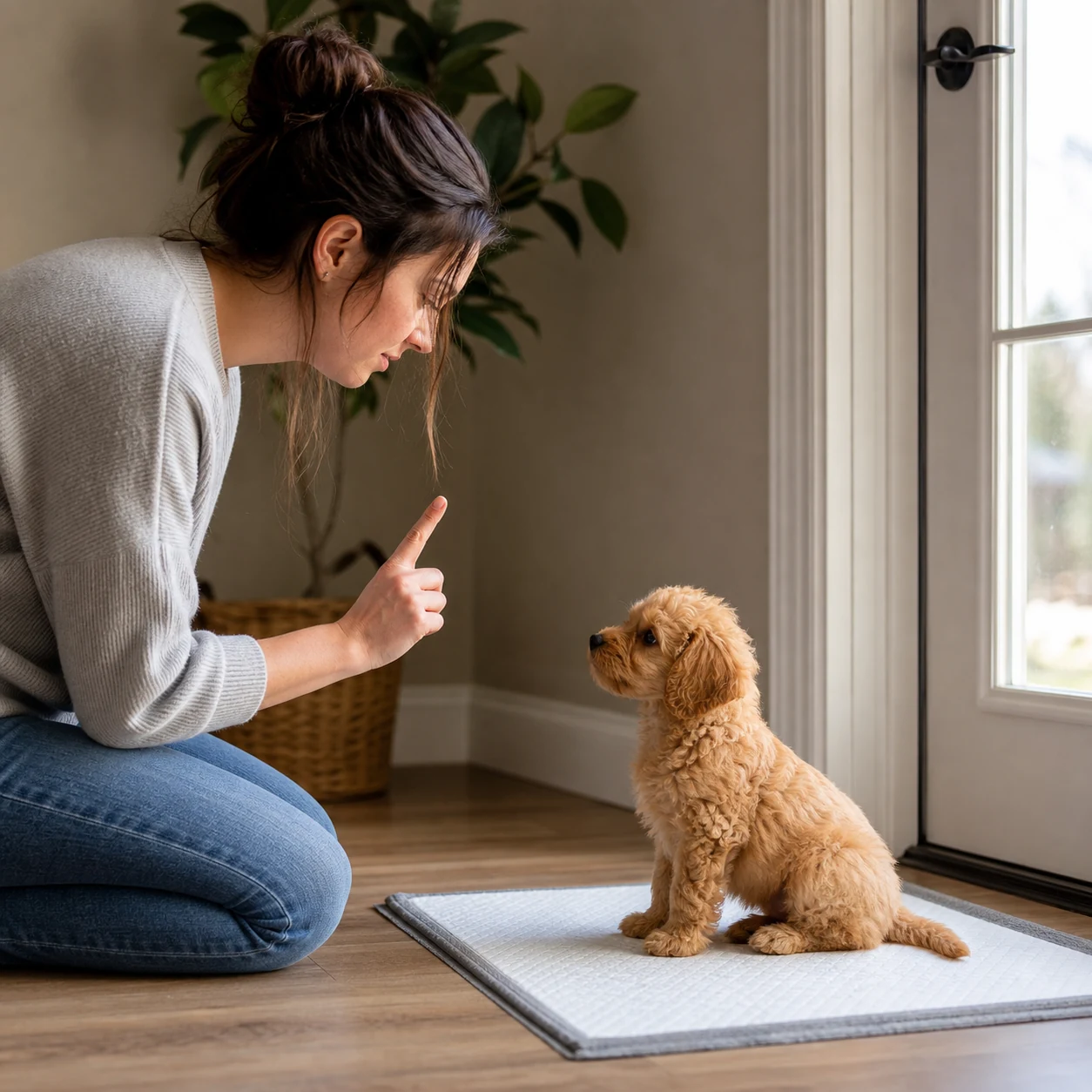
Start far enough from other dogs that your dog can still eat and turn.
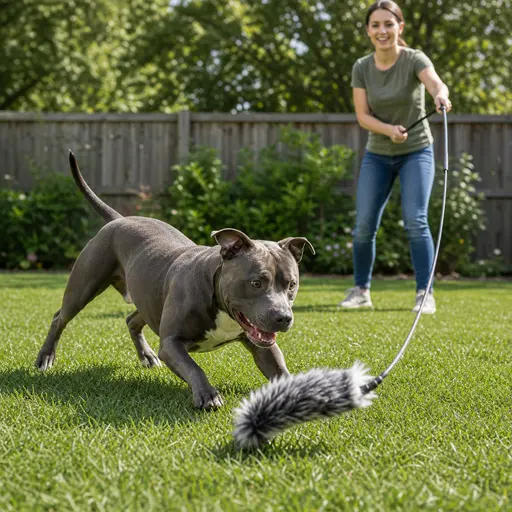
Call away from a moving toy only after the foundation is strong.

Use a special word with rare, amazing rewards. Do not use it casually.
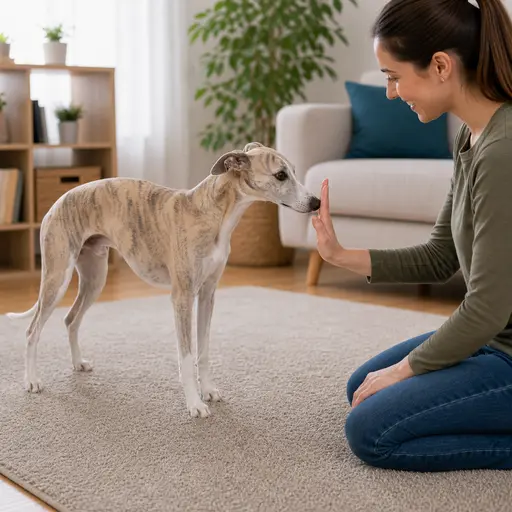
A clear whistle can travel farther than a voice if you condition it carefully.
Protect the cue
Most recall problems come from poisoned cues and unrealistic tests.
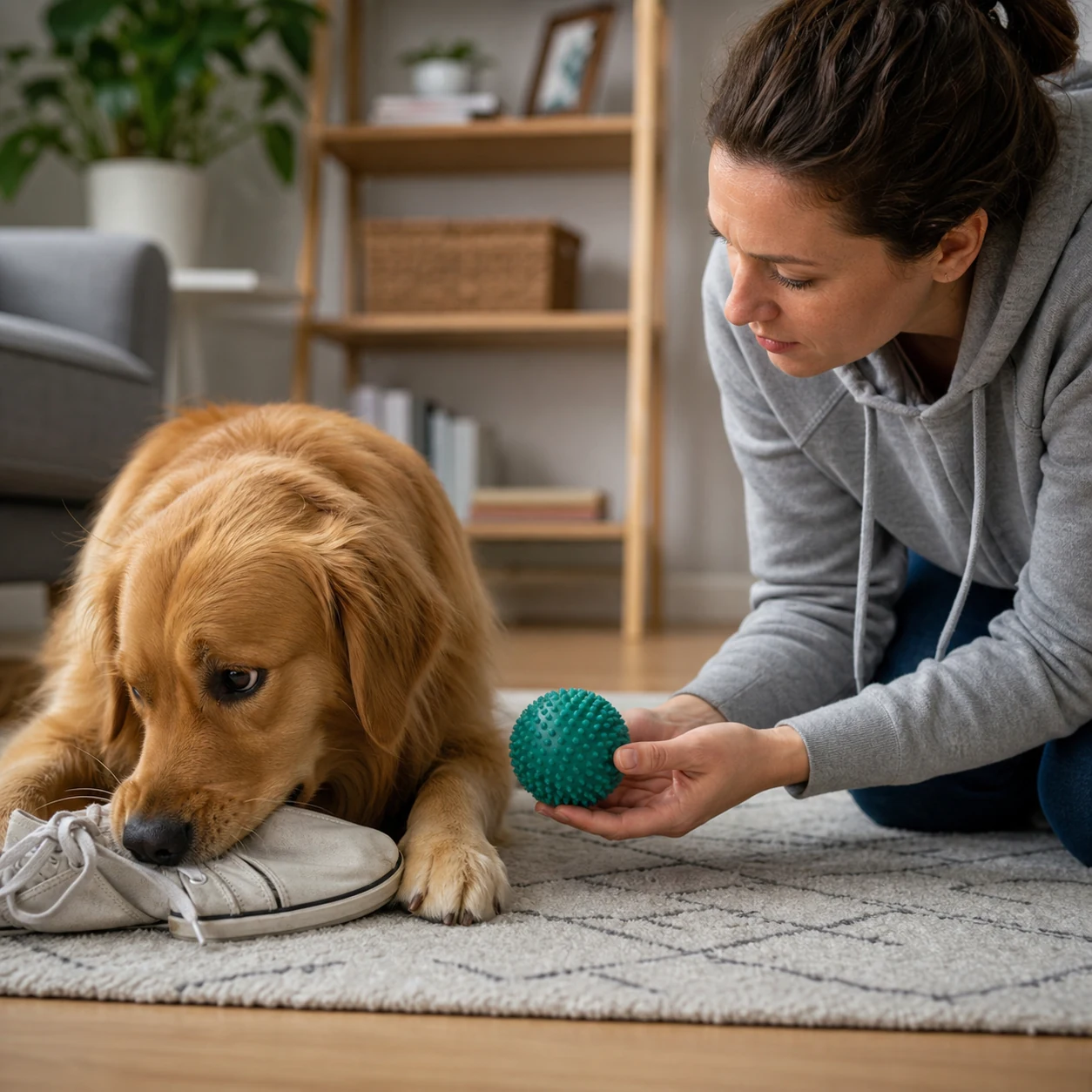
If your dog cannot respond, help them instead of repeating the word ten times.

Even if the dog took too long, reward the choice to come back.
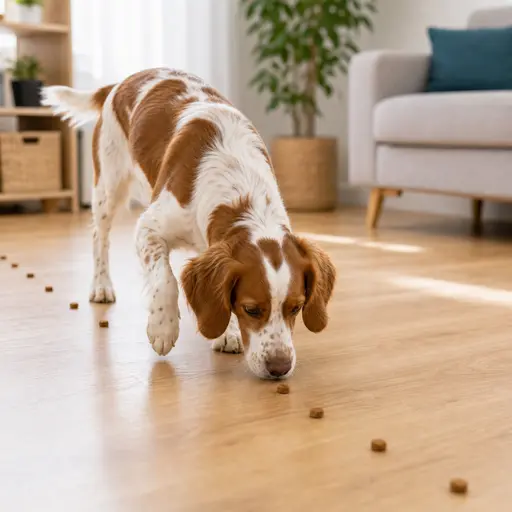
Call, reward, release, and repeat so recall does not always mean leash on.
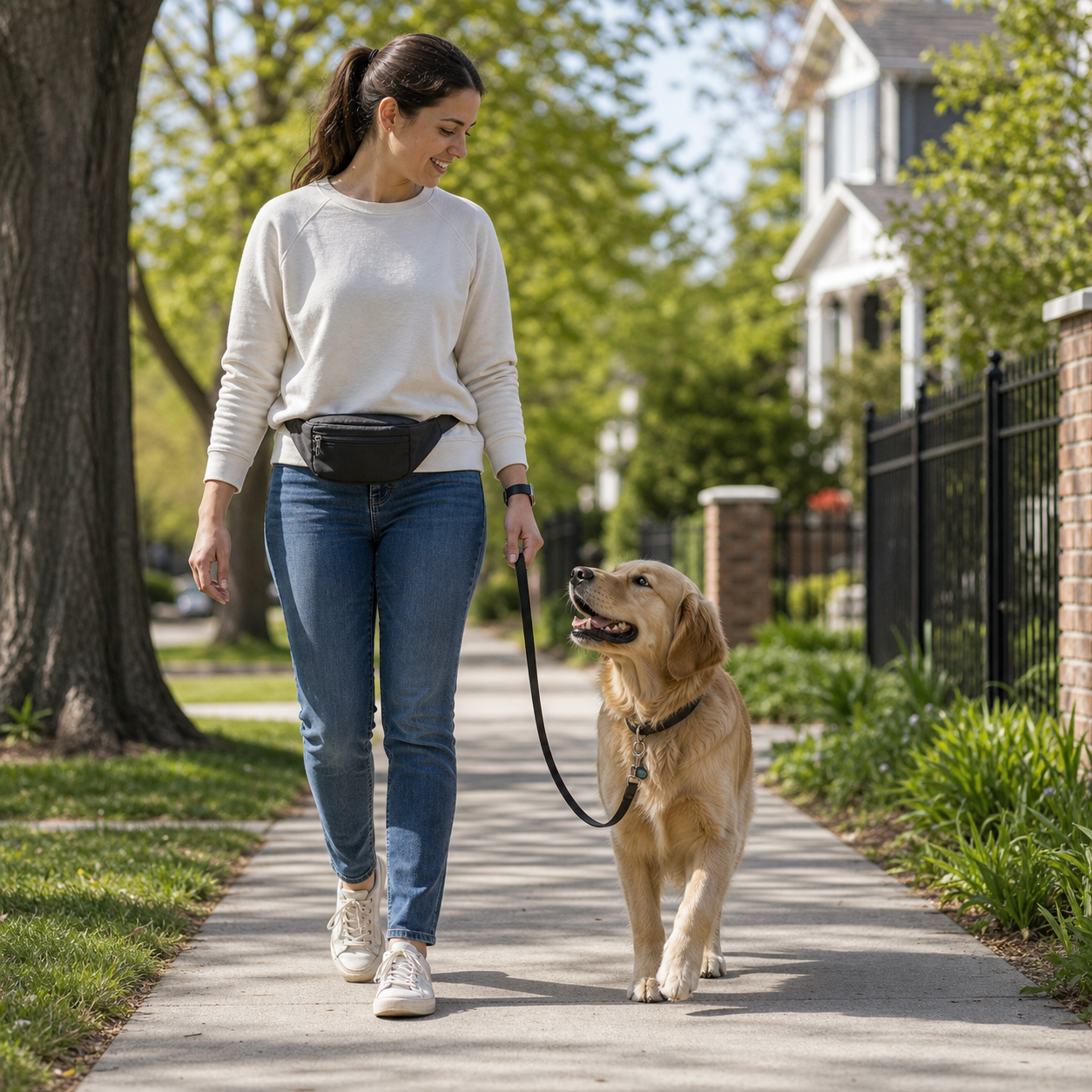
No recall is a substitute for fences, leashes, and safe choices near roads.