Updated
Dog training
Teach Your Dog Down
Down teaches your dog to lie with elbows on the floor, which can help with calm greetings, vet handling, mat work, and quiet pauses.
Build it gently. Down should feel comfortable and voluntary, not like someone is pressing your dog to the floor.
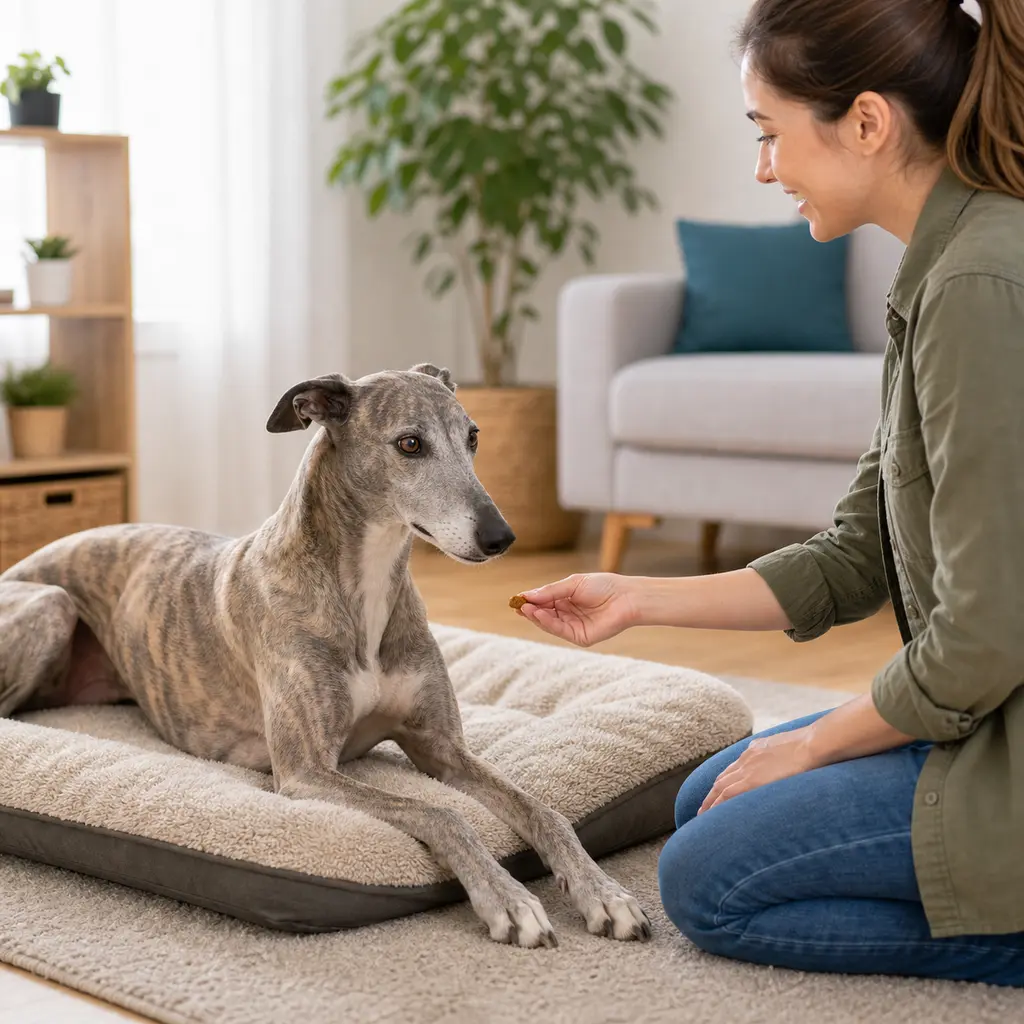
A good down is useful because it gives your dog a lower-energy position than sit. It can help before mat training, during quiet work calls, or while you wait at the vet.
Some dogs fold down quickly, while others need a better surface or a slower lure. If lying down seems painful or awkward, skip the lesson and ask your vet before practicing.
Great for
- Dogs who already follow a food lure or hand target.
- Puppies learning calm body positions.
- Homes that want a foundation for settle, place, and mat work.
Wait a bit if
- Your dog looks stiff, sore, or reluctant to lie down.
- The floor is slippery or cold.
- You feel tempted to push shoulders or pull paws.
Build the skill in small wins
Use a comfortable surface
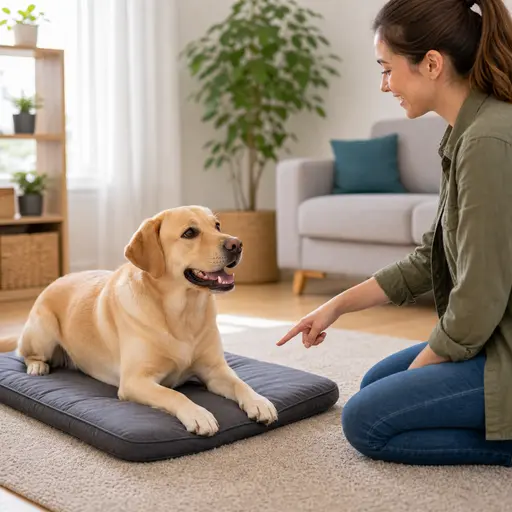
Start on a rug, mat, or carpet where your dog will not slide. Many dogs resist down when the floor feels unstable.
Lure from the nose to the floor
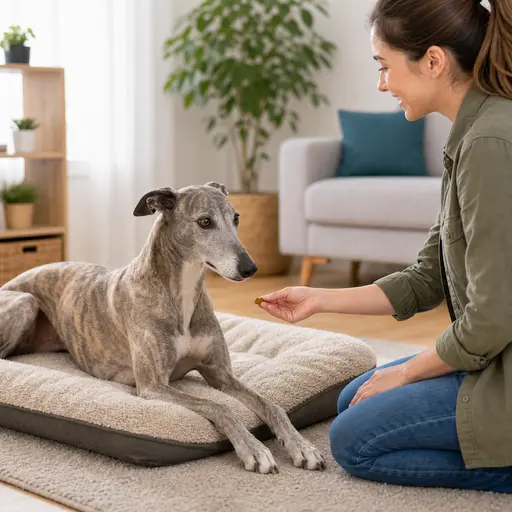
With your dog sitting or standing, move a treat from their nose straight down between the front paws. Reward any bend toward the floor at first.
Mark elbows on the ground
When both elbows touch, say yes or click and feed low between the paws so your dog stays in position.
Add the word down
After the motion is easy, say down right before your hand moves. Keep the word calm and use the same cue each time.
Fade the lure
Make the hand signal smaller, then reward from your pouch. Your dog should follow the cue, not only a treat stuck to their nose.
Release clearly
Use a release word before your dog gets up. That makes down easier to use later for mat, settle, and polite waiting.
Little things that help
Keep sessions tiny
Two or three clean minutes usually teach more than a long session where your dog gets tired, grabby, or confused.
Use one cue
Say the word once, then help your dog succeed. Repeating the cue over and over teaches them that the first version does not matter.
Make mistakes easier
If your dog misses twice, lower the distraction, shorten the time, or move closer. The setup should teach the behavior, not expose the failure.
Helpful little extras
Affiliate links: Furball Cove may earn from qualifying purchases at no extra cost to you.
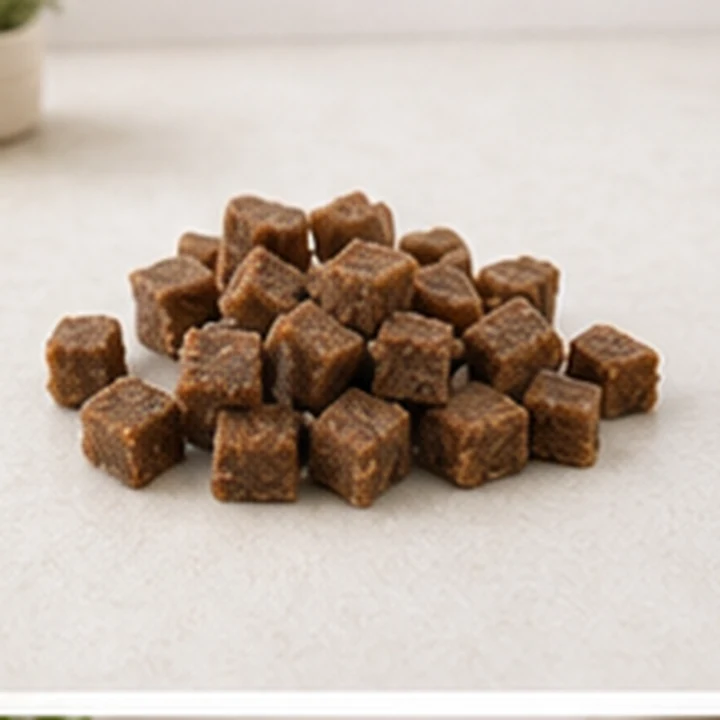
Soft training treats
Tiny soft rewards let you pay the exact moment your dog gets the cue right without slowing the lesson down.
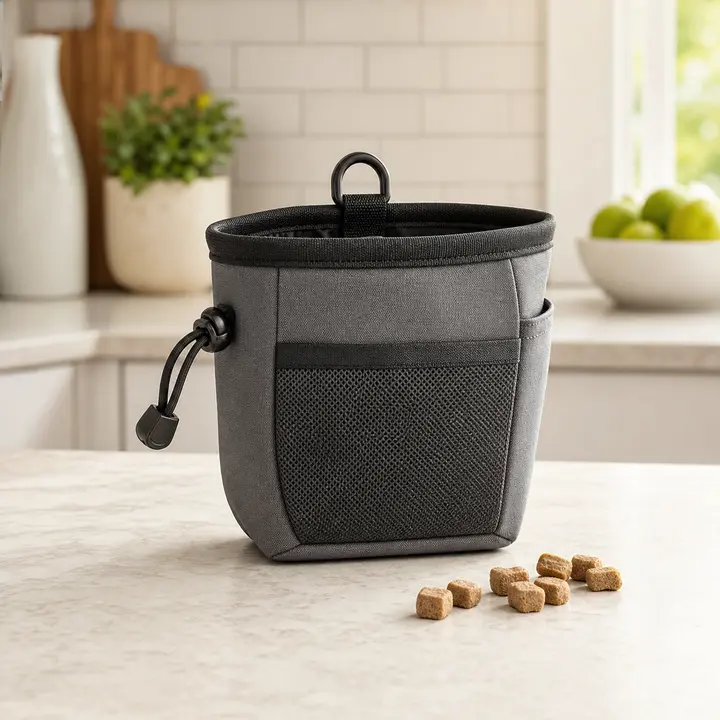
Training treat pouch
A pouch keeps rewards on your body, so you can mark and pay the good choice before the moment disappears.
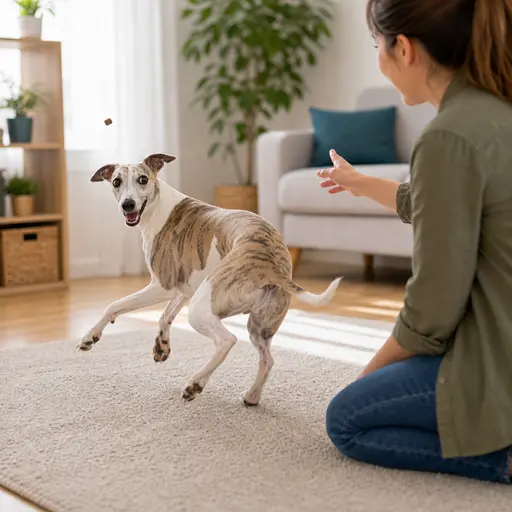
Training clicker
A clear marker helps your dog understand which tiny movement earned the reward, especially in the first few sessions.
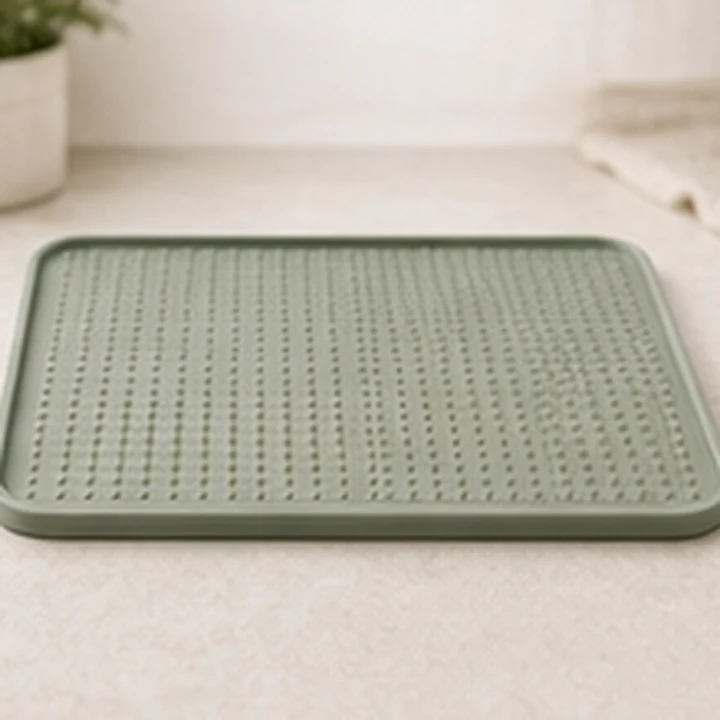
Non-slip training mat
A steady surface helps your dog plant their feet, lie down comfortably, and understand where the practice spot begins.
Questions people ask
What if my dog will not lie down?
Try a softer surface, reward smaller bends, or lure under your bent knee to create a low tunnel. If your dog seems uncomfortable, ask your vet.
Should down mean stay?
Not at first. Teach the position, then add duration and a release word separately.
Can I teach down from standing?
Yes. Some dogs find it easier from a stand than a sit. Reward the version your dog can do comfortably.