Updated
Dog training
Teach Your Dog Go to Mat
Go to mat sends your dog to a bed, blanket, or mat so they have a clear place to relax when the room gets busy.
It works best when the mat predicts good things and the release is just as clear as the cue.
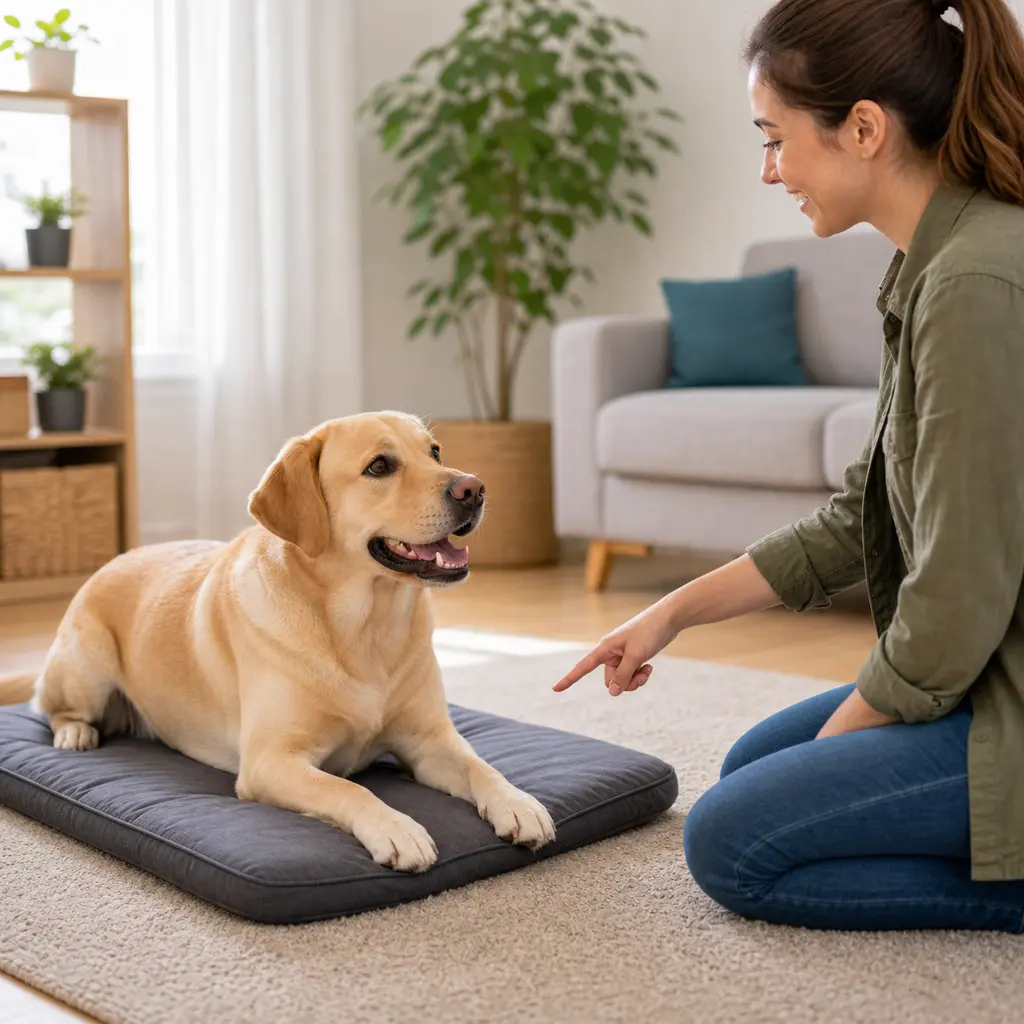
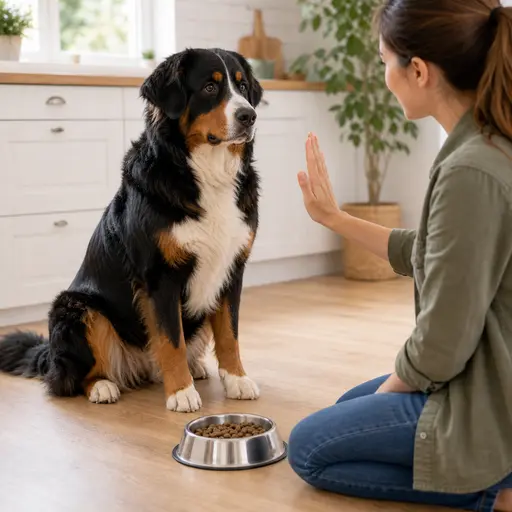
Go to mat gives your dog a job during dinner, visitors, deliveries, work calls, or kids moving through the room. Instead of constantly saying no, you can show them where to be.
The mat should feel like a safe, rewarding spot. Build the behavior before you need it, then use it in real household moments.
Great for
- Dogs who hover during meals or busy rooms.
- Puppies learning where calm happens.
- Homes that want a predictable spot for visitors and daily routines.
Wait a bit if
- Your dog is scared of visitors or guarding the mat.
- The mat is being used as punishment.
- The room is too exciting for your dog to stay under threshold.
Make quiet time clear
Put the mat in an easy spot
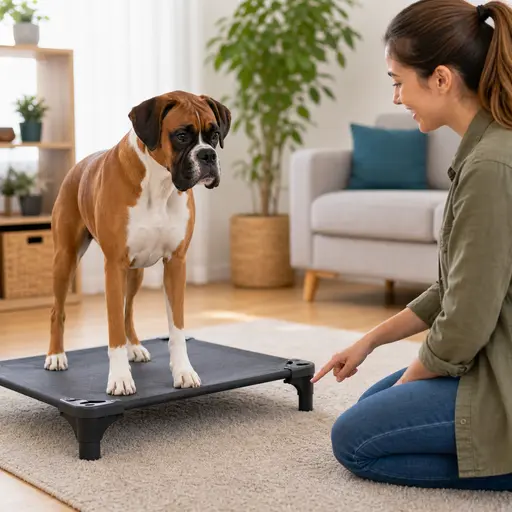
Place the mat a few feet away in a quiet room. Reward any look, step, or paw on it so your dog starts choosing the surface.
Feed on the mat
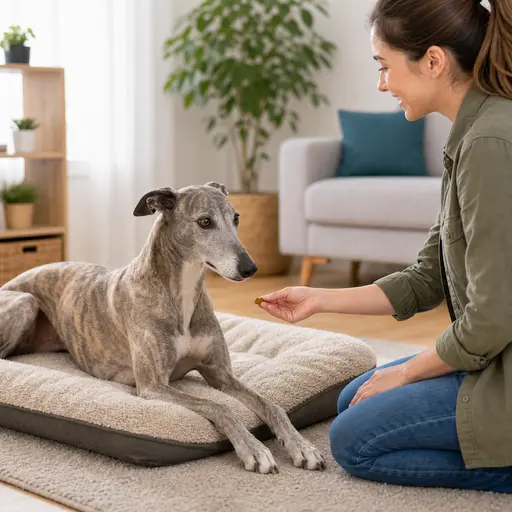
When your dog steps fully onto it, mark and feed several treats on the mat. The reward should land where you want your dog to stay.
Add the cue
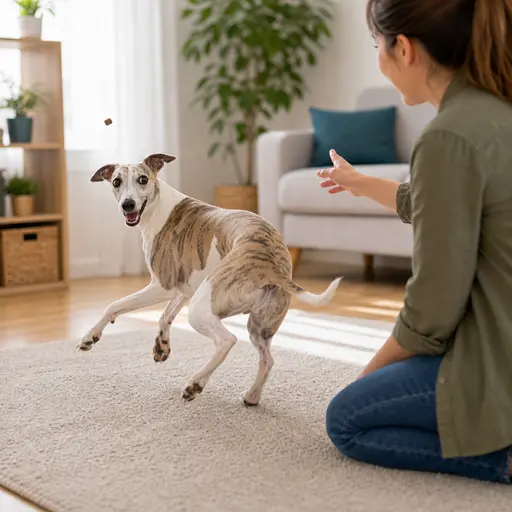
Say go to mat right before your dog moves toward it. Point less as your dog understands the path.
Reward a down or relaxed stand
Once arriving is easy, wait for a sit, down, or softer posture and reward that calm version.
Build duration during normal life
Add seconds while you sit at the table, open a cabinet, or talk to someone in the room. Keep it easy at first.
Release before your dog quits
Say free or all done, then invite your dog off the mat. A clear release keeps the cue fair.
Little things that help
Keep sessions tiny
Two or three clean minutes usually teach more than a long session where your dog gets tired, grabby, or confused.
Use one cue
Say the word once, then help your dog succeed. Repeating the cue over and over teaches them that the first version does not matter.
Make mistakes easier
If your dog misses twice, lower the distraction, shorten the time, or move closer. The setup should teach the behavior, not expose the failure.
Helpful little extras
Affiliate links: Furball Cove may earn from qualifying purchases at no extra cost to you.
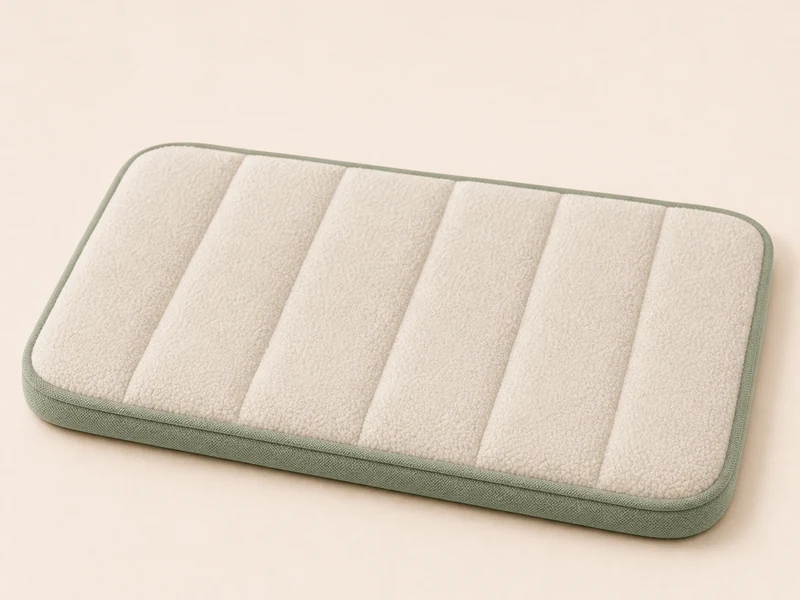
Washable dog mat
A familiar mat gives your dog a clear landing spot for place, settle, visitors, meals, and busy household moments.
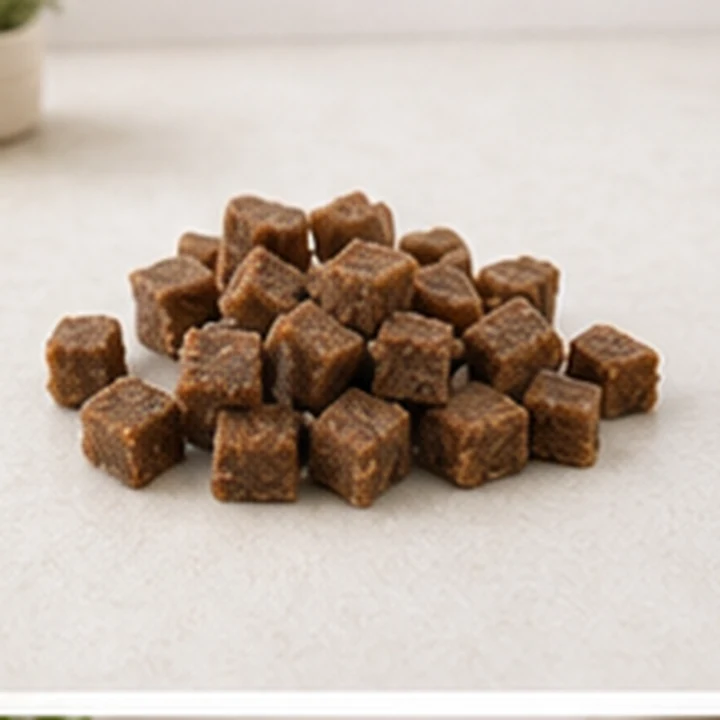
Soft training treats
Tiny soft rewards let you pay the exact moment your dog gets the cue right without slowing the lesson down.
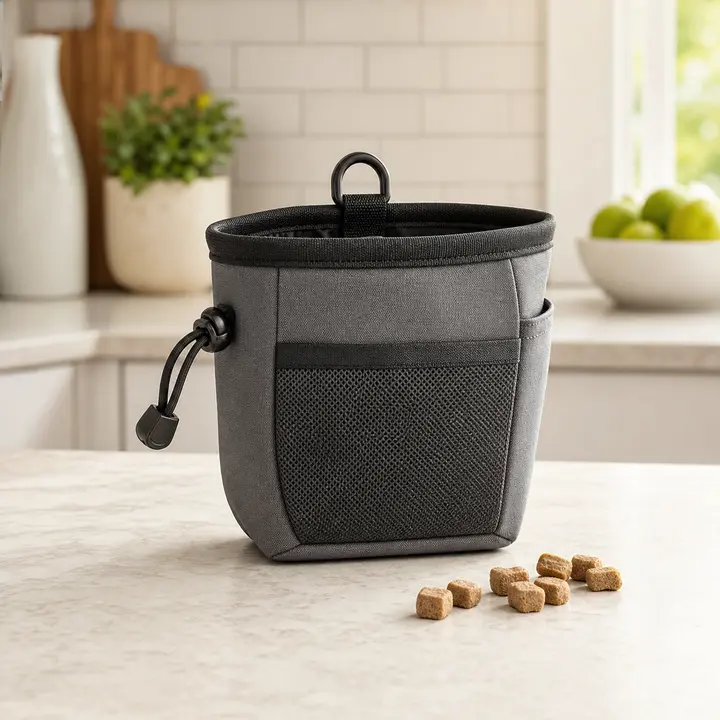
Training treat pouch
A pouch keeps rewards on your body, so you can mark and pay the good choice before the moment disappears.
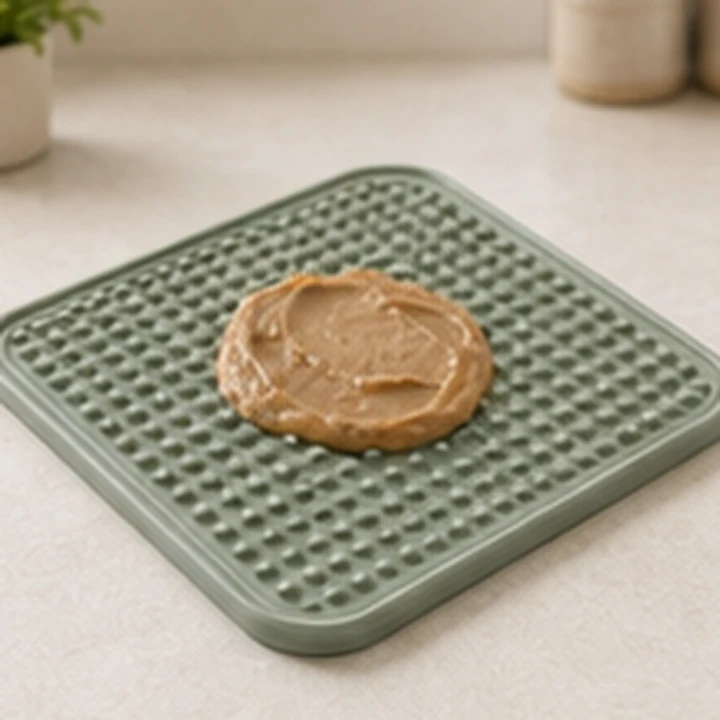
Lick mat
A lick mat can help some dogs come down after practice, especially when the lesson involved visitors, barking, or excitement.
Questions people ask
Is go to mat the same as place?
They overlap. Go to mat is usually a softer household cue, while place often uses a sharper boundary like a platform or bed.
Can I use it when guests arrive?
Yes, after you have practiced easier versions. For intense jumping, barking, or fear, use gates and consider a qualified trainer.
How long should my dog stay on the mat?
Start with seconds. Build duration slowly and release before your dog leaves on their own.