Updated
Dog training
Teach Your Dog Settle
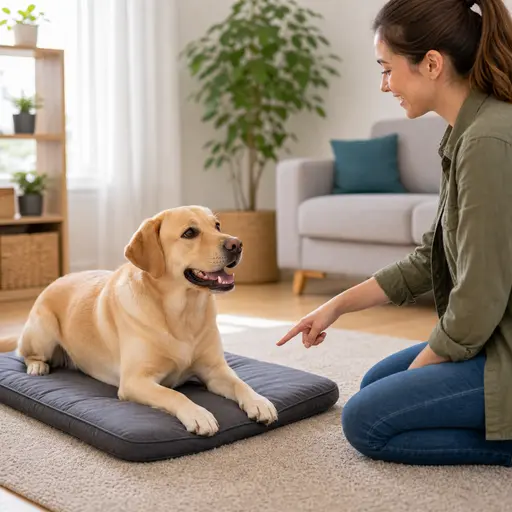
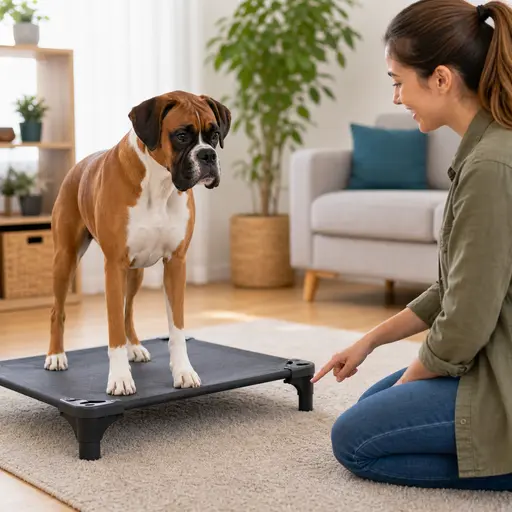
Settle teaches your dog how to relax in normal rooms instead of pacing, pestering, barking, or hunting for something to do.
You are not forcing calm. You are noticing soft behavior, paying it, and making that quiet rhythm easier to repeat.
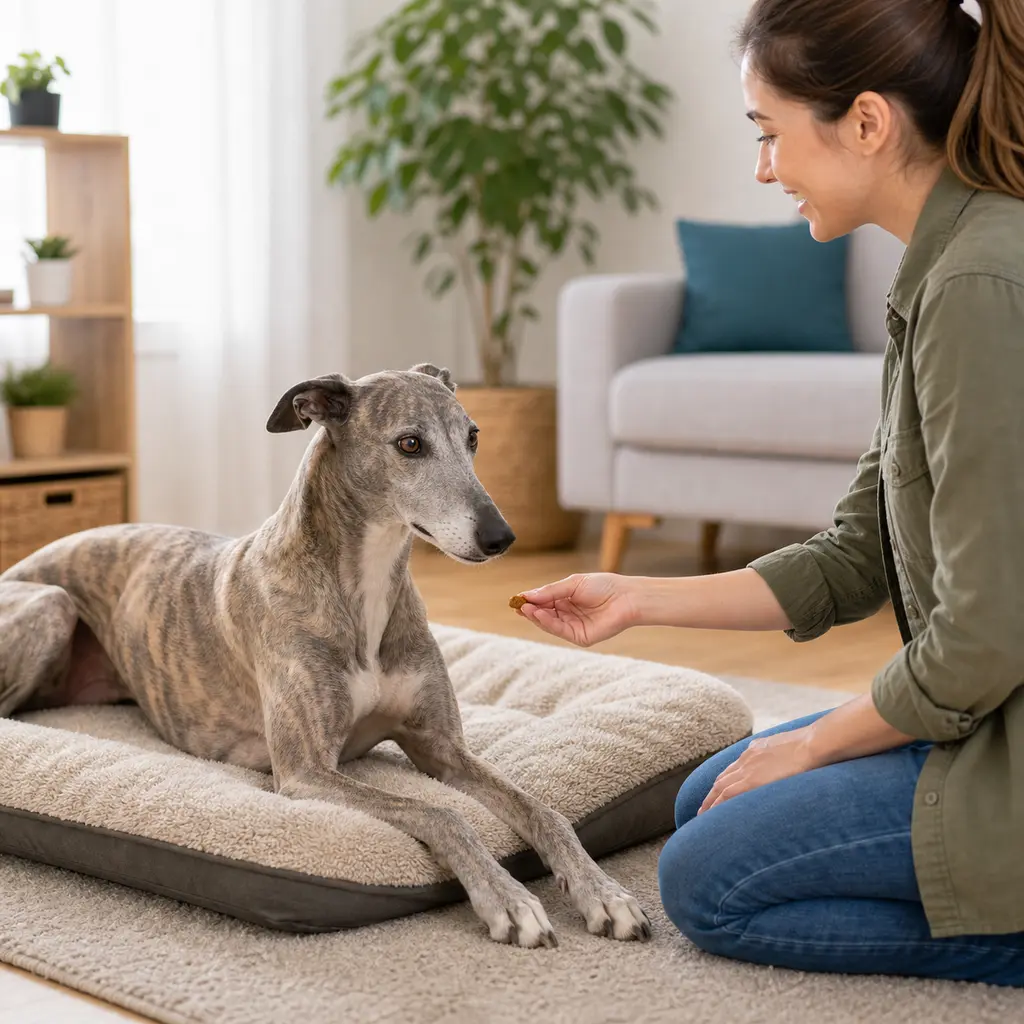
Settle is one of those skills that makes daily life feel better. It helps during work calls, dinner, TV time, hotel rooms, vet lobbies, and evenings when your dog needs help switching off.
The best practice starts before your dog is wild. Catch quiet moments, feed low and slow, and build a habit your dog can use when the house is only mildly interesting.
Great for
- Dogs who pace, pester, or struggle to switch off.
- Puppies learning that calm behavior also gets noticed.
- Homes that want calmer evenings without constant entertainment.
Wait a bit if
- Your dog is anxious, in pain, or unable to rest.
- The environment is too exciting for learning.
- You are expecting a young dog to settle without exercise, bathroom breaks, or enrichment.
Make quiet time clear
Start after basic needs are met
Practice after a bathroom break, a short walk, or a little play. A dog with unmet needs may not be ready to relax.
Reward soft body language
Mark a hip roll, chin down, slow blink, relaxed sigh, or quiet lying down. Feed low between the paws.
Add the cue later
Say settle only after your dog is repeatedly offering the calm behavior. The word should name something they can already do.
Stretch the calm slowly
Wait one extra breath before rewarding. If your dog pops up, return to easier, faster rewards.
Practice during ordinary routines
Try it while you answer email, watch TV, fold laundry, or sit with one calm guest nearby.
Use help when needed
If your dog cannot rest, seems distressed, or suddenly changes behavior, talk with your vet or a qualified trainer.
Little things that help
Keep sessions tiny
Two or three clean minutes usually teach more than a long session where your dog gets tired, grabby, or confused.
Use one cue
Say the word once, then help your dog succeed. Repeating the cue over and over teaches them that the first version does not matter.
Make mistakes easier
If your dog misses twice, lower the distraction, shorten the time, or move closer. The setup should teach the behavior, not expose the failure.
Helpful little extras
Affiliate links: Furball Cove may earn from qualifying purchases at no extra cost to you.
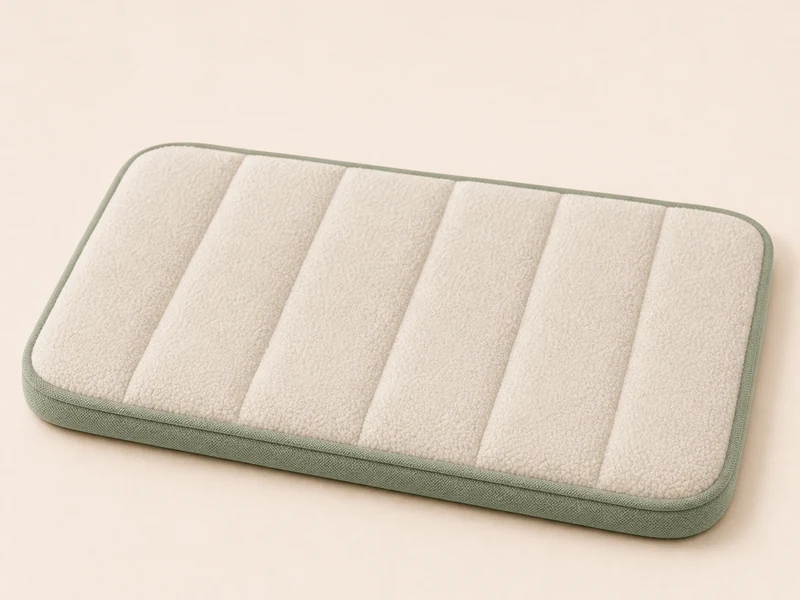
Washable dog mat
A familiar mat gives your dog a clear landing spot for place, settle, visitors, meals, and busy household moments.
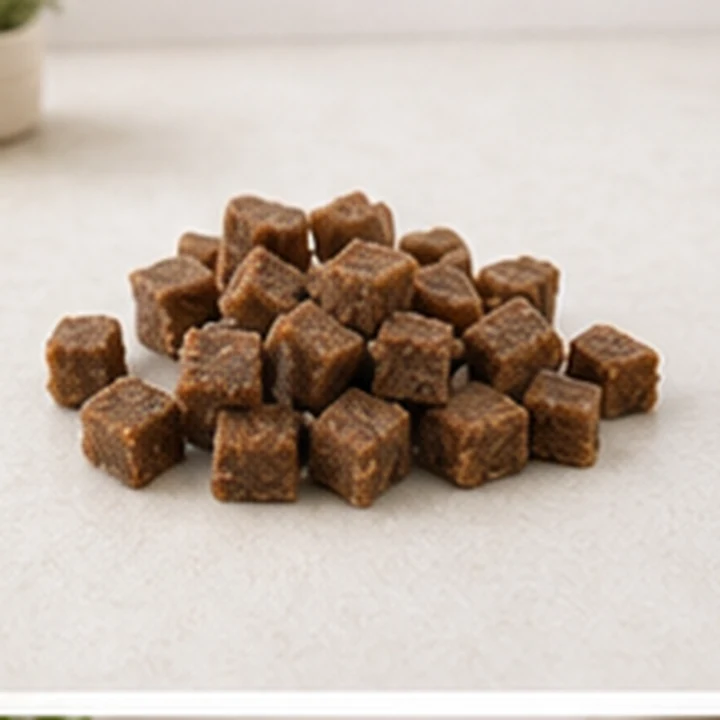
Soft training treats
Tiny soft rewards let you pay the exact moment your dog gets the cue right without slowing the lesson down.
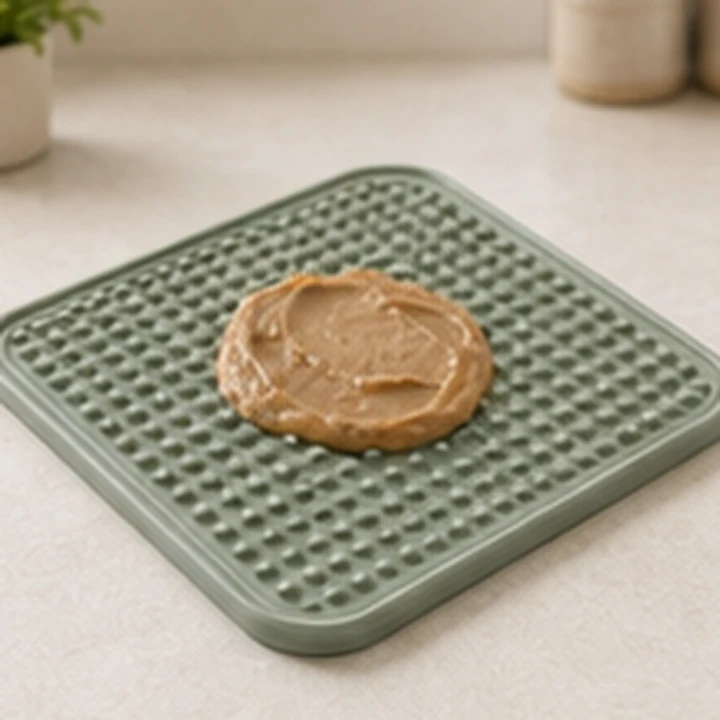
Lick mat
A lick mat can help some dogs come down after practice, especially when the lesson involved visitors, barking, or excitement.
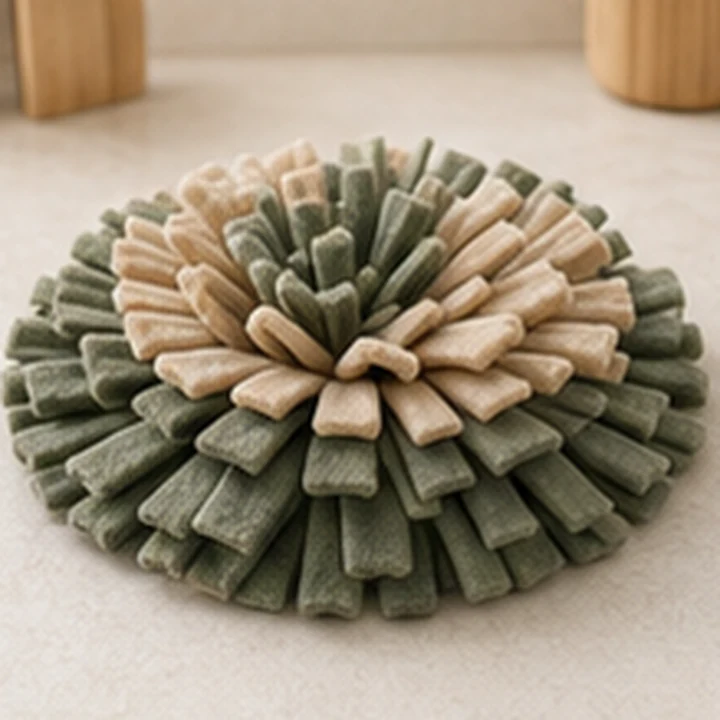
Snuffle mat
A snuffle mat gives busy dogs a quieter food-search outlet after a short training session.
Questions people ask
Is settle the same as down?
Down is a body position. Settle is a calmer emotional and body rhythm that often includes lying down.
What if my dog gets more excited when I reward?
Use smaller treats, slower delivery, and feed low on the mat. You can also reward less often once the behavior is easy.
Can settle help with anxiety?
It can support calmer routines, but anxiety may need a vet, qualified trainer, or veterinary behaviorist.