Updated
Dog training
Teach Your Dog Sit
Sit teaches your dog to put their rear on the floor when asked, then hold that position until you release or move on.
Use it for greetings, leash clipping, food bowls, doors, and quick resets when your dog needs one simple thing to do.
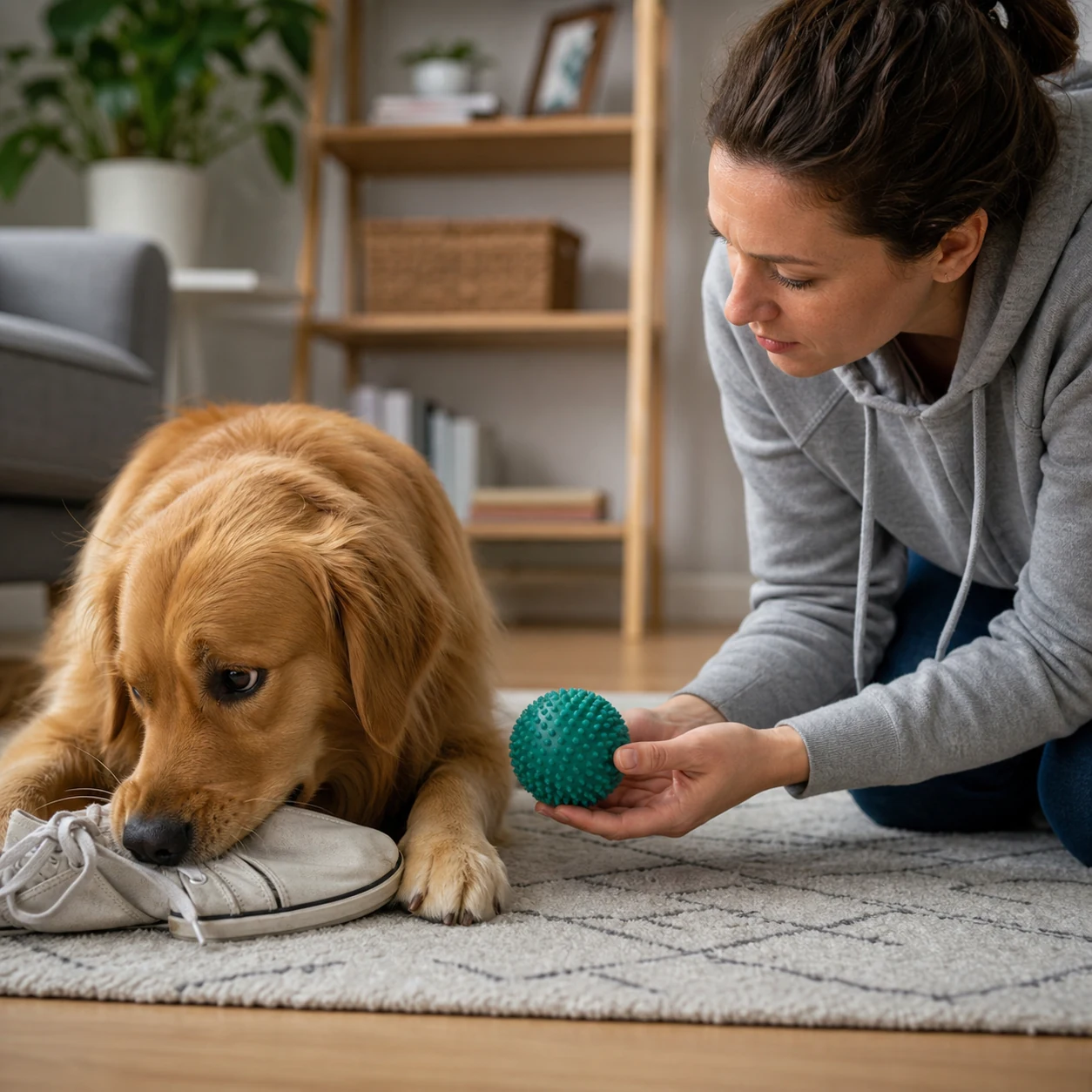
Sit is often the first cue people teach because it gives your dog a clear, calm position that fits into daily life. A clean sit can make clipping a leash, greeting a neighbor, or waiting for a bowl feel less chaotic.
The important part is not forcing your dog into position. Let the treat, timing, and reward show them the choice, then practice in the places where you actually need the cue.
Great for
- Puppies learning their first cue.
- Adult dogs who need a polite default behavior.
- Busy households that need an easy reset before doors, meals, and greetings.
Wait a bit if
- Your dog seems sore, stiff, or uncomfortable sitting.
- Your dog is jumping so hard they cannot notice food or your hand.
- Someone wants to push the dog into position instead of teaching it.
Turn practice into a habit
Start with a treat at the nose
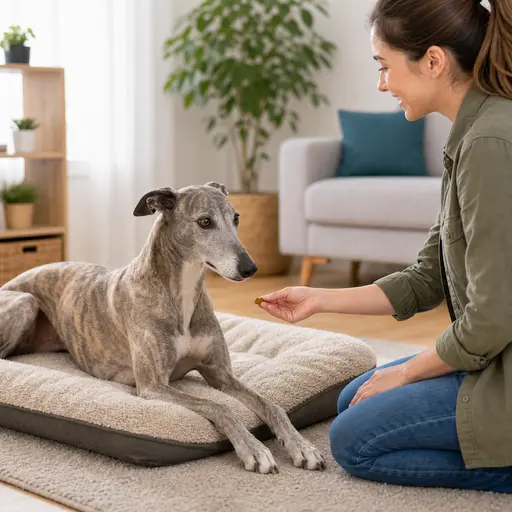
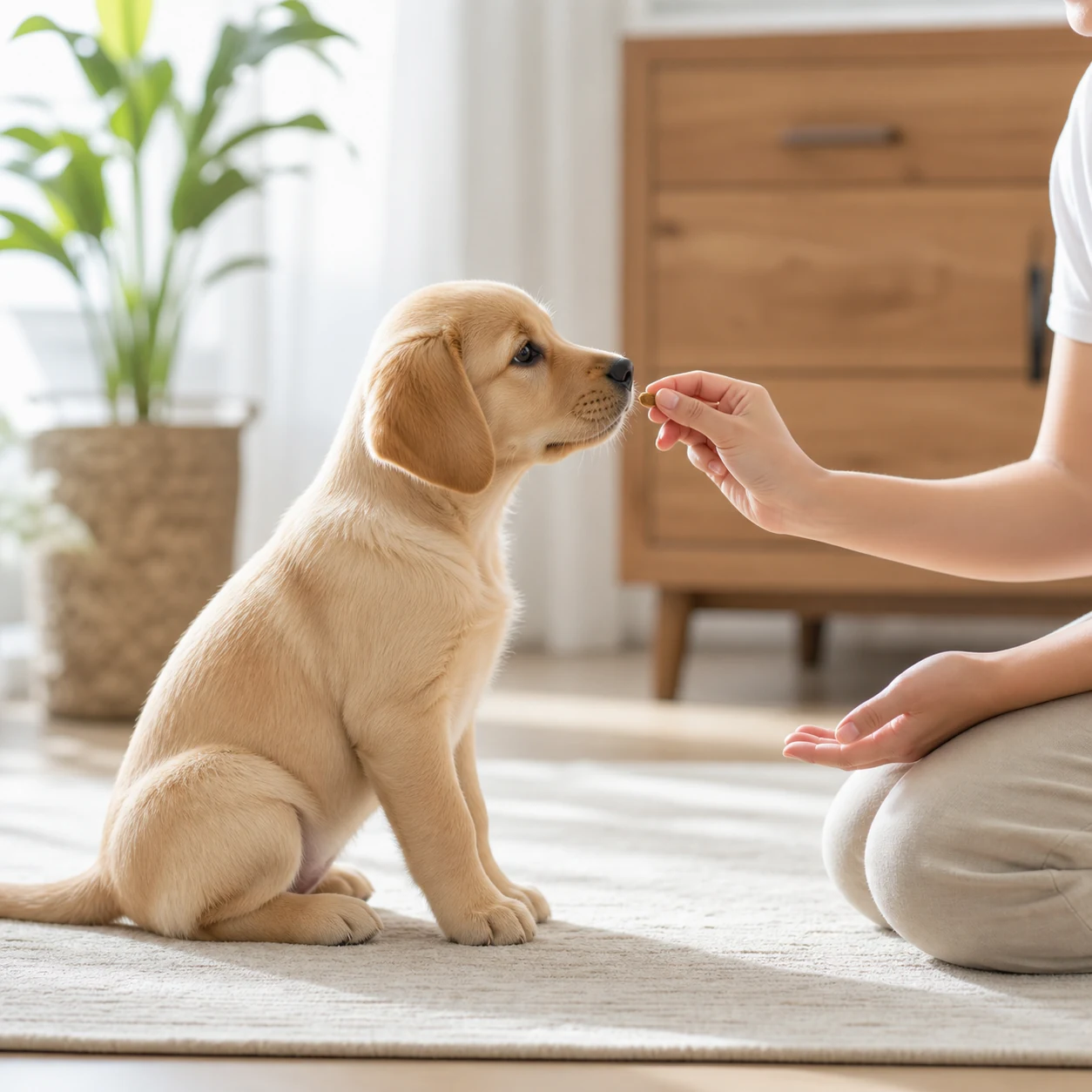
Hold a tiny treat close to your dog's nose, then move it slowly up and slightly back. As the head follows, many dogs naturally lower their rear.
Mark the rear hitting the floor
The instant your dog sits, say yes or click, then feed the treat while they are still sitting. That timing tells them exactly what worked.
Add the word after it is predictable
Once your dog follows the hand motion easily, say sit right before you move the treat. The cue should name a behavior your dog is already discovering.
Fade the food from your hand
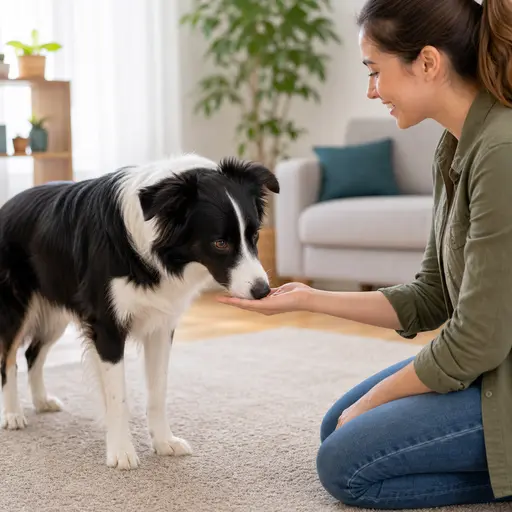
Use the same hand motion without food, then reward from your other hand or pouch. This keeps sit from becoming a treat-in-hand trick.
Teach a release
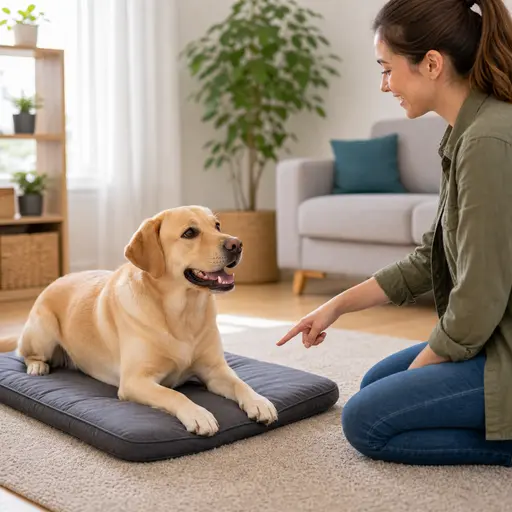
Say okay, free, or all done before your dog moves away. A release word helps your dog understand that sit has a beginning and an end.
Use it in daily routines
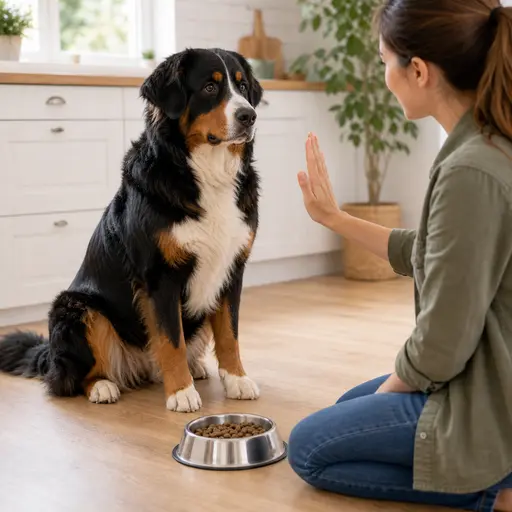
Ask for one easy sit before leashing, opening a door, setting down a bowl, or greeting a calm visitor. Keep the first real-life reps simple.
Little things that help
Keep sessions tiny
Two or three clean minutes usually teach more than a long session where your dog gets tired, grabby, or confused.
Use one cue
Say the word once, then help your dog succeed. Repeating the cue over and over teaches them that the first version does not matter.
Make mistakes easier
If your dog misses twice, lower the distraction, shorten the time, or move closer. The setup should teach the behavior, not expose the failure.
Helpful little extras
Affiliate links: Furball Cove may earn from qualifying purchases at no extra cost to you.
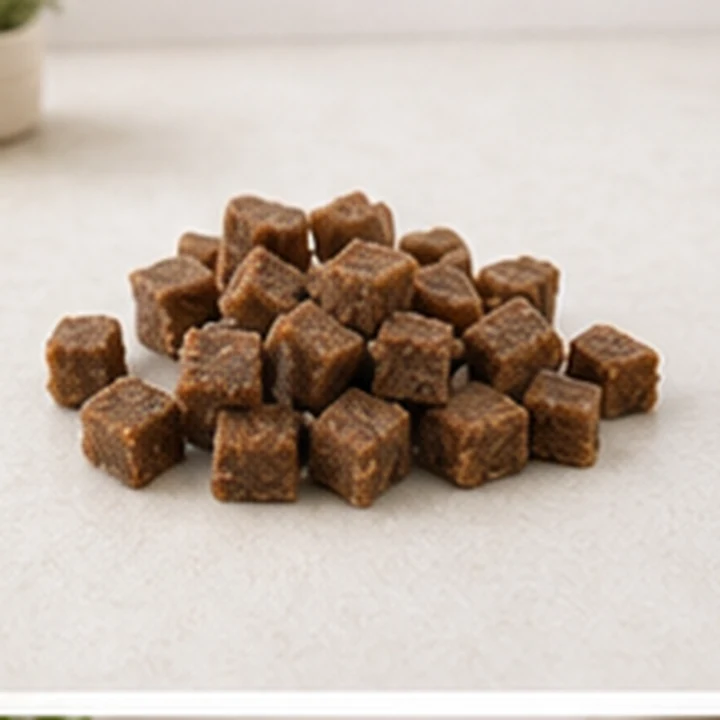
Soft training treats
Tiny soft rewards let you pay the exact moment your dog gets the cue right without slowing the lesson down.
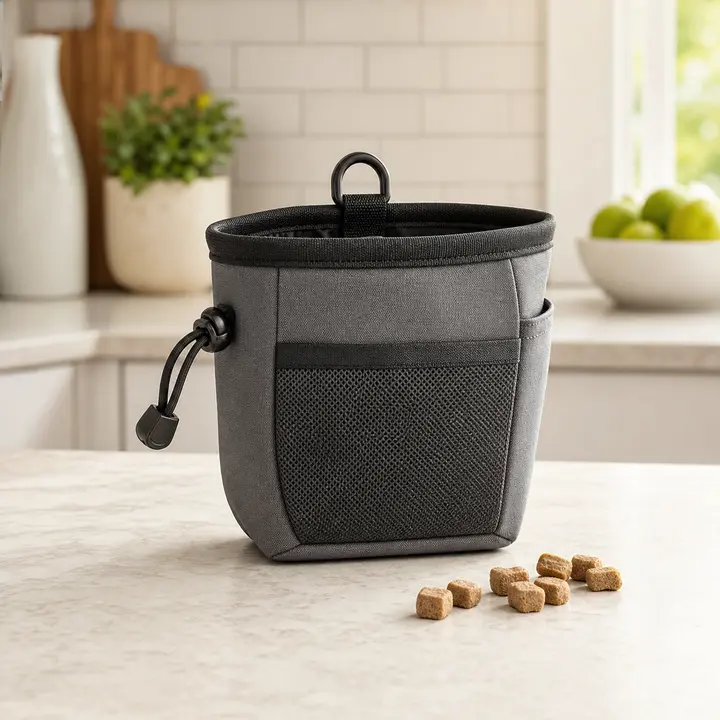
Training treat pouch
A pouch keeps rewards on your body, so you can mark and pay the good choice before the moment disappears.
Training clicker
A clear marker helps your dog understand which tiny movement earned the reward, especially in the first few sessions.
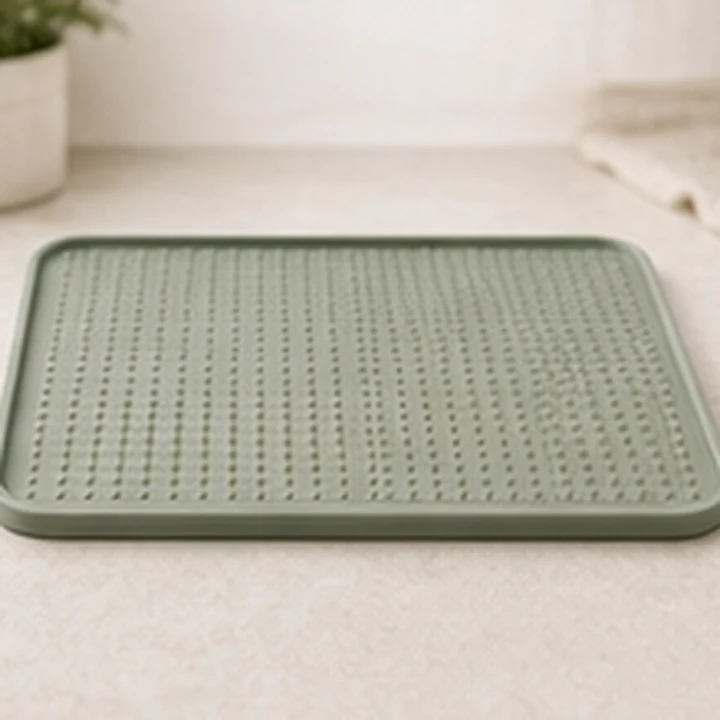
Non-slip training mat
A steady surface helps your dog plant their feet, lie down comfortably, and understand where the practice spot begins.
Questions people ask
Should I push my dog into a sit?
No. Pushing can be uncomfortable and confusing. Use a lure, capture the position, or ask a reward-based trainer for help if your dog cannot sit comfortably.
Why does my dog sit at home but not outside?
Outside is harder. Practice near the door, then the porch, then quiet sidewalks before expecting sit around dogs, traffic, or guests.
How long should my dog hold sit?
Start with one second and a clear release. Build duration slowly after your dog understands the position.