Updated
Dog training
Teach Your Dog Quiet
Quiet teaches your dog that the pause after barking can earn rewards, distance, or another calm activity.
It is not about yelling over the barking. Lower the trigger, catch the silence, and reward before your dog starts again.
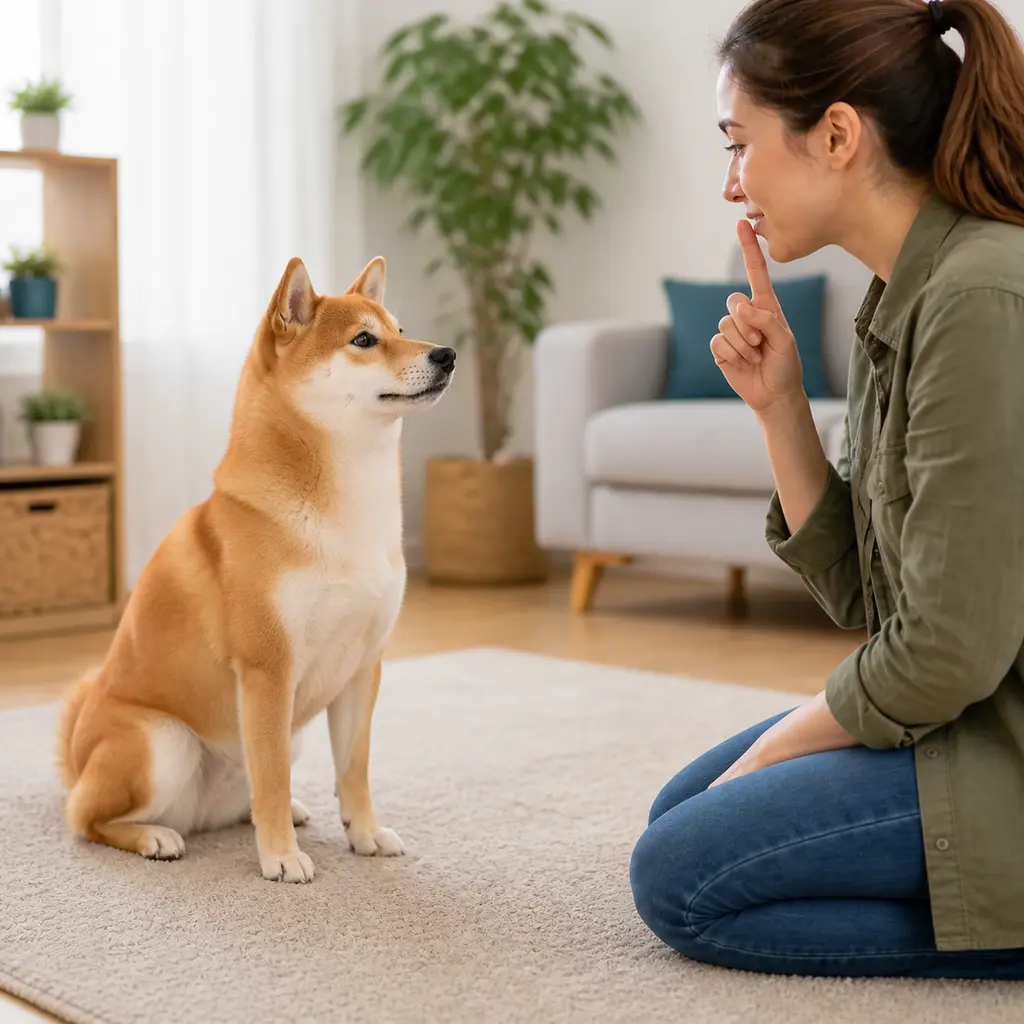
Quiet is most useful when you pair it with management. Curtains, distance, white noise, leashes, gates, and calmer setups often matter as much as the cue.
Reward the pause you want. If your dog is barking from fear, panic, or reactivity, focus on distance and professional help instead of trying to cue through the whole reaction.
Great for
- Dogs who bark briefly at normal household sounds.
- Homes that can reduce window, door, or yard triggers while training.
- People willing to reward silence instead of shouting at noise.
Wait a bit if
- Barking comes with lunging, snapping, panic, or severe distress.
- The dog is left alone to rehearse barking all day.
- The trigger is too close for your dog to eat or think.
Make the lesson easy
Lower the trigger first
Close curtains, move away from the window, lower the volume, or use a leash. Quiet is easier when your dog is not already overwhelmed.
Mark the first pause
Wait for a tiny breath, head turn, or silence after a bark. Mark that pause and feed quickly.
Add the cue softly
When you can predict the pause, say quiet in a calm voice right before it happens. Do not yell the cue.
Reward several quiet seconds
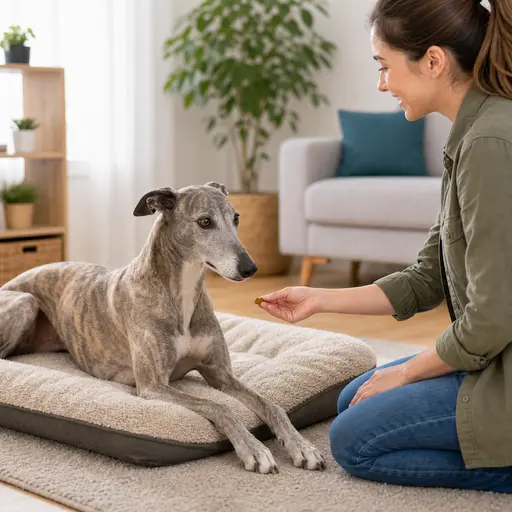
Feed a few small treats while your dog stays quiet, then guide them to a mat, chew, or another easy task.
Practice mild versions
Use low-volume door sounds, quiet hallway noises, or distant movement before expecting quiet during deliveries or guests.
Get help for intense barking
If barking includes panic, lunging, biting, or severe reactivity, work with a qualified trainer or veterinary behaviorist.
Little things that help
Keep sessions tiny
Two or three clean minutes usually teach more than a long session where your dog gets tired, grabby, or confused.
Use one cue
Say the word once, then help your dog succeed. Repeating the cue over and over teaches them that the first version does not matter.
Make mistakes easier
If your dog misses twice, lower the distraction, shorten the time, or move closer. The setup should teach the behavior, not expose the failure.
Helpful little extras
Affiliate links: Furball Cove may earn from qualifying purchases at no extra cost to you.
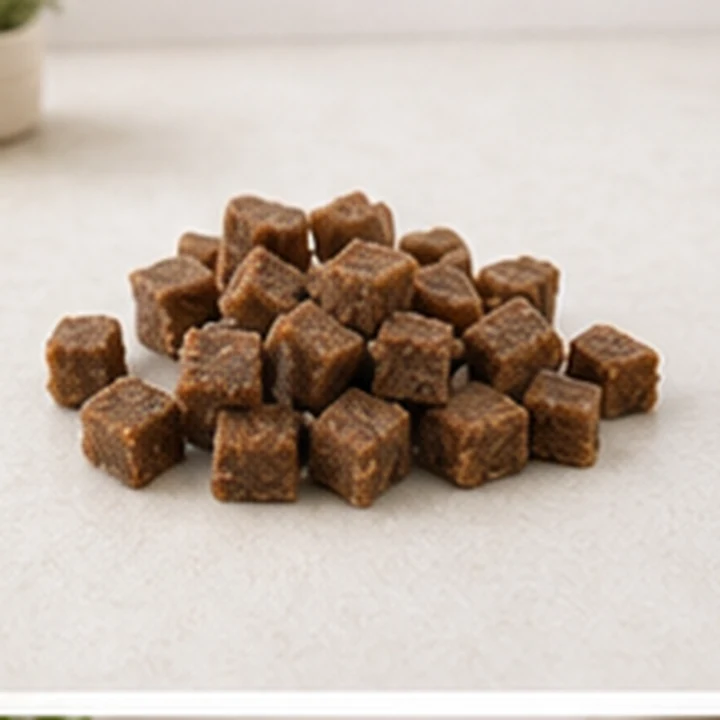
Soft training treats
Tiny soft rewards let you pay the exact moment your dog gets the cue right without slowing the lesson down.
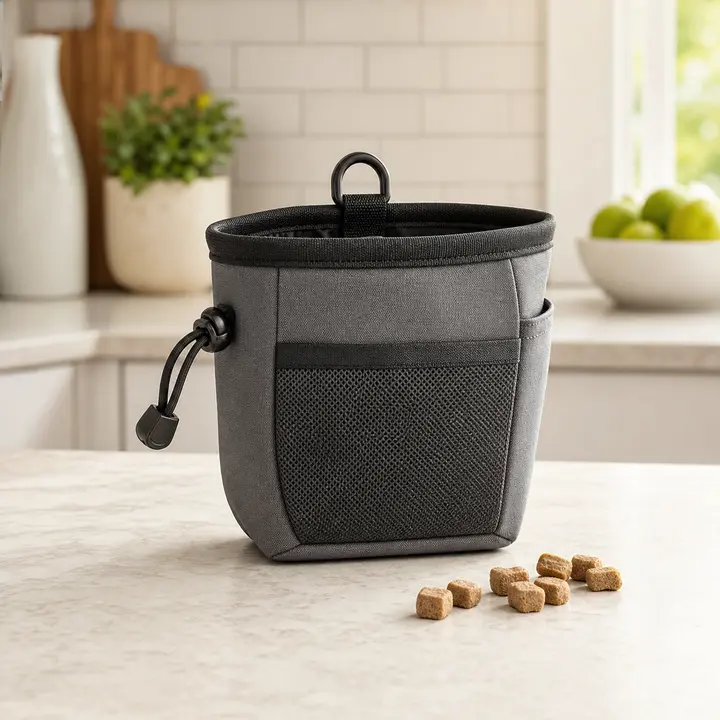
Training treat pouch
A pouch keeps rewards on your body, so you can mark and pay the good choice before the moment disappears.
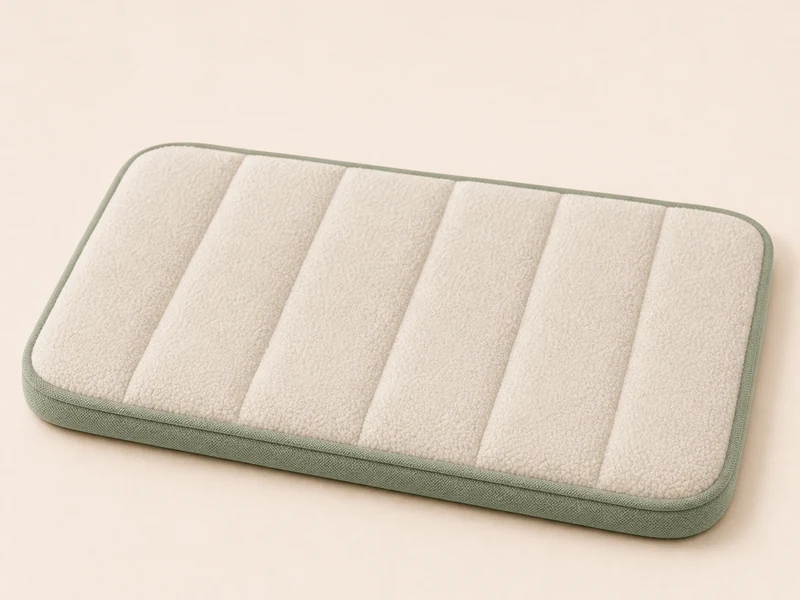
Washable dog mat
A familiar mat gives your dog a clear landing spot for place, settle, visitors, meals, and busy household moments.
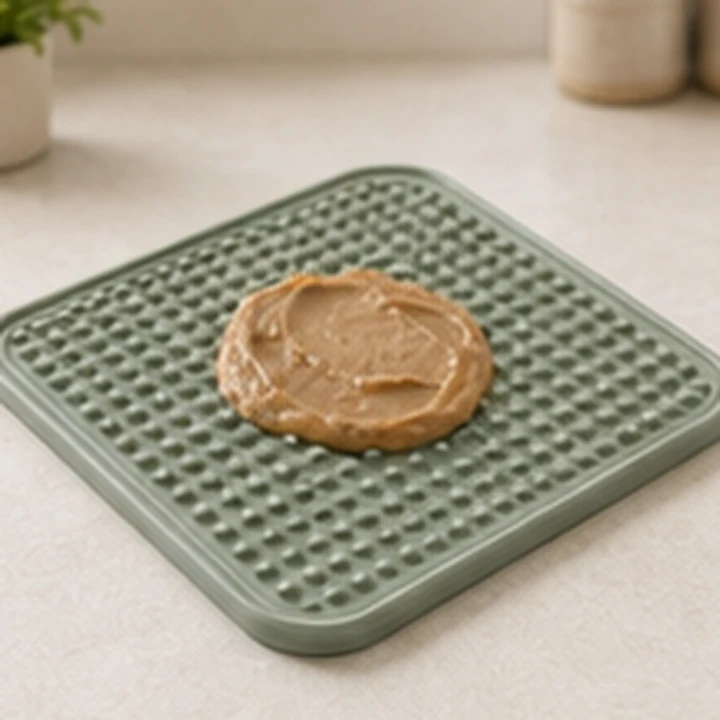
Lick mat
A lick mat can help some dogs come down after practice, especially when the lesson involved visitors, barking, or excitement.
Questions people ask
Should I shout quiet?
No. Shouting often adds more noise and excitement. Use management, wait for a pause, and reward the silence.
What if my dog barks out the window all day?
Block the view, add white noise, and reduce rehearsal. A cue cannot compete with hours of unmanaged practice.
When do I need professional help?
Get help if barking comes with panic, lunging, biting, severe anxiety, or if the problem is getting worse.