

History
Hands may predict bad things.
Updated
Bird guides
A bird that hates hands is usually scared of what hands have done before: grabbing, chasing, forced step-up, wing clipping, medication, cage invasion, or moving too fast. Stop reaching and rebuild trust at the bird's pace.
Hands are huge, fast, and often tied to loss of control. The fix is choice.

Behavior and Noise
A bird that hates hands is usually scared of what hands have done before: grabbing, chasing, forced step-up, wing clipping, medication, cage invasion, or moving too fast. Stop reaching and rebuild trust at the bird's pace.
Rebuild trust without rushing hands.
Use the hub for nearby questions after this answer.
Use supplies after the care plan is clear, not before.
Pick gear that makes the daily routine easier to repeat.
Hands may predict bad things.
Start where the bird stays calm.
Make hands predict good outcomes.
Perches and targets reduce pressure.
Back off before bites.
Approach should be voluntary.
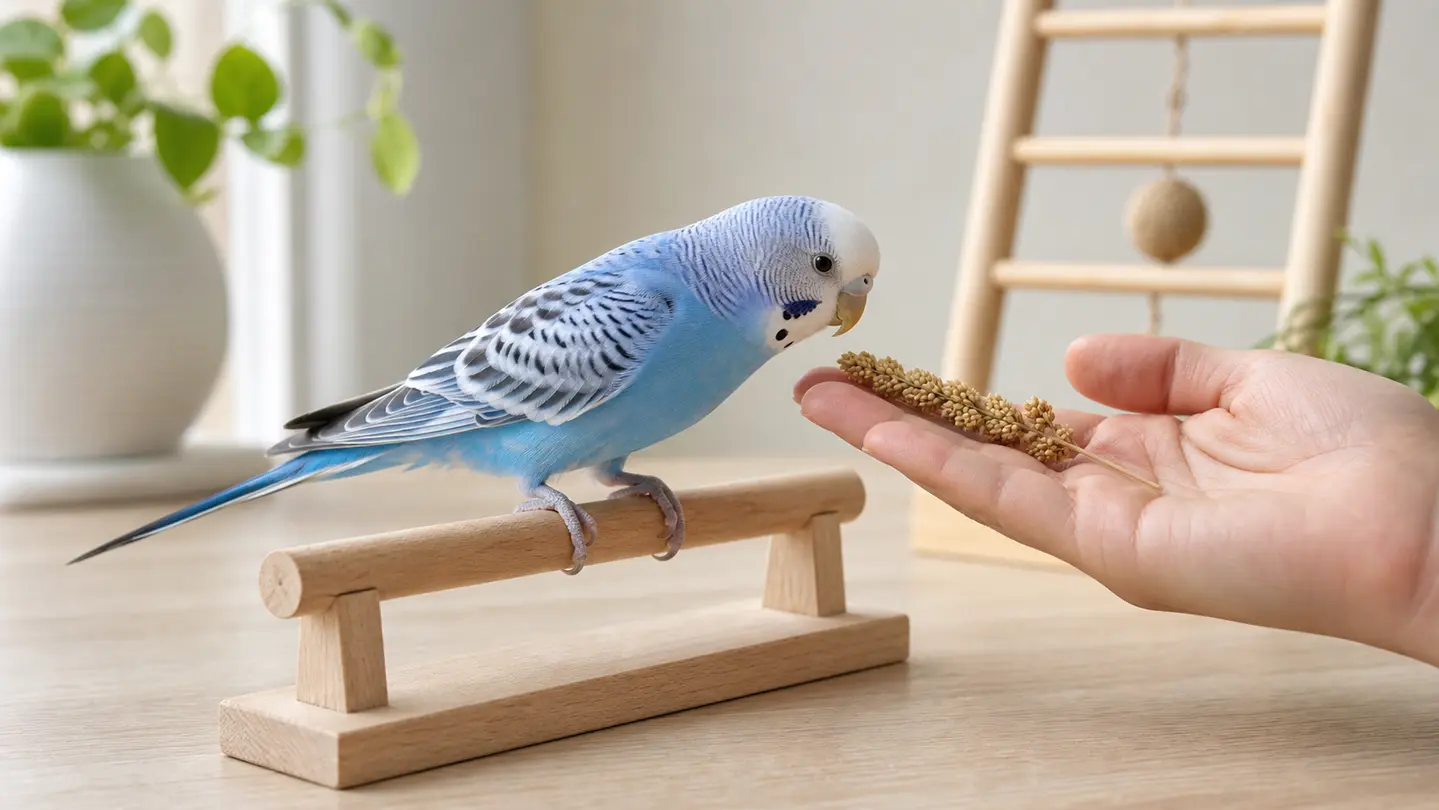
Keep hands lower, slower, and farther away at first. Reward the bird for calm curiosity before asking for contact.
Hands should predict good things: treats placed nearby, target training, open doors, and calm routines, not grabbing or cornering.
A target stick, station perch, or handheld perch can move training forward while hands stop being the scary part.
Leaning away, tight feathers, open beak, hissing, lunging, or fleeing means the request is too much right now.
The bird chooses to come closer because nothing bad happens when it says no.
Not necessarily. Many birds improve when hands stop forcing contact.
Usually no. Gloves can scare birds and reduce bite feedback. Use distance, perches, and training instead.
Yes, but use predictable routines and avoid chasing the bird with your hands.
Use a tiny high-value food the bird already likes and can eat safely.
Use these after the care plan is clear. Match size and materials to the bird you actually keep.
Affiliate links: Furball Cove may earn from qualifying purchases at no extra cost to you.

Gives short trust-building sessions a low, predictable place to happen.

Turns part of the meal into a simple job instead of a full bowl of boredom.

Tracks food, weight, sleep, droppings, behavior, and vet questions in one place.

Keeps transport secure for adoption day, avian-vet visits, and emergencies.