

Updated

Bird guides

Why does my bird regurgitate for me?

Regurgitating for a person is often courtship or bonding behavior, not a cute trick to encourage. Calmly redirect it, reduce hormonal triggers, and call an avian vet if it looks like vomiting or comes with illness signs.

Regurgitation can be normal bird behavior, but the context matters a lot.

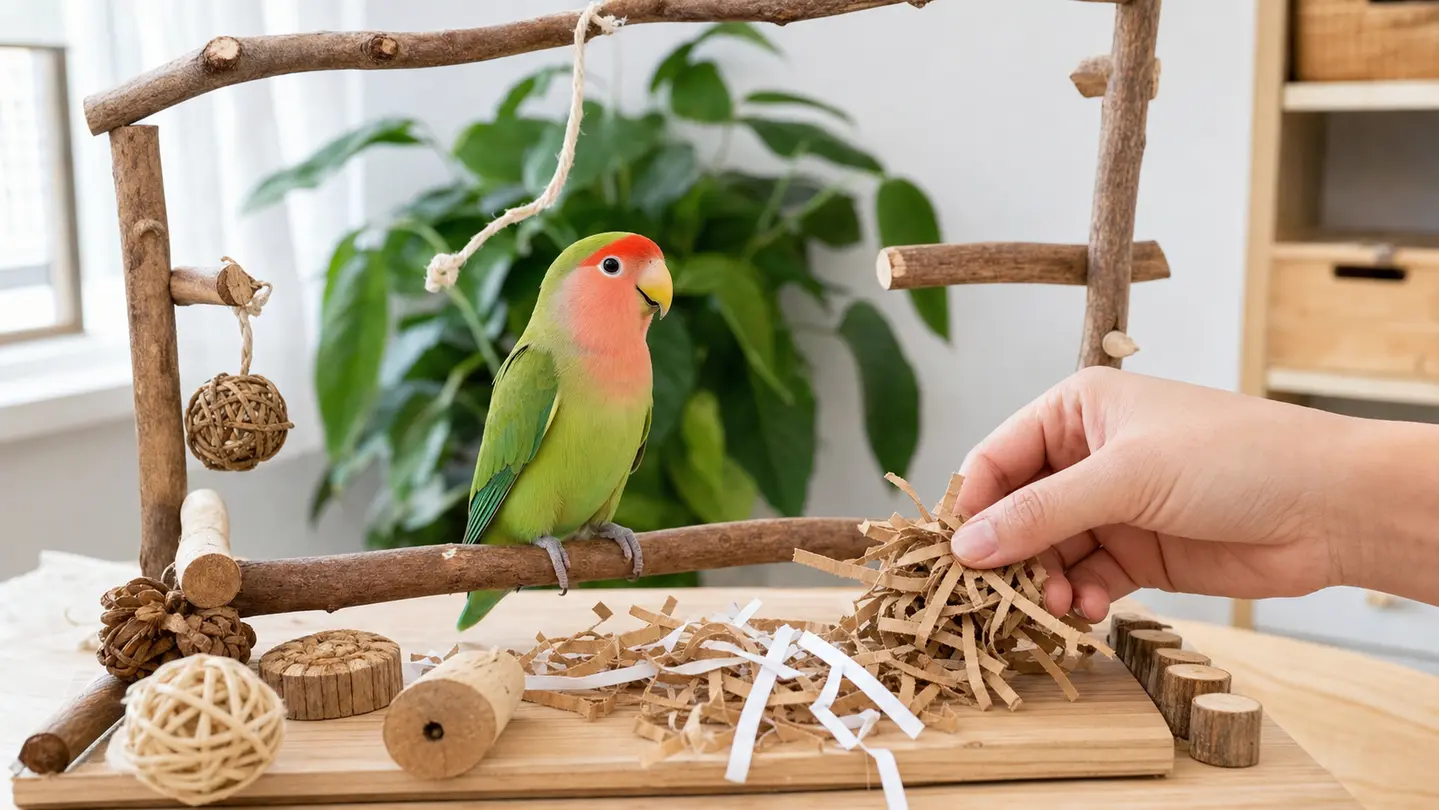
Lovebird on a tabletop play stand with safe shredding and chewing items in a bright room.

Behavior and Noise

Answer first

Regurgitating for a person is often courtship or bonding behavior, not a cute trick to encourage. Calmly redirect it, reduce hormonal triggers, and call an avian vet if it looks like vomiting or comes with illness signs.

What to check before you act

Context

Who or what is the bird courting?

Vomiting

Messy or sick-looking episodes need care.

Triggers

Nests, mirrors, and body petting matter.

Sleep

Poor sleep can worsen hormones.

Redirect

Give the bird a different job.

Attention

Do not make it more rewarding.

01

How to act on this

If the bird pumps food up neatly toward you or a favorite object, it may be treating you like a mate. Do not reward it with excitement, petting, or more access to nesty spaces.

02

Separate it from vomiting

Vomiting is messier and more worrying: head shaking, food sprayed around, weakness, fluffed posture, appetite change, or repeated episodes need avian-vet advice.

03

Lower hormonal pressure

Avoid petting the back, wings, or tail, remove huts and nest cavities, protect sleep, limit rich warm foods, and keep routines calm.

04

Redirect without drama

Pause the interaction, ask for a simple station or target behavior, offer foraging, and keep attention low-key until the bird settles.

05

Best response

Treat repeated regurgitation as a management signal, not as affection to amplify.

Before you decide

  • Is the bird aiming food toward you, a toy, or a mirror?
  • Is food being sprayed around like vomiting?
  • Are there nesty spaces, huts, mirrors, or hormonal triggers nearby?
  • Is the bird also fluffed, quiet, losing weight, or eating less?
  • Do you accidentally reward it with attention or petting?

Next best moves

  • Stay calm and redirect to a station, toy, or foraging task.
  • Remove nesty objects and stop body petting that encourages mating behavior.
  • Call an avian vet if the episode looks like vomiting or the bird acts unwell.

Common questions

Is regurgitation a sign my bird loves me?

It can be a pair-bond or courtship behavior, but encouraging it can create hormone and behavior problems.

How is vomiting different?

Vomiting often looks forceful or messy, may spray food, and can come with weakness, fluffed posture, or appetite changes.

Should I punish regurgitation?

No. Quietly change the context and reduce triggers.

Can mirrors cause this?

Yes. Some birds court mirrors, toys, people, or cage spots and may regurgitate for them.

Useful setup pieces

Use these after the care plan is clear. Match size and materials to the bird you actually keep.

Affiliate links: Furball Cove may earn from qualifying purchases at no extra cost to you.

Bird foraging tray with covered cups, pellets, greens, and a curious budgie beside the puzzle.

Foraging toy

Turns part of the meal into a simple job instead of a full bowl of boredom.

Tabletop bird training perch with a cockatiel standing on the perch beside small training treats.

Training perch

Gives short trust-building sessions a low, predictable place to happen.

Open blank bird care notebook with pencil, small supplies, and a cockatiel on a tabletop stand.

Care notebook

Tracks food, weight, sleep, droppings, behavior, and vet questions in one place.

Bird-safe chew toys made from natural wood, paper, vine, and vegetable-dyed pieces with a lovebird nearby.

Safe chew toys

Plain bird-safe chewing work gives busy beaks something useful to do.

References