

Noise
Small does not mean silent.
Updated
Bird guides
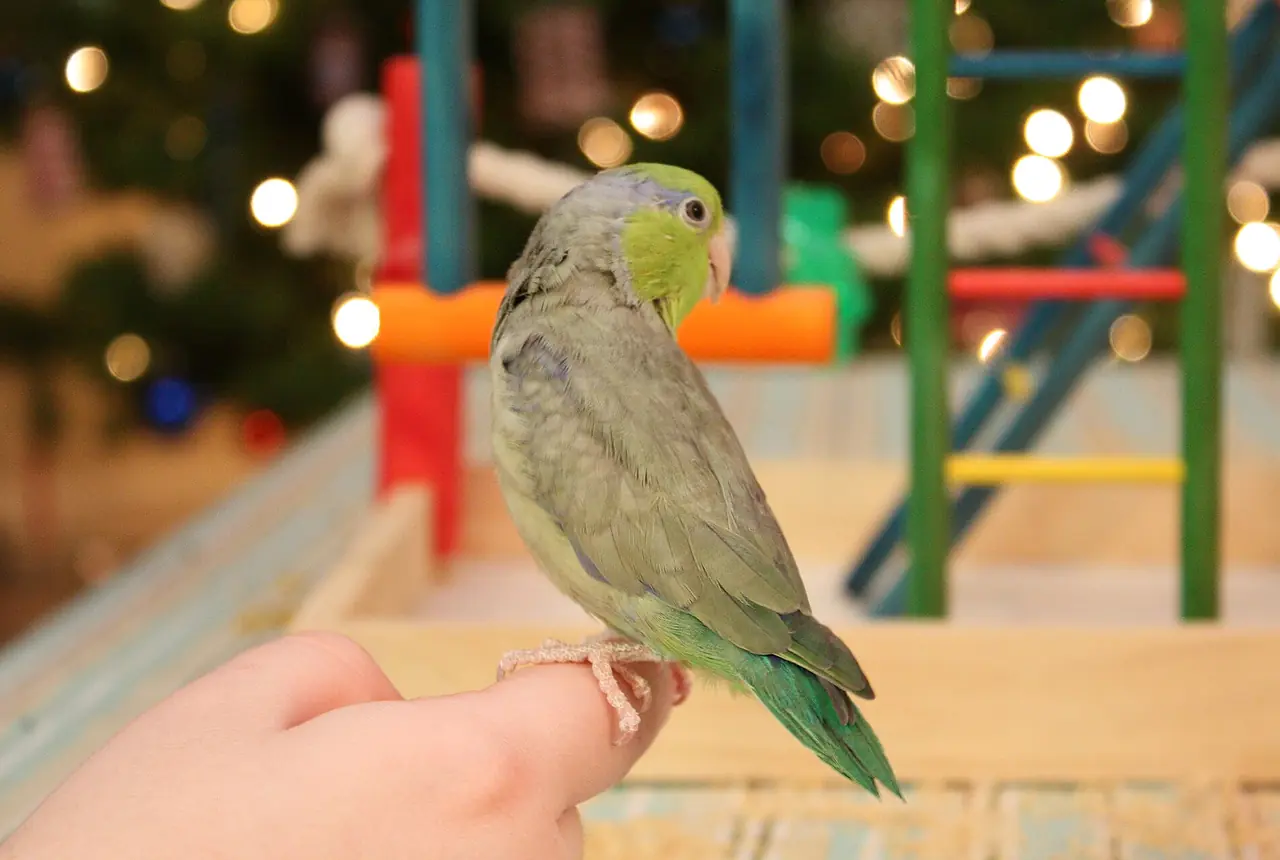
Parrotlets can work in some apartments, but they are not automatically quiet or easy. They are tiny parrots with bold attitudes, fast movement, sharp beaks, and real daily social needs. They fit best when the apartment can handle chatter, training, safe out time, and a cage that is bigger than their body suggests.
Small size helps with space, but it does not remove noise, biting, enrichment, or safety needs.

Conure and Parrot Questions
Parrotlets can work in some apartments, but they are not automatically quiet or easy. They are tiny parrots with bold attitudes, fast movement, sharp beaks, and real daily social needs. They fit best when the apartment can handle chatter, training, safe out time, and a cage that is bigger than their body suggests.
Compare parrotlet sound, attitude, space, and handling.
Use the hub for nearby questions after this answer.
Use supplies after the care plan is clear, not before.
Pick gear that makes the daily routine easier to repeat.
Small does not mean silent.
Pushed parrotlets can bite quickly.
Cage size still matters.
Tiny escape risks are everywhere.
Daily attention and training are needed.
Shared walls change the answer.
A parrotlet is apartment-possible, not apartment-proof. The real test is neighbor tolerance, daily routine, and whether you can keep a very small bird safe outside the cage.
Parrotlets can be confident, territorial, and quick to bite when pushed. Use choice-based handling, short training sessions, and clear cage routines.
Use small-safe bar spacing, secure doors, varied perches, foraging, and supervised out time. Tiny birds still need room to move.
Gaps, doors, fans, kitchens, cords, windows, and larger pets are serious risks for a bird this small and fast.
Choose a parrotlet only if you can manage sound, safety, training, and daily attention without assuming size makes care easy.
They are quieter than many larger parrots, but they still chatter, call, and can be sharp-sounding in close spaces.
Some enjoy close interaction, but many are independent and bold. Respect body language and do not force handling.
Yes. Their beaks are small but serious, especially when a bird is scared, territorial, or overstimulated.
They need more space than their size suggests, with safe bar spacing and room to climb, flap, forage, and play.
Use these after the care plan is clear. Match size and materials to the bird you actually keep.
Affiliate links: Furball Cove may earn from qualifying purchases at no extra cost to you.

Start with safe space, ventilation, bar spacing, and room for natural perches.

Turns part of the meal into a simple job instead of a full bowl of boredom.

Gives short trust-building sessions a low, predictable place to happen.

Keeps transport secure for adoption day, avian-vet visits, and emergencies.