

Updated

Bird guides

Do Indian ringnecks like being held?

Many Indian ringnecks do not enjoy being held or cuddled the way people expect. A well-socialized ringneck may step up, train, talk, and interact, but forced holding often damages trust.

Ringnecks can be social without being hands-on cuddly.

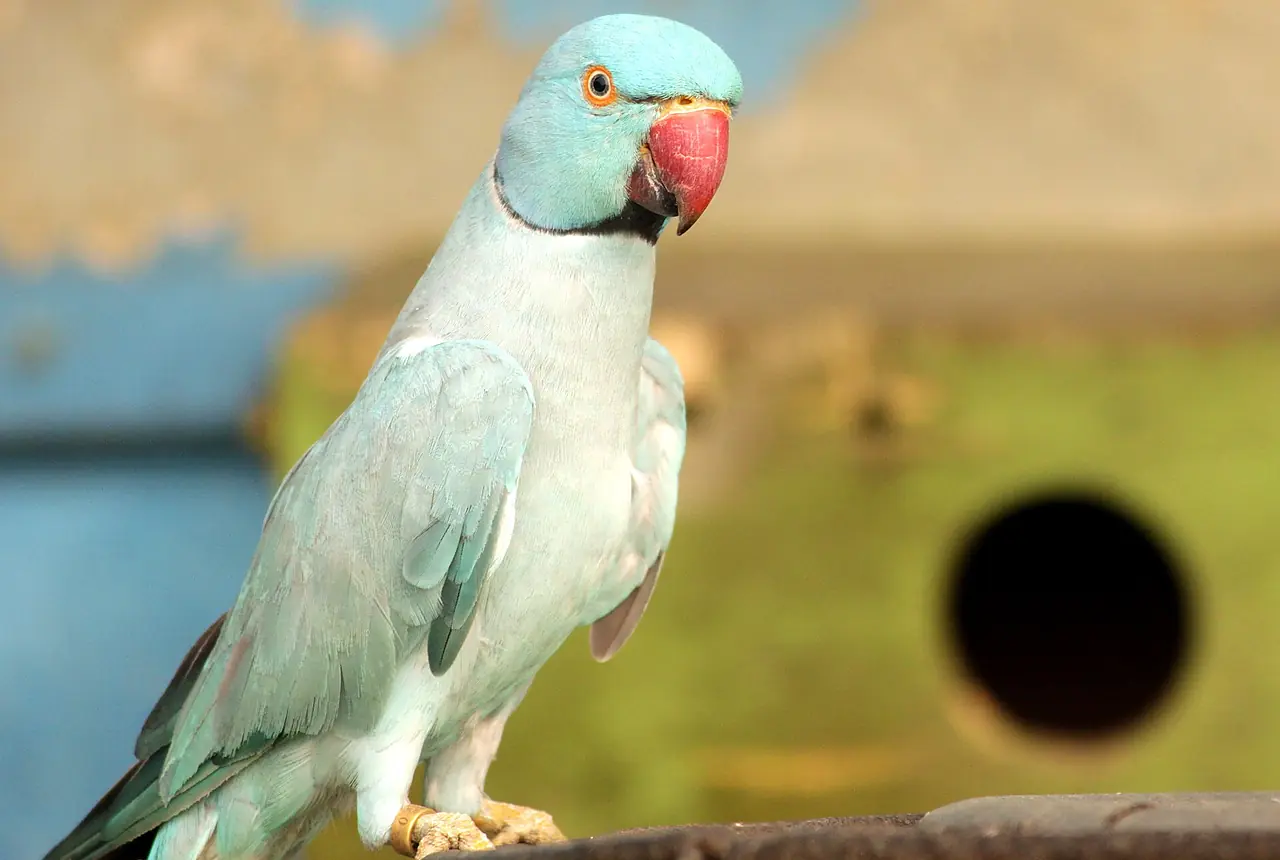
Indian Ringnecks care guide photo for companion bird housing, diet, and handling planning.

Conure and Parrot Questions

Answer first

Many Indian ringnecks do not enjoy being held or cuddled the way people expect. A well-socialized ringneck may step up, train, talk, and interact, but forced holding often damages trust.

What to check before you act

Cuddling

Do not expect it.

Choice

Interaction should be voluntary.

Training

Use rewards and stations.

Pressure

Forced holding backfires.

Youth

Nippy stages can happen.

Fit

Choose for personality, not fantasy.

01

How to act on this

Plan for a bird that may prefer training, talking, shoulder-free interaction, and nearby companionship over being held.

02

Respect independence

Indian ringnecks are often intelligent, observant, and sensitive to pressure. They may step away when hands become too much.

03

Train handling as a skill

Use target training, step-up, stationing, and rewards instead of grabbing or towel-style restraint for normal interaction.

04

Watch bluffing and fear

Young ringnecks may go through nippy stages, and pushed birds may learn to avoid or bite hands.

05

Best relationship

A ringneck that chooses interaction is better than one that tolerates forced handling.

Before you decide

  • Are you expecting cuddling or companionship?
  • Does the bird choose to step up?
  • Do hands make the bird lean away?
  • Are sessions short and reward-based?
  • Can you enjoy a less cuddly bird?

Next best moves

  • Use training and routine as the relationship base.
  • Avoid forcing petting, restraint, or cuddling.
  • Choose a different species if hands-on cuddling is the main goal.

Common questions

Are Indian ringnecks affectionate?

Some are very interactive, but affection may look like talking, training, and choosing to be nearby.

Do ringnecks like petting?

Many prefer limited touch. Head scratches may be accepted by some, but body petting should be avoided.

What is bluffing?

Young ringnecks may test with lunging or nipping. Calm training and boundaries help.

Can a ringneck become hand-tame?

Yes, with patient choice-based training, but hand-tame does not always mean cuddly.

Useful setup pieces

Use these after the care plan is clear. Match size and materials to the bird you actually keep.

Affiliate links: Furball Cove may earn from qualifying purchases at no extra cost to you.

Tabletop bird training perch with a cockatiel standing on the perch beside small training treats.

Training perch

Gives short trust-building sessions a low, predictable place to happen.

Bird foraging tray with covered cups, pellets, greens, and a curious budgie beside the puzzle.

Foraging toy

Turns part of the meal into a simple job instead of a full bowl of boredom.

Open blank bird care notebook with pencil, small supplies, and a cockatiel on a tabletop stand.

Care notebook

Tracks food, weight, sleep, droppings, behavior, and vet questions in one place.

Hard-sided bird carrier with towel liner, stainless bowl, and a cockatiel calmly beside the open carrier.

Hard-sided bird carrier

Keeps transport secure for adoption day, avian-vet visits, and emergencies.

References