

Updated

Bird guides

Why does my conure bite?

A conure bite usually means the bird is scared, overstimulated, guarding something, hormonal, in pain, or being handled past its limit. Conures are expressive and beaky, so training needs clear boundaries and early warnings.

A conure bite is feedback. The useful question is what happened right before it.

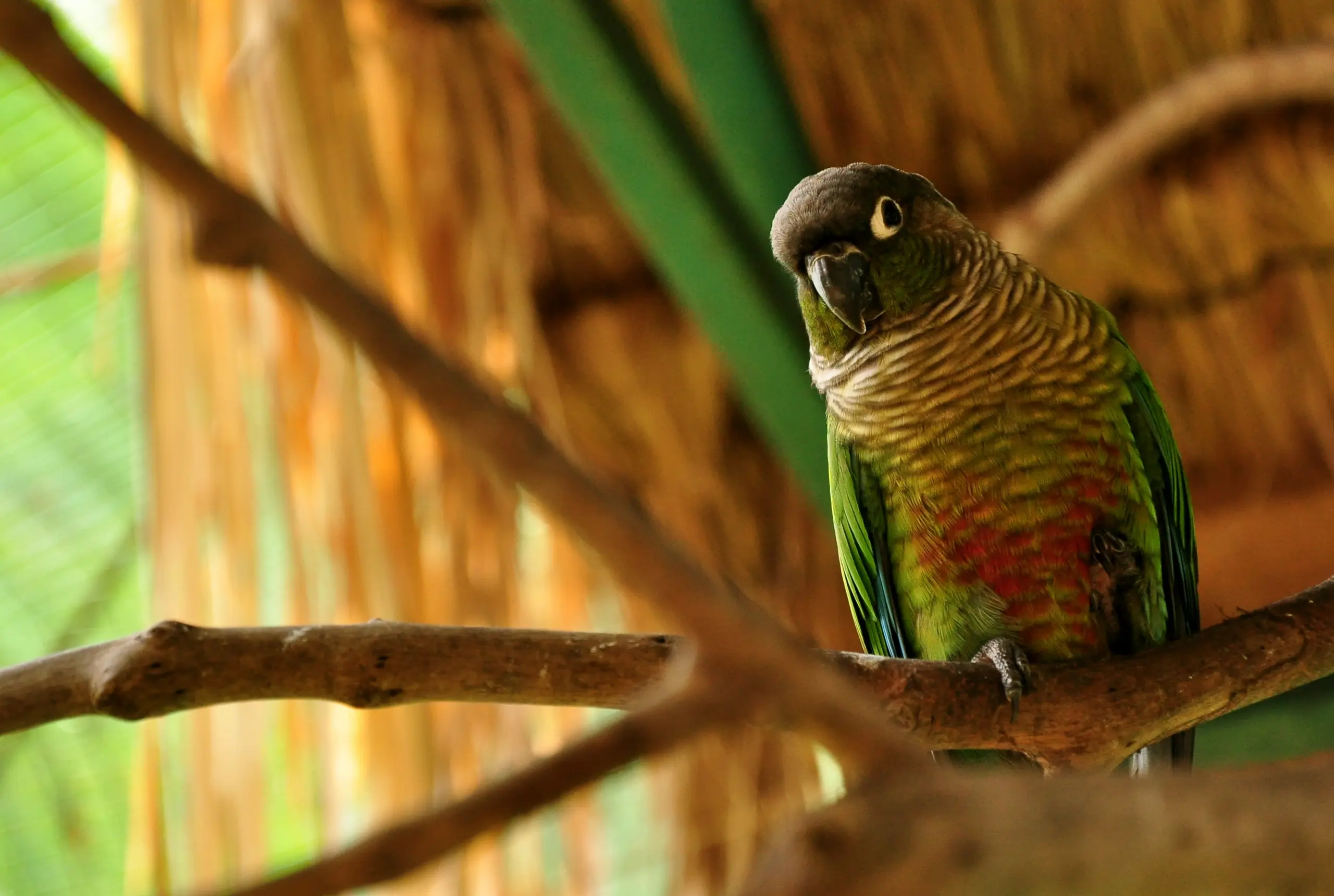
Green-cheeked Conures care guide photo for conure housing, diet, and handling planning.

Conure and Parrot Questions

Answer first

A conure bite usually means the bird is scared, overstimulated, guarding something, hormonal, in pain, or being handled past its limit. Conures are expressive and beaky, so training needs clear boundaries and early warnings.

What to check before you act

Trigger

Find the moment before.

Arousal

Excitement can tip into nips.

Shoulders

Face access raises risk.

Cage

Territory can matter.

Training

Teach station and step-down.

Health

Sudden changes need care.

01

How to act on this

Stop the interaction and identify the trigger: hands, cage, shoulder, food, toy, person, noise, hormones, or too much excitement.

02

Watch arousal

Conures can go from playful to nippy quickly. Fast play, shoulder access, and rough handling can push them over threshold.

03

Train alternatives

Use stationing, target training, step-up practice, and calm treat rewards so the bird has other ways to cooperate.

04

Check health and hormones

Sudden biting, touch sensitivity, nest guarding, or appetite changes should not be dismissed as attitude.

05

Best fix

Lower the pressure before the bite, then reward the behavior you want instead.

Before you decide

  • What happened right before the bite?
  • Was the conure on a shoulder or in the cage?
  • Was play getting too intense?
  • Is the bird guarding a person, toy, or space?
  • Did biting start suddenly with health signs?

Next best moves

  • Use a training perch and station before shoulder privileges.
  • End play before the conure gets wound up.
  • Call an avian vet about sudden biting or pain signs.

Common questions

Are conures naturally bitey?

Many are beaky and expressive, but repeated biting usually has triggers you can change.

Should I punish a bite?

No. Punishment often increases fear or excitement.

Why does my conure bite my ears?

Shoulder access gives direct access to ears and faces. Remove shoulder privileges until step-down is reliable.

Can a conure bite improve?

Often yes, with better body-language reading, sleep, enrichment, and training.

Useful setup pieces

Use these after the care plan is clear. Match size and materials to the bird you actually keep.

Affiliate links: Furball Cove may earn from qualifying purchases at no extra cost to you.

Tabletop bird training perch with a cockatiel standing on the perch beside small training treats.

Training perch

Gives short trust-building sessions a low, predictable place to happen.

Bird foraging tray with covered cups, pellets, greens, and a curious budgie beside the puzzle.

Foraging toy

Turns part of the meal into a simple job instead of a full bowl of boredom.

Open blank bird care notebook with pencil, small supplies, and a cockatiel on a tabletop stand.

Care notebook

Tracks food, weight, sleep, droppings, behavior, and vet questions in one place.

Hard-sided bird carrier with towel liner, stainless bowl, and a cockatiel calmly beside the open carrier.

Hard-sided bird carrier

Keeps transport secure for adoption day, avian-vet visits, and emergencies.

References