

Safety
Set up the cage first.
Updated
Bird guides
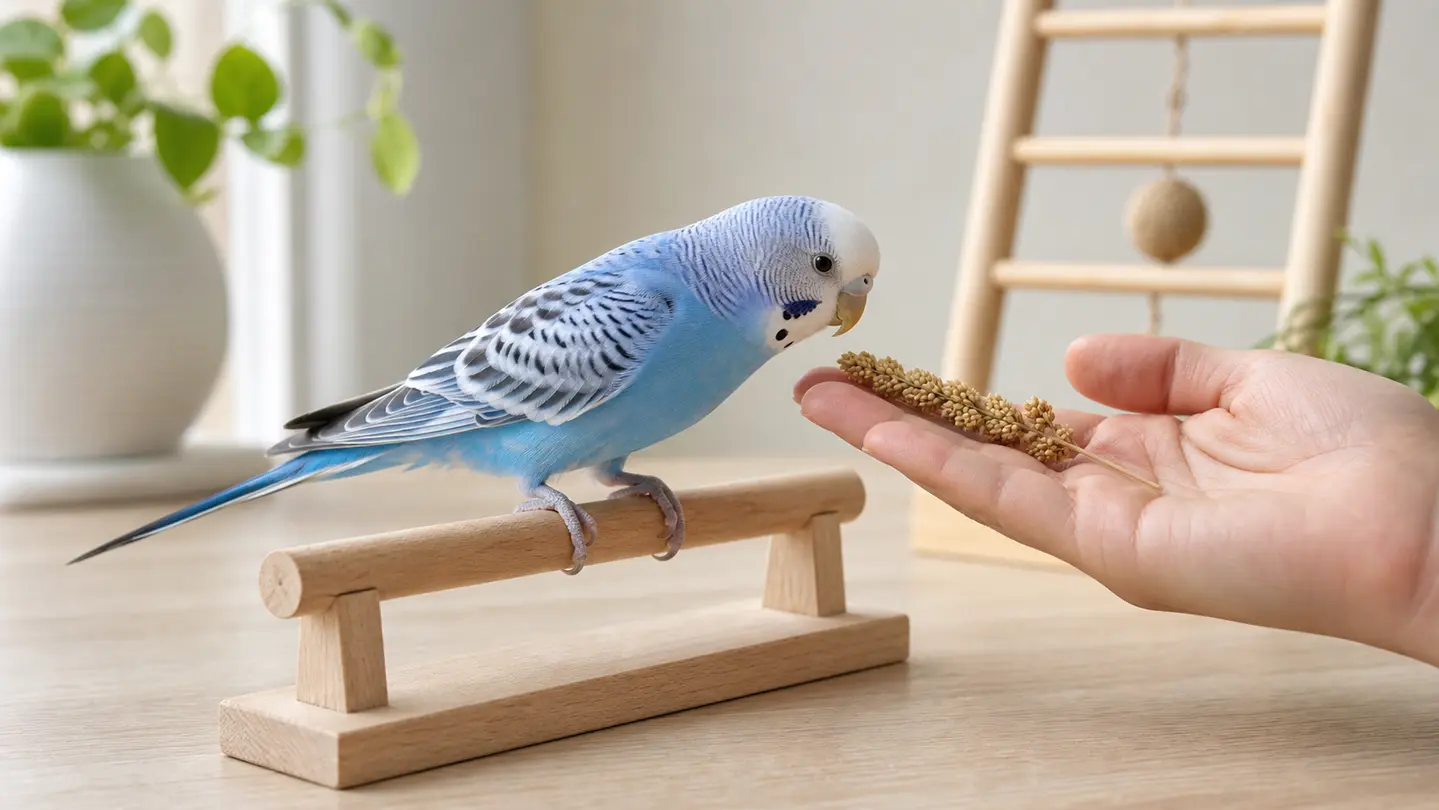
Tame a new bird by first becoming predictable and safe. Set up the cage, keep routines calm, offer treats at the bird's comfort distance, and let the bird choose small steps toward you before asking for hands.
The first goal is not touching the bird. The first goal is trust.

Handling and Training
Tame a new bird by first becoming predictable and safe. Set up the cage, keep routines calm, offer treats at the bird's comfort distance, and let the bird choose small steps toward you before asking for hands.
Build trust through choice and routine.
Use the hub for nearby questions after this answer.
Use supplies after the care plan is clear, not before.
Pick gear that makes the daily routine easier to repeat.
Set up the cage first.
Start where the bird is calm.
Predictability builds trust.
Reward tiny choices.
Do not rush contact.
End before stress spikes.
Spend the first days moving calmly, changing food and water gently, and letting the bird watch you without pressure.
Start where the bird can eat, preen, or watch without panic. Toss or place treats before asking the bird to come closer.
Same greeting, same feeding rhythm, short visits, and quiet exits help the bird learn what to expect.
Targeting, stationing, and step-up come after the bird is relaxed enough to learn. Short sessions beat long tests.
The bird stays relaxed and chooses to interact again tomorrow.
It depends on the bird, history, species, and consistency. Think days to months, not one weekend.
Only if it is safe and the bird is ready. Many new birds need cage security first.
Start farther away, offer through routine, and give the bird time to settle.
Often yes, but trust may build more slowly if the bird has a fearful history.
Use these after the care plan is clear. Match size and materials to the bird you actually keep.
Affiliate links: Furball Cove may earn from qualifying purchases at no extra cost to you.

Gives short trust-building sessions a low, predictable place to happen.

Tracks food, weight, sleep, droppings, behavior, and vet questions in one place.

Turns part of the meal into a simple job instead of a full bowl of boredom.

Keeps transport secure for adoption day, avian-vet visits, and emergencies.