

Updated

Bird guides

When should I call an avian vet?

Call an avian vet urgently for breathing trouble, bleeding, injury, not eating, weakness, collapse, seizures, possible toxin or fume exposure, egg-binding signs, severe diarrhea, vomiting, burns, or a bird that is sitting fluffed and quiet.

Bird emergencies move fast. A phone call is not overreacting.

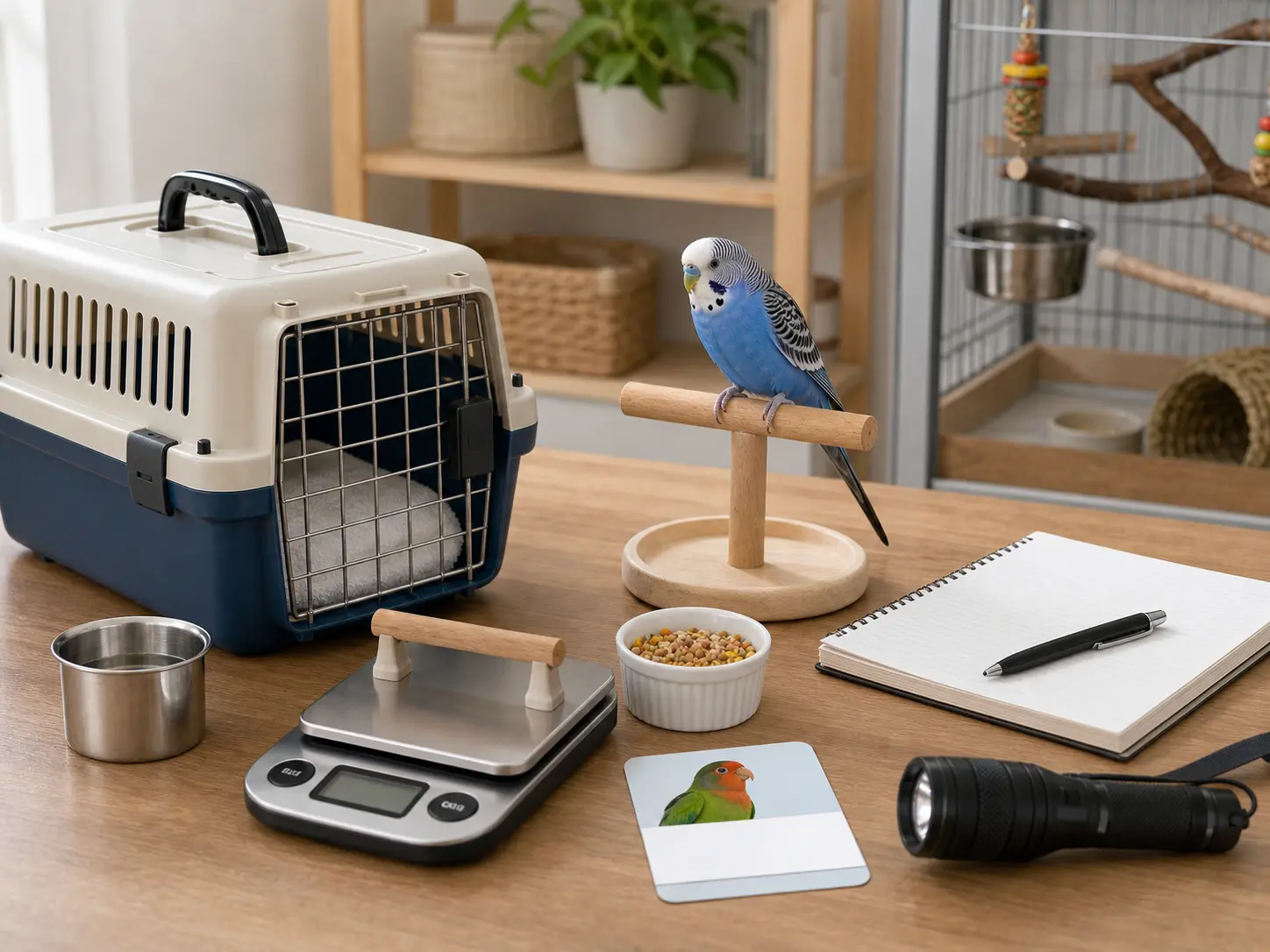
Bird emergency prep setup with hard-sided carrier, towel liner, gram scale, care notebook, water cup, food sample, and flashlight.

Health and Vet Care

Answer first

Call an avian vet urgently for breathing trouble, bleeding, injury, not eating, weakness, collapse, seizures, possible toxin or fume exposure, egg-binding signs, severe diarrhea, vomiting, burns, or a bird that is sitting fluffed and quiet.

What to check before you act

Breathing

Call now.

Bleeding

Call now.

Not eating

Call promptly.

Weakness

Do not monitor casually.

Exposure

Fumes and toxins are urgent.

Records

Notes help treatment.

01

How to act on this

If the bird's breathing, bleeding, appetite, balance, posture, or consciousness has changed, contact an avian vet or emergency clinic.

02

Know urgent signs

Tail bobbing, open-mouth breathing, blood, cat or dog contact, window crashes, burns, toxin exposure, and egg straining should not be watched casually.

03

Use records

Weight, diet, droppings, photos, timing, and exposure details help the vet tell you what to do next.

04

Transport calmly

Use a secure carrier, keep the bird calm, and avoid unnecessary handling while you get instructions.

05

Best rule

When a bird seems unwell and you are unsure, call. The vet can help you decide urgency.

Before you decide

  • Is breathing normal?
  • Is there any bleeding or injury?
  • Is the bird eating?
  • Is the bird weak, collapsed, or sitting low?
  • Was there fume, toxin, cat, dog, or window impact exposure?

Next best moves

  • Keep an avian-vet number and emergency clinic number visible.
  • Prepare a carrier before you need it.
  • Bring notes on food, droppings, weight, timing, and possible exposures.

Common questions

What if there is no avian vet nearby?

Call the nearest emergency clinic and ask for avian guidance or referral. Do not lose time searching silently.

Should I call for a minor change?

If the change involves appetite, breathing, balance, bleeding, weight, or weakness, calling is reasonable.

Can a regular vet help?

A non-avian vet may help stabilize or refer, but birds do best with avian experience.

What should I have ready?

Carrier, recent weight, diet, droppings photo, exposure details, and medication history if any.

Useful setup pieces

Use these after the care plan is clear. Match size and materials to the bird you actually keep.

Affiliate links: Furball Cove may earn from qualifying purchases at no extra cost to you.

Hard-sided bird carrier with towel liner, stainless bowl, and a cockatiel calmly beside the open carrier.

Hard-sided bird carrier

Keeps transport secure for adoption day, avian-vet visits, and emergencies.

Open blank bird care notebook with pencil, small supplies, and a cockatiel on a tabletop stand.

Care notebook

Tracks food, weight, sleep, droppings, behavior, and vet questions in one place.

Digital gram scale with a budgie standing calmly on the scale beside a care notebook.

Digital gram scale

Makes weight checks easier before small appetite changes become big problems.

Plain paper cage liners stacked beside a clean removable cage tray and a small finch on a nearby stand.

Paper cage liners

Plain paper makes droppings easier to monitor without scented products.

References