

Updated

Bird guides

Why is my bird breathing with tail bobbing?

Tail bobbing with breathing can mean the bird is working too hard to breathe. If the bird is bobbing the tail at rest, open-mouth breathing, fluffed, weak, quiet, or not eating, treat it as urgent and contact an avian vet immediately.

Breathing effort is one of the clearest bird emergency signs.

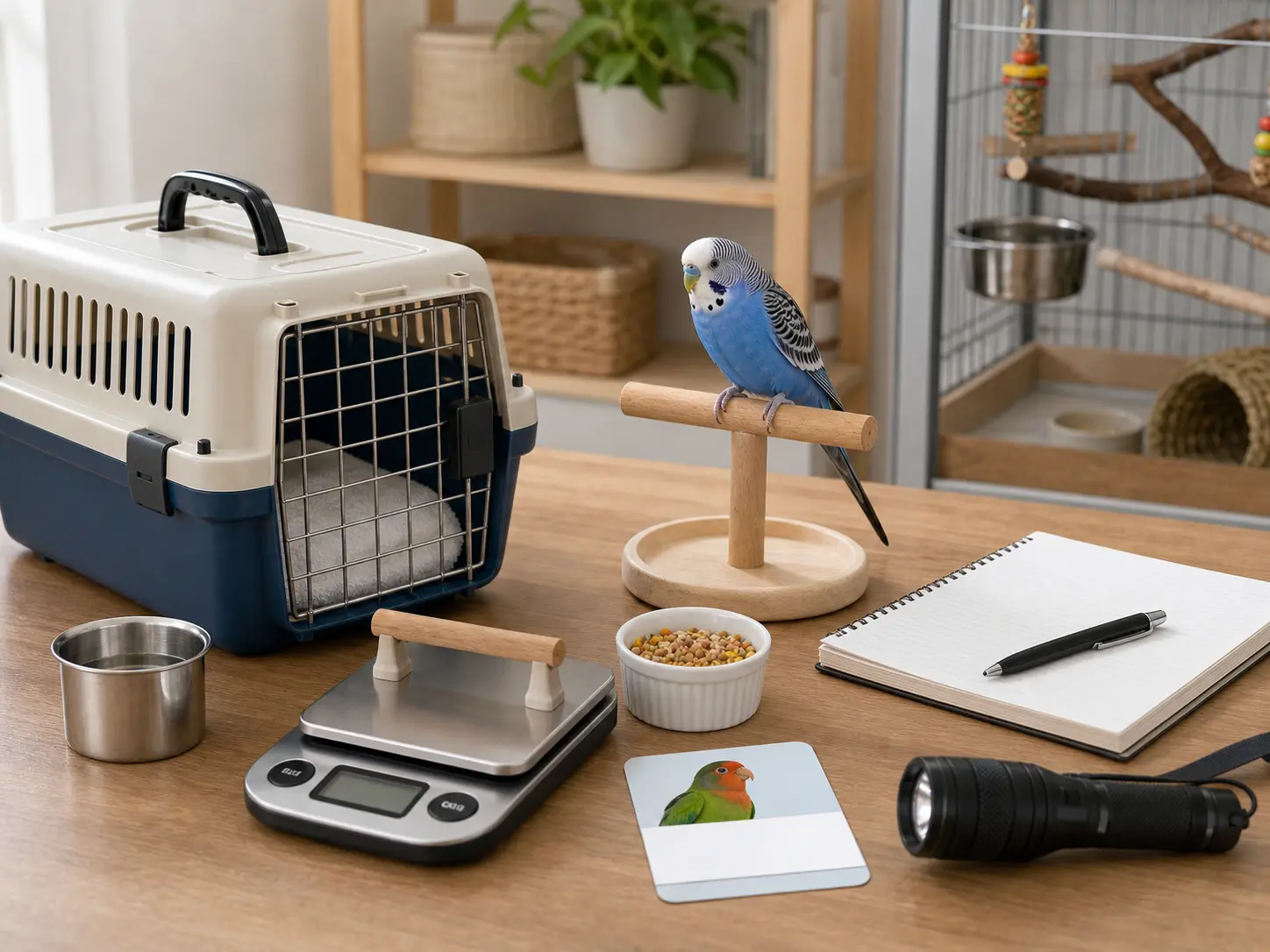
Bird emergency prep setup with hard-sided carrier, towel liner, gram scale, care notebook, water cup, food sample, and flashlight.

Health and Vet Care

Answer first

Tail bobbing with breathing can mean the bird is working too hard to breathe. If the bird is bobbing the tail at rest, open-mouth breathing, fluffed, weak, quiet, or not eating, treat it as urgent and contact an avian vet immediately.

What to check before you act

At rest

Resting effort is serious.

Tail motion

Bobbing can signal work.

Air

Remove fume sources safely.

Handling

Keep stress low.

Transport

Use a carrier.

Vet

Call immediately.

01

How to act on this

Look at the bird while it is resting. Tail movement that rises and falls with each breath can be a sign of respiratory effort.

02

Do not stress the bird

Keep handling low, avoid chasing, and move the bird only as needed for safe transport or vet instructions.

03

Check the air

Smoke, nonstick fumes, aerosols, candles, dust, heat, and poor ventilation can all make breathing risk worse.

04

Prepare for care

Use a carrier, note when signs started, and tell the vet about any fumes, cooking, sprays, illness, injury, or diet changes.

05

Urgent rule

A bird working to breathe needs professional help, not a wait-and-see plan.

Before you decide

  • Is the tail moving with each breath at rest?
  • Is the bird open-mouth breathing or wheezing?
  • Is the bird fluffed, quiet, weak, or low in the cage?
  • Was there smoke, nonstick, spray, candle, or dust exposure?
  • Is the bird eating and perching normally?

Next best moves

  • Call an avian vet or emergency clinic immediately for breathing effort.
  • Keep the bird calm and in clean air while arranging care.
  • Do not force water, food, bathing, or handling unless the vet instructs you.

Common questions

Is slight tail movement normal?

Some movement can happen, but obvious bobbing at rest with effort or illness signs is concerning.

Can stress cause tail bobbing?

Stress can change breathing, but respiratory effort still needs caution.

Should I give steam?

Do not improvise treatments. Call an avian vet for instructions.

Can fumes cause this?

Yes. Smoke, nonstick fumes, aerosols, and strong chemicals can be serious bird hazards.

Useful setup pieces

Use these after the care plan is clear. Match size and materials to the bird you actually keep.

Affiliate links: Furball Cove may earn from qualifying purchases at no extra cost to you.

Hard-sided bird carrier with towel liner, stainless bowl, and a cockatiel calmly beside the open carrier.

Hard-sided bird carrier

Keeps transport secure for adoption day, avian-vet visits, and emergencies.

Open blank bird care notebook with pencil, small supplies, and a cockatiel on a tabletop stand.

Care notebook

Tracks food, weight, sleep, droppings, behavior, and vet questions in one place.

Bird-safe cleaning cloths, water spray bottle, stainless bowl, clean tray, and a budgie in the background.

Bird-safe cleaning cloths

Keeps daily cage wipe-downs simple without fragrance or harsh residue.

Digital gram scale with a budgie standing calmly on the scale beside a care notebook.

Digital gram scale

Makes weight checks easier before small appetite changes become big problems.

References