Updated
Rabbit food check
Can Rabbits Eat Hay Cubes? Loose Hay Still Comes First
Yes—plain cubes as an extra
Yes. Rabbits can chew a plain hay cube, but the cube is an enrichment item—not the hay supply. For a typical adult, choose a one-ingredient grass-hay cube and keep loose timothy, orchard, oat, or meadow hay available at all times. Treat an alfalfa cube as a separate life-stage or veterinary decision.
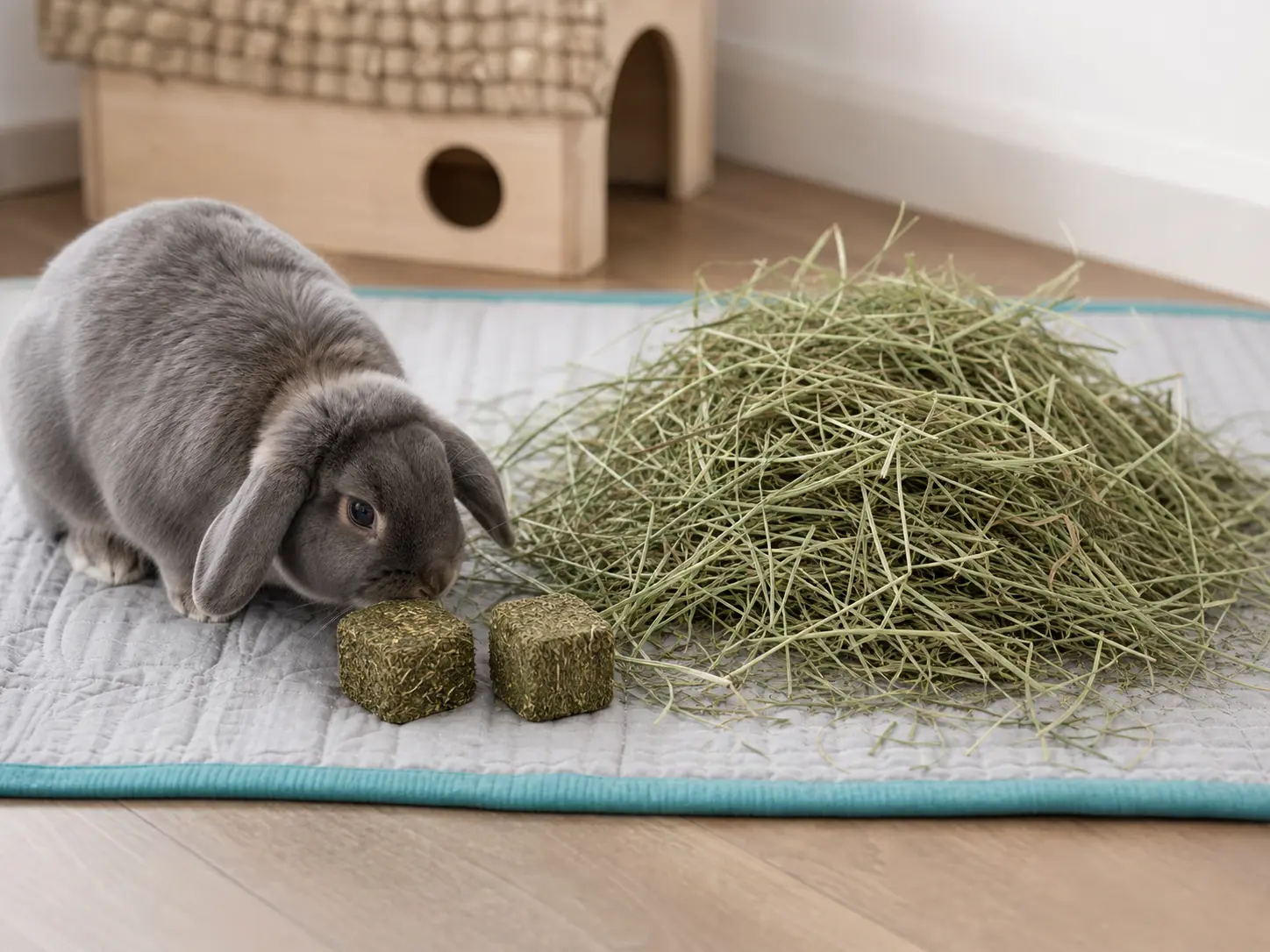 Hay Cubes
The front says hay cube; the back says what it is
Two square green blocks can have very different ingredient panels. One may be compressed timothy. Another may begin with alfalfa and add grain, fruit, seeds, or molasses. Read every line before the bag enters the rabbit cupboard; shape and color cannot tell you whether it fits an adult rabbit's routine.
A cube is not unlimited hay in miniature
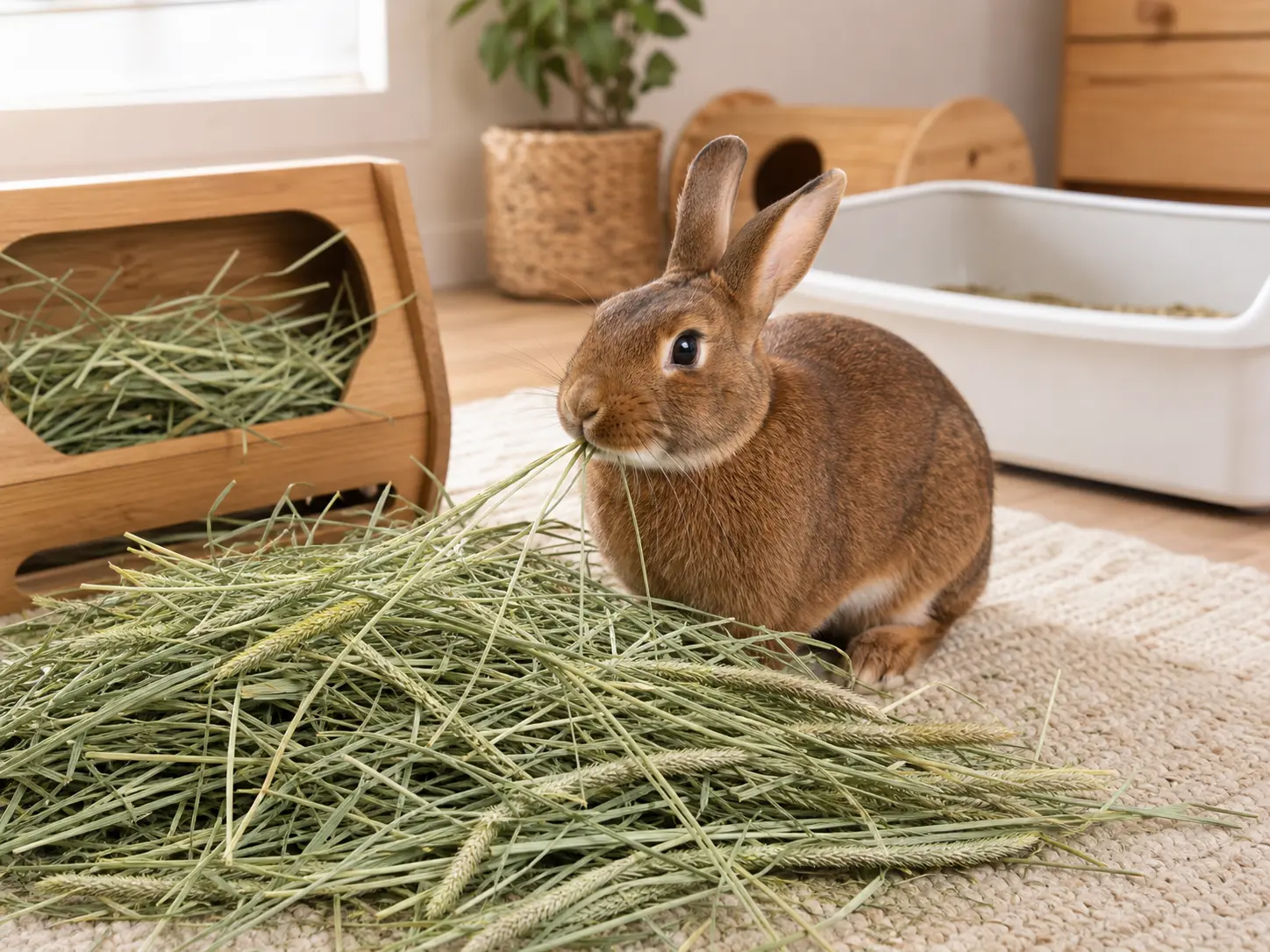
Compression makes hay tidy, portable, and quick to place, but it also removes the loose pile a rabbit can nose through and graze from over many visits. Keep a generous rack or litter-box hay station open all day. The cube is a separate little project, never the emergency backup for an empty rack.
Grass hay and alfalfa need separate labels
House Rabbit Society notes that grass hays are the everyday choice for most adults because they are lower in calories and calcium than alfalfa. A growing, nursing, elderly, underweight, or medically managed rabbit may have different needs. When the cube says alfalfa, match it to the individual rabbit instead of treating every compressed block alike.
Poor hay chewing is not a product puzzle
A rabbit who suddenly avoids long strands, drops food, develops a wet chin, or chooses only easy textures may be in pain. Do not keep offering softer or smaller products to run a home experiment. Arrange a prompt rabbit-savvy veterinary check and report what changed at the hay station.
Do the bag check at the pantry shelf
Set the package beside the normal timothy bale and find the ingredient panel. A useful adult-rabbit cube names grass hay plainly and stops there. Write the opening date on the bag, close it against insects, and store it off the floor in the same cool dry room as the loose hay.
Inspect one block on a pale saucer
Under the kitchen light, rotate the cube and tap it once. A few hay crumbs are ordinary; a dust plume, damp corner, sour odor, silk-like webbing, or fuzzy spot sends the whole suspect batch out. Keep the intact cube dry—rinsing compressed hay only creates a wet block that spoils faster.
Set the small square beside the hay mountain
Refill the rack above the roomy litter box, then place one cube on the clean teal foraging mat a short hop away. The gray lop can investigate it without losing access to loose strands. For bonded rabbits, provide enough space and separate projects so one rabbit cannot guard the only cube.
Read the rack and litter box the next morning
Do not score the trial by whether the cube vanished. Look for the familiar hollow in the hay pile, ordinary dry round droppings, and comfortable chewing at breakfast. If the cube was ignored but the loose hay was eaten, nothing failed; remove the crumbs and keep the routine that already works.
How to offer it
- Read the full ingredient panel. For a healthy adult, favor timothy or another grass hay; do not assume an alfalfa cube has the same nutritional job.
- Reject cubes mixed with seeds, dried fruit, corn, cereal flakes, honey, molasses, salt, artificial color, or a vague blend that hides what is compressed inside.
- Tip one cube onto a light plate and turn it over. Discard it if it sheds clouds of dust, feels damp, smells musty or sour, shows webbing, or has dark or fuzzy patches.
- Refresh the loose-hay pile and water first. Put the cube on a clean dry mat where it cannot fall into a water bowl, urine, or soiled litter.
Avoid
- Using cubes as the measured daily hay ration. A compact block does not provide the same loose, searchable pile or the same long-strand eating routine.
- Letting the rabbit photo sell the product without checking whether the ingredient panel says timothy, another grass hay, or alfalfa.
- Offering a damp, moldy, insect-damaged, stale, heavily dusty, sweetened, seeded, or brightly colored cube.
- Relying on cubes to solve poor hay eating. A rabbit who avoids loose hay or chews differently needs a rabbit-savvy veterinary and dental check.
Watch
- The rabbit taking comfortable side-to-side bites instead of repeatedly picking up and dropping the block
- A fresh hollow appearing in the loose-hay rack after several ordinary grazing visits
- The litter liner showing this rabbit's normal count of separate round stools after the cube
- Reduced appetite or droppings, wet chin, food falling from the mouth, a hunched posture, or unusual quietness; remove the cube and contact a rabbit-savvy vet promptly
Portion
Start with one small cube or one broken section from a larger block. There is no need to refill it when it disappears. Count the cube as an occasional enrichment item and judge the trial by the ordinary signs: loose hay still vanishes, the rabbit chews comfortably, and the litter box looks normal.
Keep the cube small and the loose-hay station obvious
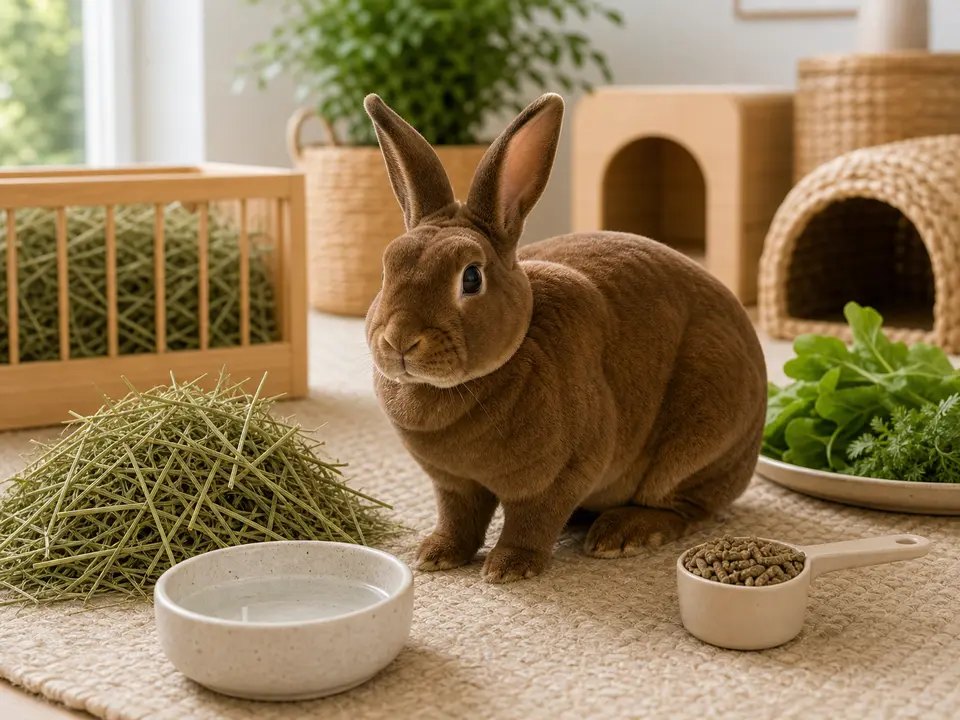
Hay-cube gear should reinforce the difference between one compact chewing project and the real all-day food supply. These choices help keep loose hay abundant, the cube dry and visible, and the eating area easy to inspect afterward.
Affiliate links: Furball Cove may earn from qualifying purchases at no extra cost to you.
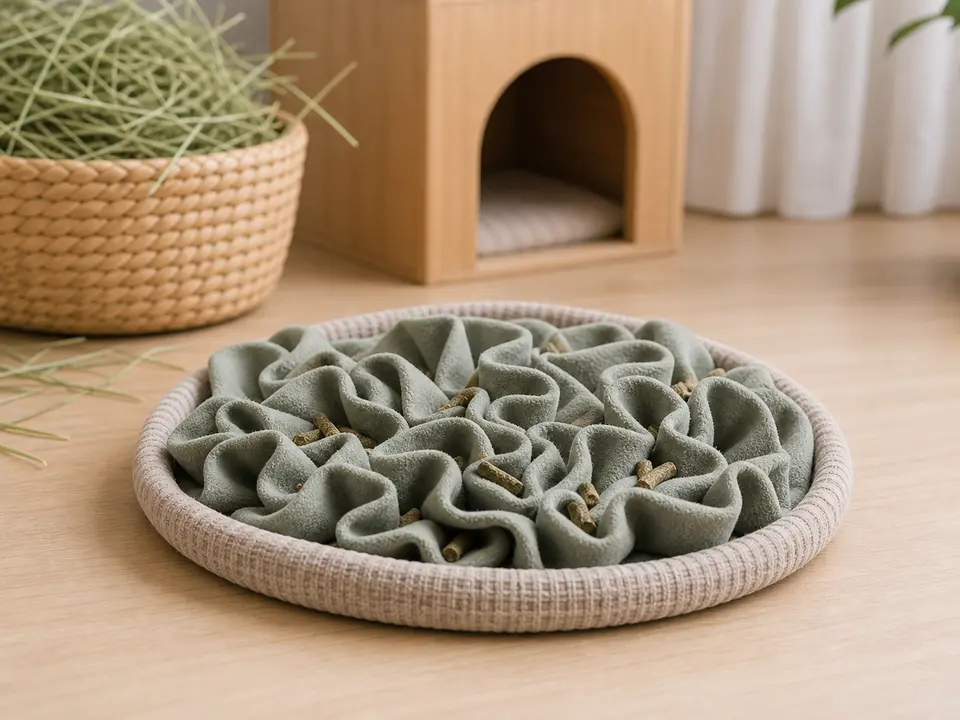
Rabbit foraging mat
Place one dry cube on a washable surface away from the water bowl, giving the rabbit room to push and gnaw without losing it in soiled litter.
Shop rabbit foraging mat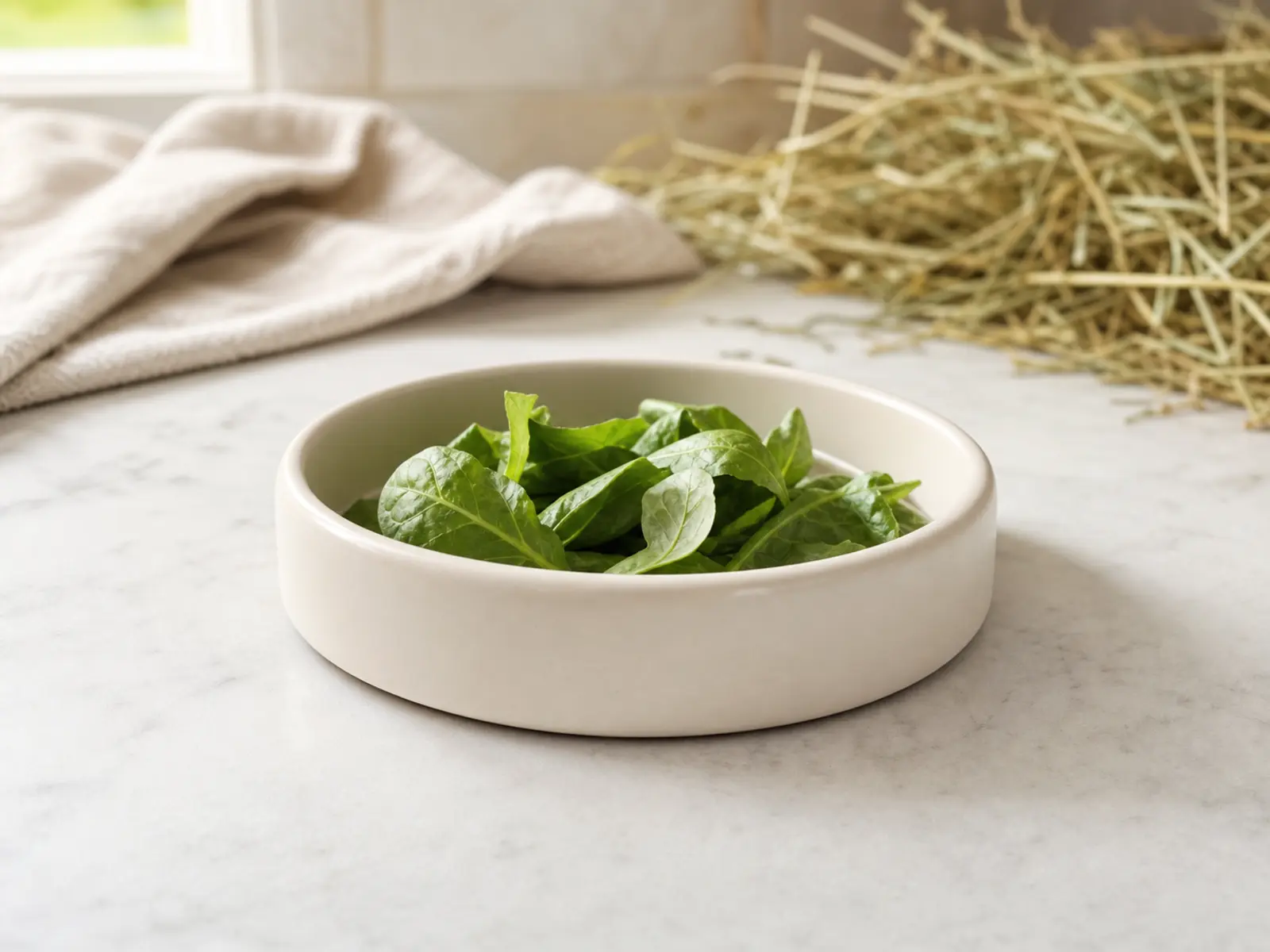
Ceramic food dish
Rotate one cube against the pale glaze; dust, a damp corner, webbing, or a fuzzy patch has nowhere to hide.
Shop ceramic food dish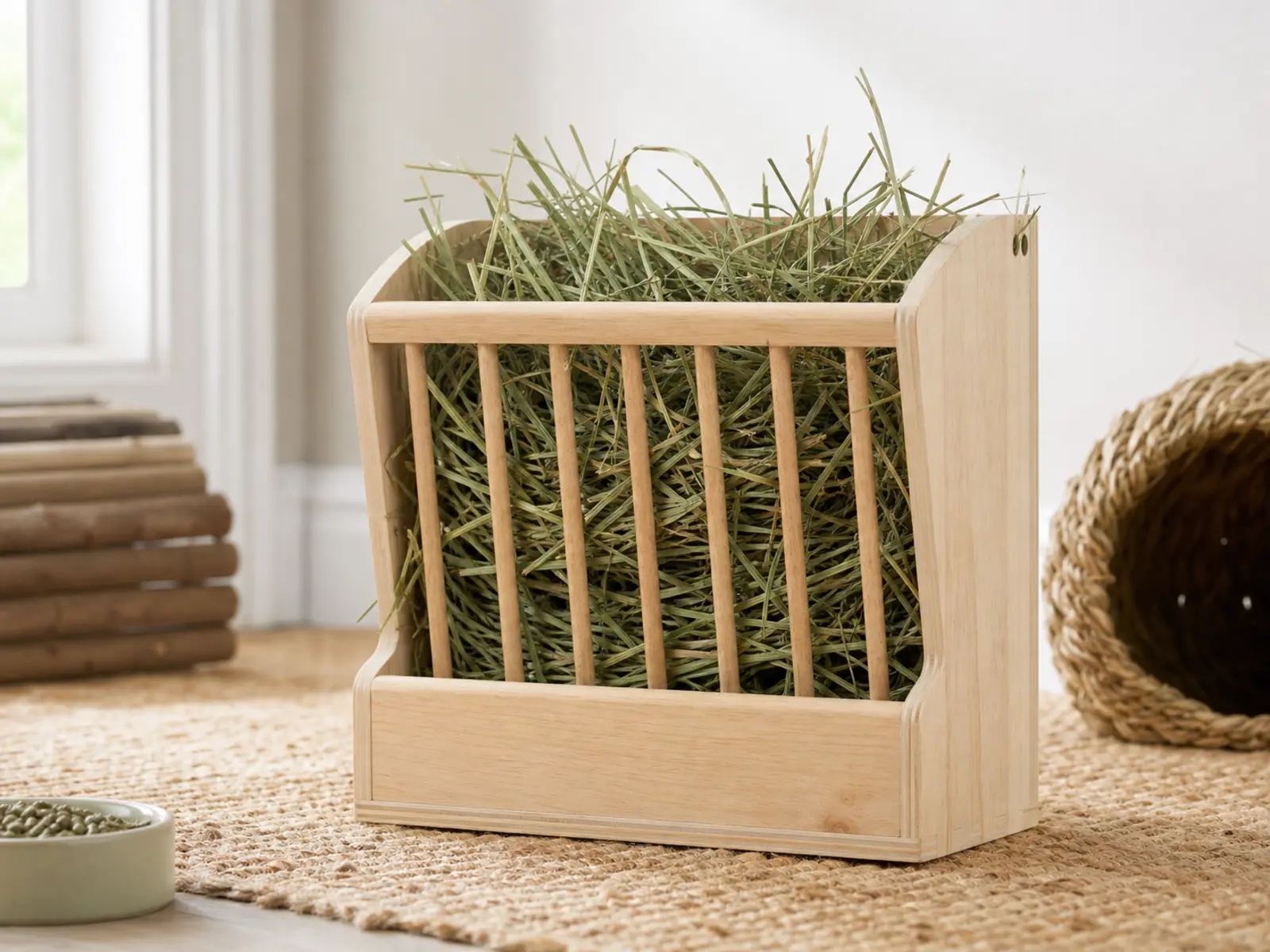
Rabbit hay feeder
Pack the rack with loose timothy or orchard hay before the cube appears, so long strands remain the easiest food to revisit all day.
Shop rabbit hay feeder