Updated
Puppy crate training
Camera Check for Crate Practice
A camera check shows whether your puppy is resting, fussing lightly, or escalating after you step away.
Listening outside the door is not always reliable. A quiet puppy may be asleep, frozen, chewing bedding, or staring at the door. A camera gives better information.
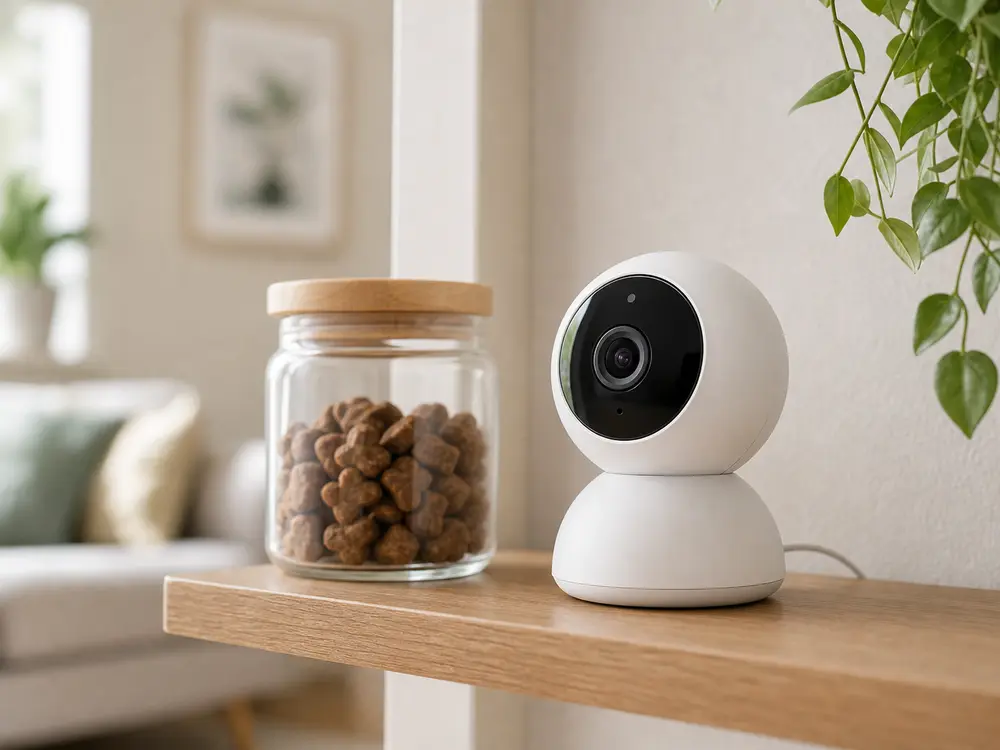
A camera is not a cure for crate trouble. It is a feedback tool. It helps you decide whether to keep building, shorten the next repetition, or change the setup.
Use it to protect your puppy from being pushed too far. The best data is the data that helps you make the next session easier and kinder.
Great for
- Puppies starting out-of-sight crate or pen practice.
- Owners who want to know what happens after they leave.
- Dogs whose distress signs are hard to read from another room.
Wait a bit if
- You are using the camera to watch panic without changing the plan.
- Your puppy can reach cords or equipment.
- Your puppy is showing severe distress that needs qualified help.
Shape the quiet routine
Place the camera safely
Keep cords, stands, and devices out of reach. The camera should not create a new chew hazard.
Record short practice
Start with tiny absences, not a long errand. You need footage you can respond to and learn from.
Watch body language
Look for resting, sniffing, soft movement, pacing, pawing, drooling, chewing bedding, or frantic escape attempts.
Compare with timing
Note when fussing starts. Ten calm minutes followed by worry tells a different story than immediate panic.
Use the data
If your puppy escalates, shorten time, move the crate closer, change the room, or return to easier door practice.
Stop serious distress
Do not keep filming a puppy who is panicking or trying to escape. End the setup and get qualified help if it repeats.
Little things that help
Check the first minute
The start of an absence often tells you whether the departure routine is too hard.
Look for recovery
A puppy who fusses briefly and settles is different from one who escalates and cannot recover.
Use notes, not guesses
Write down duration, setup, and behavior so progress is visible.
Helpful little extras
Affiliate links: Furball Cove may earn from qualifying purchases at no extra cost to you.
Pet camera
A camera shows whether your puppy is napping, lightly fussing, or escalating after you step away.
Baby gate or pen
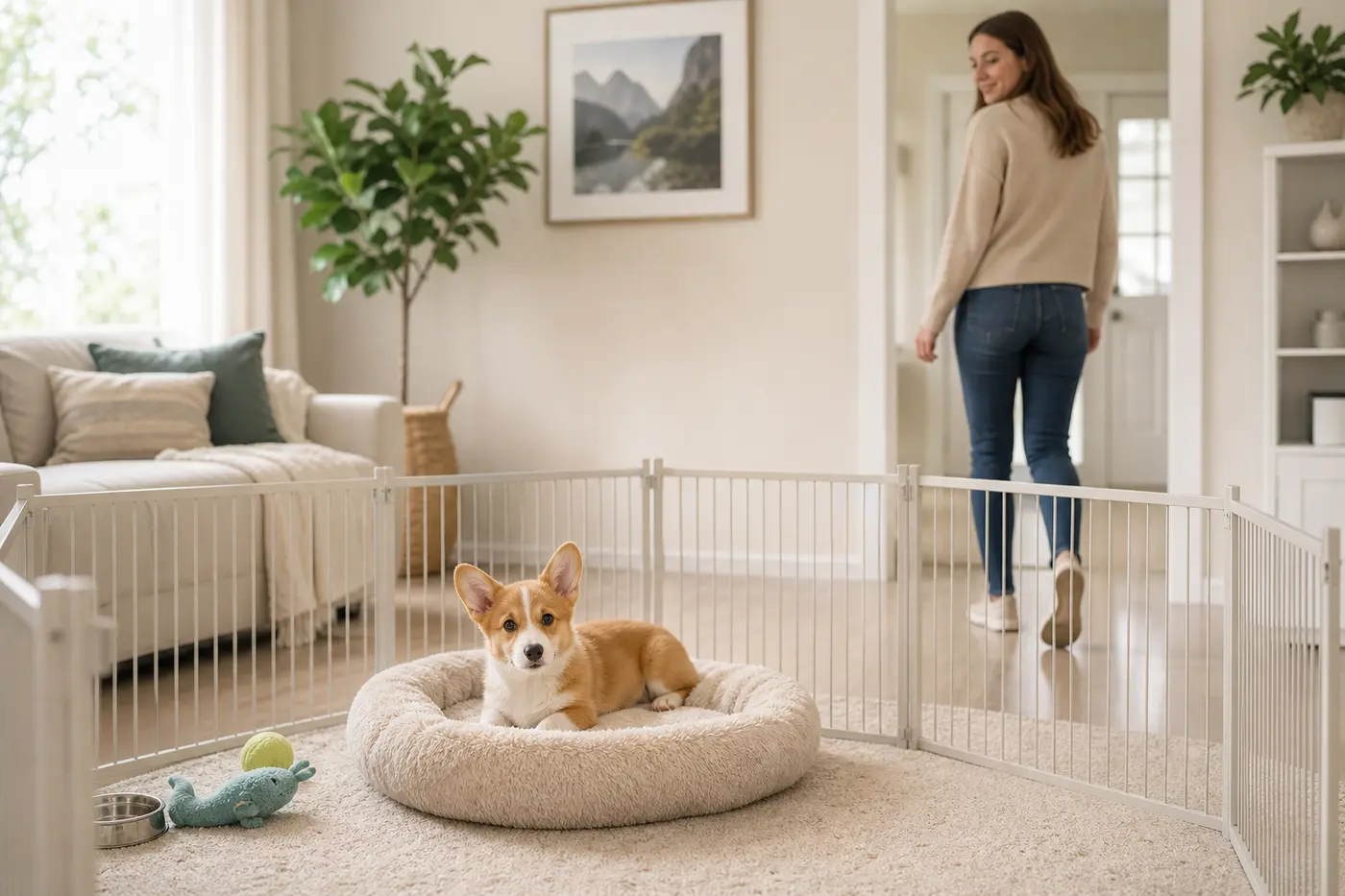
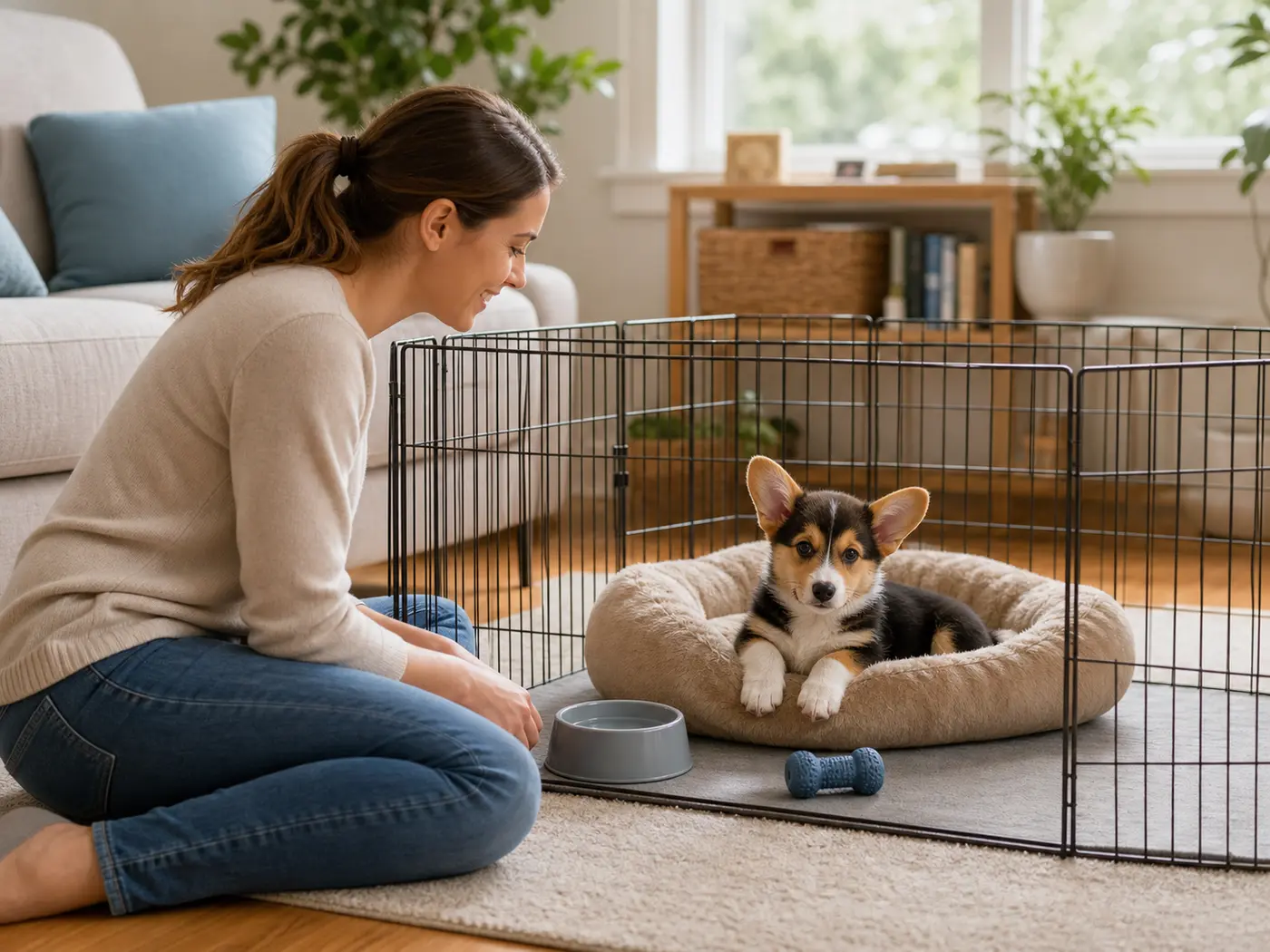
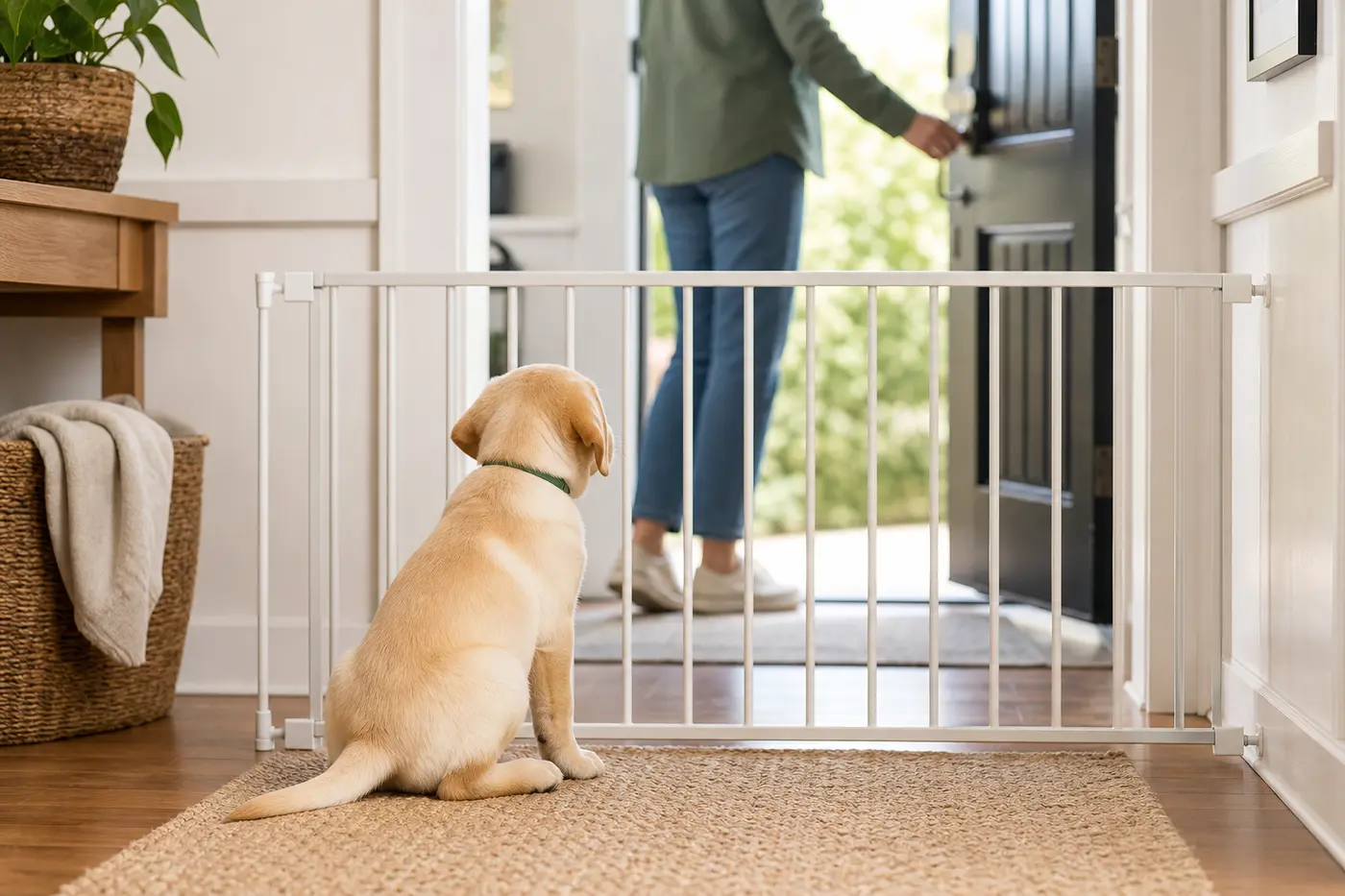
A gate or pen lets you practice tiny absences without making the crate carry every alone-time lesson at once.
Puppy crate with divider
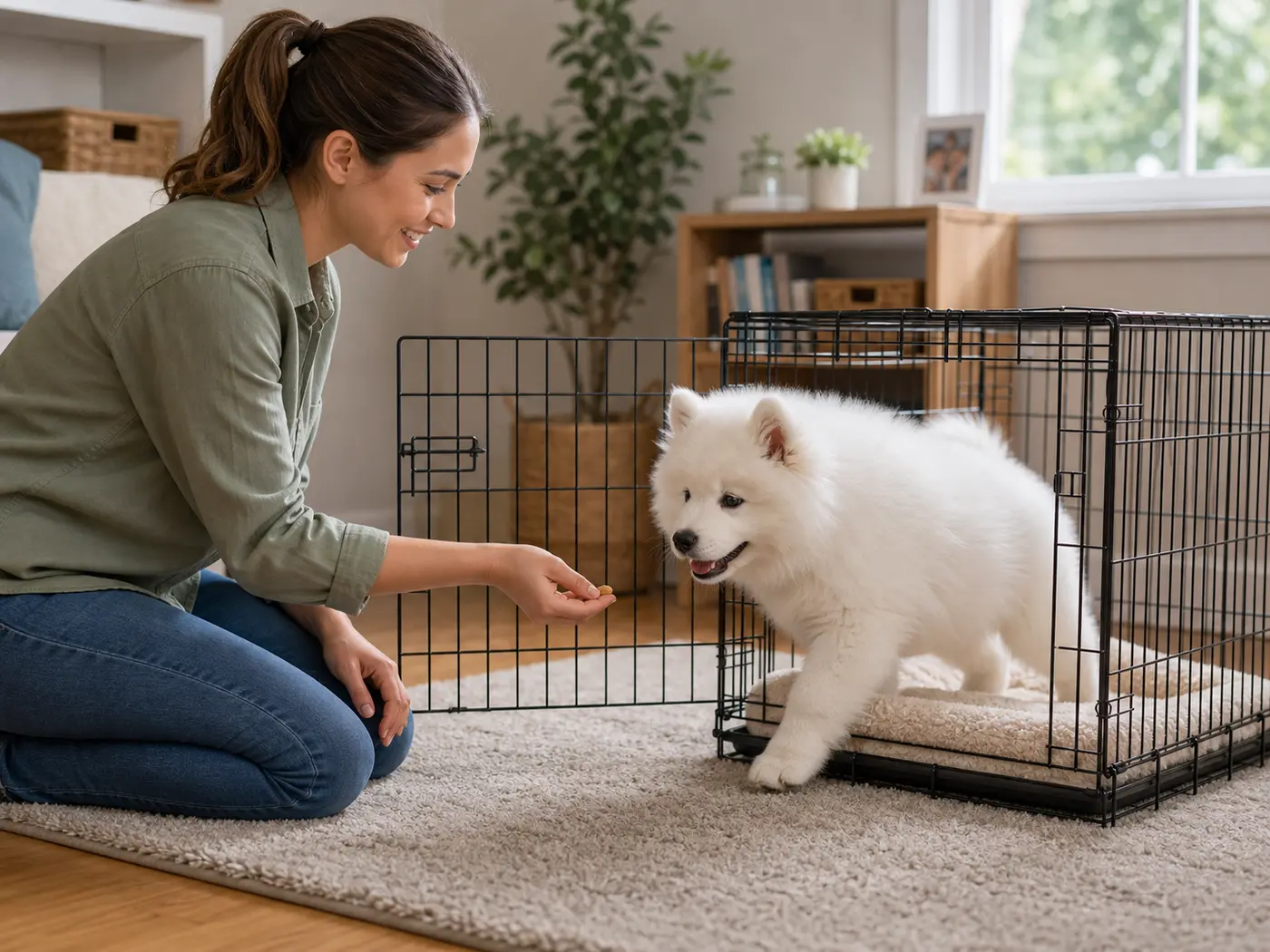
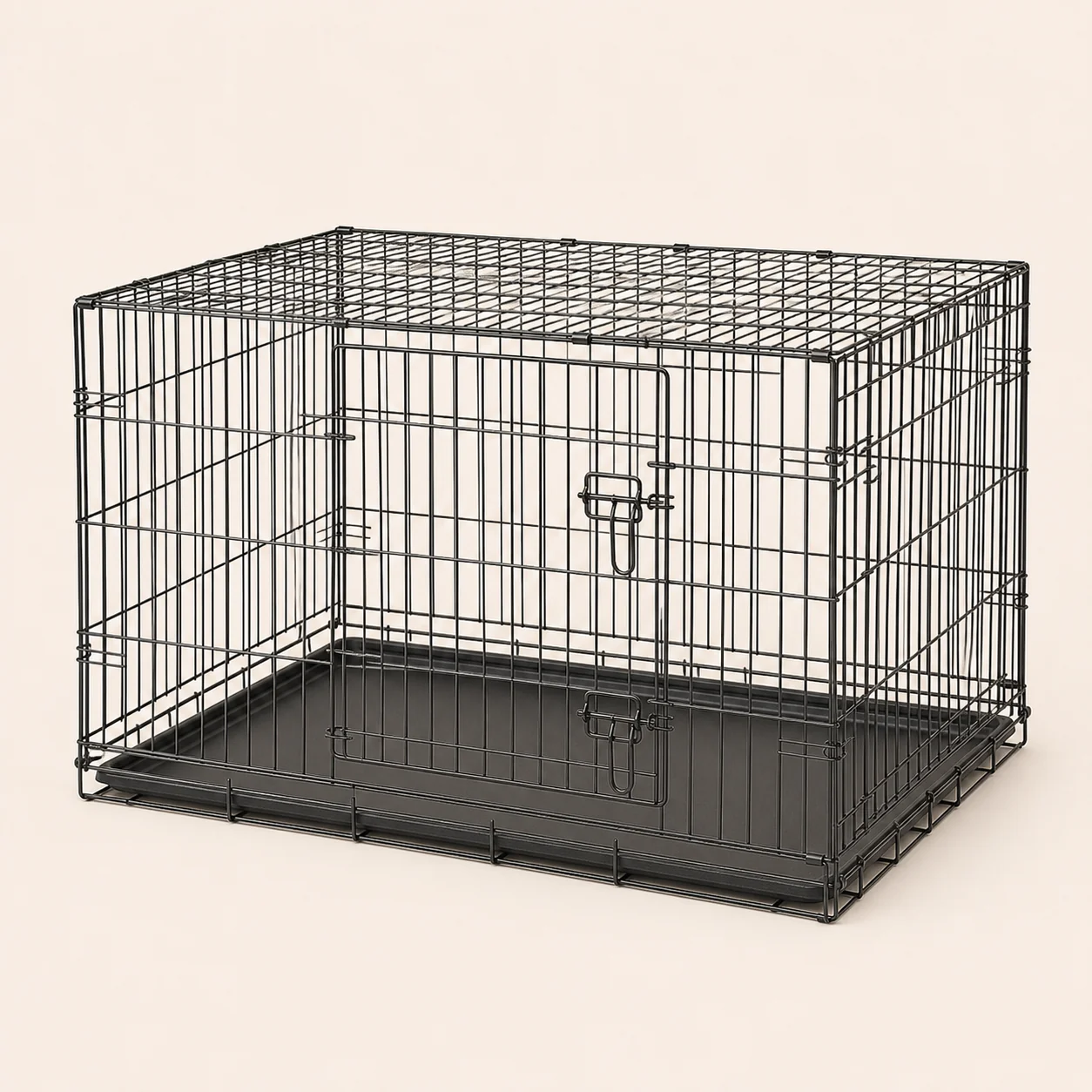
A divider lets the crate fit your puppy now without leaving a giant space that feels more like a playroom than a sleep spot.
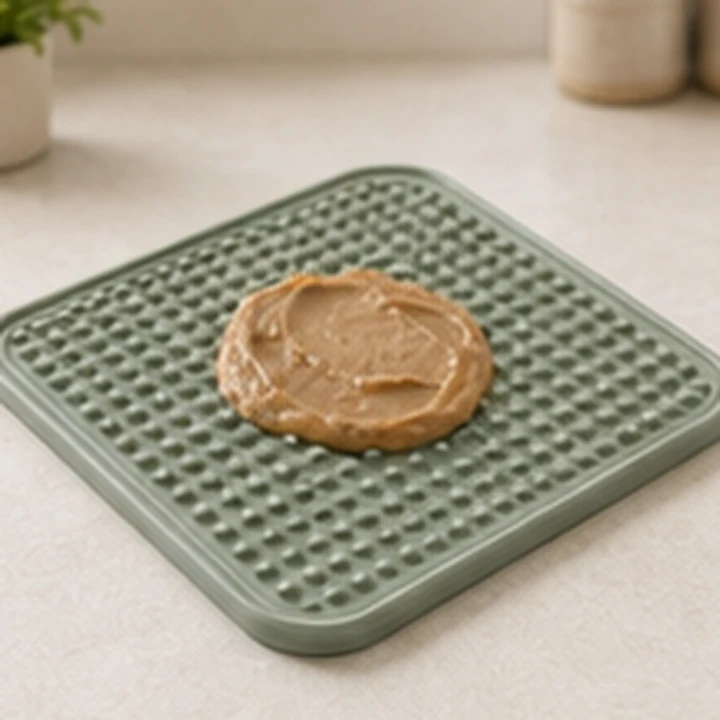
Lick mat
A thin spread on a lick mat can make daytime crate practice feel slower and calmer for puppies who already tolerate it.
Questions people ask
Do I need a pet camera?
No, but it can be useful for short alone-time practice and for understanding what your puppy does after you leave.
What signs should worry me?
Repeated panic, escape attempts, heavy drooling, crate soiling from distress, or inability to recover should change the plan.
Can a camera replace training?
No. It only gives information. You still need fair setups, short sessions, and qualified help when distress is intense.