

Updated
Dog training
Calm at Home
Calm is a skill your puppy can learn in ordinary family life.
Build a simple off-switch with rest spots, quiet enrichment, and rewards for the calm moments you want to see again.
Start here
Teach the off-switch
Reward calm before the dog is already wound up.
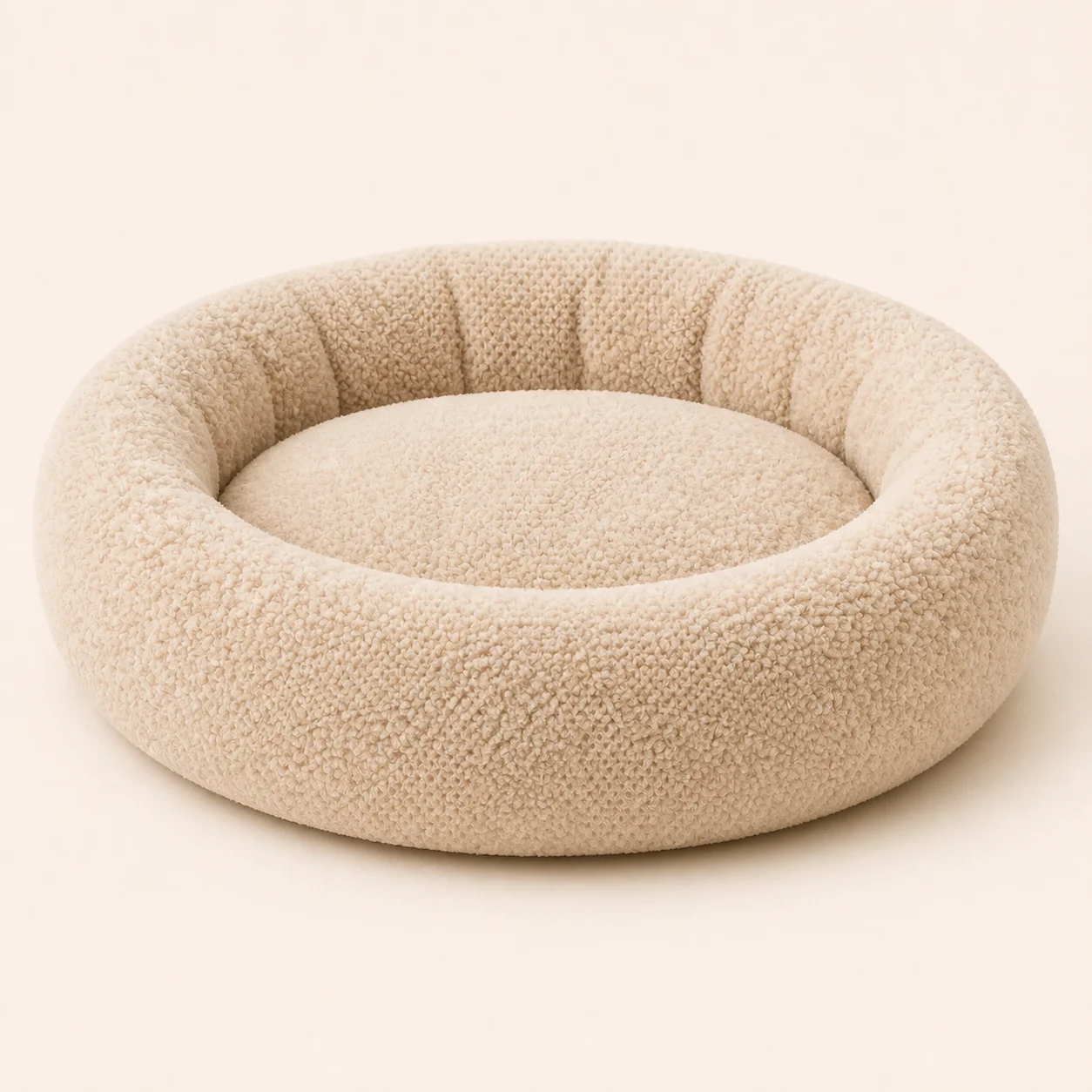
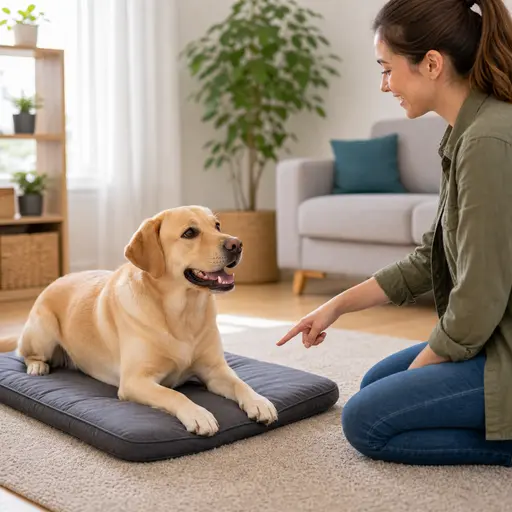
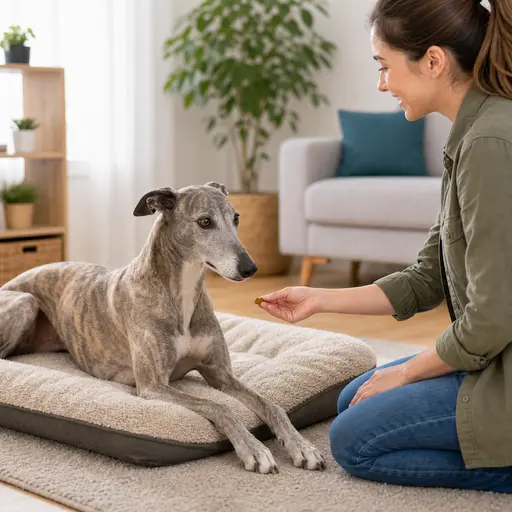
Send your dog to a bed or mat and reward staying there calmly.
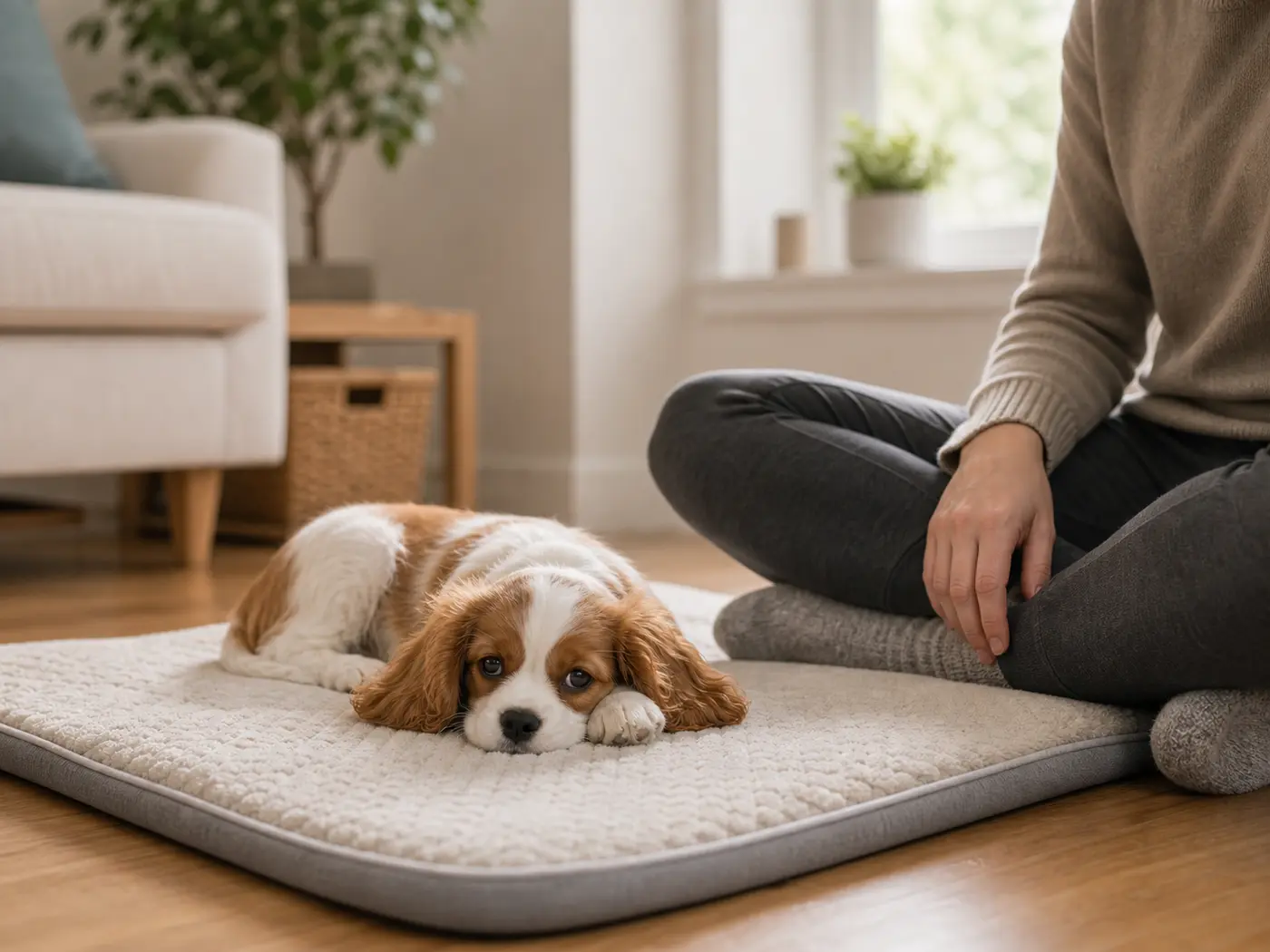
Capture relaxed lying down in normal rooms, not only after exercise.
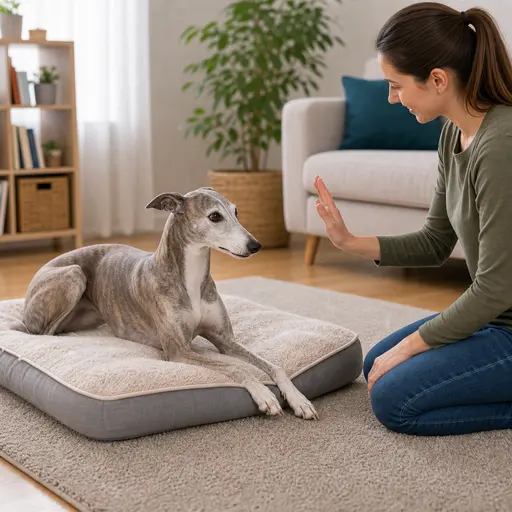
Pair a cue with slower breathing, soft body language, and calm rewards.
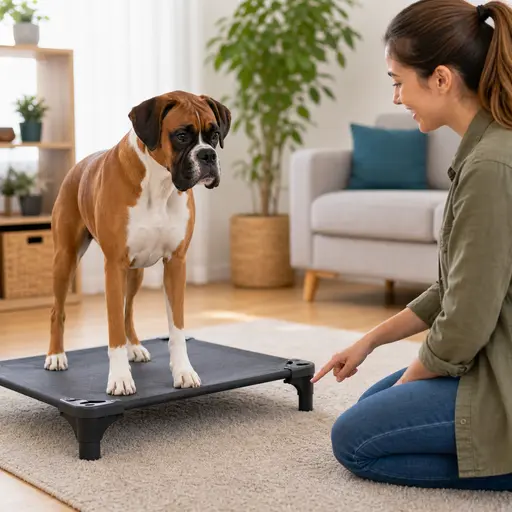
Use a raised bed or station for dogs who need clearer boundaries.
Quiet enrichment
Some dogs settle better after sniffing, licking, chewing, or problem solving.
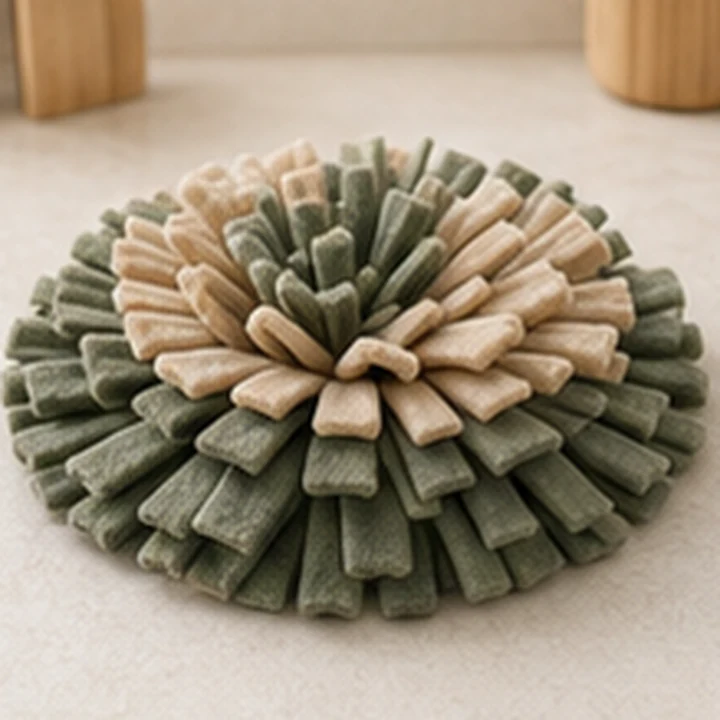
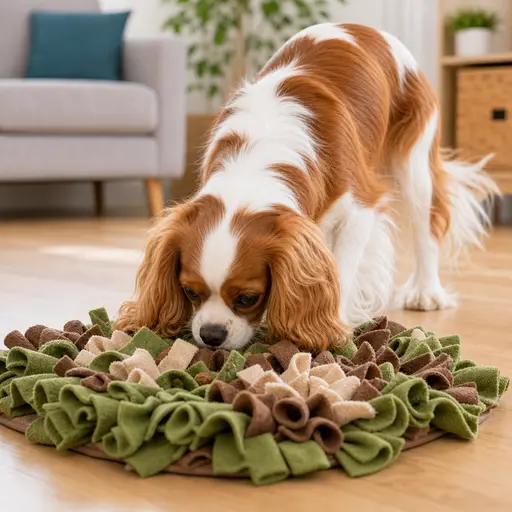
Scatter food in a mat so your dog works quietly with their nose.
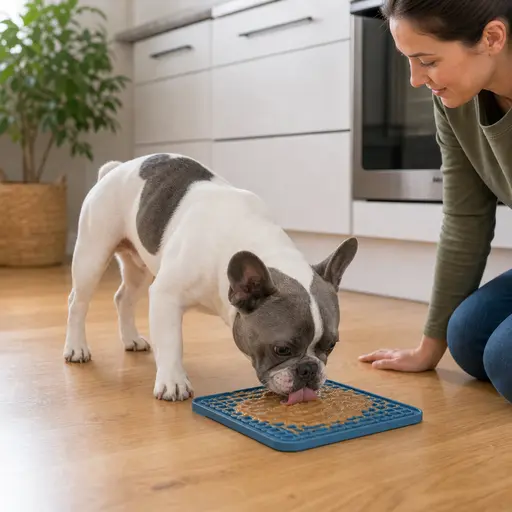
Use licking as a short reset after walks, guests, or grooming.
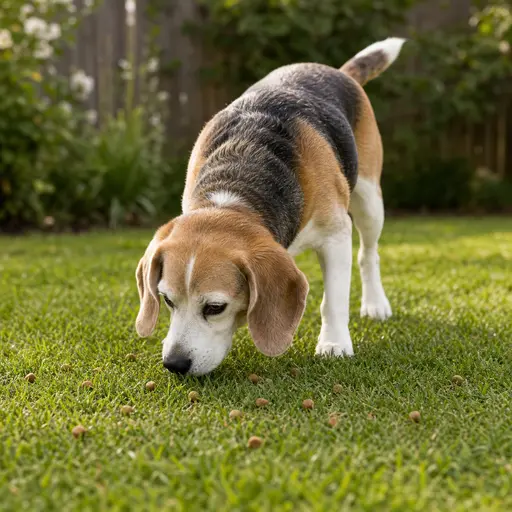
Scatter kibble on grass or a washable mat to slow the body and brain.
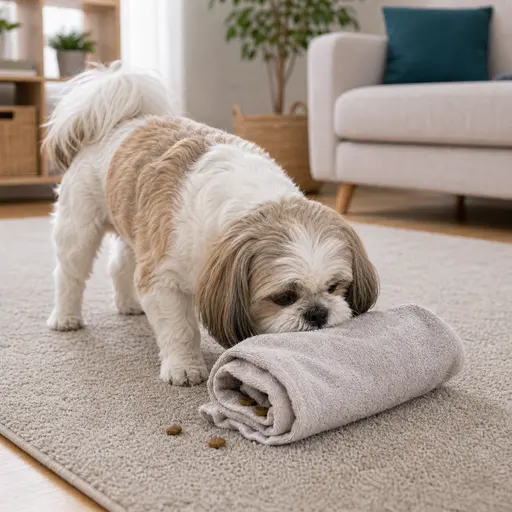
A simple puzzle that adds gentle effort without ramping the dog up.
Guests doors and busy rooms
Plan the first minute. That is when most dogs make mistakes.
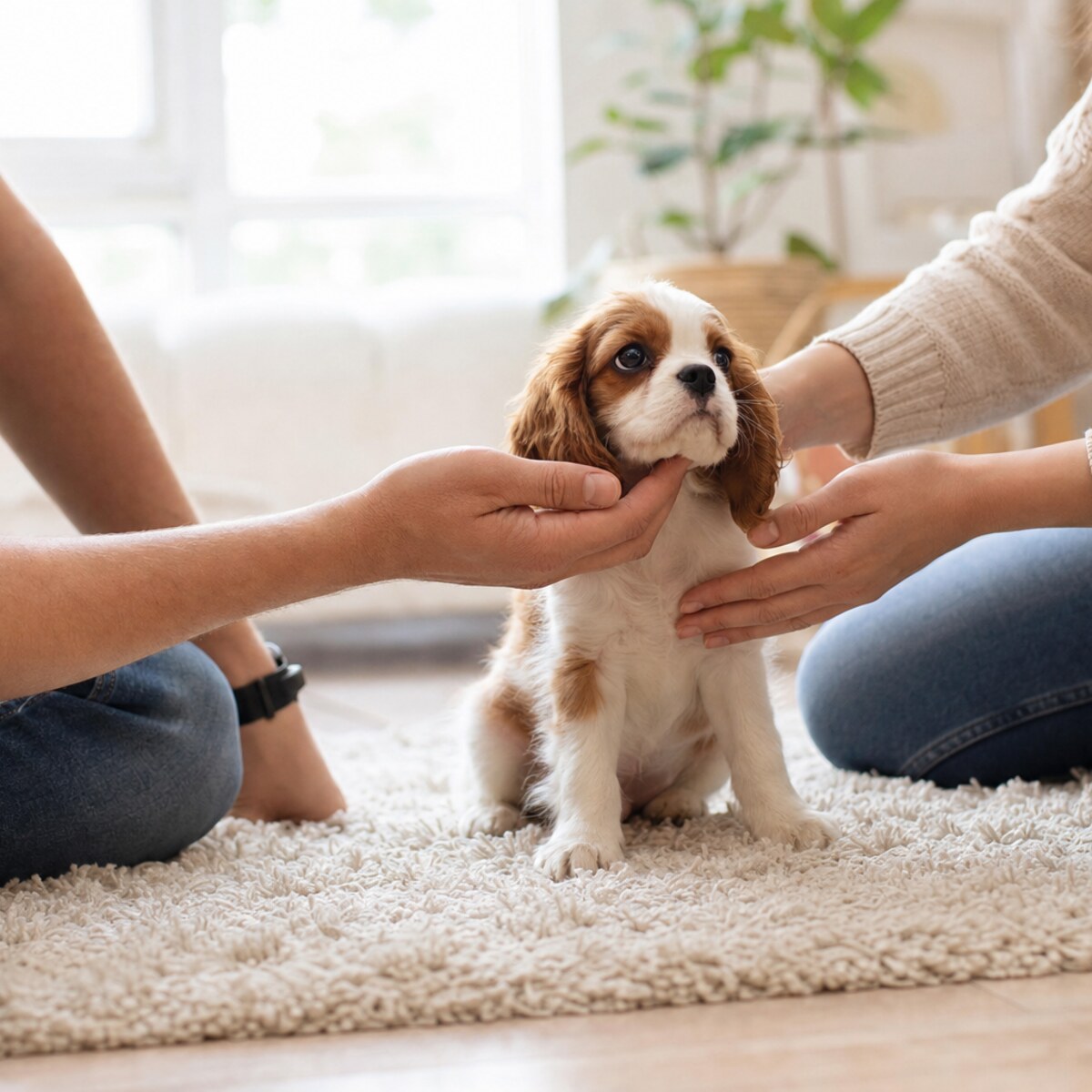
Leash, mat, treats, and distance before the guest comes in.
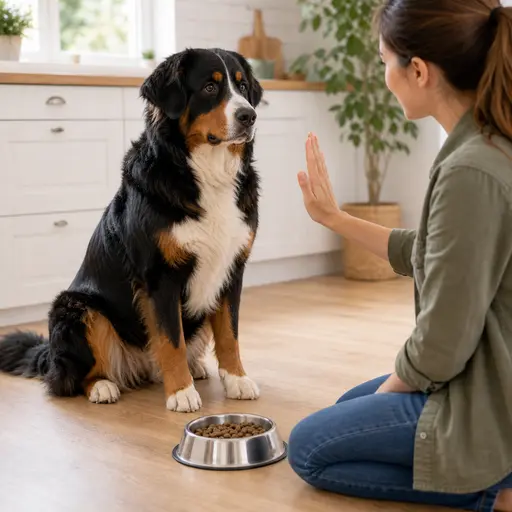
A short pause at the door prevents charging, jumping, and slipping out.
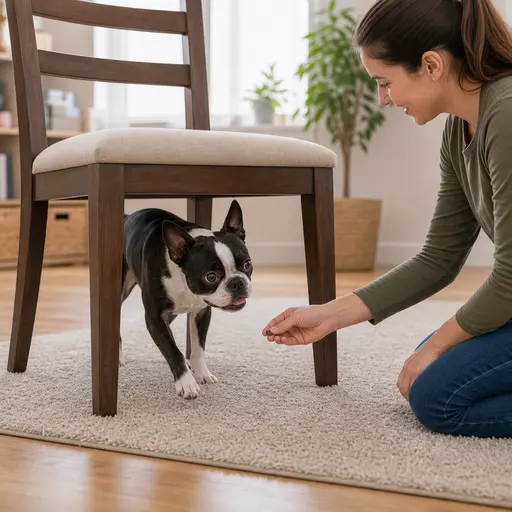
Teach small dogs to tuck calmly near your chair instead of scanning the room.
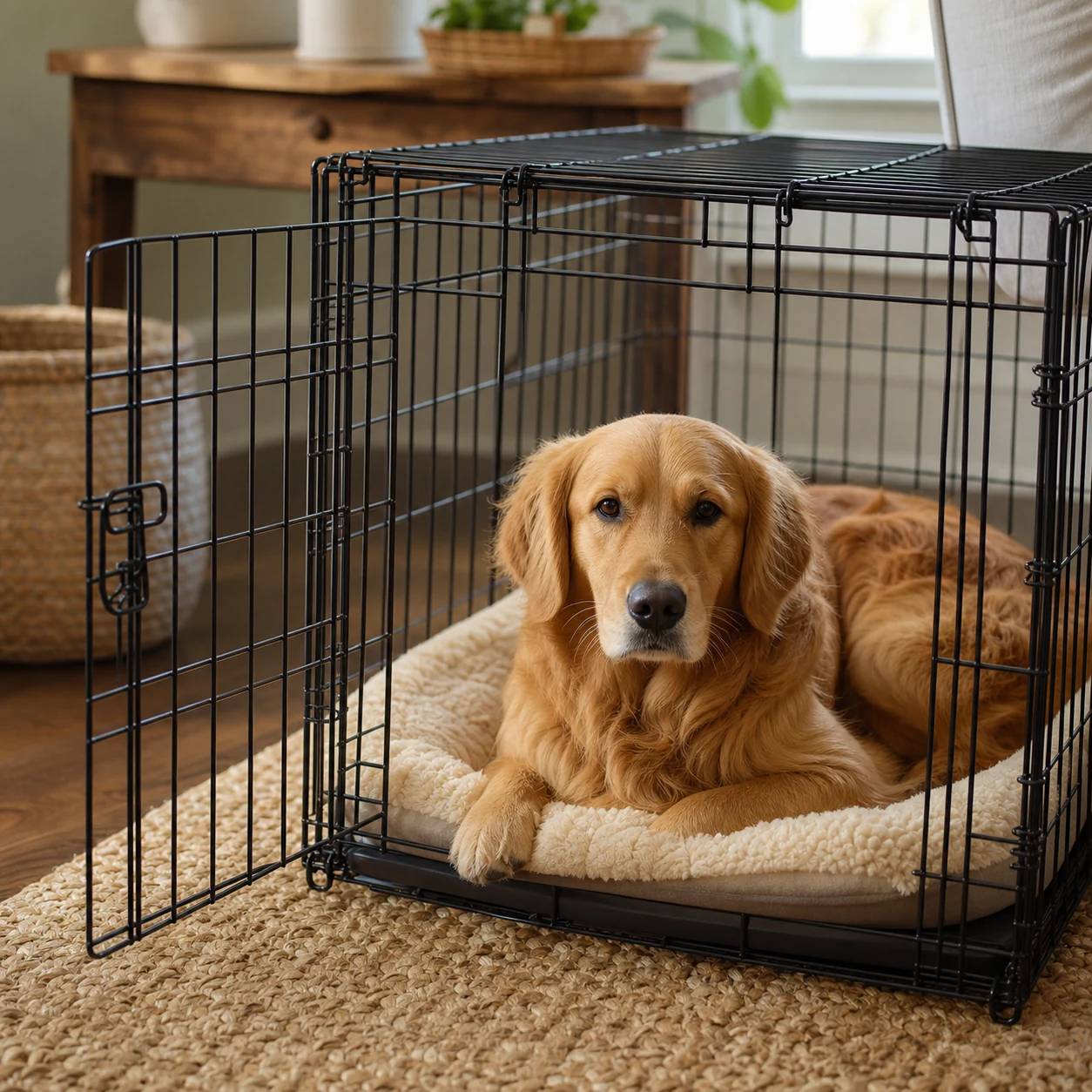
Use a crate or quiet room before the dog is too tired to cope.
Overarousal and reset plans
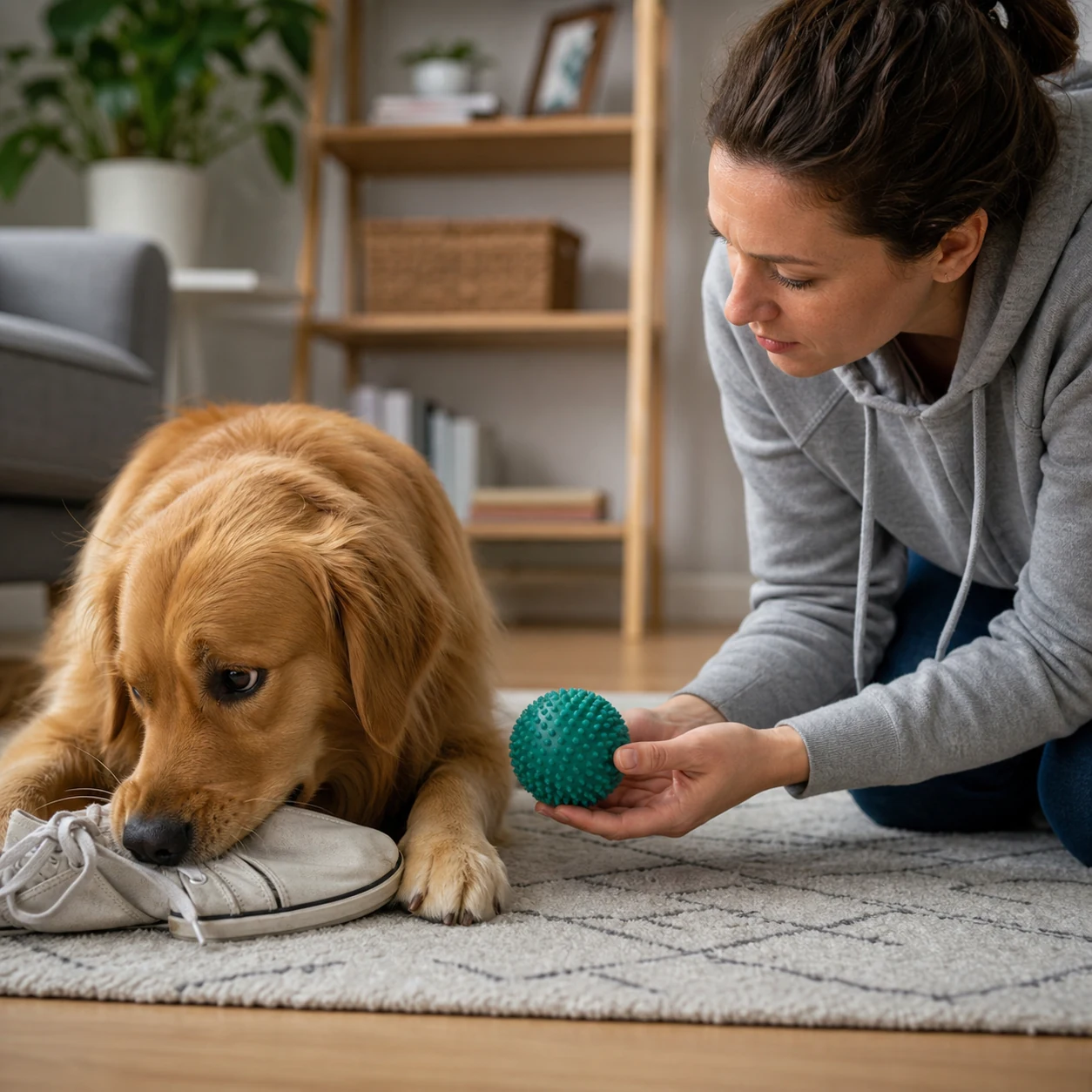
Wild behavior often means the dog needs less stimulation, not more correction.
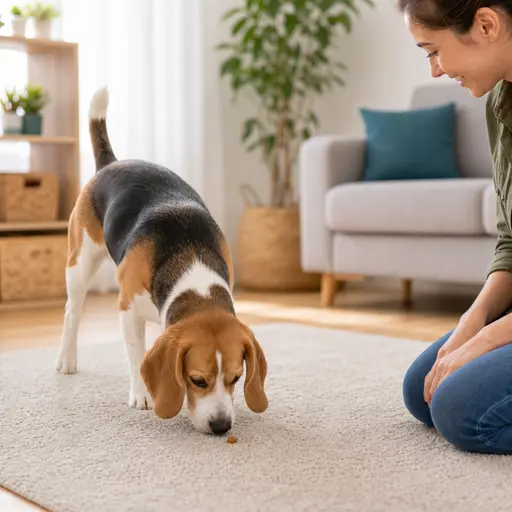
Scatter treats to interrupt jumping, barking, or frantic pacing.
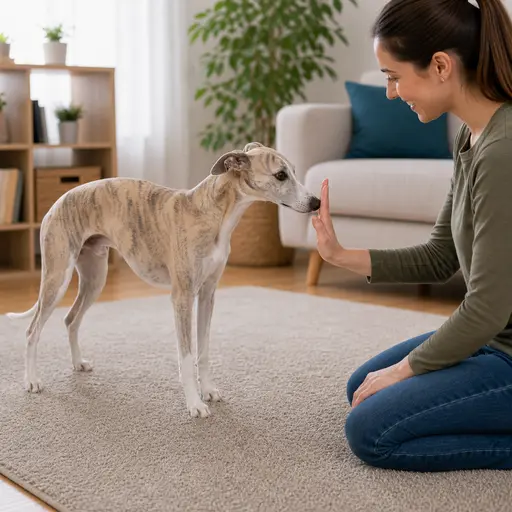
Use a simple target to bring attention back without grabbing the dog.
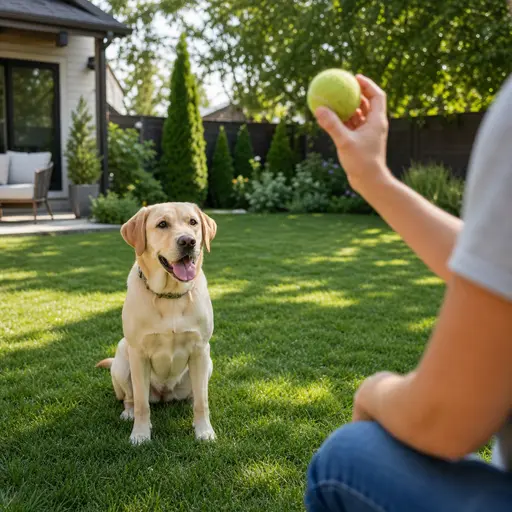
Add movement earlier in the day instead of waiting for evening chaos.
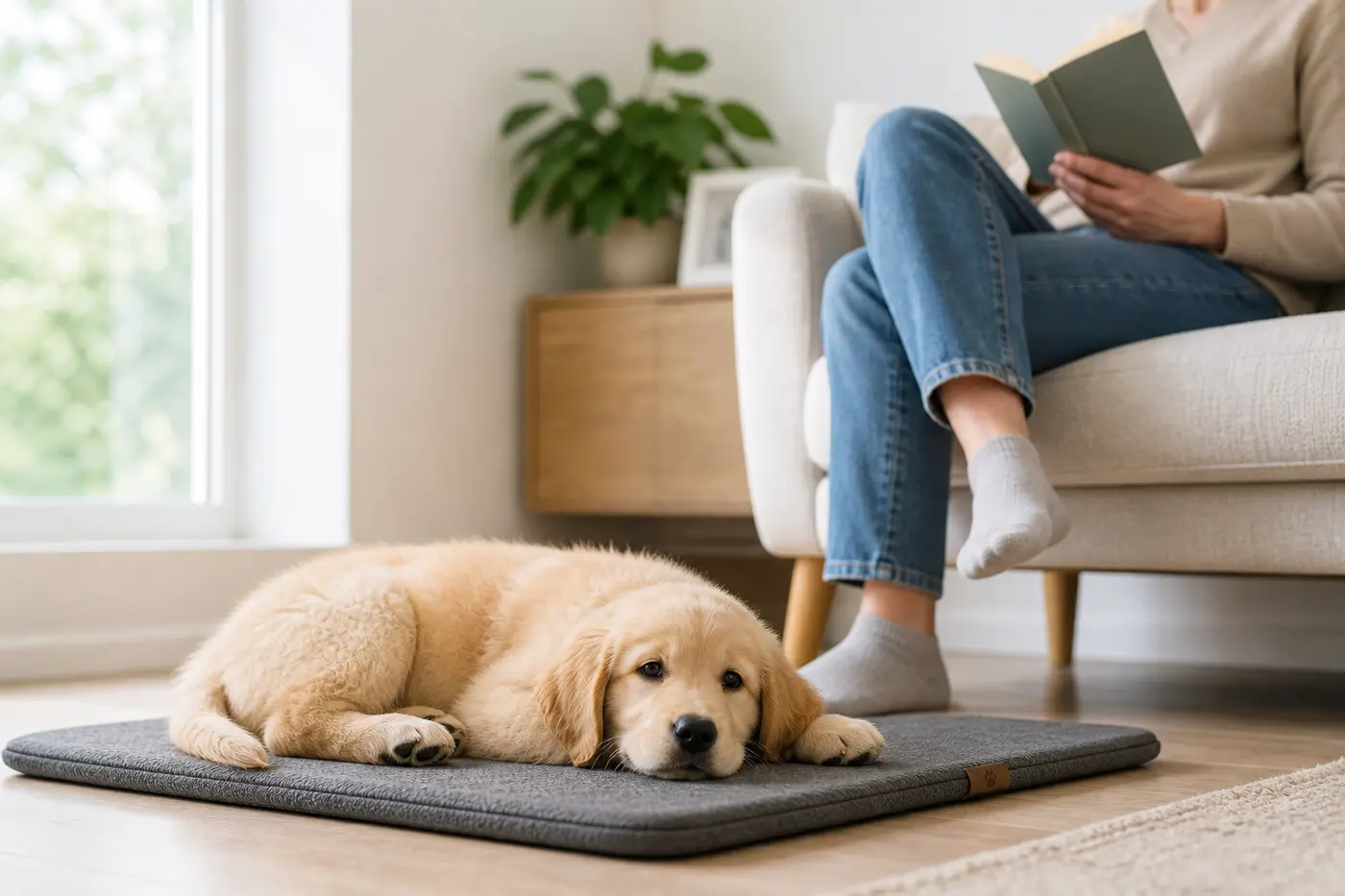
Dim lights, reduce access, put toys away, and make the calm choice obvious.