Updated
Dog food safety
What to Do If Your Dog Food Is Recalled
If your dog's food is recalled or seems unsafe, stop feeding it, move it out of reach, and save the package details. Call your vet right away for vomiting, diarrhea, weakness, collapse, blood, tremors, pain, or anything that feels urgent.
Quick answer for real life
Do not keep feeding a recalled or suspicious food while you figure it out. Put the food away from your dog, save the package details, and write down what your dog ate and when.
If your dog seems normal, you still need the lot code, best-by date, receipt or order record, and the amount eaten. Those details keep the situation traceable if symptoms show up later or the company asks for more information.
What to save
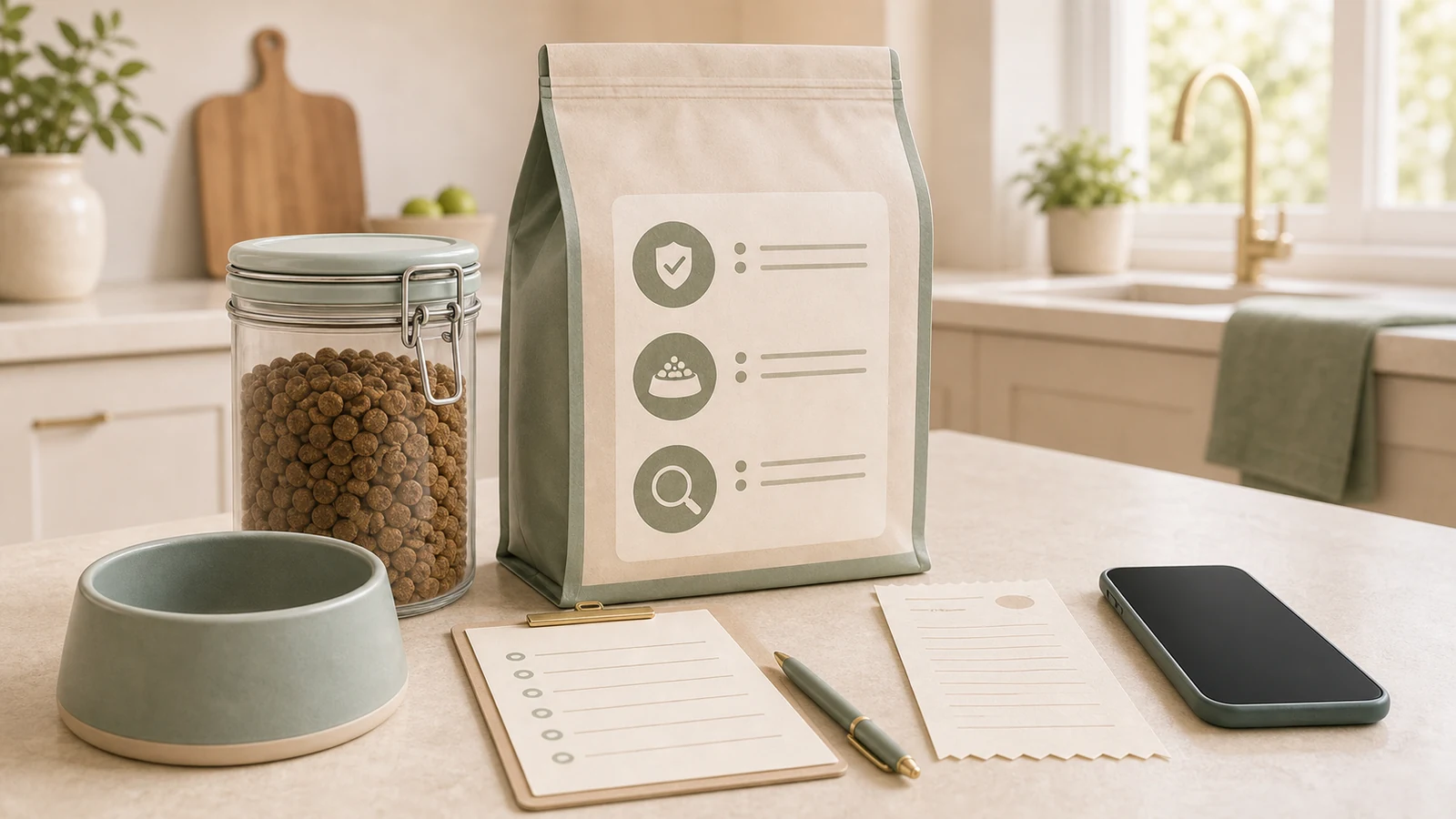
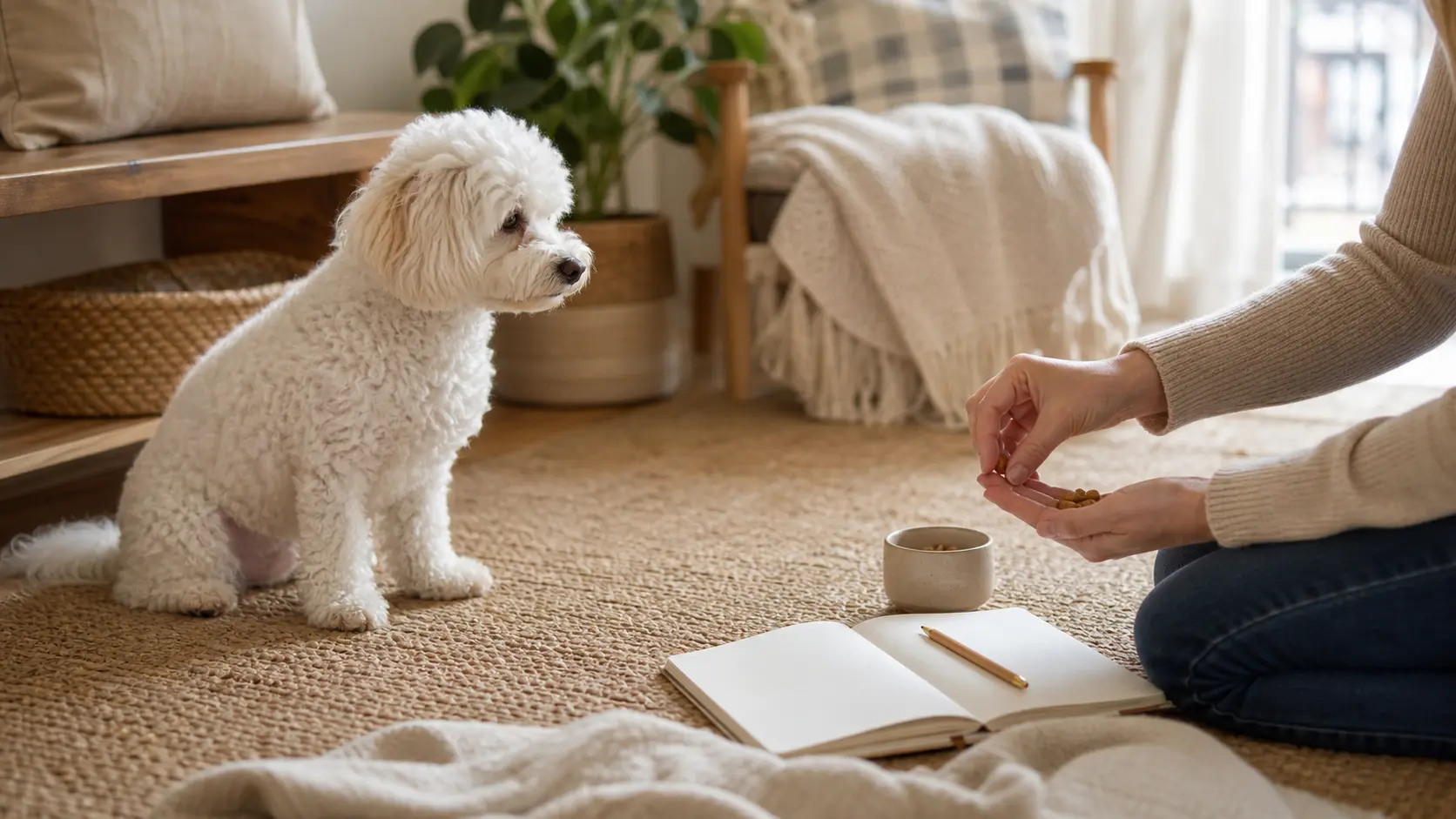
The package is part of the safety record. Before you toss anything, take photos of the front, ingredients, lot code, best-by date, barcode, receipt, and any odd-looking food.
For example, if your dog vomits after breakfast and the bag is almost empty, those photos may be the only way to identify the exact product later.
What to do now
Move the food out of your dog's reach, then clean the bowl, scoop, mat, and storage container before the next meal. Keep the rest of the food sealed if you can do that without spreading mess or odor.
A common mistake is dumping the bag into a storage bin and throwing the package away. If you use a bin, keep the original bag or take clear photos so the food stays traceable.
Symptoms to take seriously
Contact your veterinarian for repeated stomach upset, weakness, collapse, blood, tremors, pain, refusal to eat, or multiple pets affected. If symptoms feel severe or urgent, use an emergency vet.
Tell the clinic the food name, lot code, best-by date, amount eaten, timing, and symptoms. When your dog seems off after a normal meal, that timeline helps the vet decide what matters most.
How to stay organized
- Stop feeding it Move the food where your dog cannot reach it.
- Save the package Keep the lot code, best-by date, barcode, and receipt.
- Write down exposure Note how much your dog ate and when.
- Watch your dog Track appetite, stool, vomiting, energy, pain, and behavior.
- Clean the gear Wash bowls, scoops, mats, and storage containers before using new food.
- Call when needed Contact your vet for symptoms, uncertainty, or multiple pets affected.
What this page is not
This is not a live recall database and it cannot diagnose your dog. It is a practical checklist for the moment when food is recalled, suspected unsafe, spoiled, or connected to symptoms.
Check official notices and the food company for recall details. For your own dog, your veterinarian is the right person to help decide whether symptoms, exposure, or testing need attention.
Helpful tools
Choose tools that help you isolate suspect food, measure what was eaten, and clean the feeding area before the next meal.
Affiliate links: Furball Cove may earn from qualifying purchases at no extra cost to you.
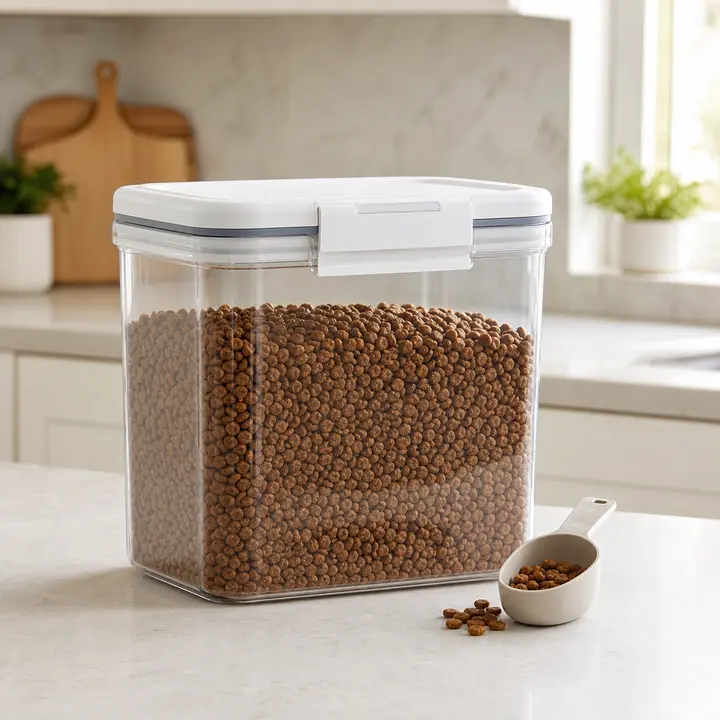
Airtight food storage
Helps isolate a suspect bag and keep the next food sealed and traceable.
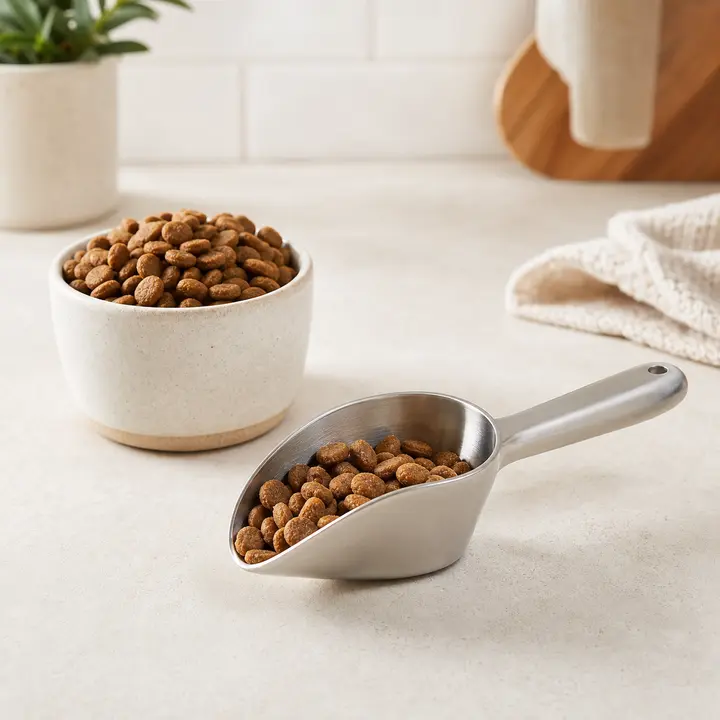
Measuring scoop
Makes it easier to estimate how much your dog ate if you need to call the clinic.
Nonslip feeding mat
Keeps the feeding mat and floor area easier to clean after you remove a recalled or spoiled food.
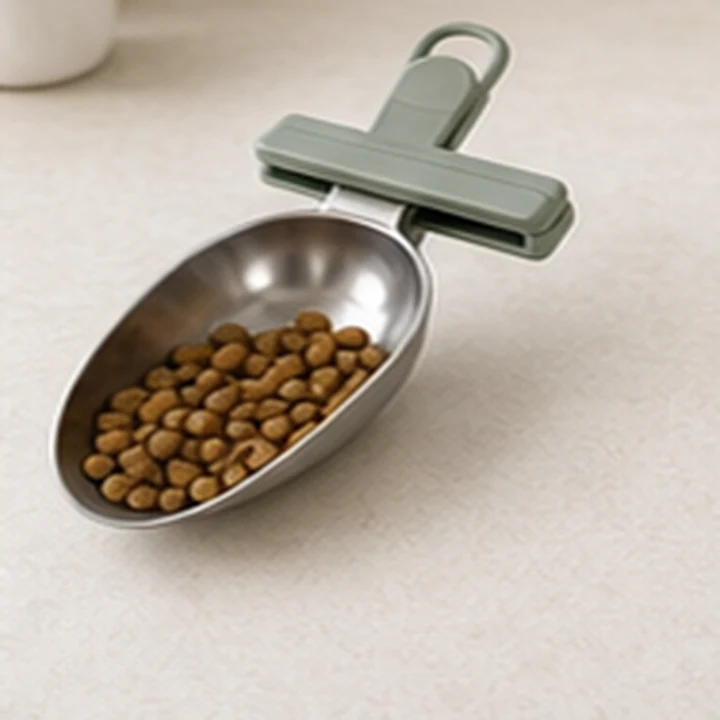
Food scoop with clip
Helps close the original bag while you save the label, lot code, and purchase details.
Common questions
Where do I check for dog food recalls?
Use official recall notices, the food company, and your veterinarian. This page is a checklist, not a live recall database.
Should I throw the food away immediately?
Stop feeding it, but save the package details first. Keep the remaining food sealed and out of reach while you check whether your vet, the company, or the recall notice needs more information.
What if my dog seems fine?
Stop feeding recalled or suspicious food and keep the details. Watch your dog, and contact your veterinarian if symptoms appear or if you are unsure about exposure.