

Dog food
Dog Food
Start with a complete food for your dog's life stage, then use portions, schedule, storage, and slow transitions to make meals work in real life.
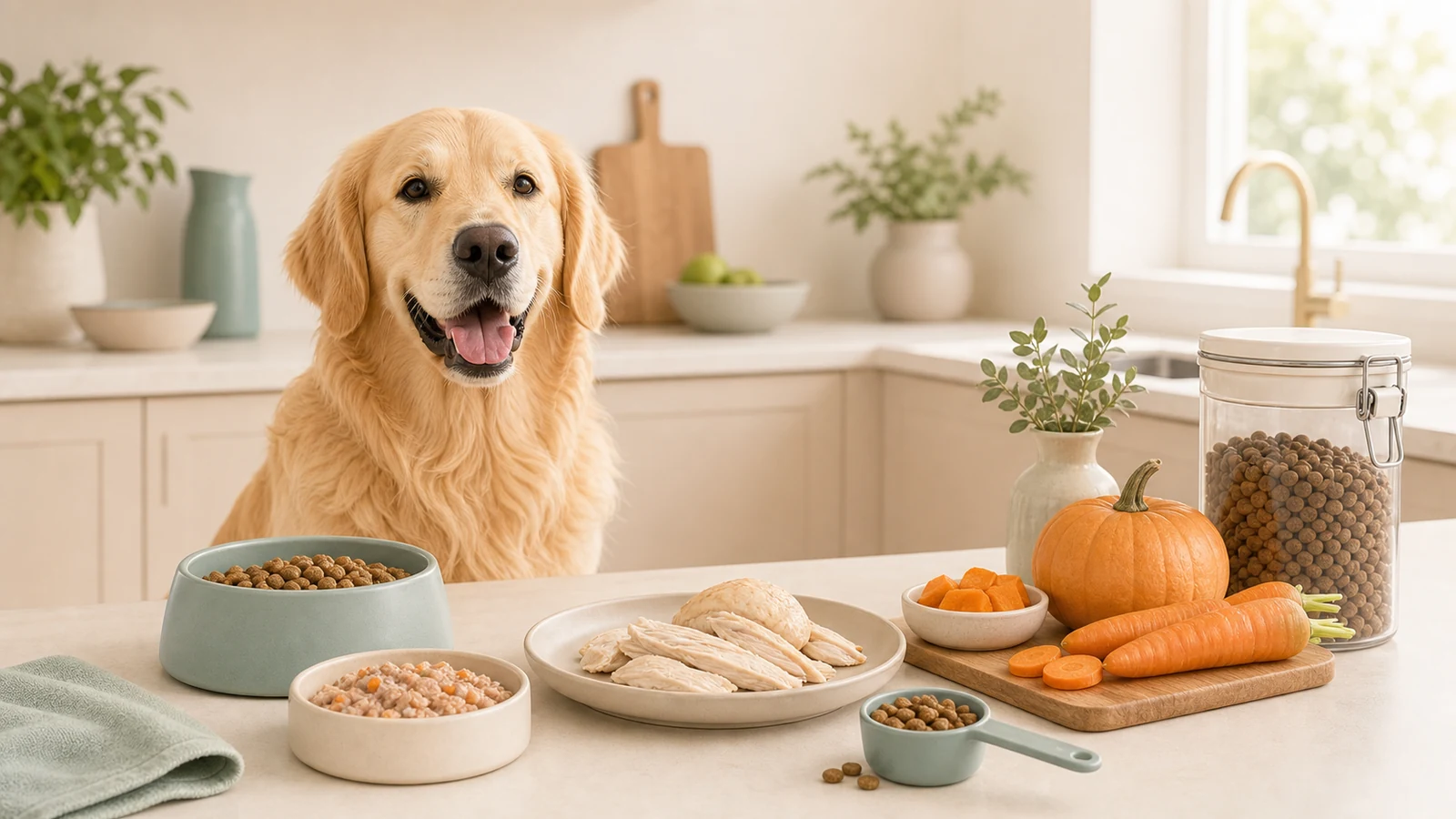
Can my dog eat this?
Where to start
If you are trying to make the next food decision, start with the choice in front of you: food type, portion, schedule, or transition.
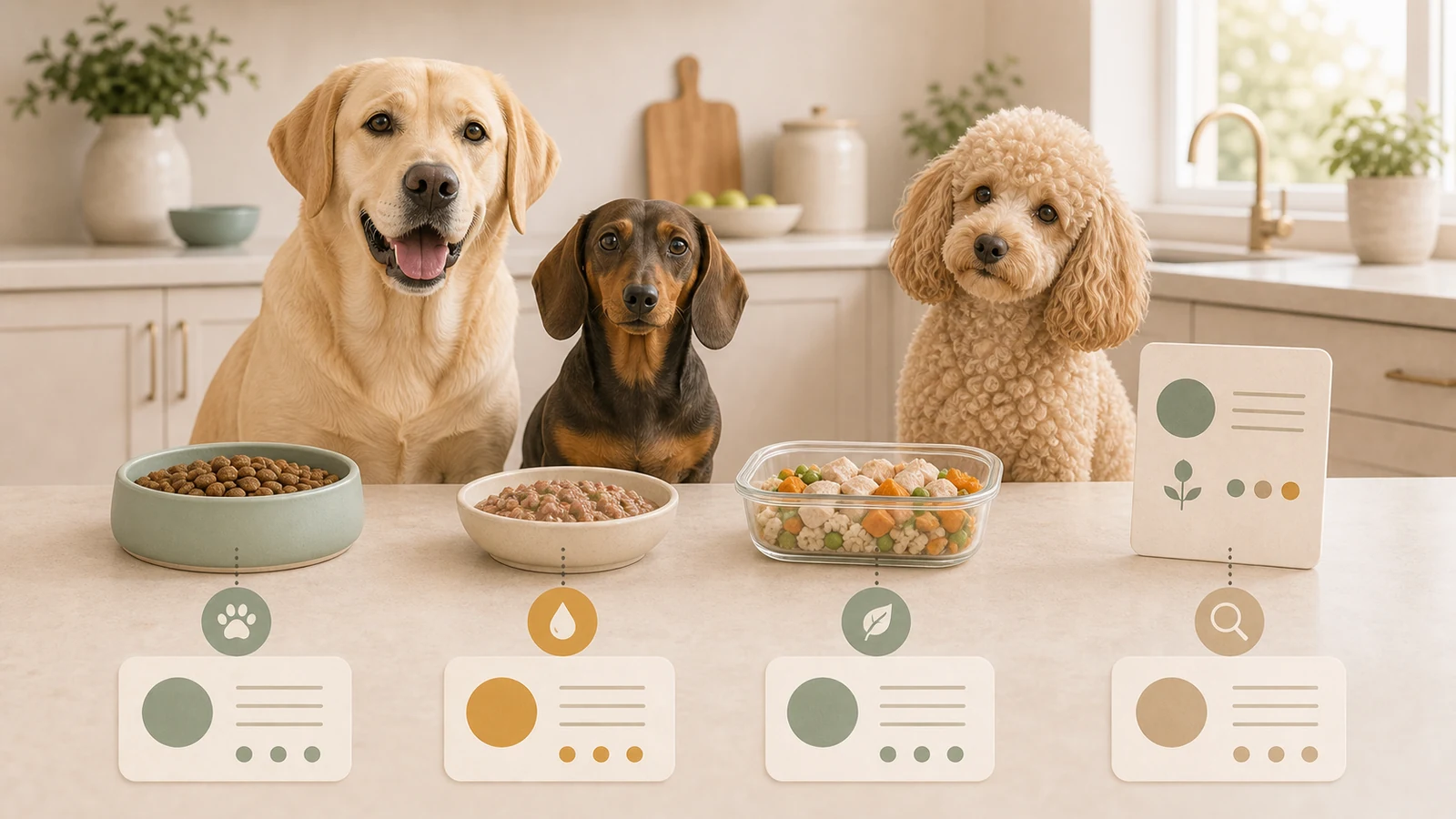 Dog Food Chooser
Compare dry, wet, fresh, raw, homemade, freeze-dried, and dehydrated food by real daily routine.
Dog Food Chooser
Compare dry, wet, fresh, raw, homemade, freeze-dried, and dehydrated food by real daily routine.
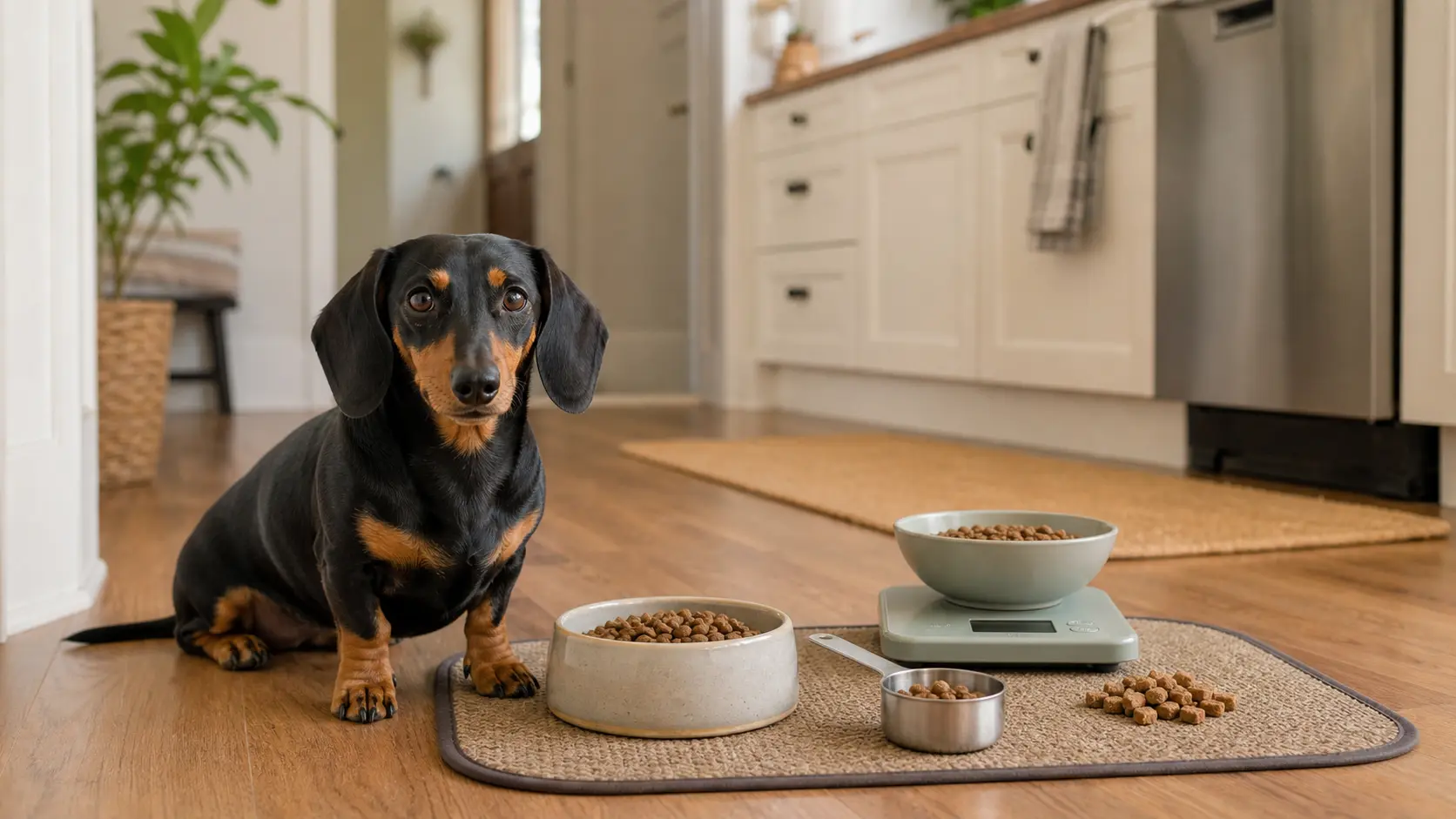 Portion Guide
Use this when scoop sizes, treat counts, or body condition feel fuzzy.
Portion Guide
Use this when scoop sizes, treat counts, or body condition feel fuzzy.
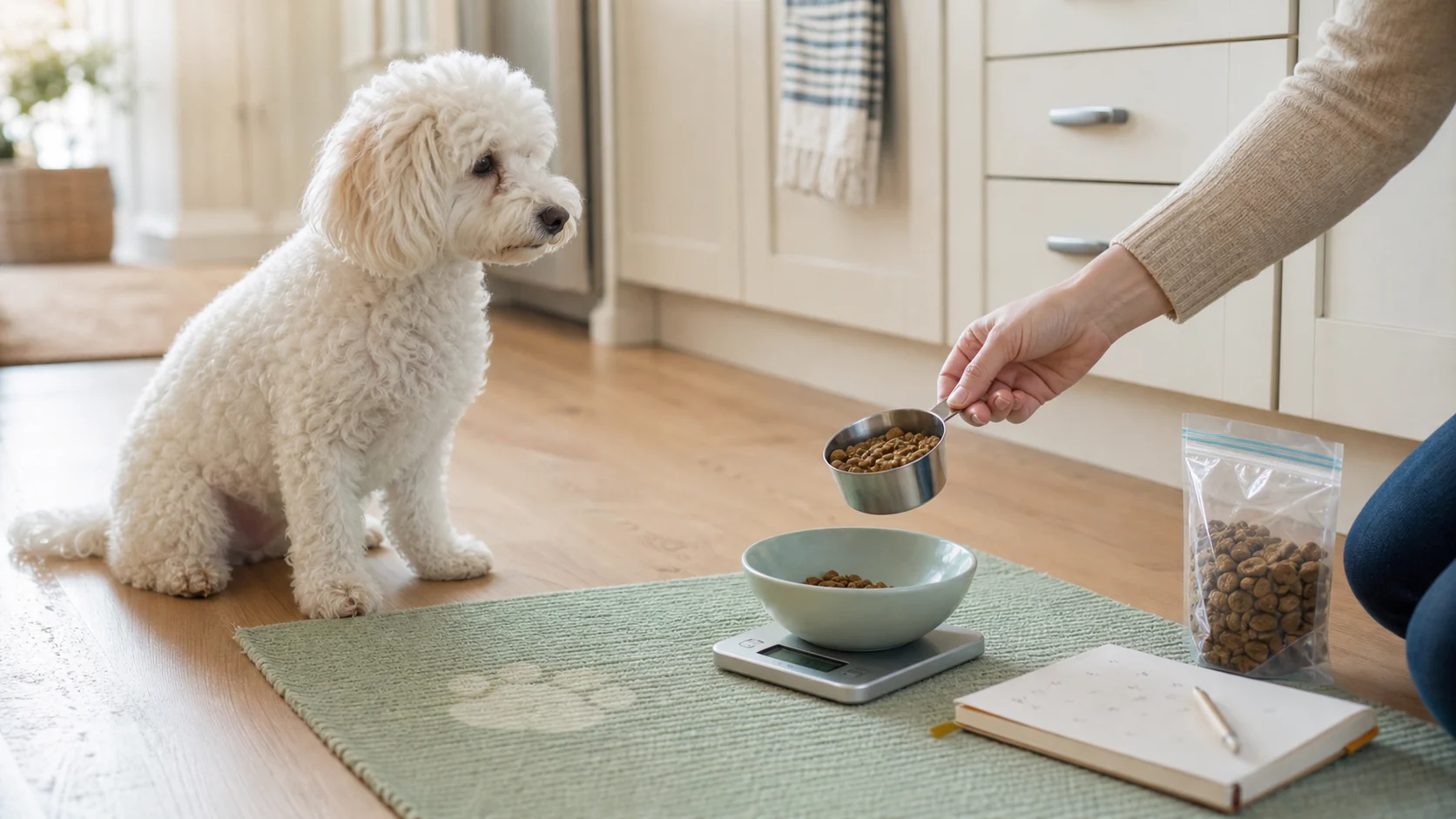 Feeding Schedule
Build meal timing around walks, training, sleep, and the rest of your dog's normal day.
Feeding Schedule
Build meal timing around walks, training, sleep, and the rest of your dog's normal day.
Everyday food choices
What kind of food should you feed? Start with the format that fits your dog and your routine.
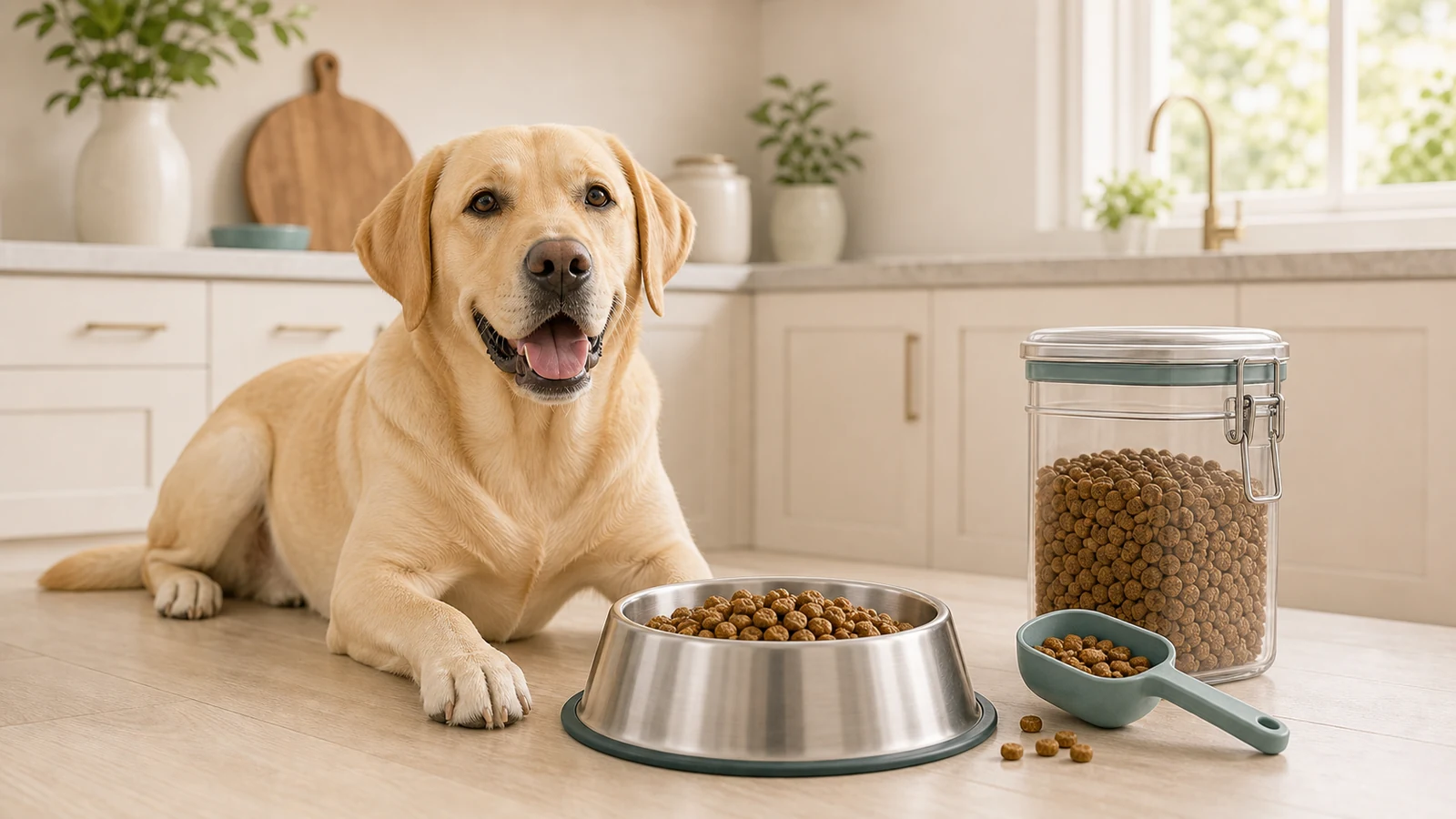 Dry Food
Easy storage, measured meals, and puzzle-friendly feeding.
Dry Food
Easy storage, measured meals, and puzzle-friendly feeding.
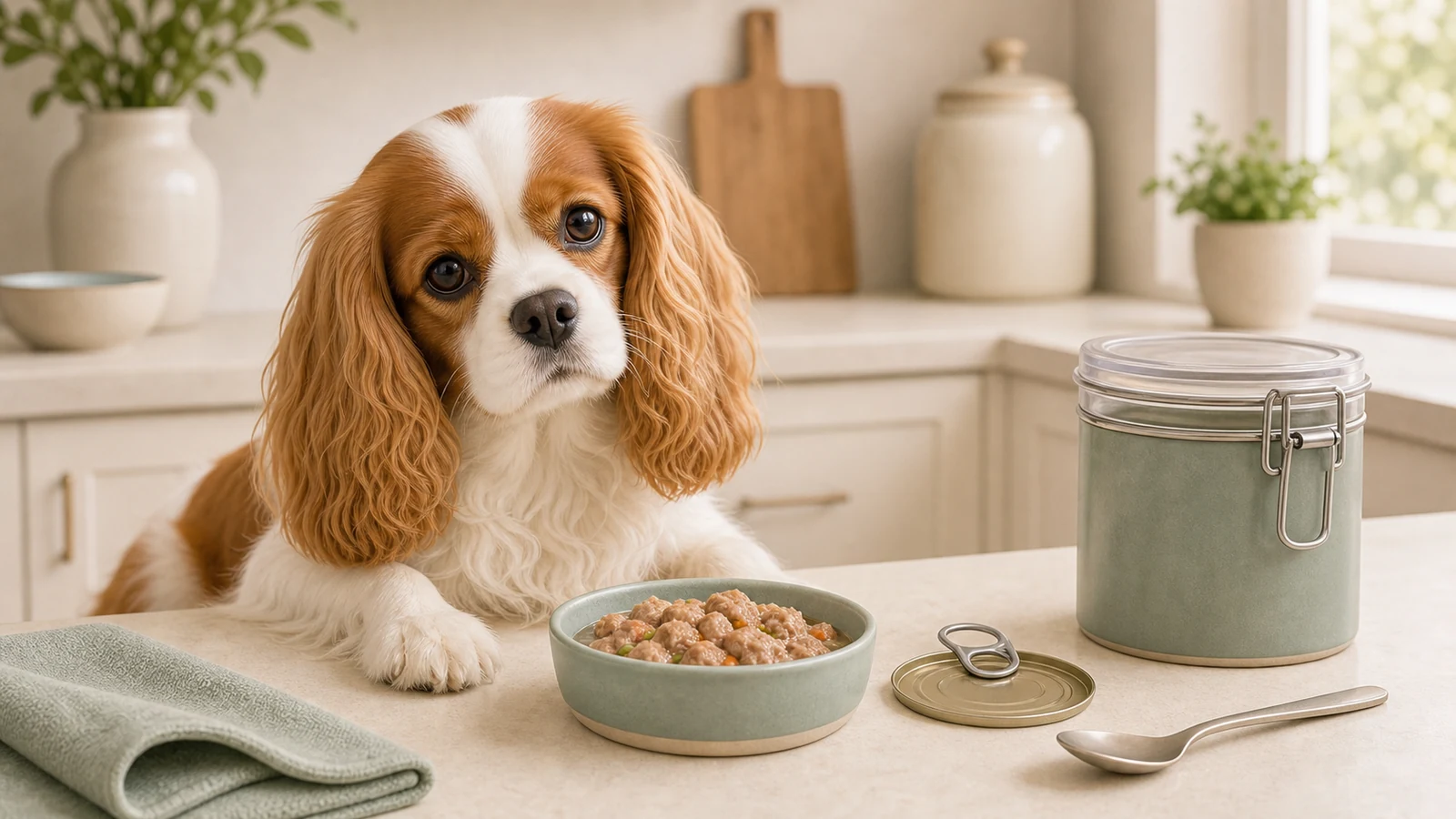 Wet Food
Softer meals for dogs who need more smell, moisture, or easier chewing.
Wet Food
Softer meals for dogs who need more smell, moisture, or easier chewing.
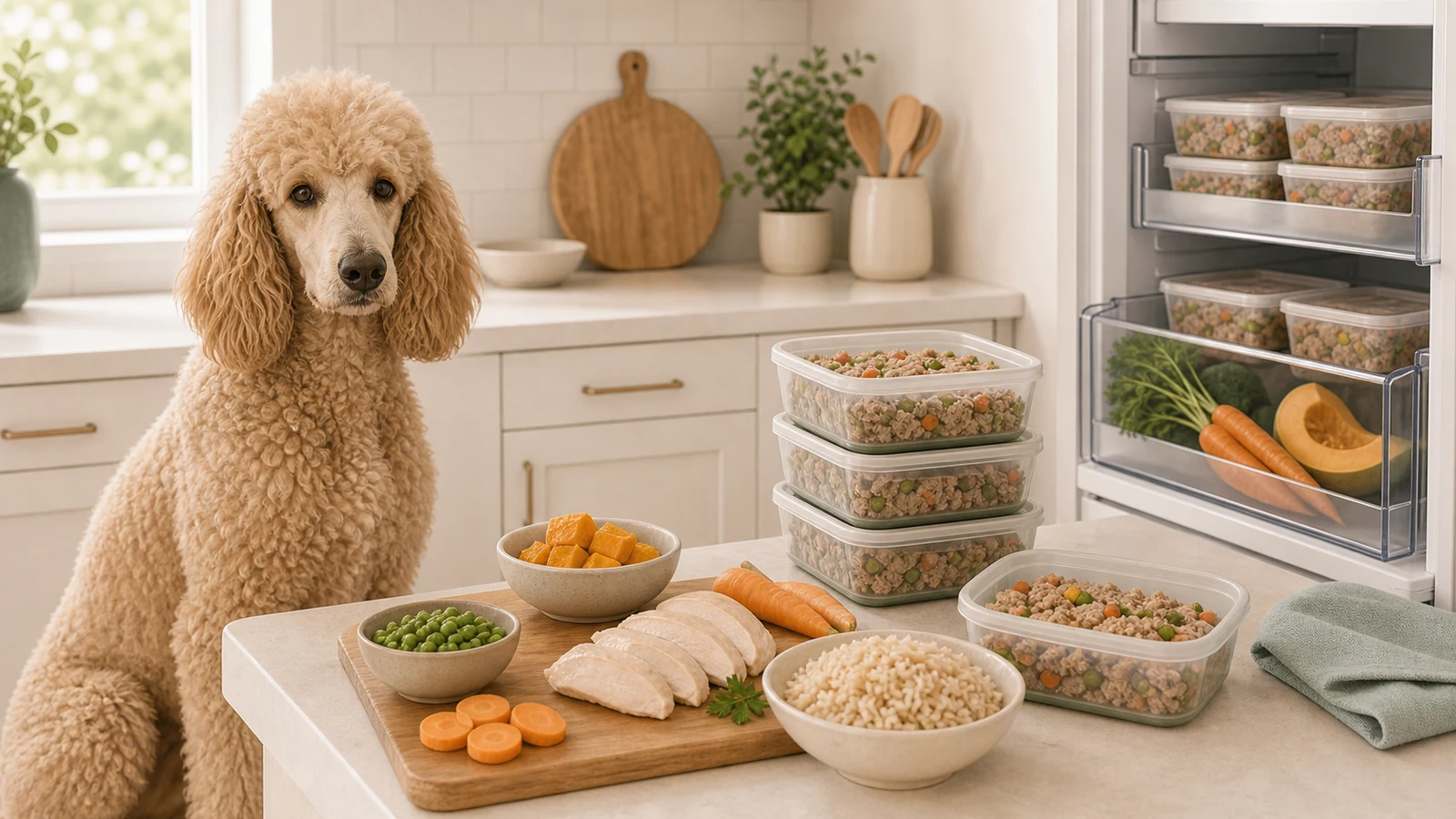 Fresh Food
Cooked pre-portioned meals that have to fit your fridge, freezer, and budget.
Fresh Food
Cooked pre-portioned meals that have to fit your fridge, freezer, and budget.
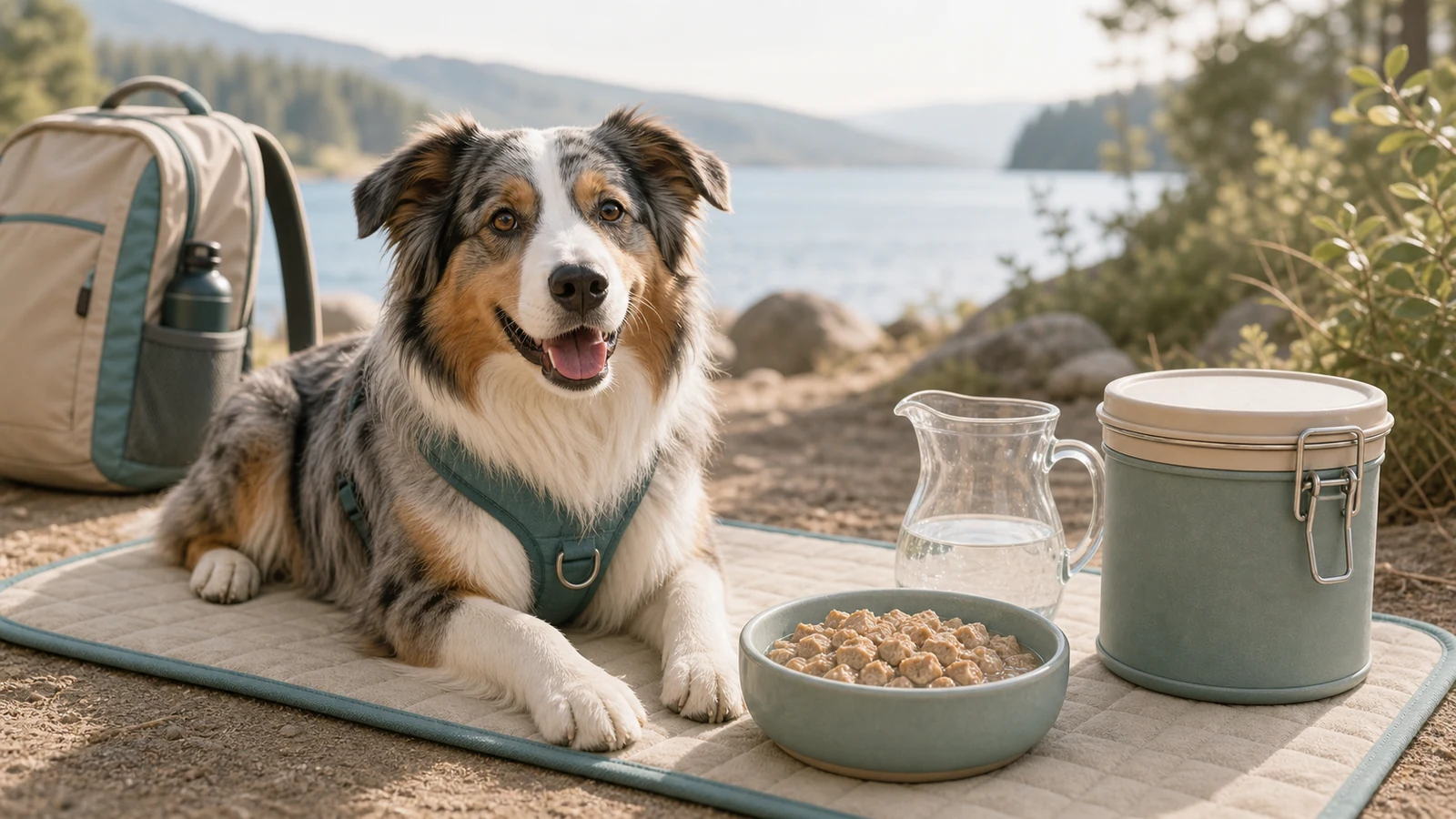 Freeze-Dried Food
Lightweight training pieces, toppers, and travel meals that can be calorie-dense.
Freeze-Dried Food
Lightweight training pieces, toppers, and travel meals that can be calorie-dense.
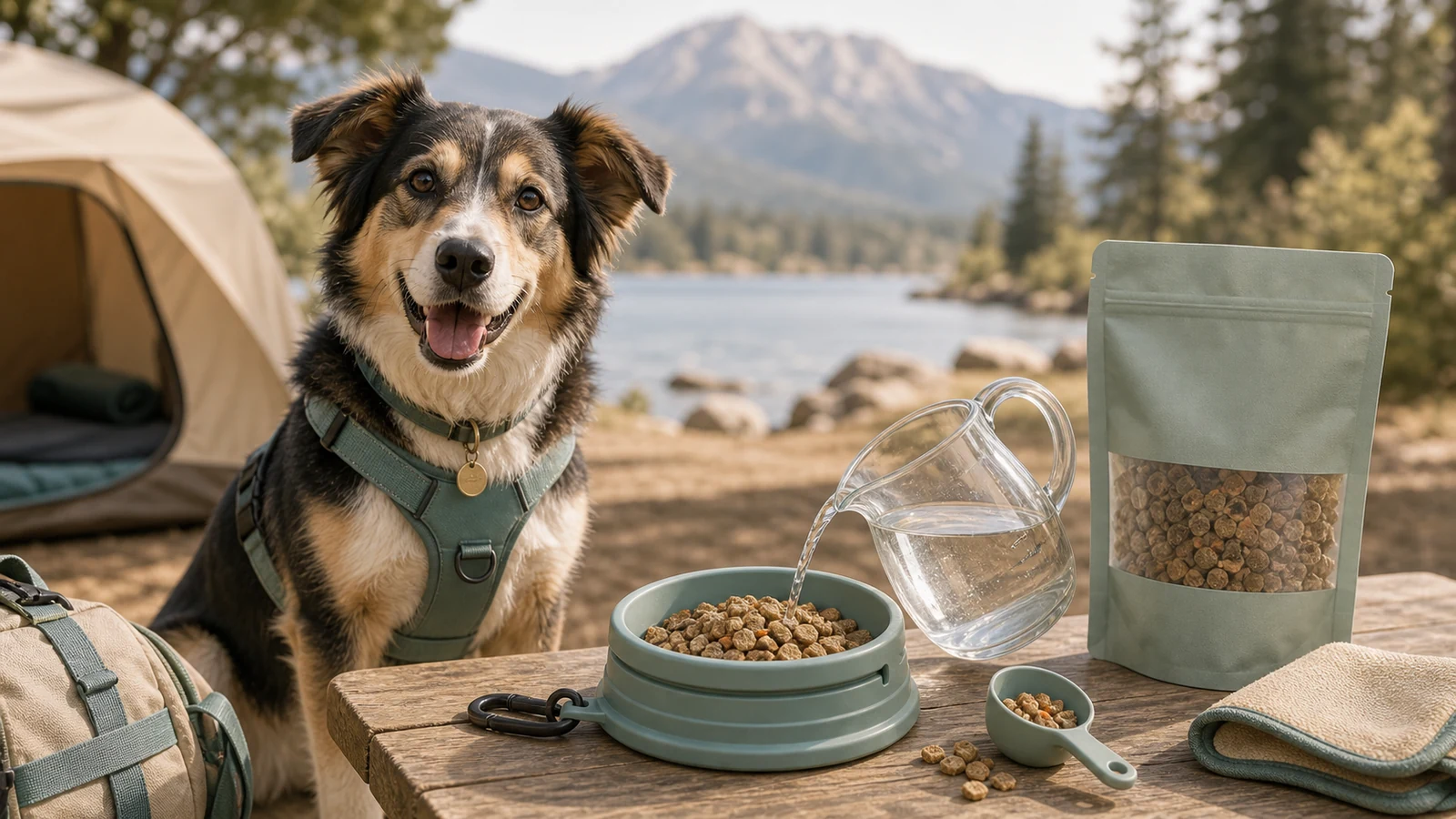 Dehydrated Food
Shelf-stable meals for owners who do not mind scoop, water, stir, and wait.
Dehydrated Food
Shelf-stable meals for owners who do not mind scoop, water, stir, and wait.
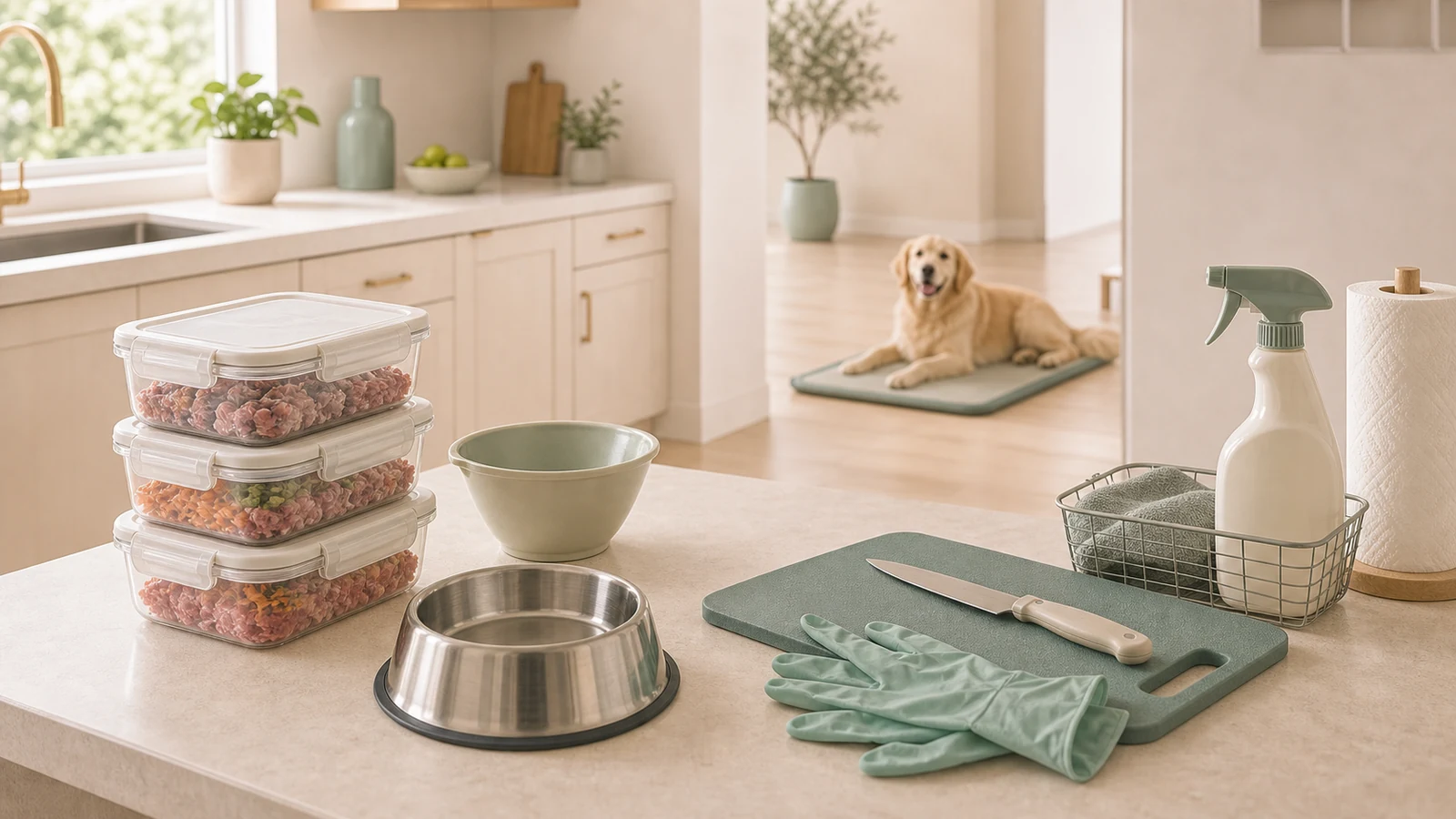 Raw Food
A meat-forward option some dogs love, with balance, sourcing, storage, and cleanup to plan.
Raw Food
A meat-forward option some dogs love, with balance, sourcing, storage, and cleanup to plan.
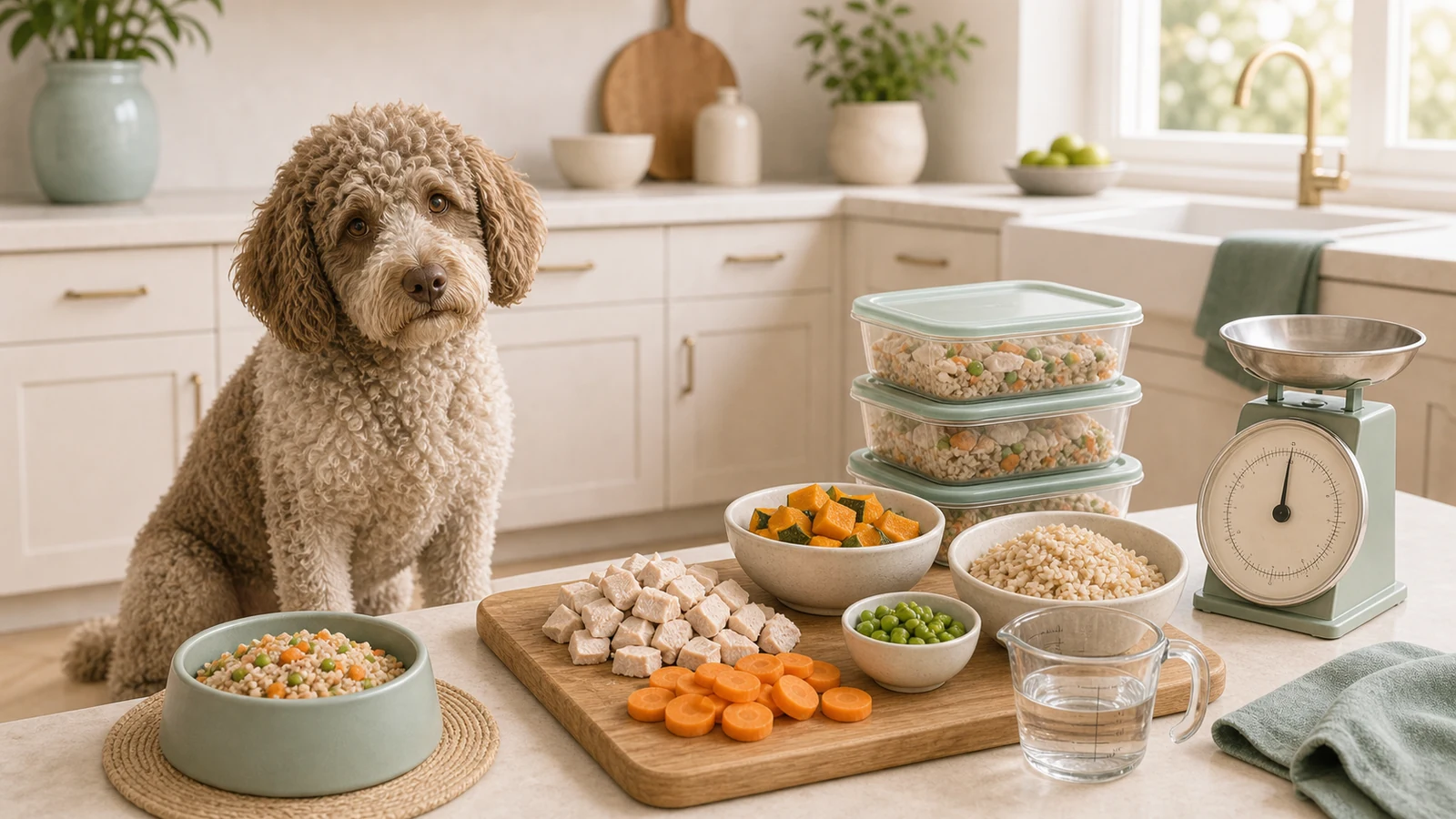 Homemade Food
Cooked meals that need a real recipe plan, exact portions, storage, and vet guidance.
Homemade Food
Cooked meals that need a real recipe plan, exact portions, storage, and vet guidance.
Life stage & special needs
Puppies, seniors, picky dogs, overweight dogs, and sensitive dogs need different decisions.
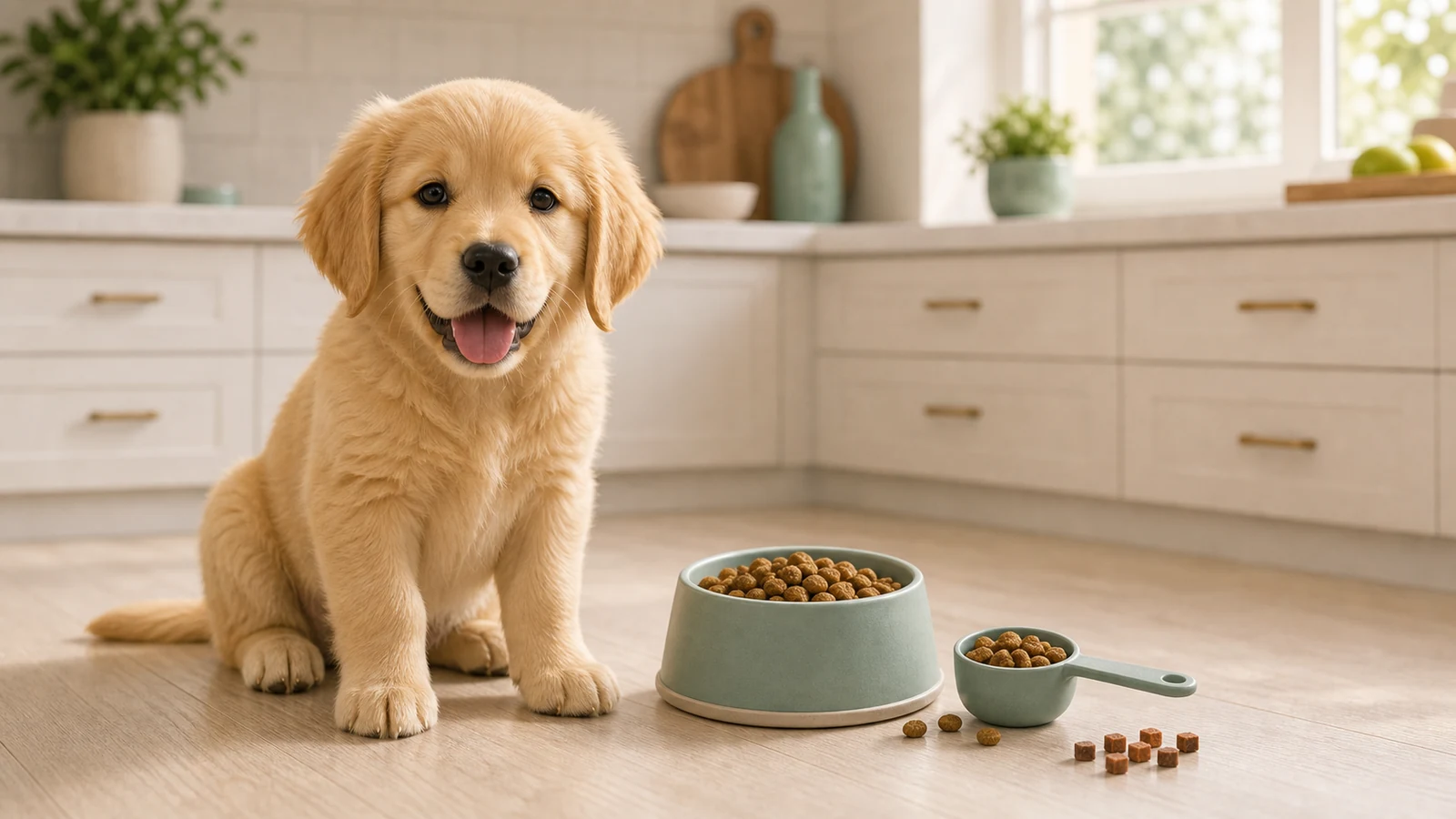 Puppy Food
Growth diets, meal rhythm, treats, and label checks.
Puppy Food
Growth diets, meal rhythm, treats, and label checks.
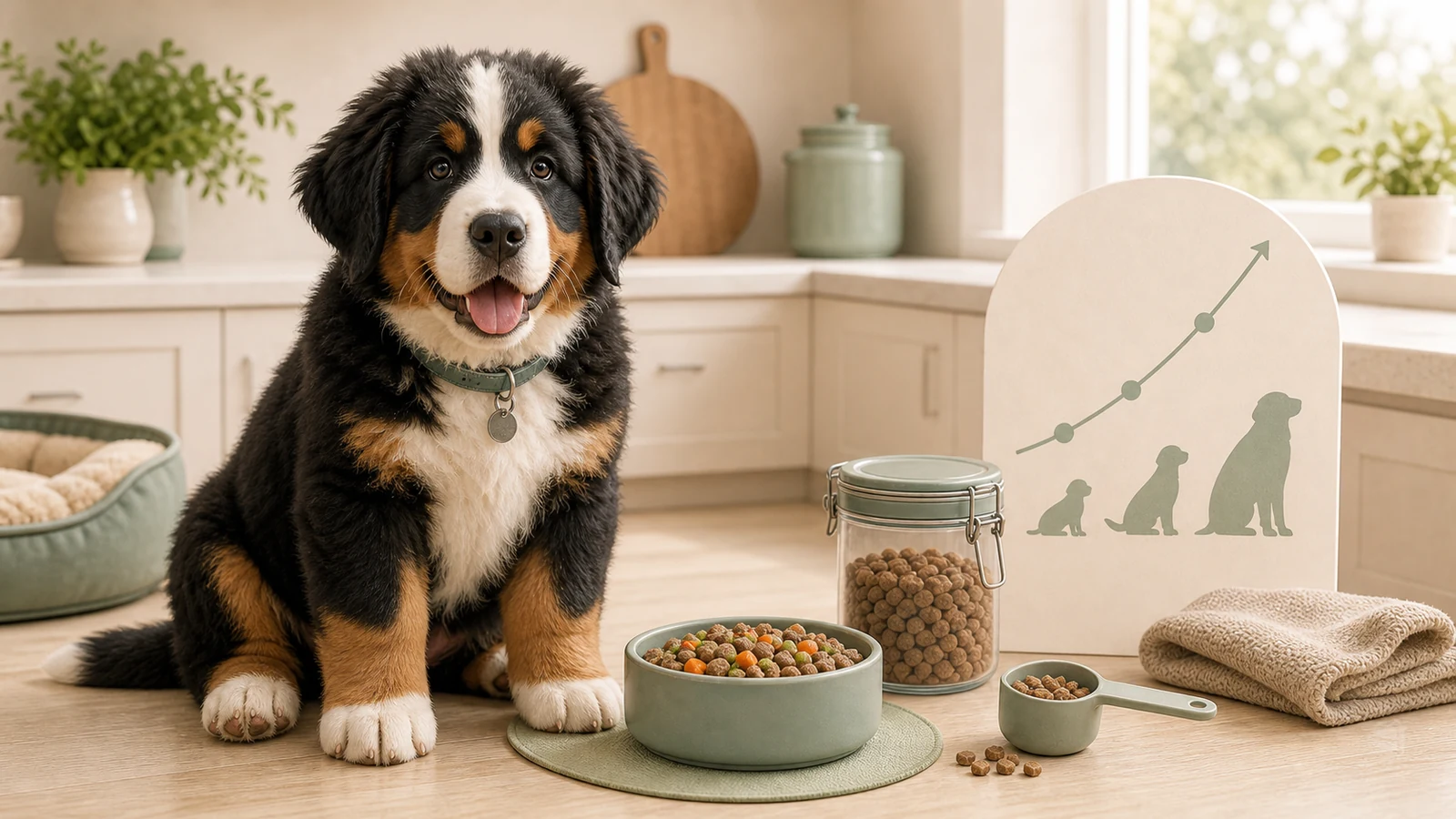 Large-Breed Puppies
Steady growth support for future big dogs.
Large-Breed Puppies
Steady growth support for future big dogs.
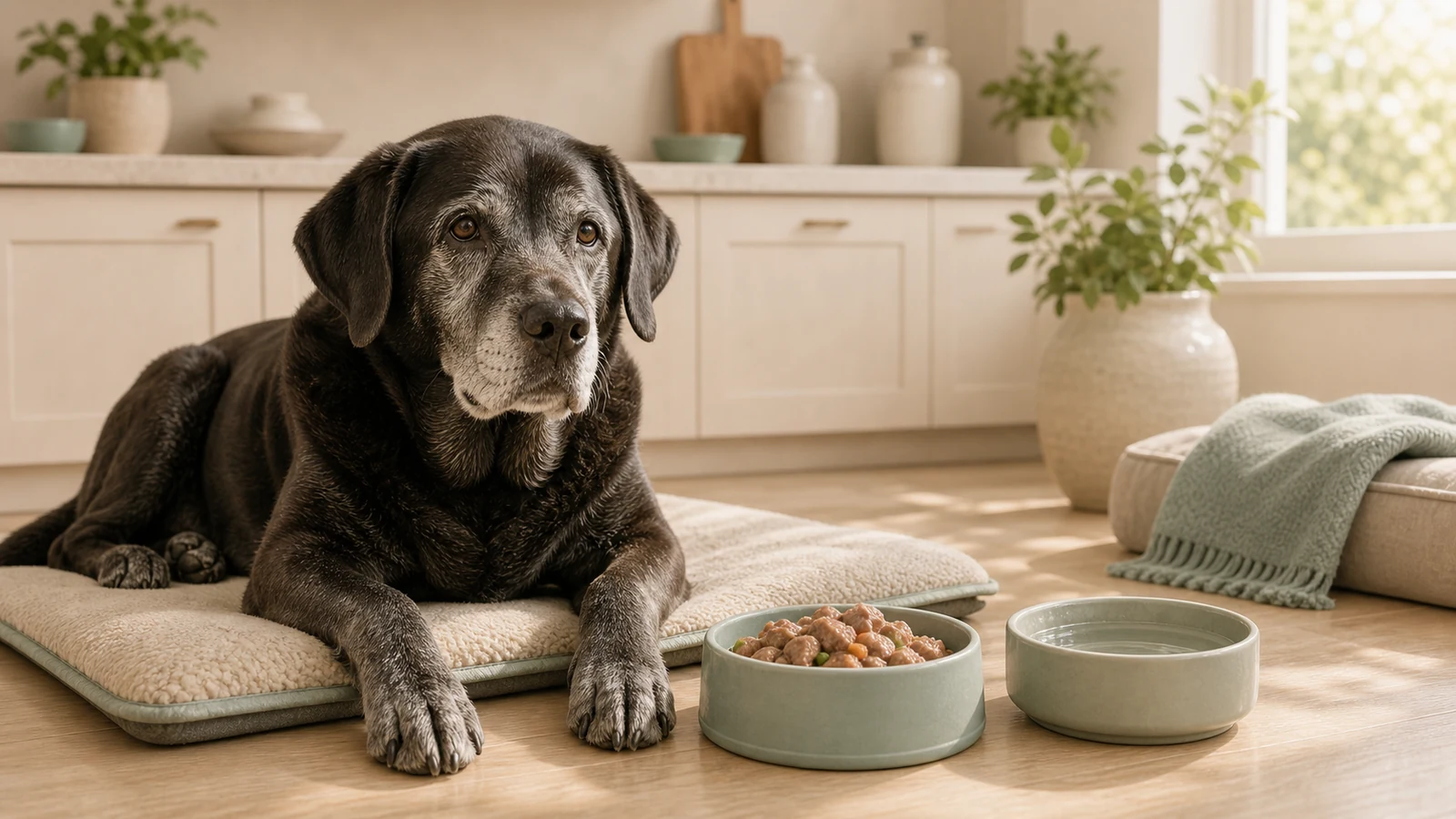 Senior Dogs
Appetite, teeth, weight, protein, and changing needs.
Senior Dogs
Appetite, teeth, weight, protein, and changing needs.
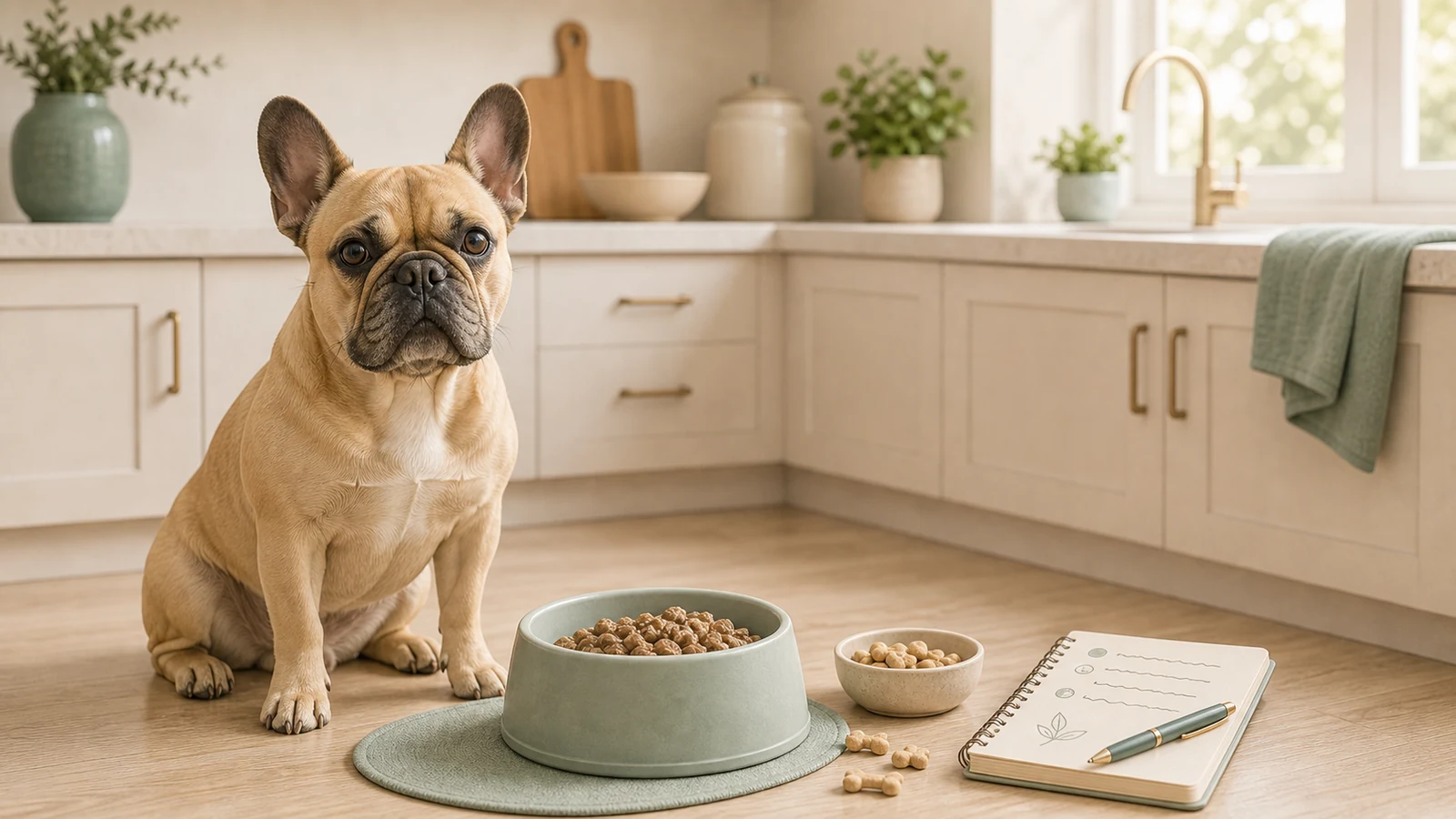 Sensitive Stomachs
Slow changes, symptom tracking, and vet-guided plans.
Sensitive Stomachs
Slow changes, symptom tracking, and vet-guided plans.
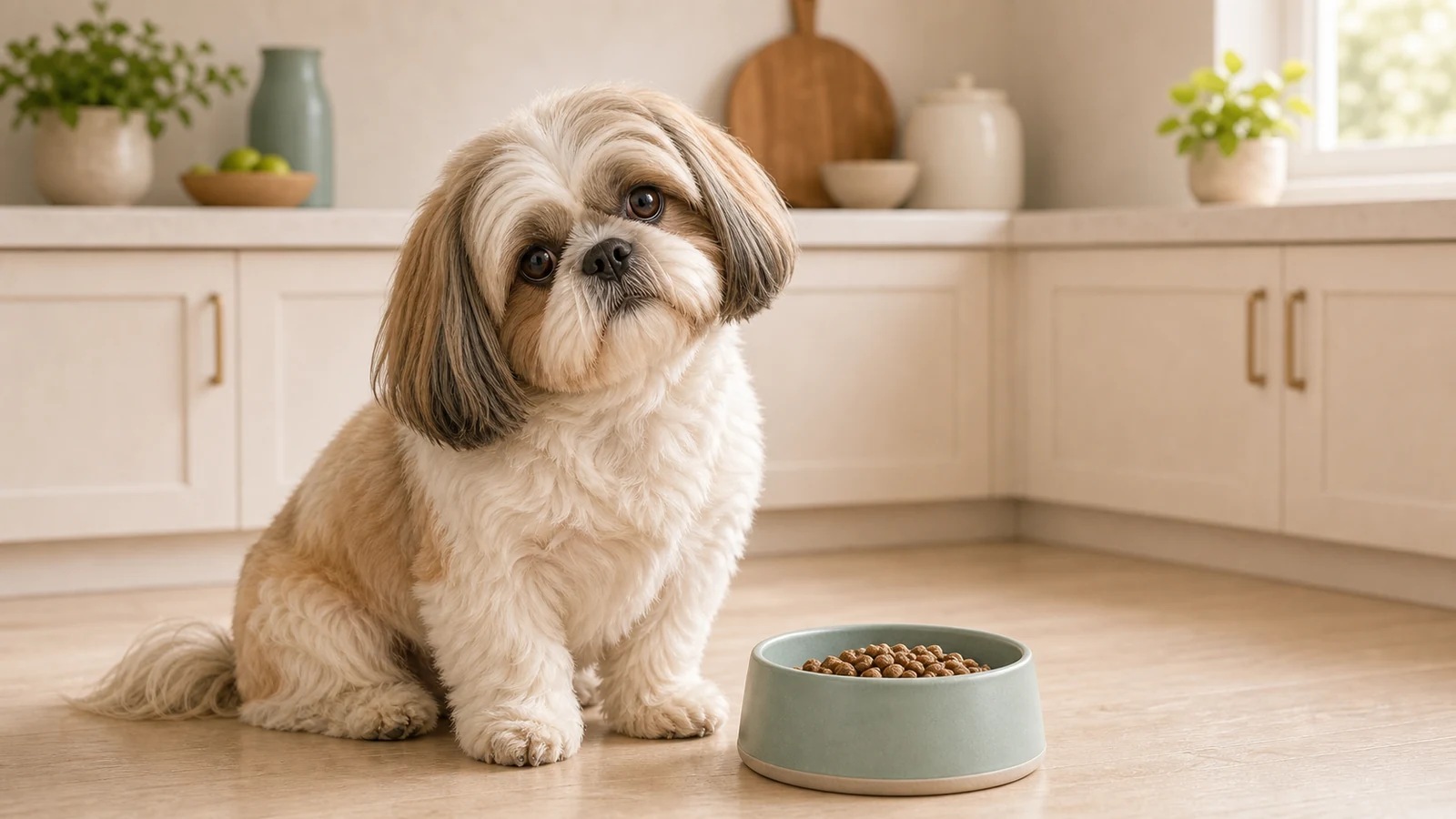 Picky Eaters
Check routine, health clues, and snack timing before changing food again.
Picky Eaters
Check routine, health clues, and snack timing before changing food again.
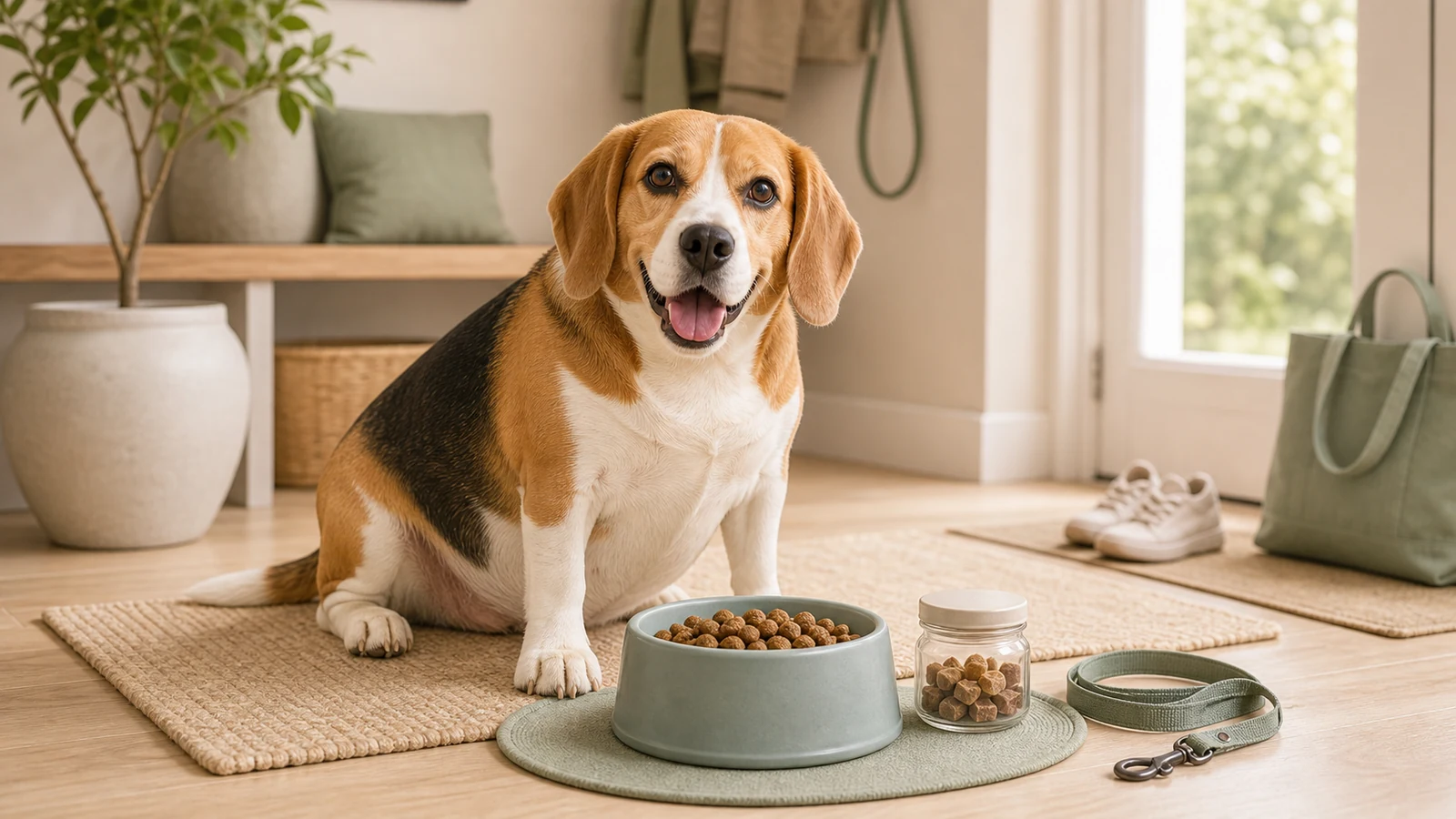 Overweight Dogs
Measure honestly, count treats, and avoid shame.
Overweight Dogs
Measure honestly, count treats, and avoid shame.
Simple feeding routines
How much, how often, how to switch, how to store, and how to read the label.
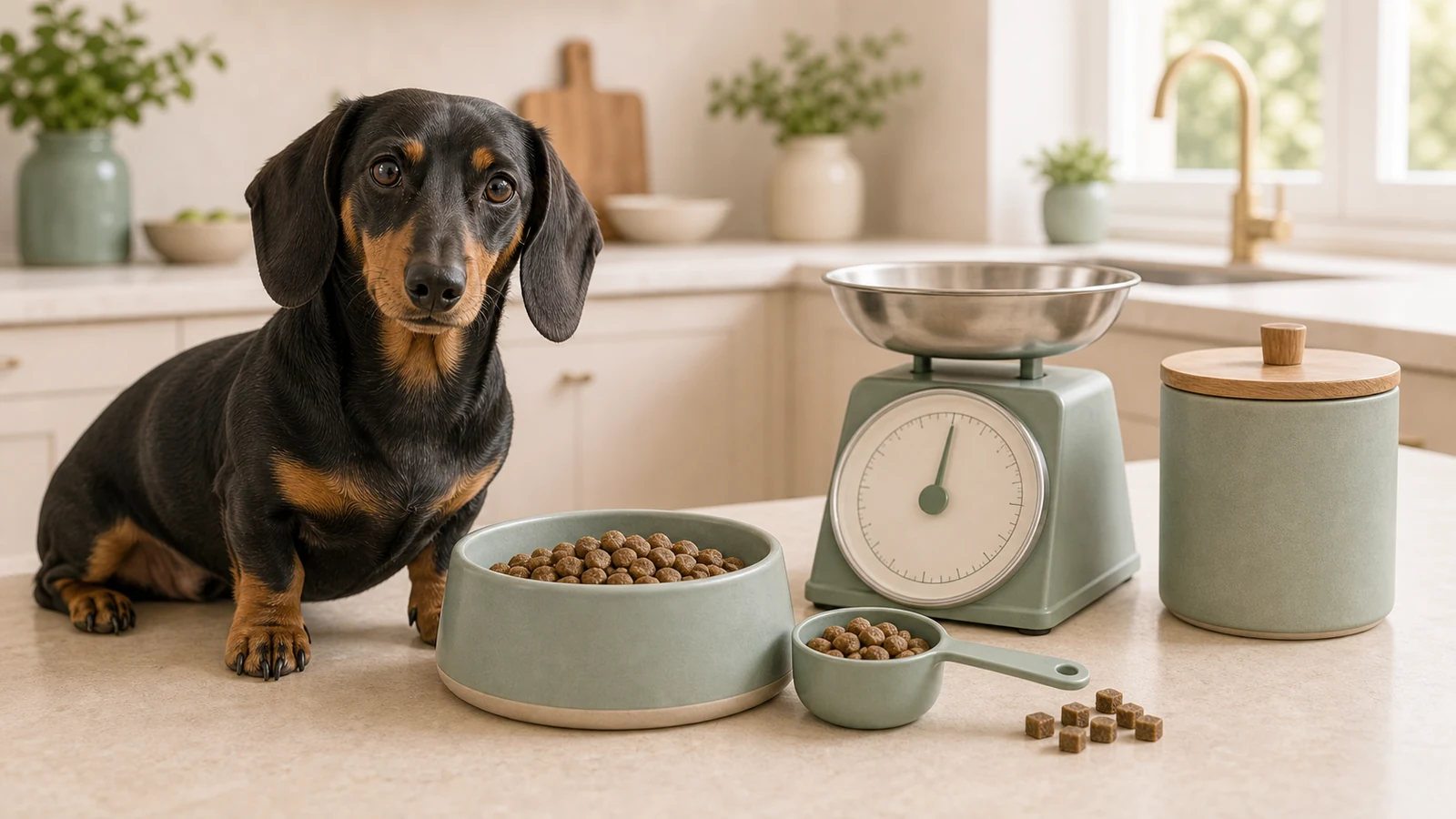 Portion Guide
Measure meals, count treats, and watch body condition.
Portion Guide
Measure meals, count treats, and watch body condition.
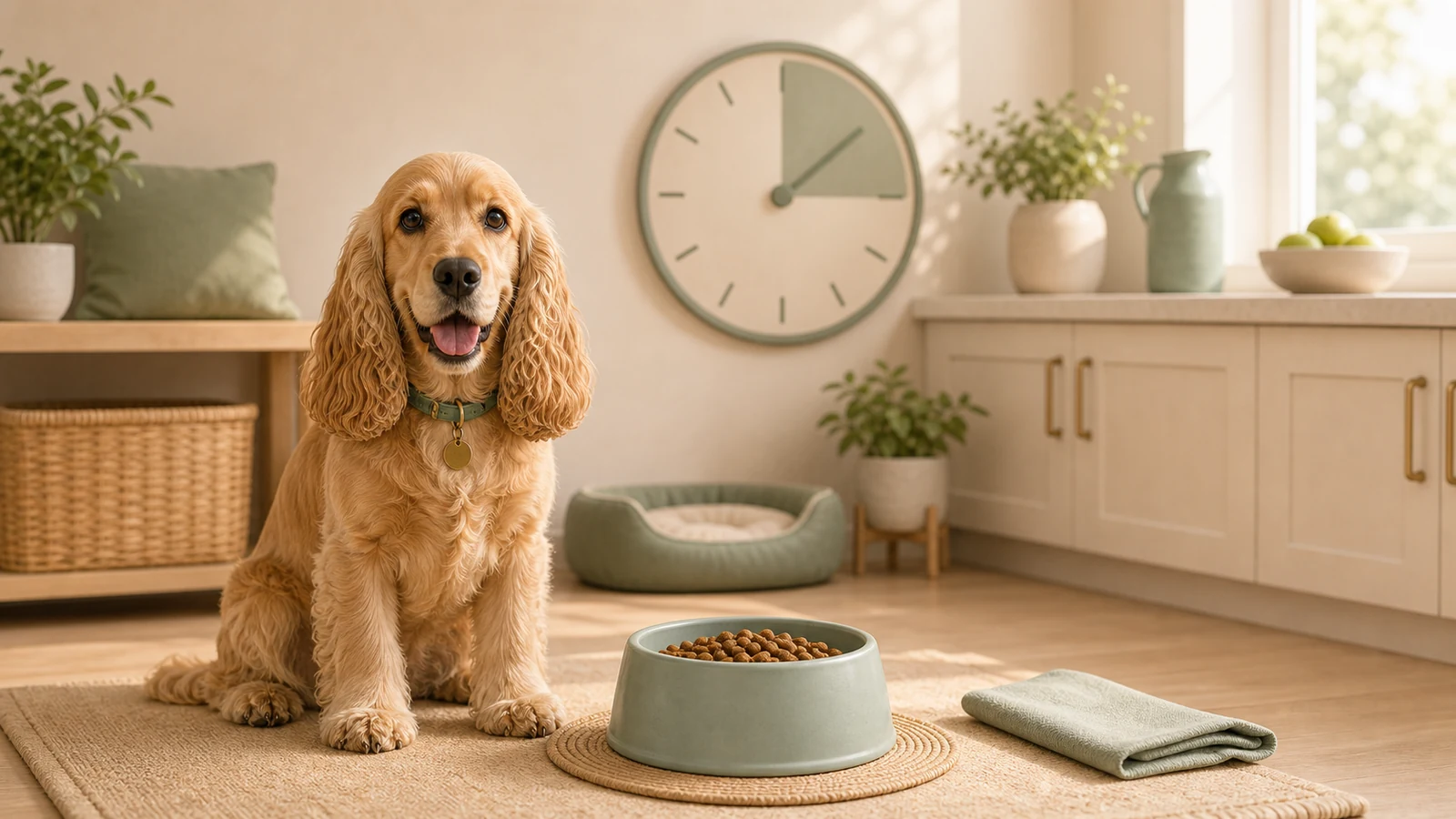 Feeding Schedule
Build a calm routine for puppies, adults, and seniors.
Feeding Schedule
Build a calm routine for puppies, adults, and seniors.
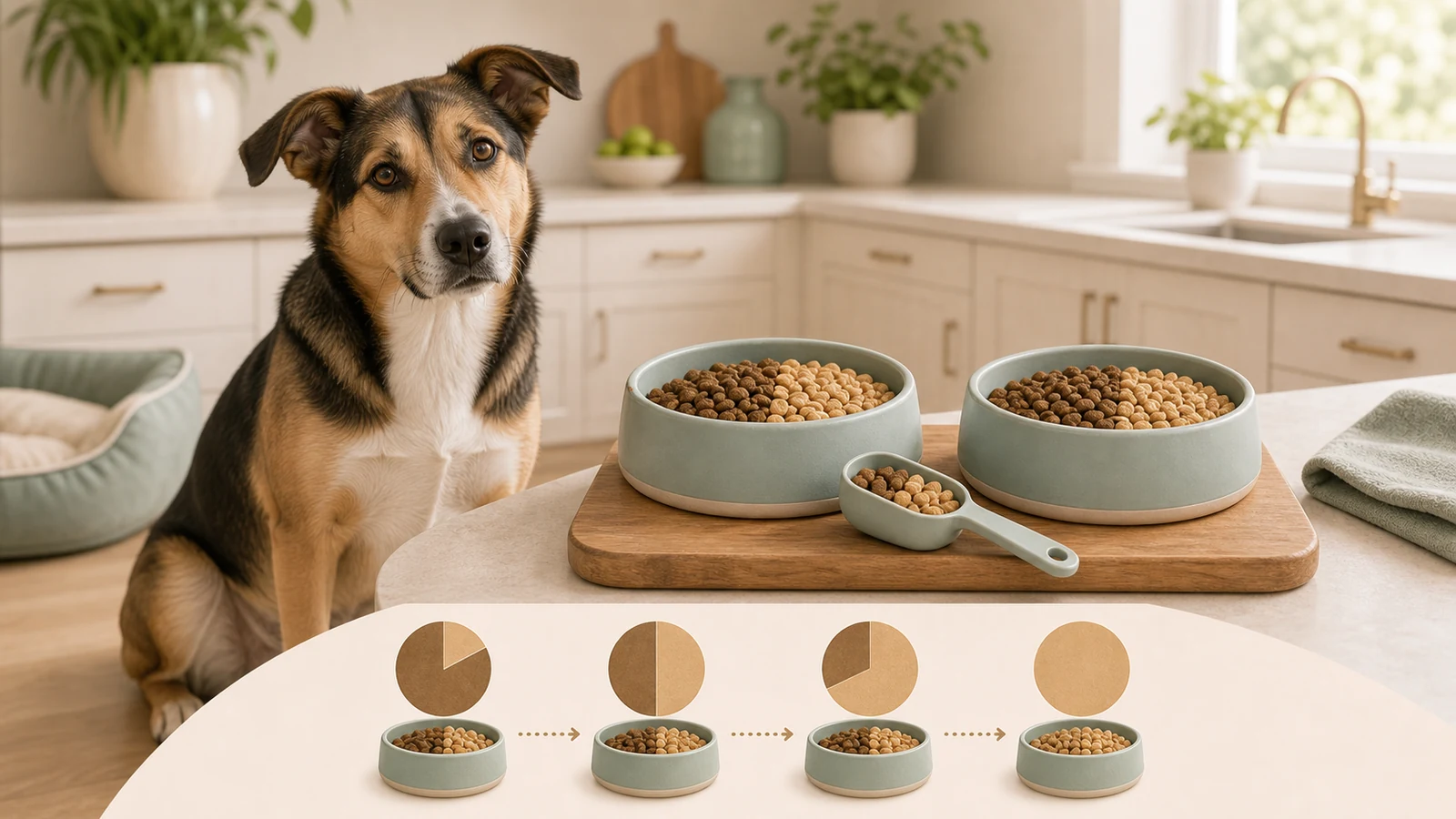 Transition Guide
Switch foods slowly and watch stool, appetite, and comfort.
Transition Guide
Switch foods slowly and watch stool, appetite, and comfort.
 Labels & Ingredients
Read life stage, calories, adequacy, ingredients, and claims.
Labels & Ingredients
Read life stage, calories, adequacy, ingredients, and claims.
 Storage & Safety
Keep food fresh, sealed, clean, and trackable.
Storage & Safety
Keep food fresh, sealed, clean, and trackable.
 Recall Checklist
Save the bag, stop feeding, and check the lot code.
Recall Checklist
Save the bag, stop feeding, and check the lot code.
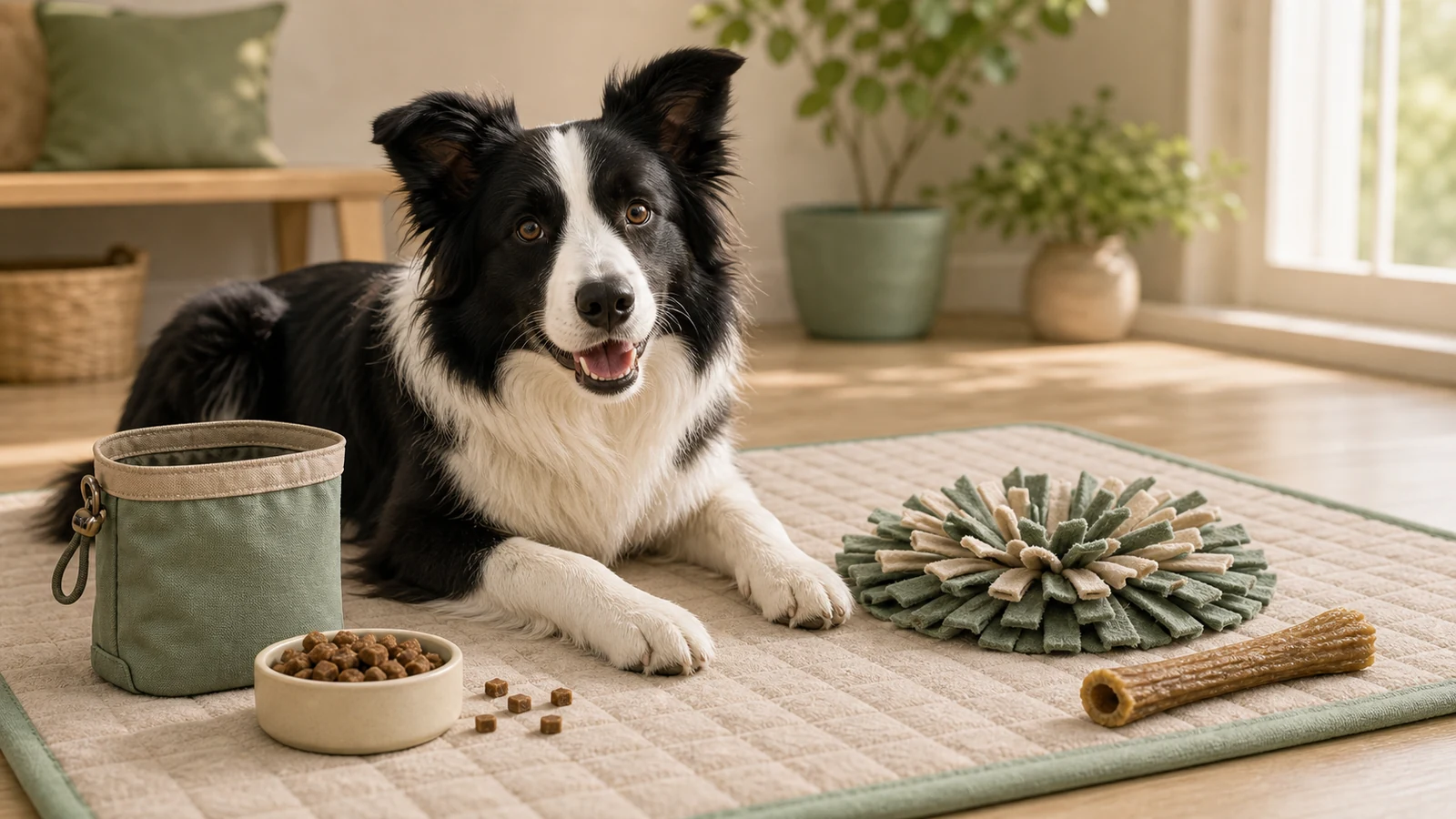
Treats, toppers & enrichment
Extras should be safe, useful, and small enough to keep meals balanced.
When food is a vet question
Call your veterinarian if your dog ate a toxic food, has repeated vomiting or diarrhea, refuses food, loses weight suddenly, drinks much more than usual, or seems weak, painful, or not like themselves.