Updated
Dog food guide
How to Store Dog Food Safely
Keep dog food sealed, clean, cool, and trackable. Start by saving the lot code and best-by date, then match storage to the food: pantry for dry food, fridge for opened wet or fresh food, and freezer habits for frozen, raw, or homemade meals.
Quick answer for real life
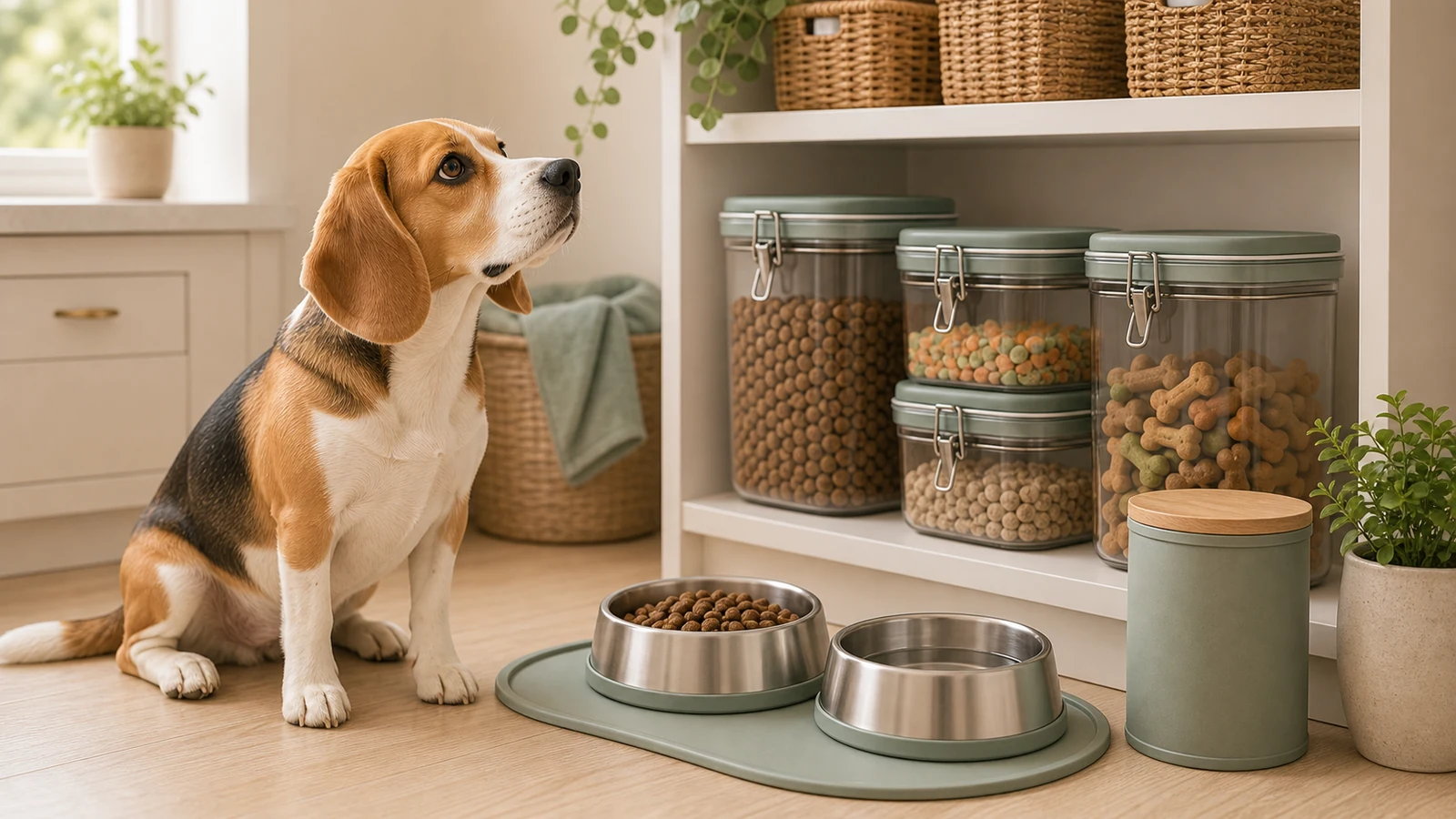
The easiest storage rule is this: keep food sealed, clean, cool, and easy to identify later. That means closed containers, clean scoops, washed bowls, and package details saved somewhere you can find them.
Storage matters most on normal days. Picture the puppy who learns where the pantry bin lives, the senior who gets a soft meal from the fridge, or the road-trip portion packed before work. A small routine keeps meals fresher and makes it easier to notice when something smells, looks, or feels wrong.
Set up the storage routine
- Save the label details Keep the lot code, best-by date, brand, recipe name, and feeding directions before the package gets tossed.
- Pick the right spot Keep dry food cool and closed, refrigerate opened wet or fresh food, and keep frozen meals frozen until thawing time.
- Keep serving tools clean Wash bowls, spoons, mats, and scoops before old residue becomes part of the next meal.
- Check before you serve Smell the food, look for dampness or pests, and throw it away if it seems off.
- Pack travel meals before the rush Measure portions into sealed containers so the dog eats the same amount away from home.
Dry food storage
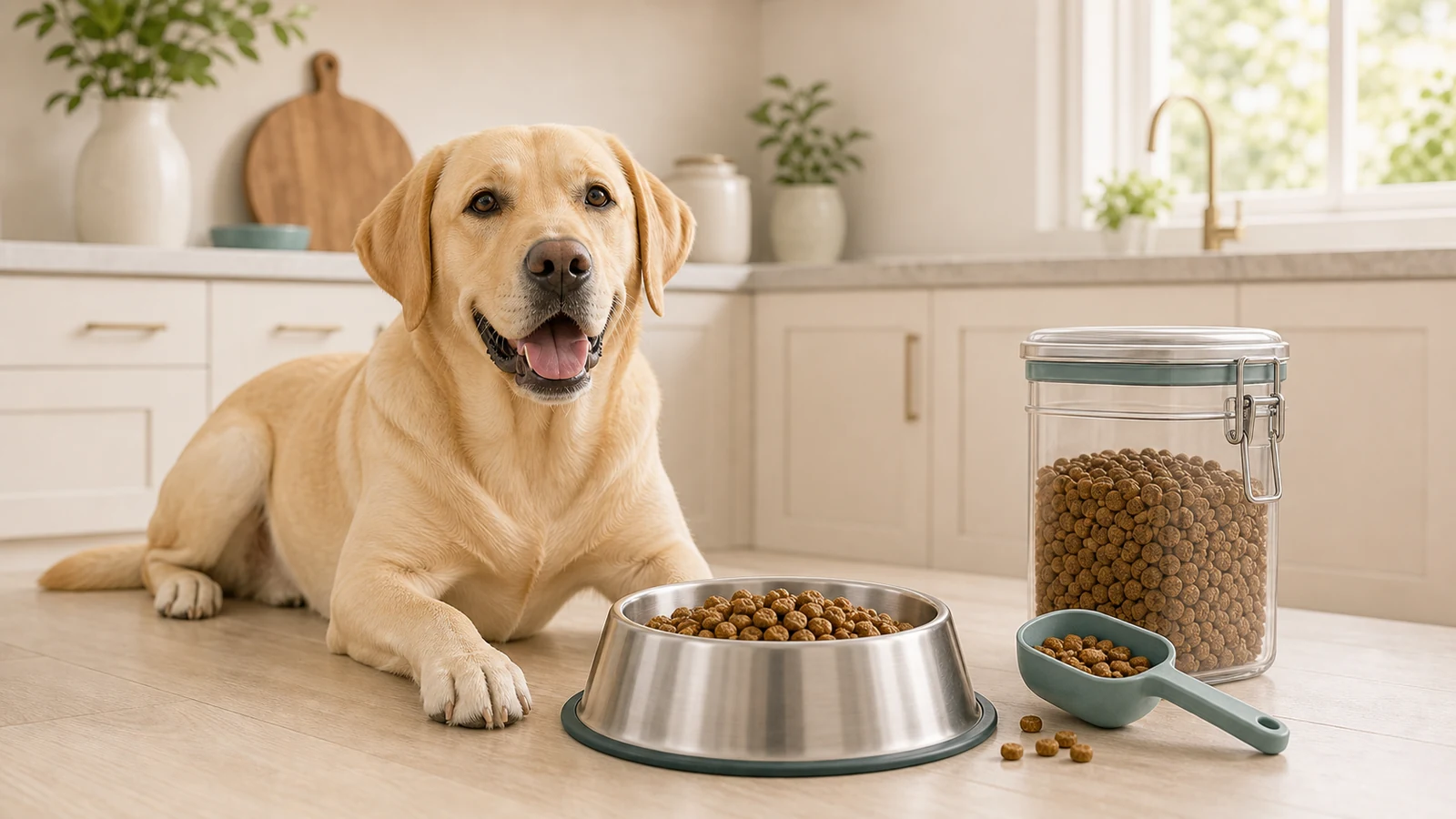
For kibble, keep the original package if you can, then place it inside an airtight bin. The package protects the food and keeps the lot code, best-by date, calories, and feeding directions close by.
Wash and fully dry the bin before refilling it. Old crumbs and oils can go stale, especially in a warm pantry or garage. Keep the scoop clean too, because that little handle gets touched every morning and evening.
Wet and fresh food storage
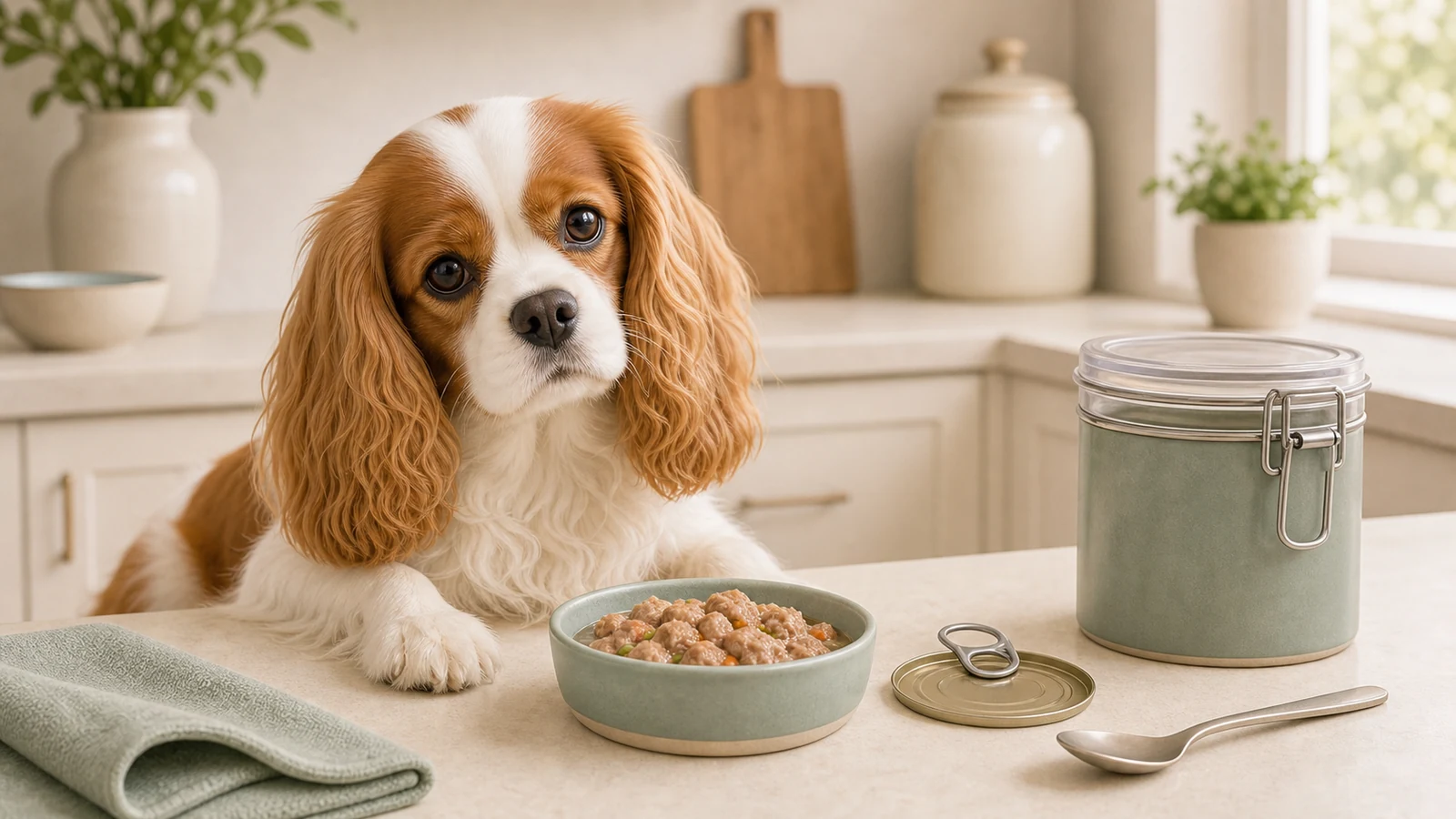
Opened wet food should be covered, refrigerated, and used within the timing on the package. Serve it with a clean spoon, then wash the dish after the meal so soft residue is not waiting for the next breakfast.
Fresh food asks for the same kind of fridge discipline you would use with prepared meals at home. Keep portions covered, follow the label, and avoid leaving a dish out while the dog wanders away and comes back later.
Freezer and raw handling
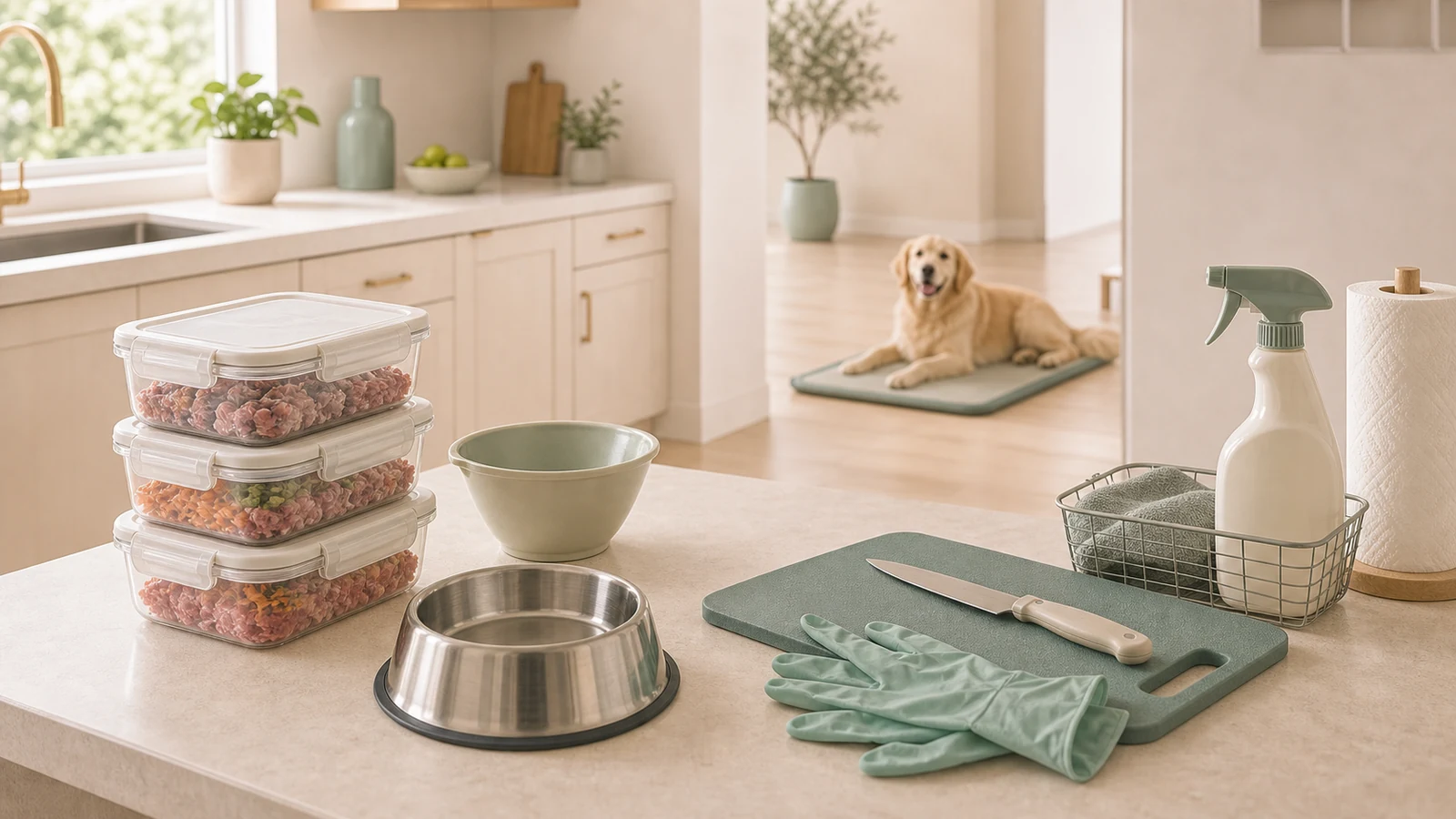
Frozen, raw, and homemade meals need a little more kitchen discipline. Thaw food in the fridge, keep portions sealed away from family food, and clean the dish, mat, utensils, counter, and your hands after serving.
This does not mean raw feeding has to feel scary or joyless. It just means the good part for your dog should come with a simple human routine: cold storage, clean tools, a washable feeding spot, and leftovers handled right away.
Be extra careful if children, older adults, pregnant people, or anyone with a weakened immune system shares the home. Ask your vet before relying on raw or homemade food for puppies, seniors, pregnant dogs, or dogs with health problems.
Dishes and scoops
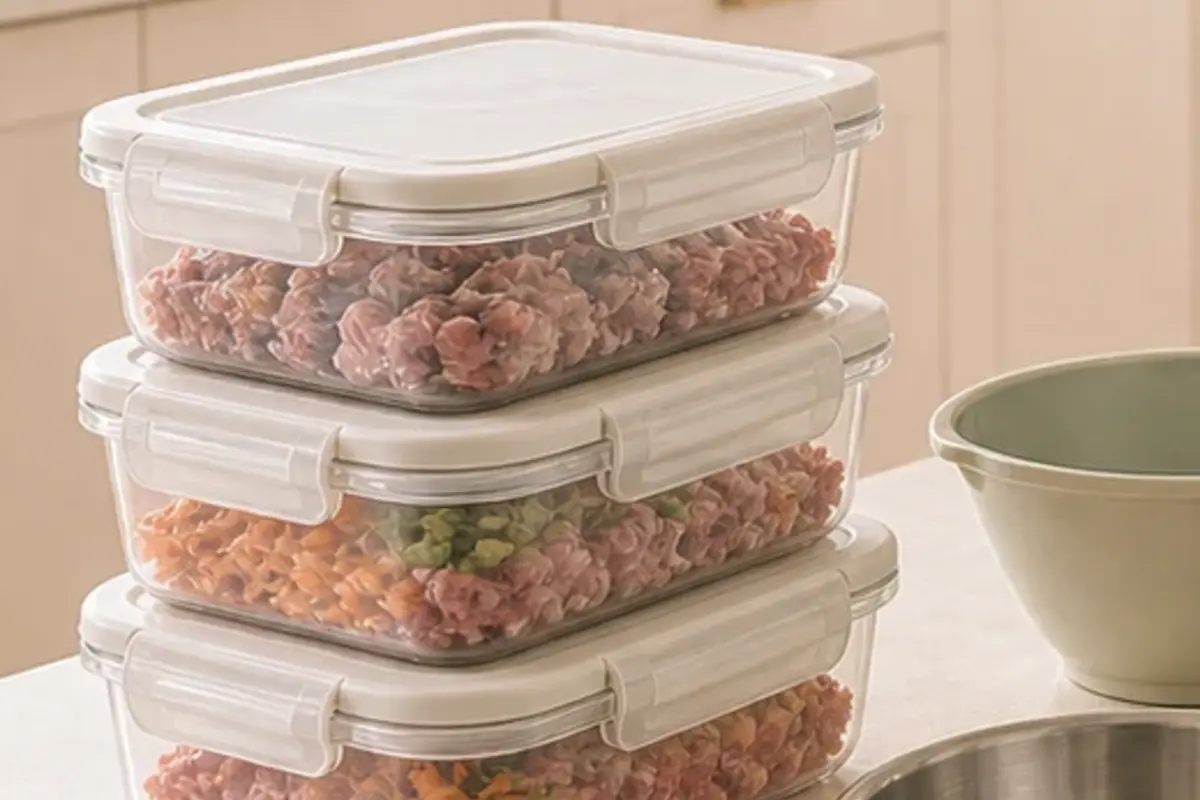
A clean feeding dish is part of storage, not a separate chore. Wash dishes often, especially after wet, fresh, raw, or topper-heavy meals. Rinse the scoop when it gets dusty or sticky, and let everything dry before it goes back near food.
If more than one person feeds the dog, keep the scoop and measuring note in the same place. That helps prevent the classic double-dinner mistake, where one person feeds before work and another feeds again after the evening walk.
Travel storage
For daycare, a sitter, camping, or a cottage weekend, pack measured portions in clean sealed containers. Add the food name, amount, and feeding time if someone else will serve dinner.
Avoid leaving food in a hot car. Heat can make meals smell off faster, and an open container can attract pests or turn a tidy trip into a spilled-food cleanup before bedtime.
When to throw food away
- Rancid, sour, musty, or unusual smell
- Mold, damp clumps, slime, or strange color changes
- Pests, pest damage, or chewed packaging
- Swollen cans, leaking pouches, or broken seals
- Food stored hot, wet, open, or outside package guidance
- Food your dog suddenly refuses when the meal usually disappears
Recall details worth saving
Before you toss the package, save the brand, recipe name, lot code, best-by date, and a photo of the label. If a recall or quality concern appears later, those details are what help you check whether your dog's meal is involved.
Helpful tools
Choose the tools that make your dog’s meals easier to keep sealed, clean, and repeatable.
Affiliate links: Furball Cove may earn from qualifying purchases at no extra cost to you.
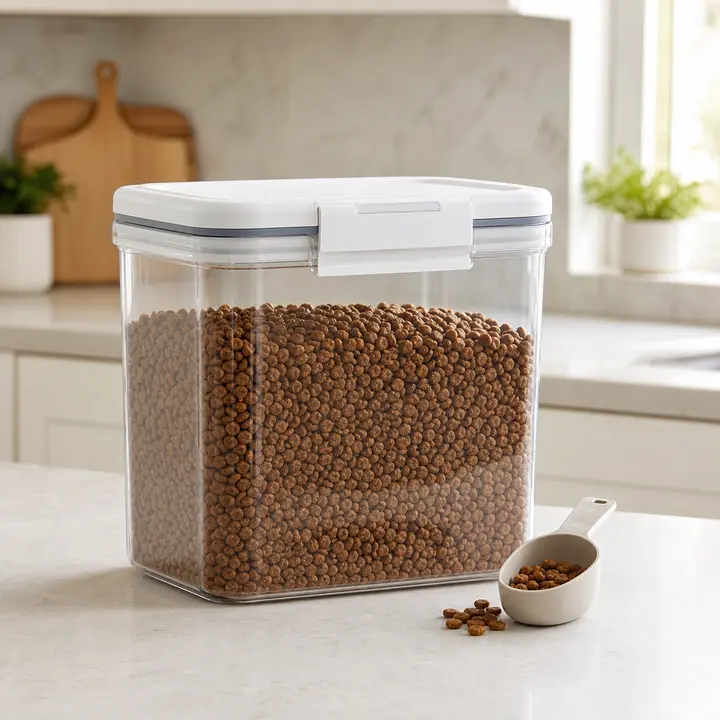
Airtight food storage
Keeps daily food sealed, easier to scoop, and harder for a curious dog to nose open between meals.
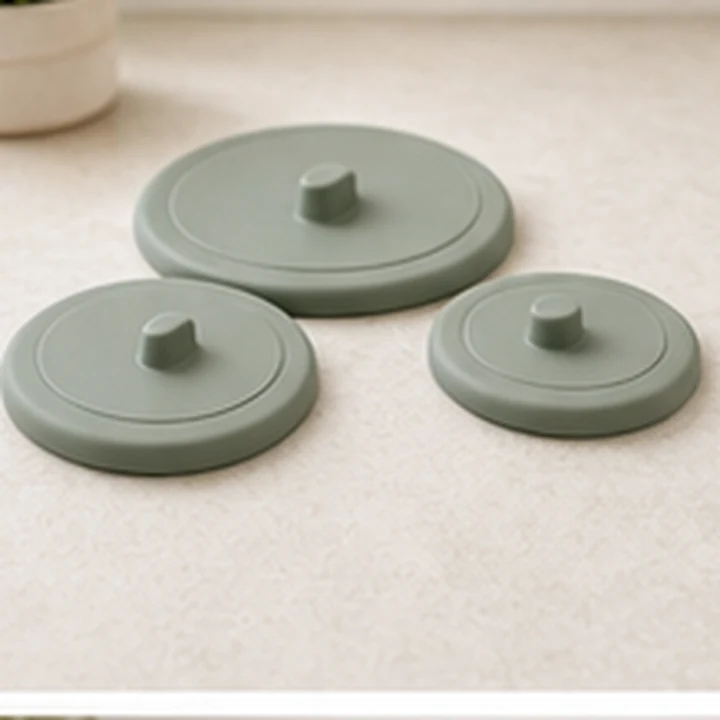
Covered can lids
Covers half a can in the fridge so the next meal stays protected until serving time.
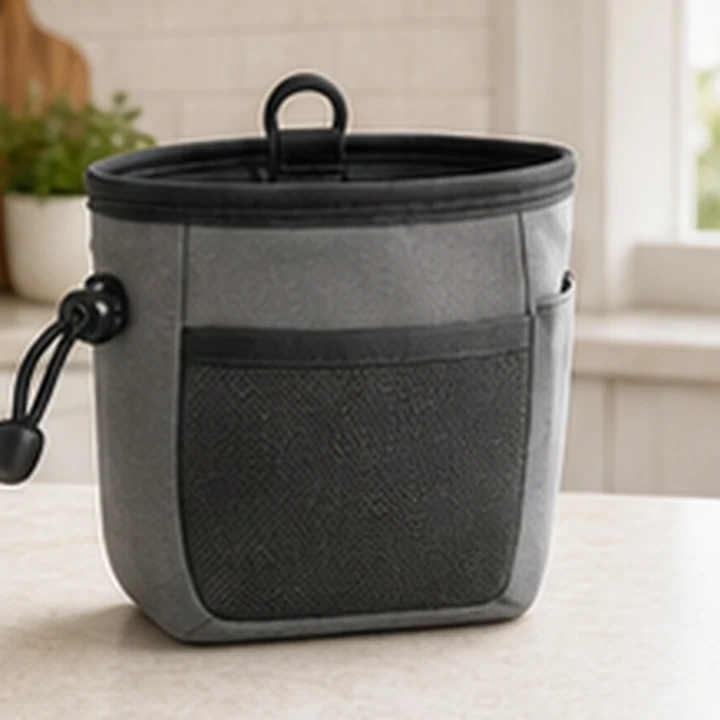
Travel food container
Keeps road-trip meals measured and sealed so you are not carrying loose food in a hot car or open tote.
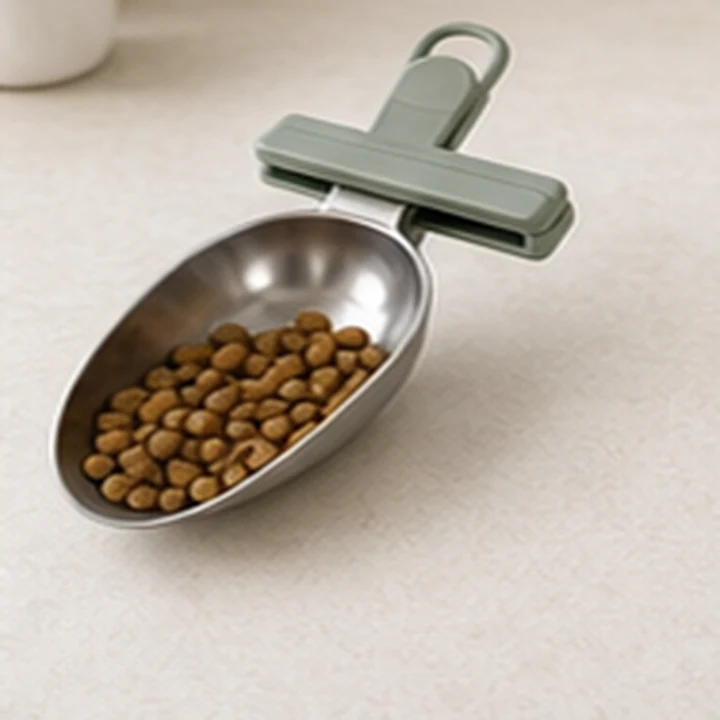
Food scoop with clip
Clips the opened bag closed after measuring so food is less exposed between meals.
Common questions
Should I keep dog food in the original bag?
Yes when possible. Put the original package inside an airtight bin so the food stays protected and the lot code, best-by date, and feeding directions stay with it.
How should I store opened wet food?
Cover opened wet food, refrigerate it, follow the package timing, and wash bowls after meals.
When should I throw dog food away?
Discard food that smells rancid, looks moldy, has pests, has damaged packaging, or was stored hot, wet, open, or outside the package guidance.