

Updated
Dog training
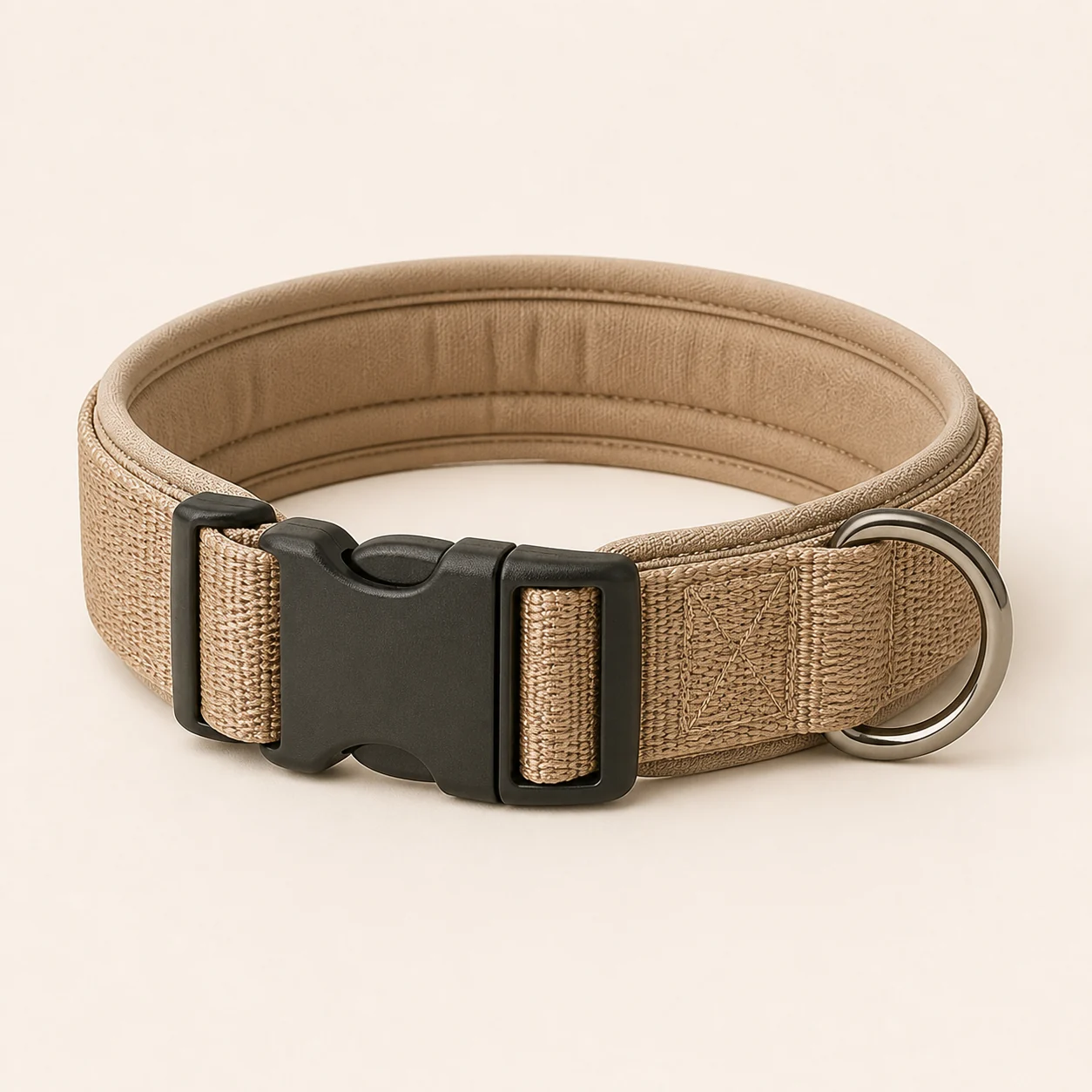
Harness Fit for Dog Walks
A harness should help you guide your dog without rubbing, pinching, choking, or changing their normal movement.
Good gear cannot train for you, but bad fit can make leash practice unfair before you even start.
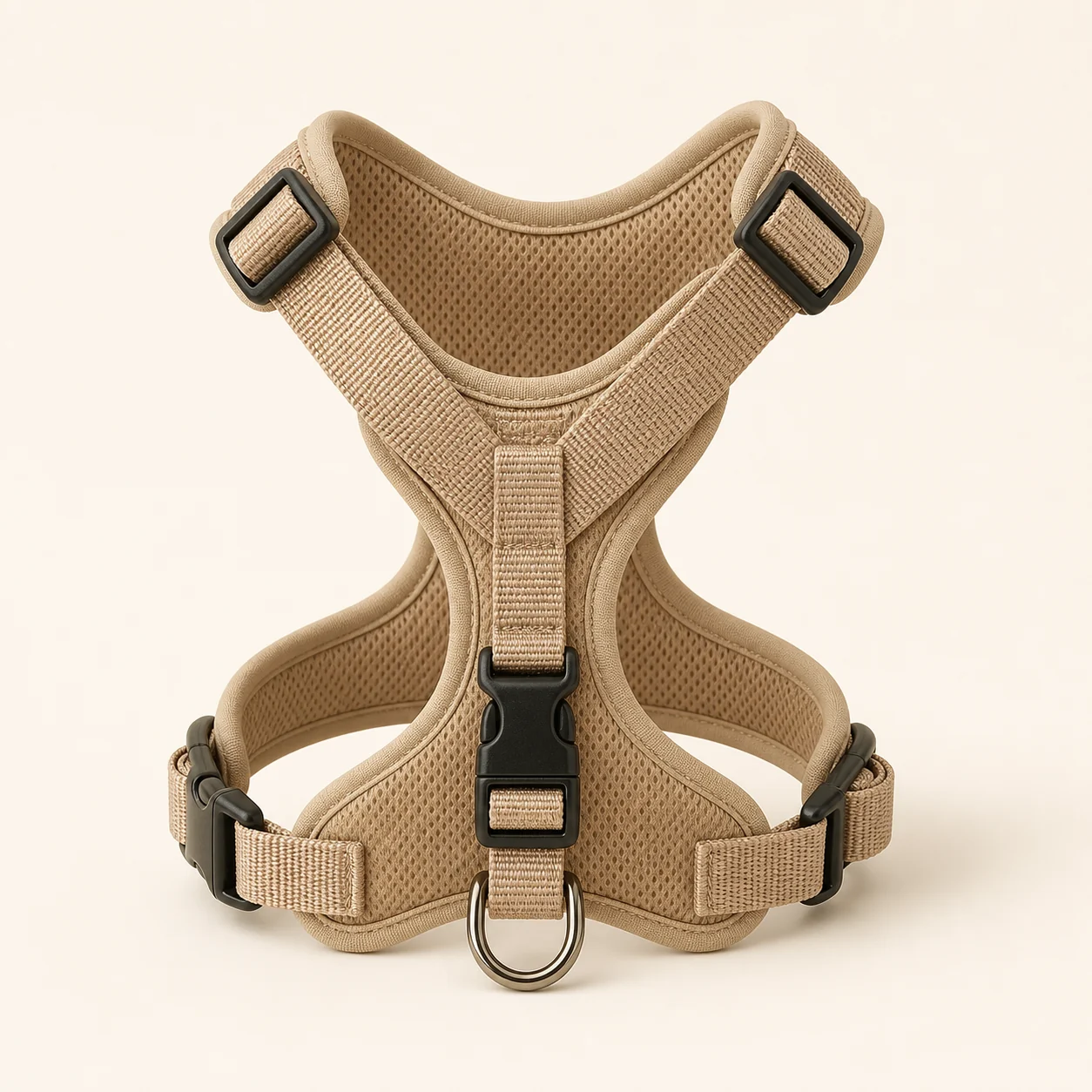
Harness fit matters because walks involve thousands of repeated steps. A strap that rubs behind the legs or blocks shoulder motion can make your dog resist gear or move awkwardly.
Check fit while your dog is standing, walking, turning, and sniffing. The harness should stay secure without digging in.
Great for
- Dogs learning leash manners on a comfortable walking setup.
- People comparing front-clip, back-clip, and everyday harnesses.
- Dogs whose current harness twists, rubs, or gaps.
Wait a bit if
- Your dog has sores, hair loss, swelling, or pain under the gear.
- The harness restricts shoulder movement or presses into the throat.
- Your dog panics when gear appears; go slower and get help if needed.
Make the route easier
Measure before buying
Measure around the chest and neck where the harness sits. Use the brand size chart instead of guessing from weight alone.
Check the two-finger fit
Most straps should allow about two fingers underneath without hanging loose. Check again after your dog moves.
Watch shoulder movement
Your dog should be able to reach forward naturally. Avoid designs that cut across the front of the shoulders if they alter gait.
Look behind the legs
Check the armpit area after short walks. Rubbing often shows up there first.
Test both clip points
Back clips may suit casual walks. Front clips can help reduce leverage for some pullers while they learn.
Recheck growing or changing dogs
Puppies, weight changes, coat changes, and wet weather can all change fit.
Little things that help
Check the shoulders
Your dog should be able to reach forward naturally. If the harness blocks shoulder movement, try a different cut or ask a trainer or fitter for help.
Do the two-finger check
You want snug, not pinchy. Slide two fingers under the straps and look again after your dog has walked for a few minutes.
Watch the rubbing spots
After walks, check behind the front legs, under the chest, and near the buckles. Redness or hair wear means the fit needs a change.
Helpful little extras
Affiliate links: Furball Cove may earn from qualifying purchases at no extra cost to you.
Front-clip harness
Look for a design that sits clear of the shoulders and adjusts at the neck and chest, not just around the belly.
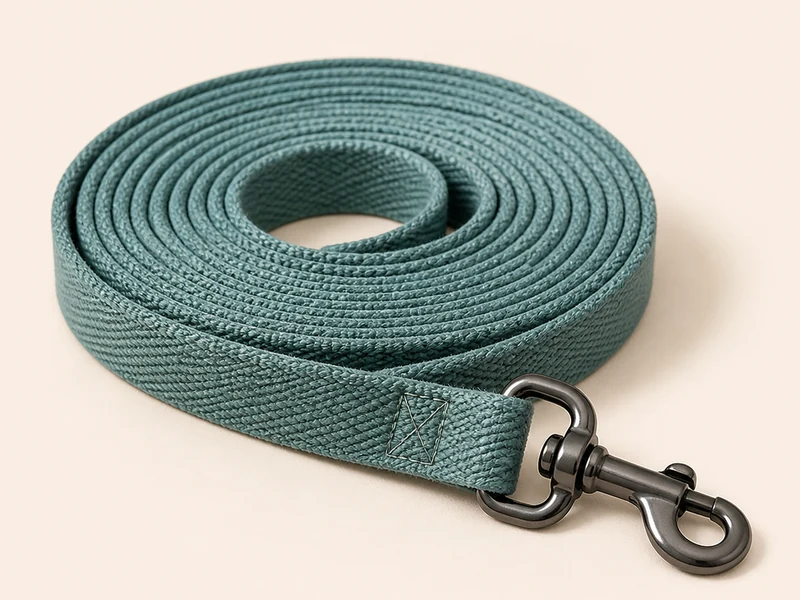
Six-foot leash
A regular leash helps you test the fit on a normal walk without the extra pull of a retractable or long line.
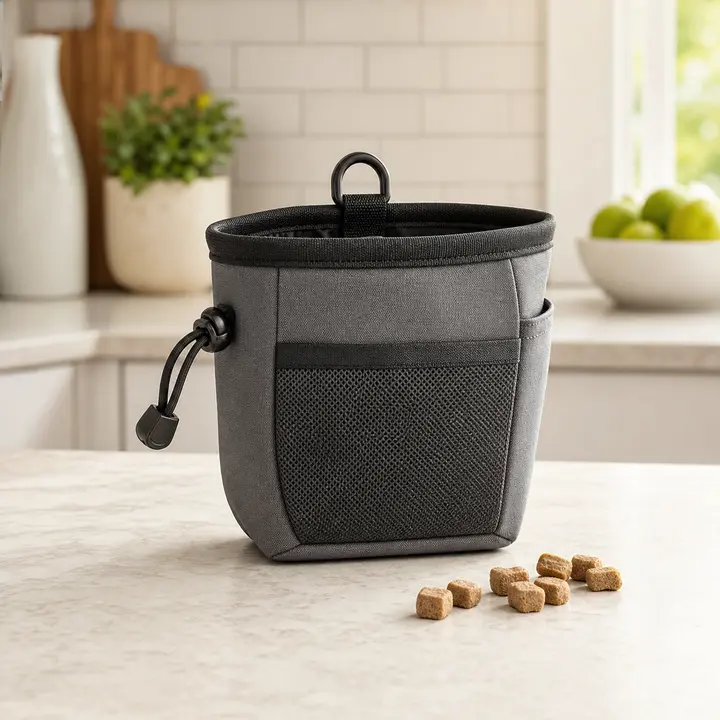
Training treat pouch
Use rewards while fitting so your dog can stand calmly instead of twisting away from the buckles.
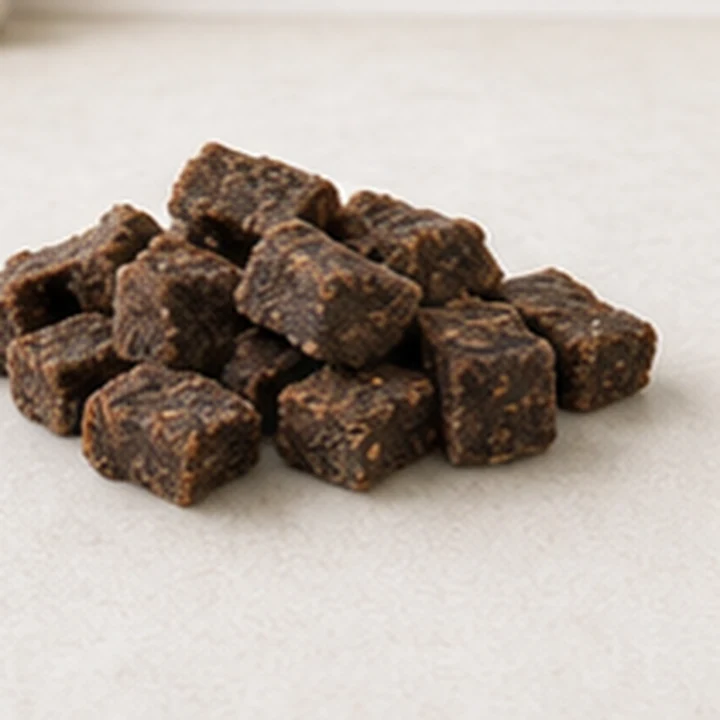
High-value training treats
Small treats help make handling, strap checks, and short test walks feel cooperative.
Questions people ask
Is a front-clip harness a training fix?
No. It can make practice easier, but your dog still needs rewards, timing, and clear leash rules.
Should a long line attach to a collar?
Use a harness for long-line work. Sudden pressure on a collar can be unsafe.
What if my dog hates the harness?
Slow down, pair the harness with rewards, and avoid forcing it over your dog. Get help if fear is intense.
Try these next
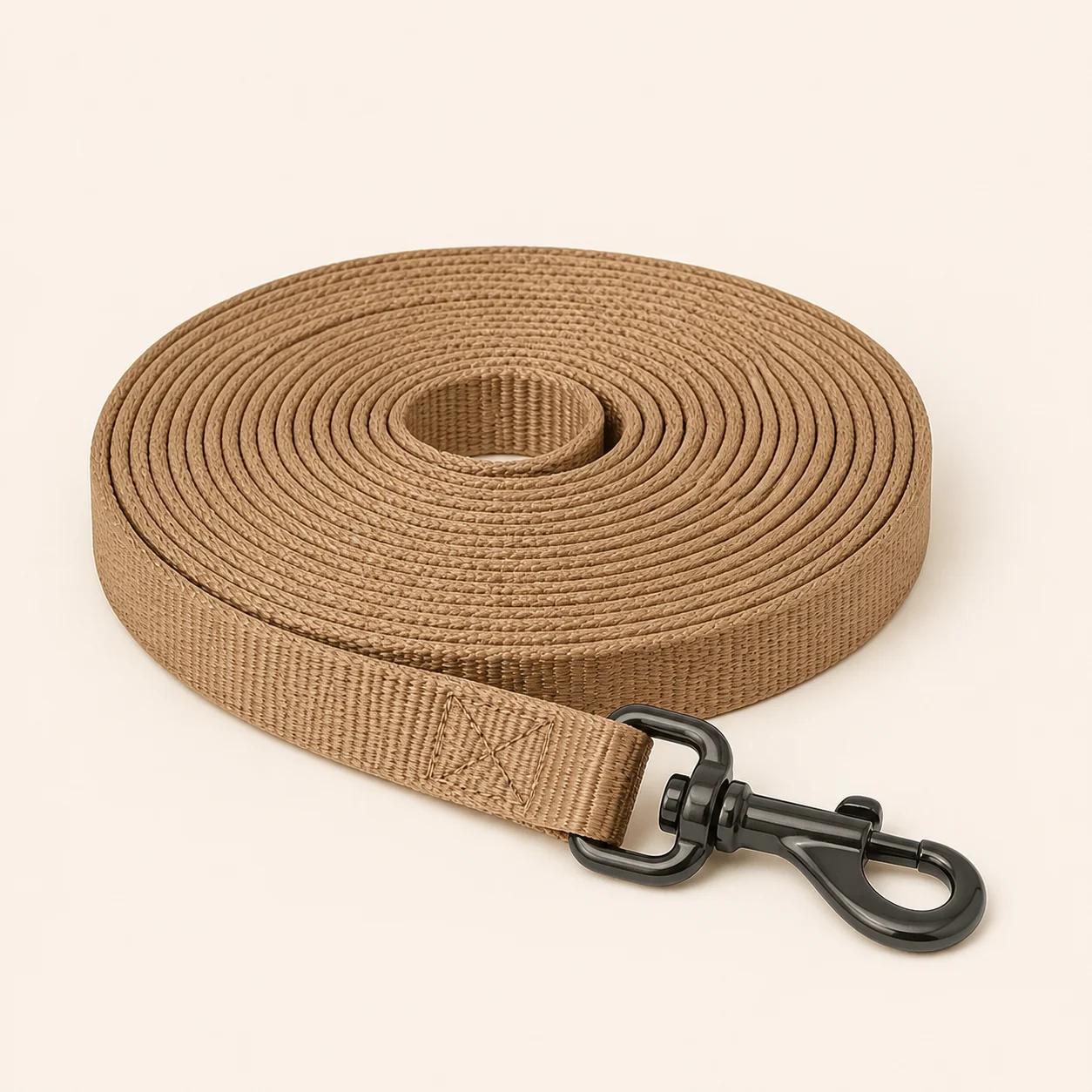
Leash Length
Choose the right leash length for sidewalks, parks, and sniff walks.
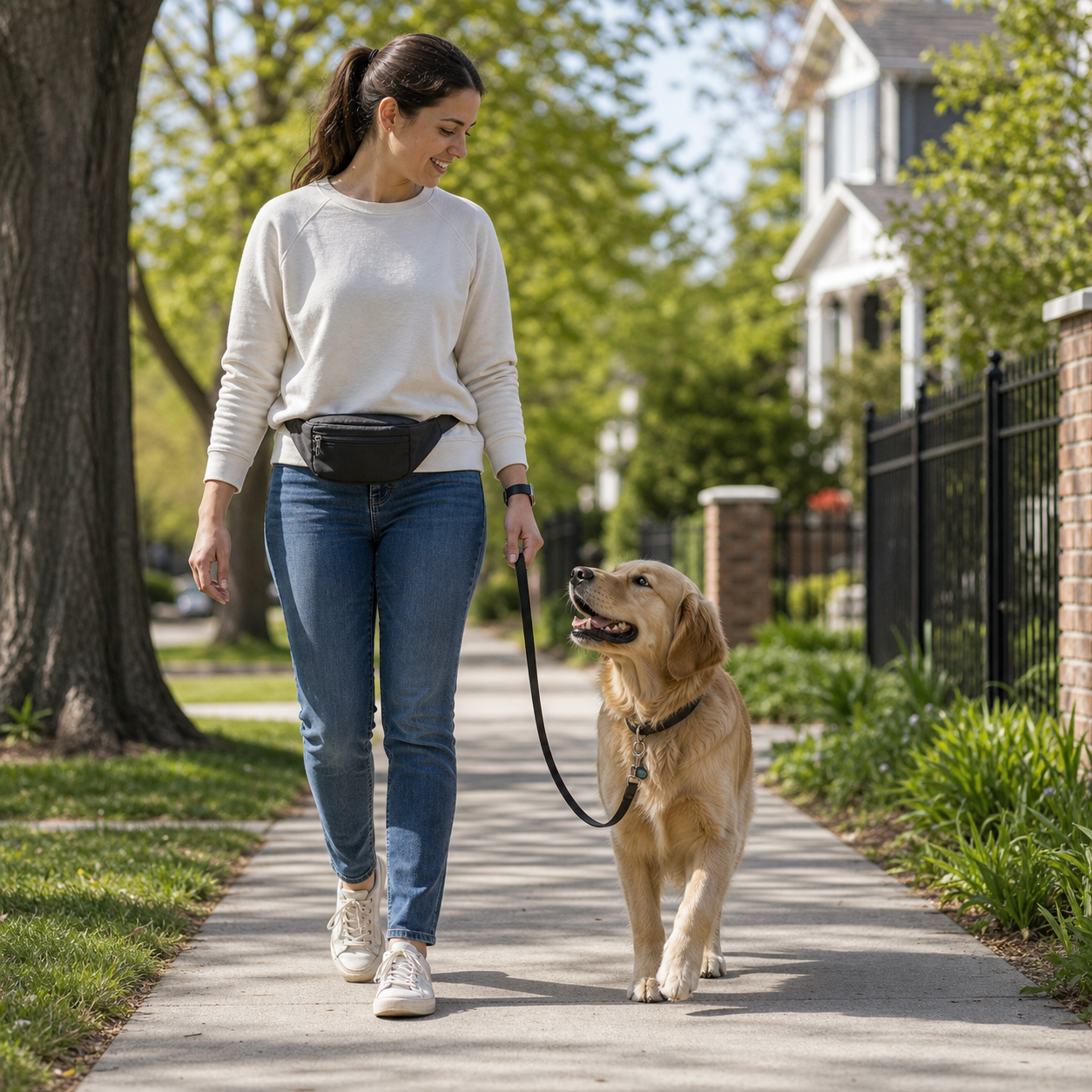
Stop-and-Go
Use this when pulling is the first walk problem you need to reduce.
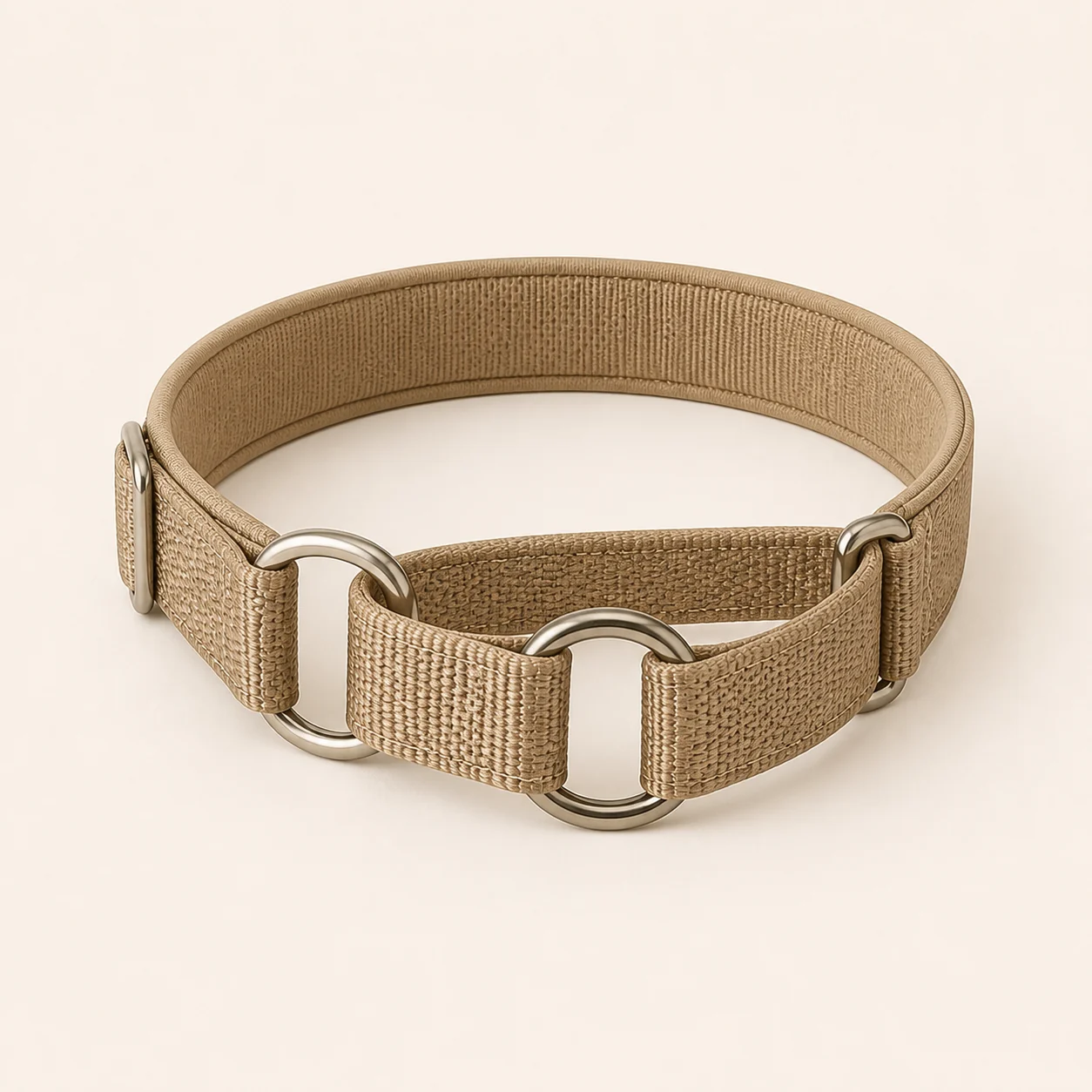
Dog Walking Gear
Choose leashes, harnesses, lights, and cleanup gear that fit the walk.
Decompression Walk
Use quiet sniff time when the neighborhood walk is too much.