

Updated
Dog training
Choose the Right Leash Length
Leash length changes the whole walk: too short can create tension, while too much line can make timing and safety harder.
Match the leash to the place. Sidewalk skills, sniff walks, and open-field practice do not need the same setup.
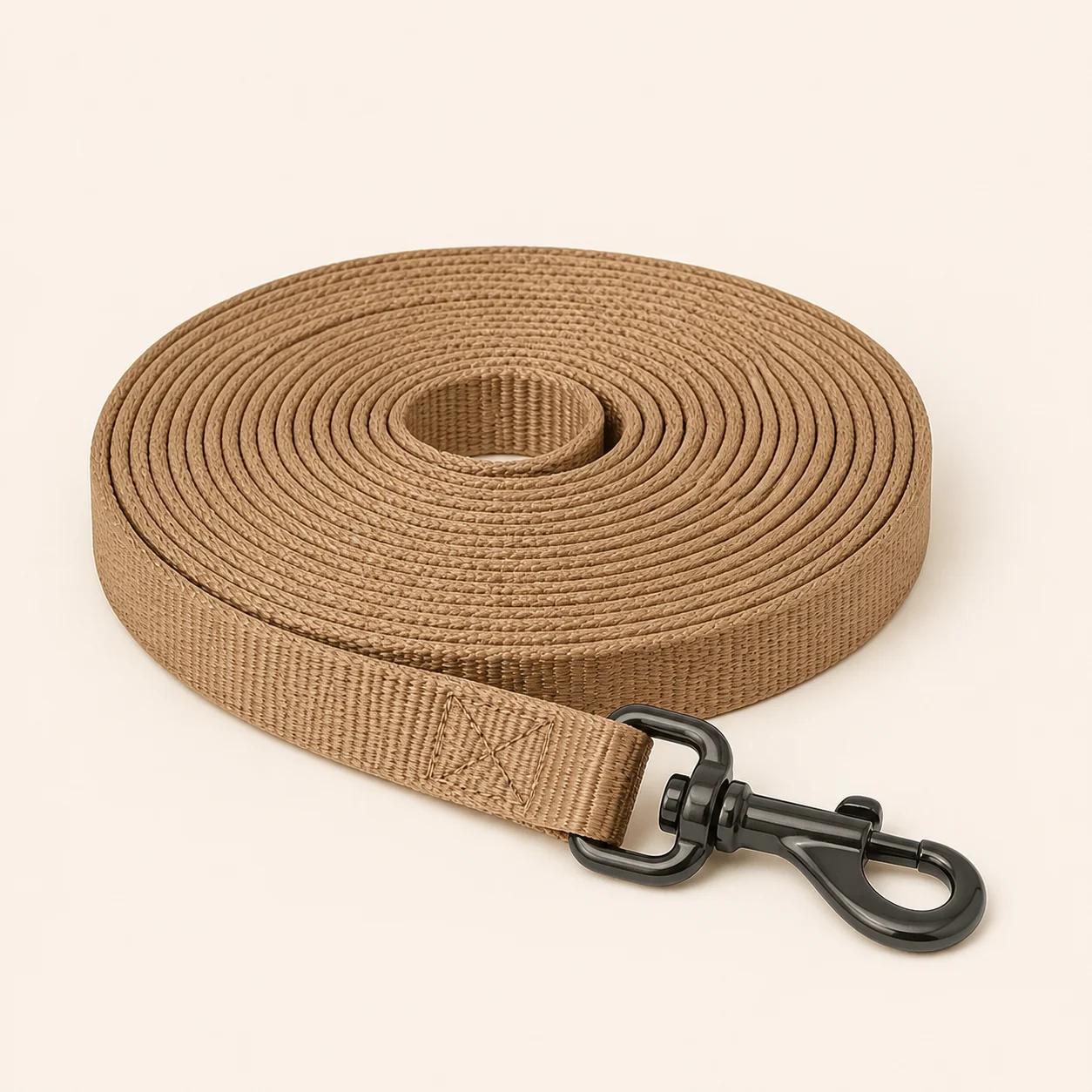
A leash is both safety equipment and communication. The length you choose affects whether your dog can move naturally, whether you can reward on time, and whether you can prevent unsafe choices.
For most sidewalk leash manners, a simple six-foot leash is easier than a retractable leash or a long line. Long lines belong in open, legal, low-traffic spaces.
Great for
- People setting up leash manners practice.
- Dogs who pull harder when the leash is constantly tight.
- Handlers choosing between six-foot leashes, traffic handles, and long lines.
Wait a bit if
- You are using a long line near traffic, crowds, or narrow paths.
- A retractable leash is giving your dog too much speed into distractions.
- The leash hardware is too heavy or weak for your dog.
Make the route easier
Use six feet for sidewalks
A six-foot leash usually gives enough room to walk and sniff edges while keeping your dog close enough to guide.
Shorten only for safety
Use a shorter hold near roads, crowds, or passing dogs, then give the leash back when the space opens.
Avoid constant tension
If the leash is always tight, your dog never feels the difference between soft and pulling.
Use long lines in open spaces
Long lines are for fields, quiet parks, and decompression walks where tangles and traffic are manageable.
Skip retractables for training
Retractable leashes often reward pulling with more line and make timing harder on sidewalks.
Match hardware to the dog
Choose clips, width, and weight that fit your dog's size and strength without dragging them down.
Little things that help
Match the leash to the place
Use a shorter leash on busy sidewalks and more room in safe open areas. The same dog may need different setups on different walks.
Avoid constant tension
Hold the leash so there is a soft J shape when your dog is near you. If your arm is braced the whole time, the length or route is not working.
Save long lines for open spaces
Long lines belong away from traffic, crowded paths, and unknown dogs. Practice handling the extra line before you need it outside.
Helpful little extras
Affiliate links: Furball Cove may earn from qualifying purchases at no extra cost to you.
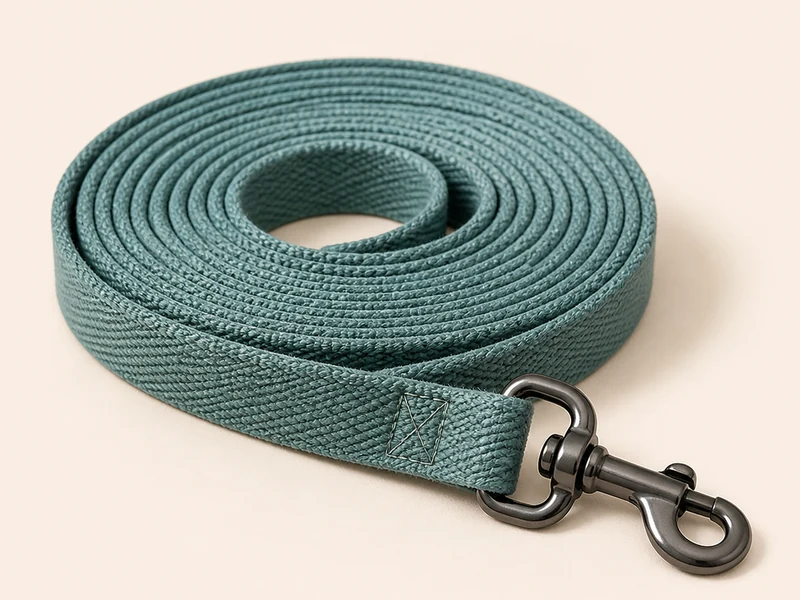
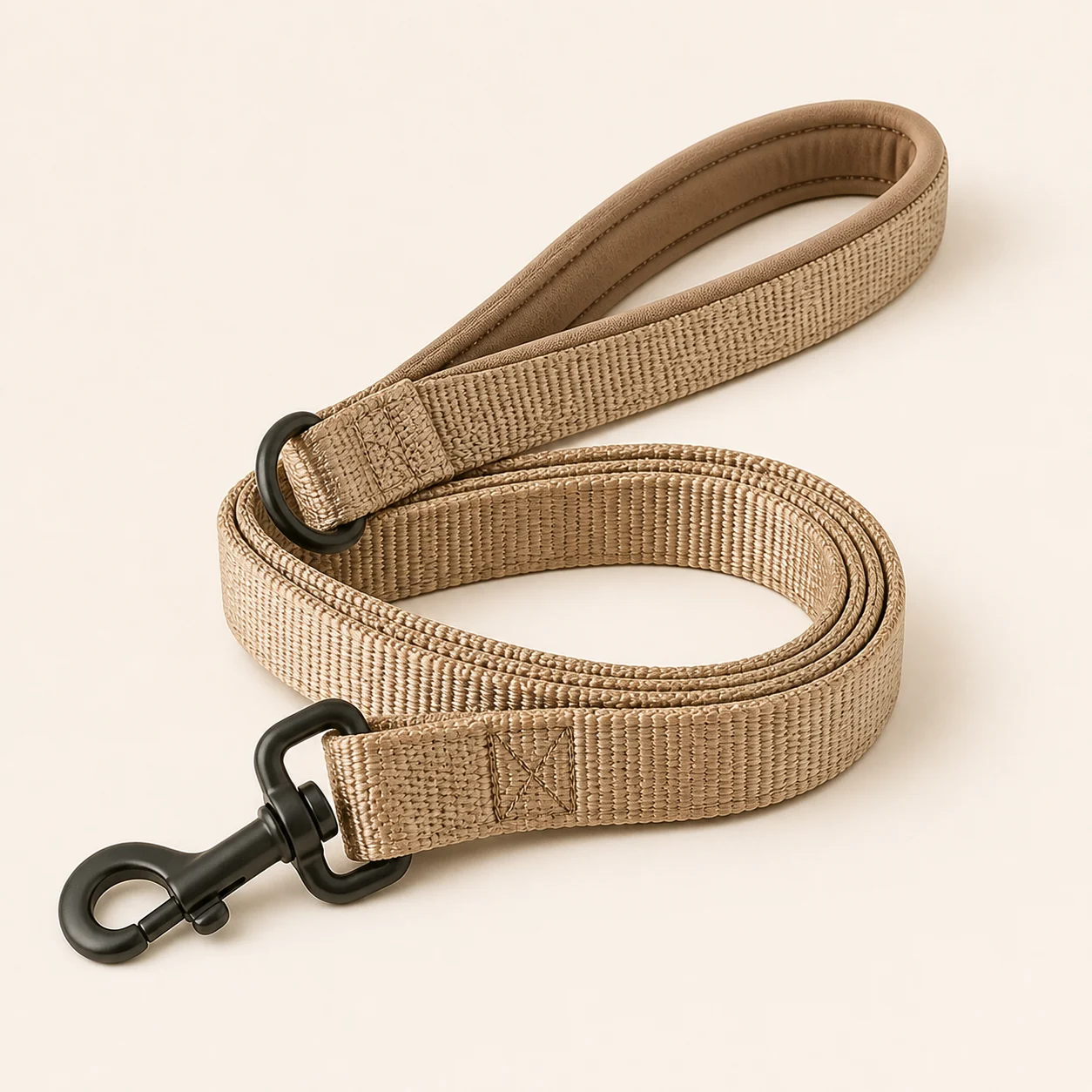
Six-foot leash
A good everyday choice for sidewalks, parking lots, and vet visits where you need predictable distance.
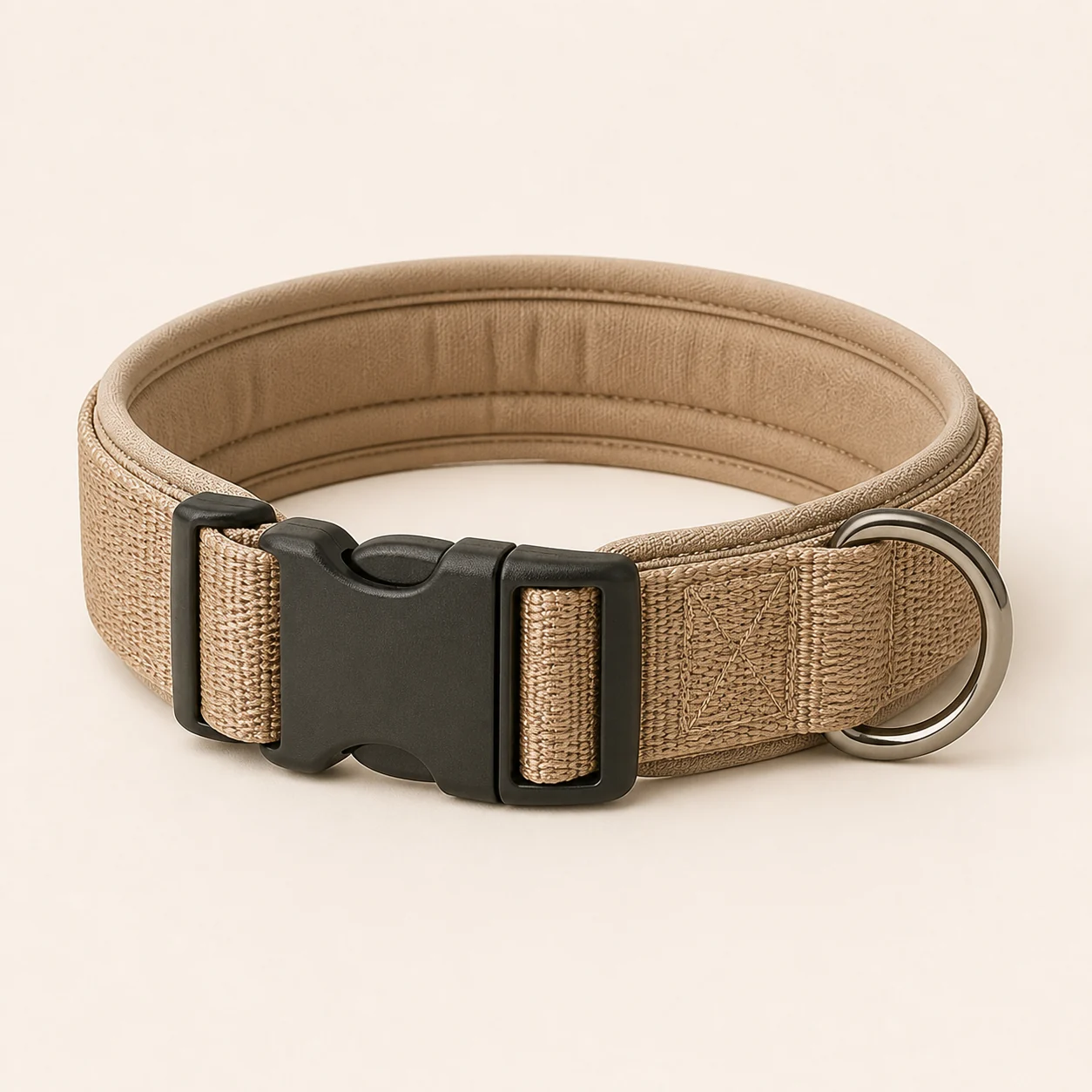
Long training line
Save this for safe open spaces where your dog can sniff and explore without reaching traffic or strangers.
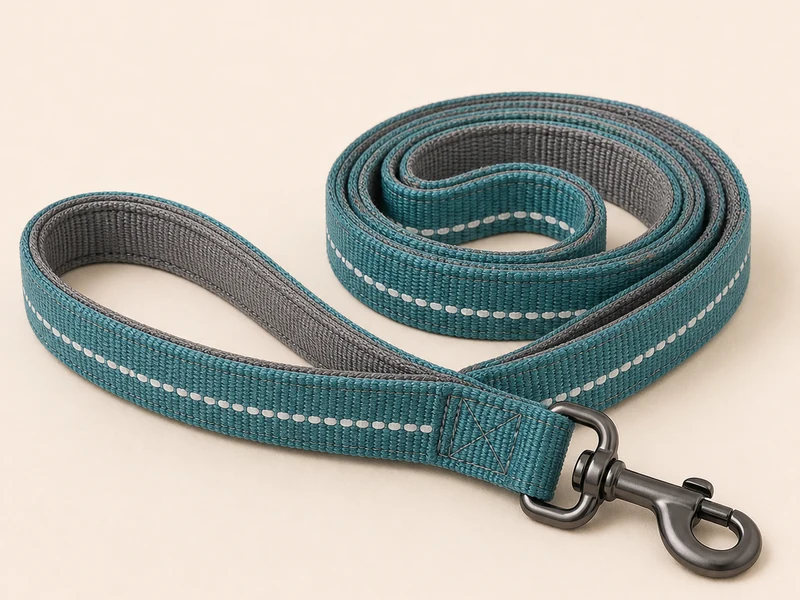
Reflective leash
Visibility helps when you choose quieter dawn or dusk walks to lower distraction levels.
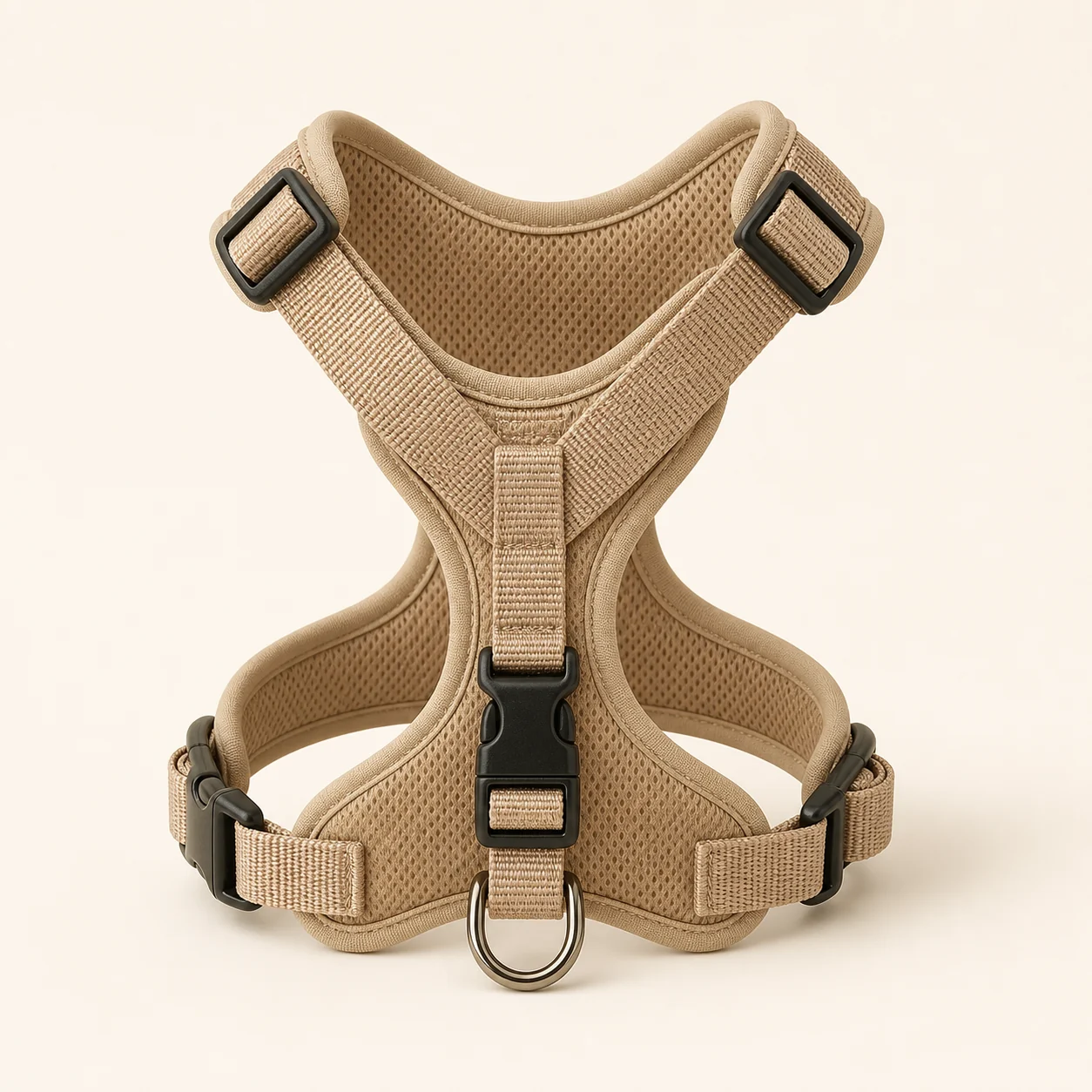
Front-clip harness
Pairing the right leash length with a comfortable harness can make practice feel steadier for both of you.
Questions people ask
Is a retractable leash good for leash manners?
Usually not for training. It can teach that pulling creates more distance and gives you less timing control.
When should I use a long line?
Use one in open, safe, legal spaces for sniffing, recall, and decompression walks.
How short should I hold the leash near traffic?
Short enough to prevent stepping into danger, but not so tight that your dog is constantly under pressure.
Try these next
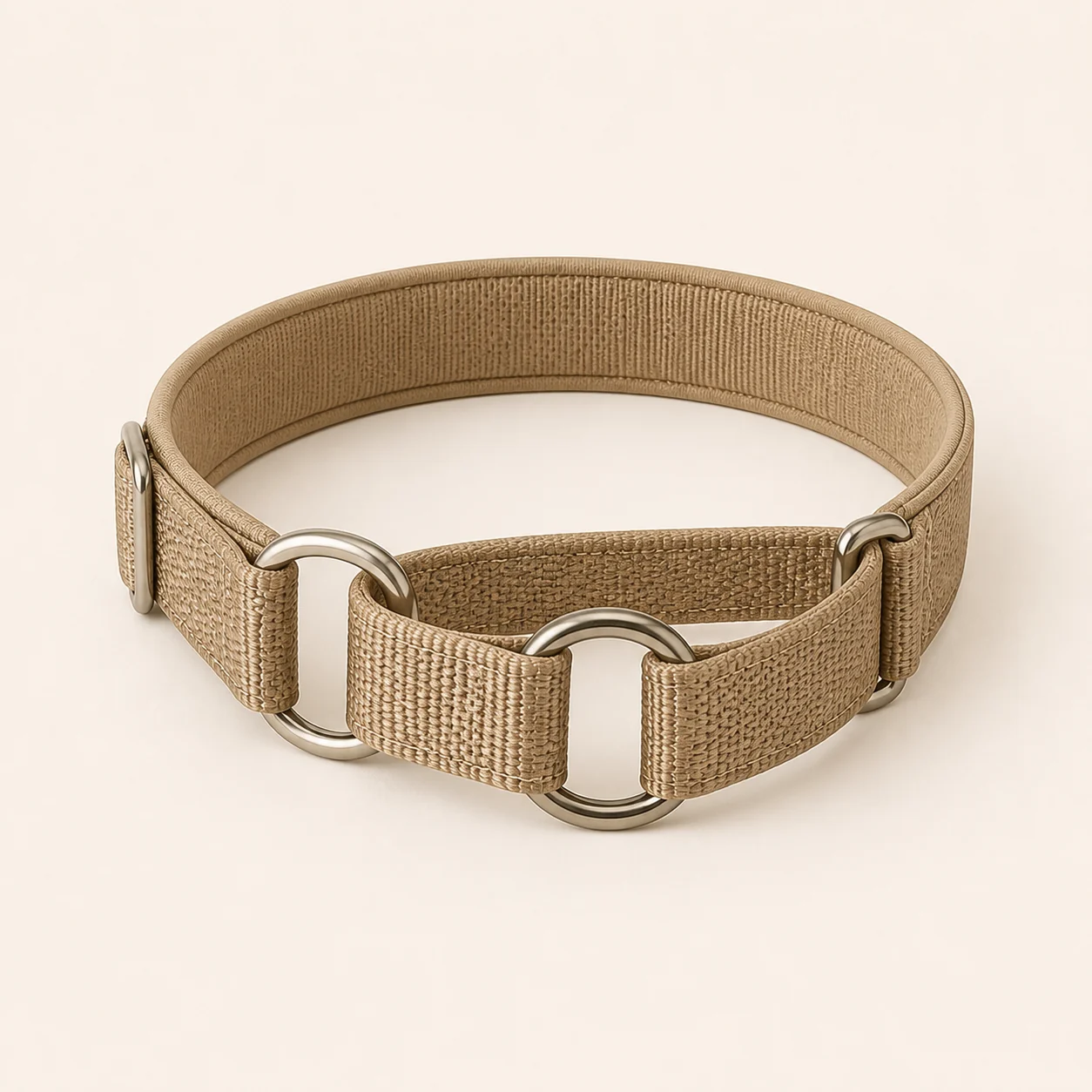
Harness Fit
A comfortable setup makes leash practice fairer.
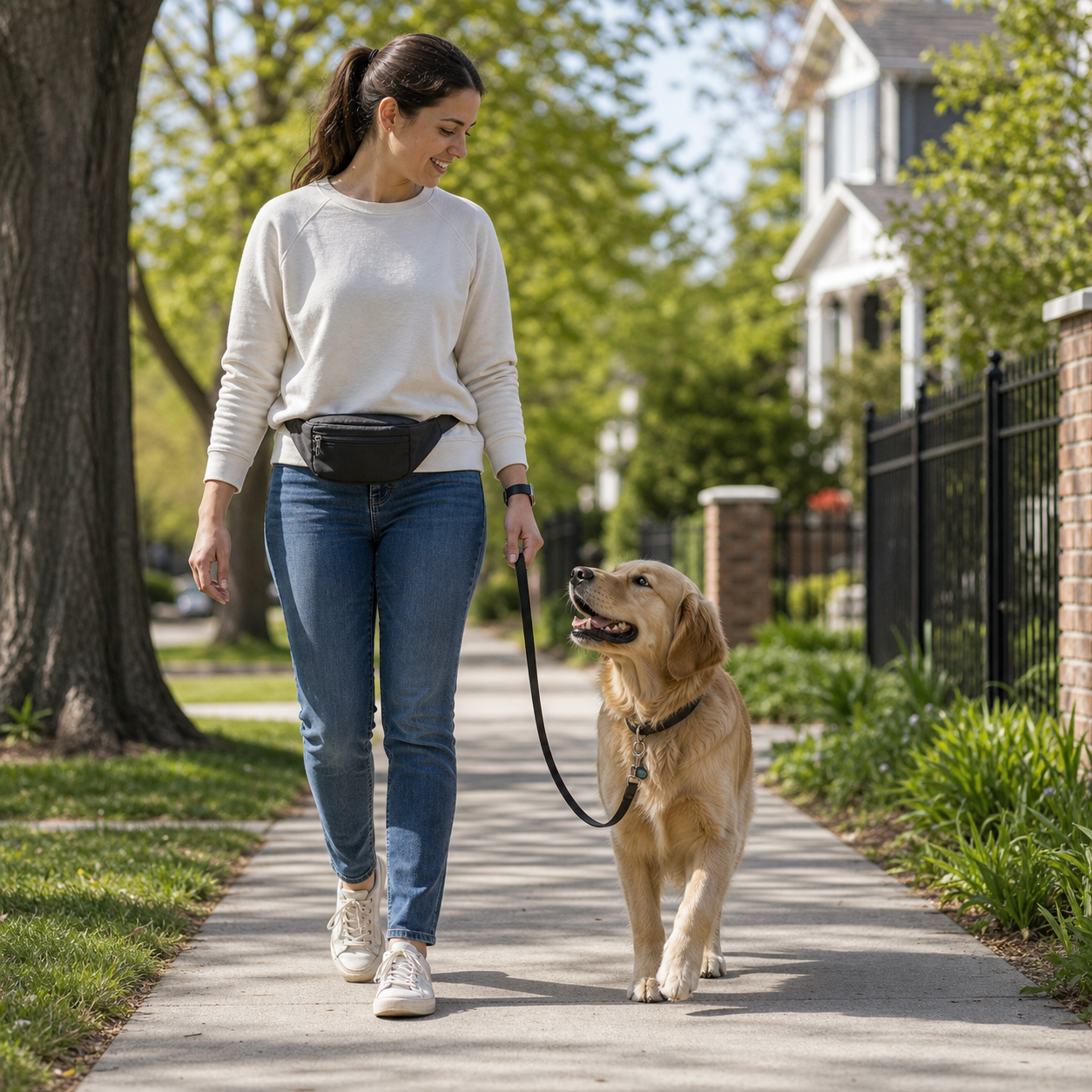
Stop-and-Go
Use this when pulling is the first walk problem you need to reduce.
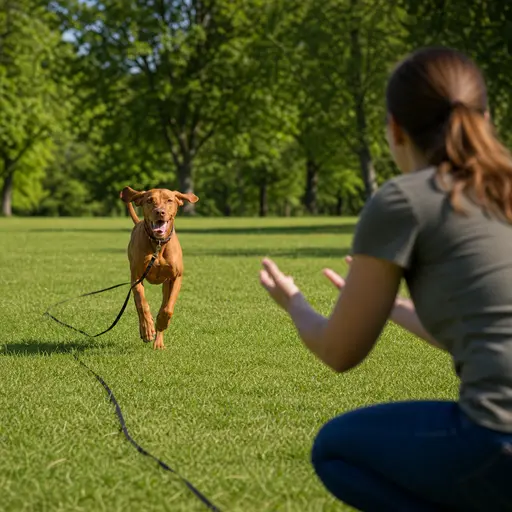
Decompression Walk
Use quiet sniff time when the neighborhood walk is too much.
Dog Walking Gear
Choose leashes, harnesses, lights, and cleanup gear that fit the walk.