Updated
Puppy crate training
Puppy Crate Nap Routine
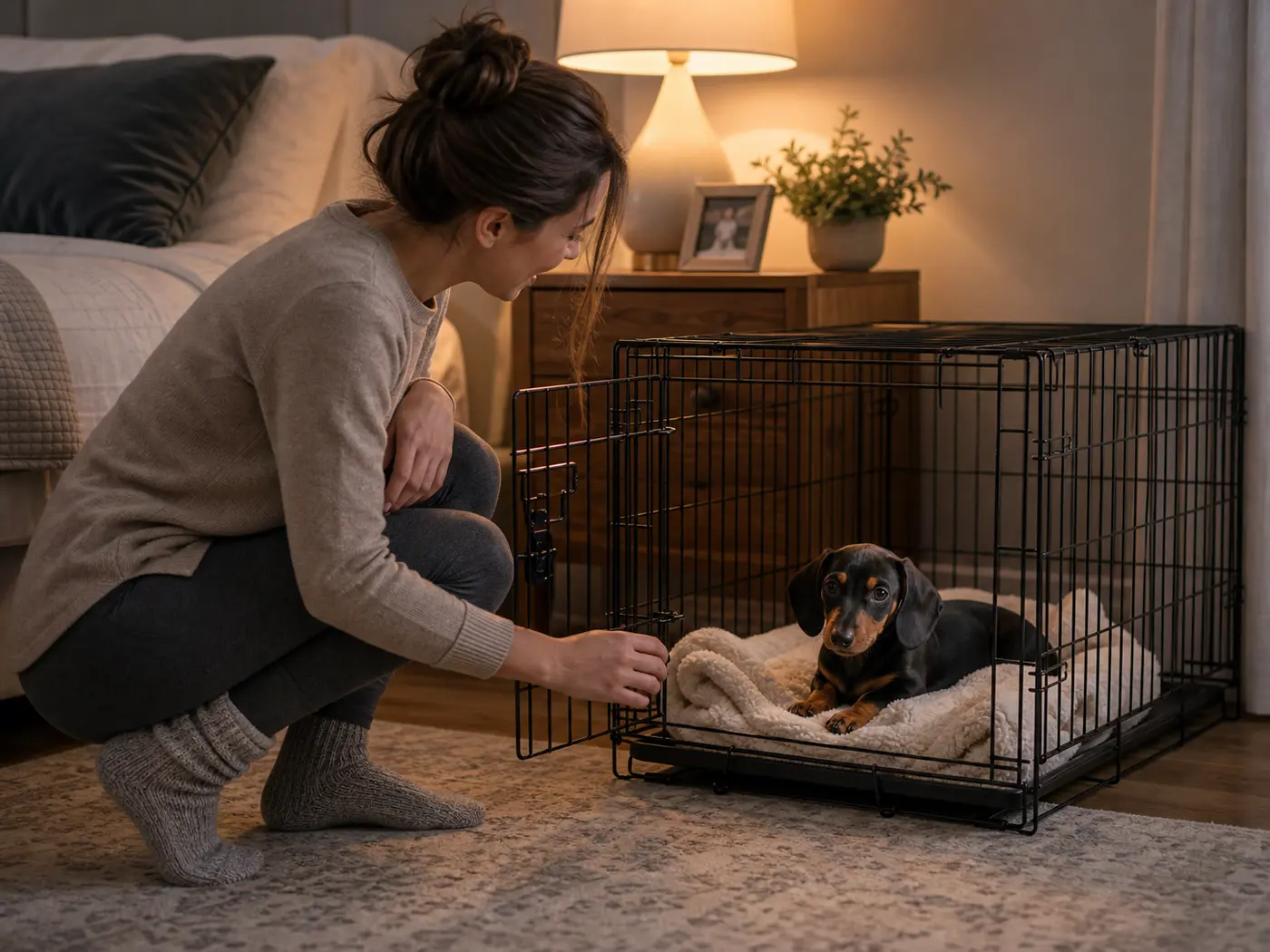
A crate nap routine works best when your puppy is tired, empty, and ready for rest.
Puppies often get wild when they are overtired. A predictable nap rhythm helps the crate become the place where the day slows down.
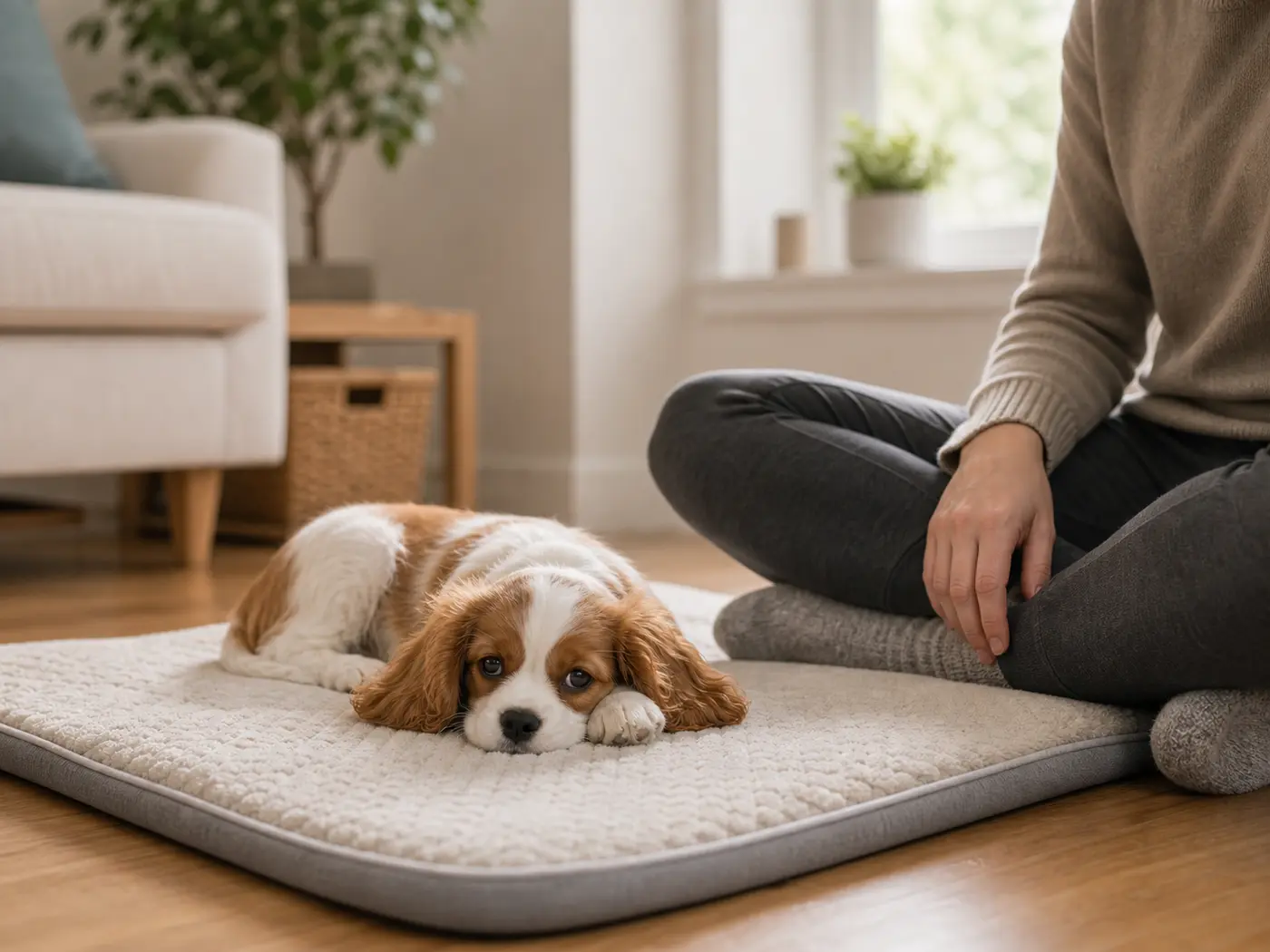
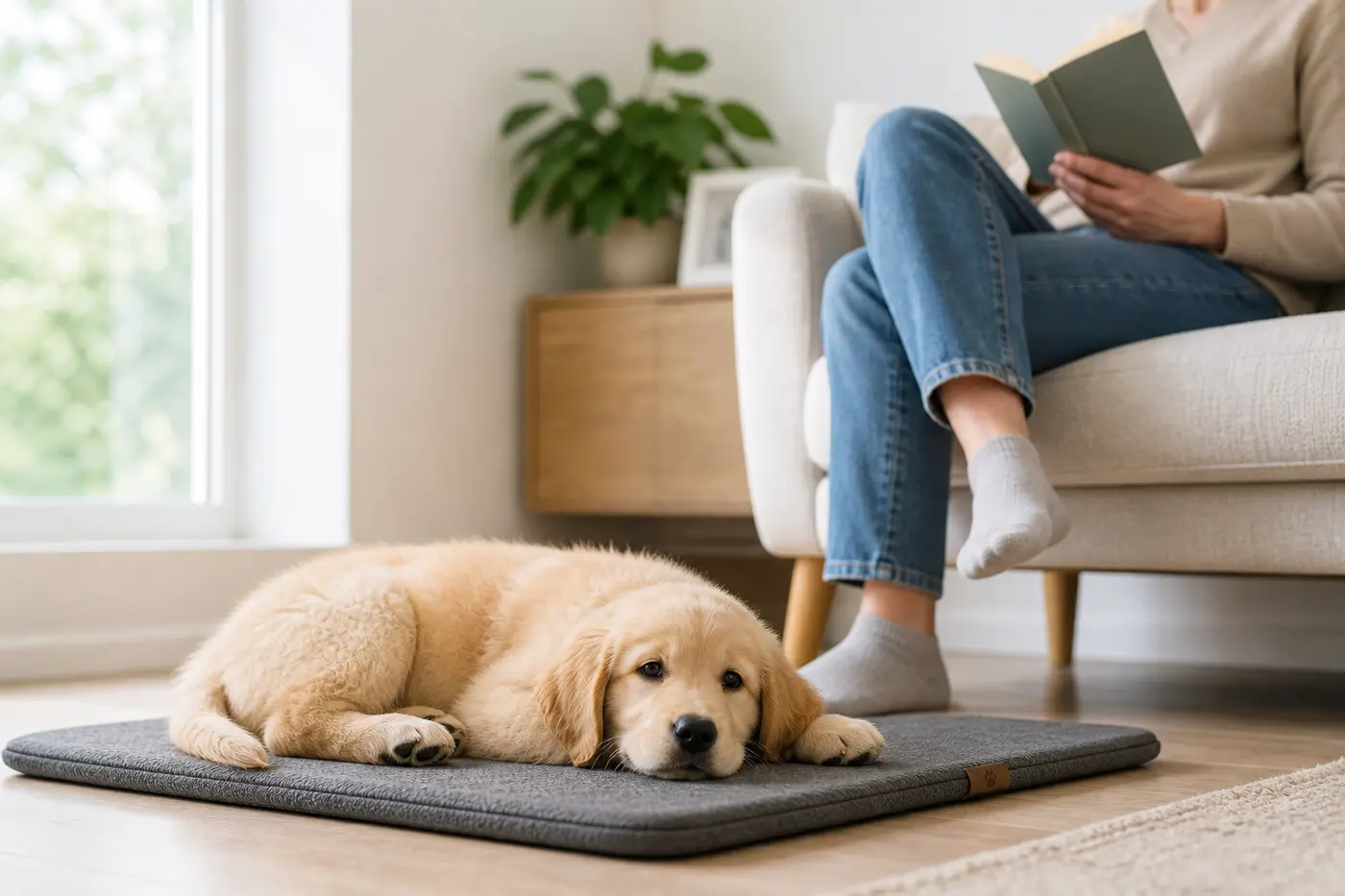
Crate naps are not just about containment. They protect sleep, reduce overtired biting, and give your puppy a rhythm they can start to recognize.
The routine before the crate matters: potty, a small need-check, a calm entry, and a quiet room. Skip those pieces and the crate has to solve too much.
Great for
- Puppies who turn wild when they need sleep.
- Homes building predictable daytime rest.
- Owners who want the crate to mean nap, not punishment.
Wait a bit if
- Your puppy has not had a potty chance recently.
- The room is busy enough to keep your puppy awake.
- Your puppy is showing panic or cannot recover after crate practice.
Make the crate routine easy
Start with potty
Take your puppy out first. A tired puppy with a full bladder is not set up to succeed.
Do a small downshift
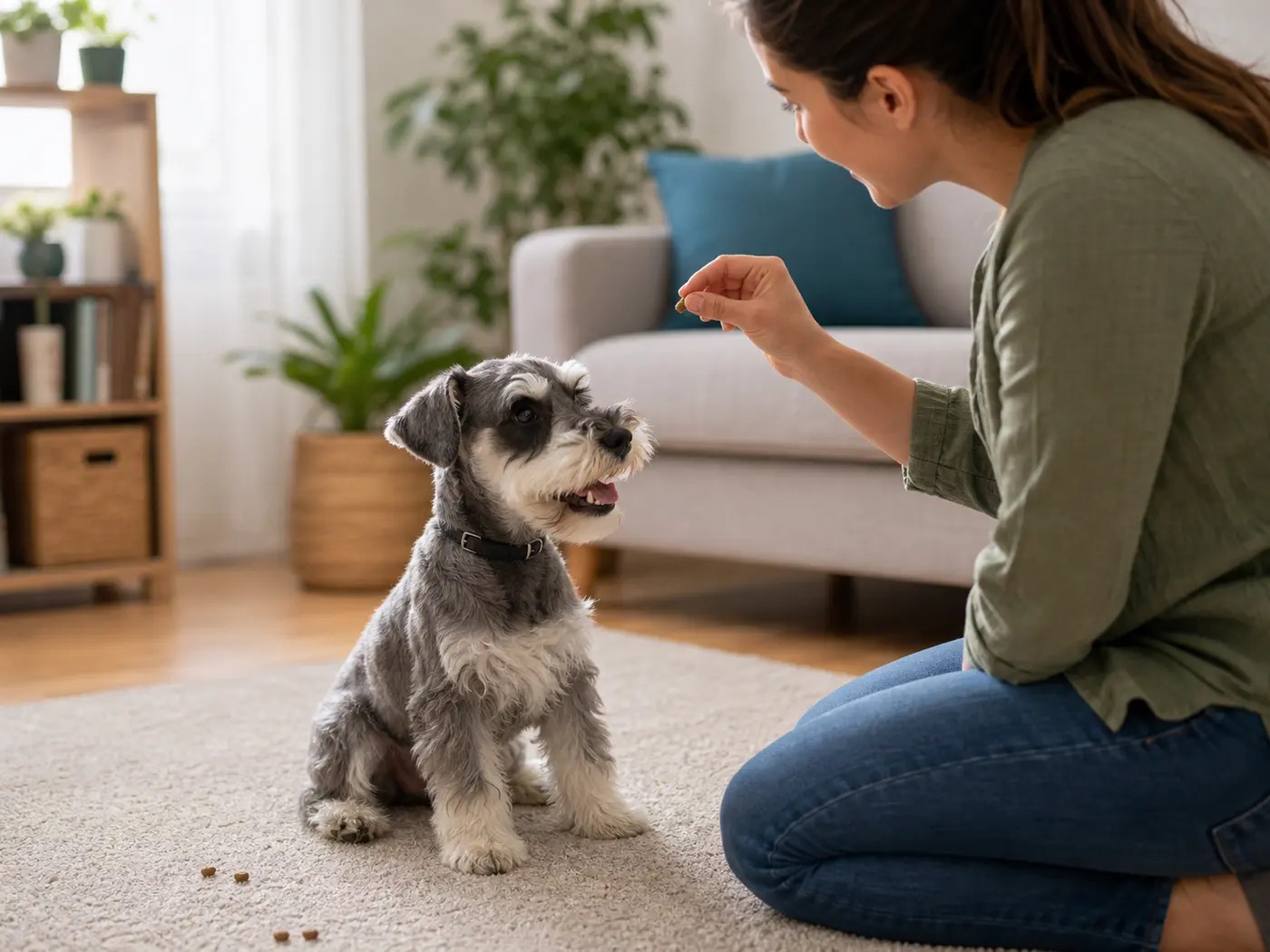
Use a calm minute of sniffing, a lick mat, or a few easy cues. Avoid wild play right before the crate.
Cue the crate gently
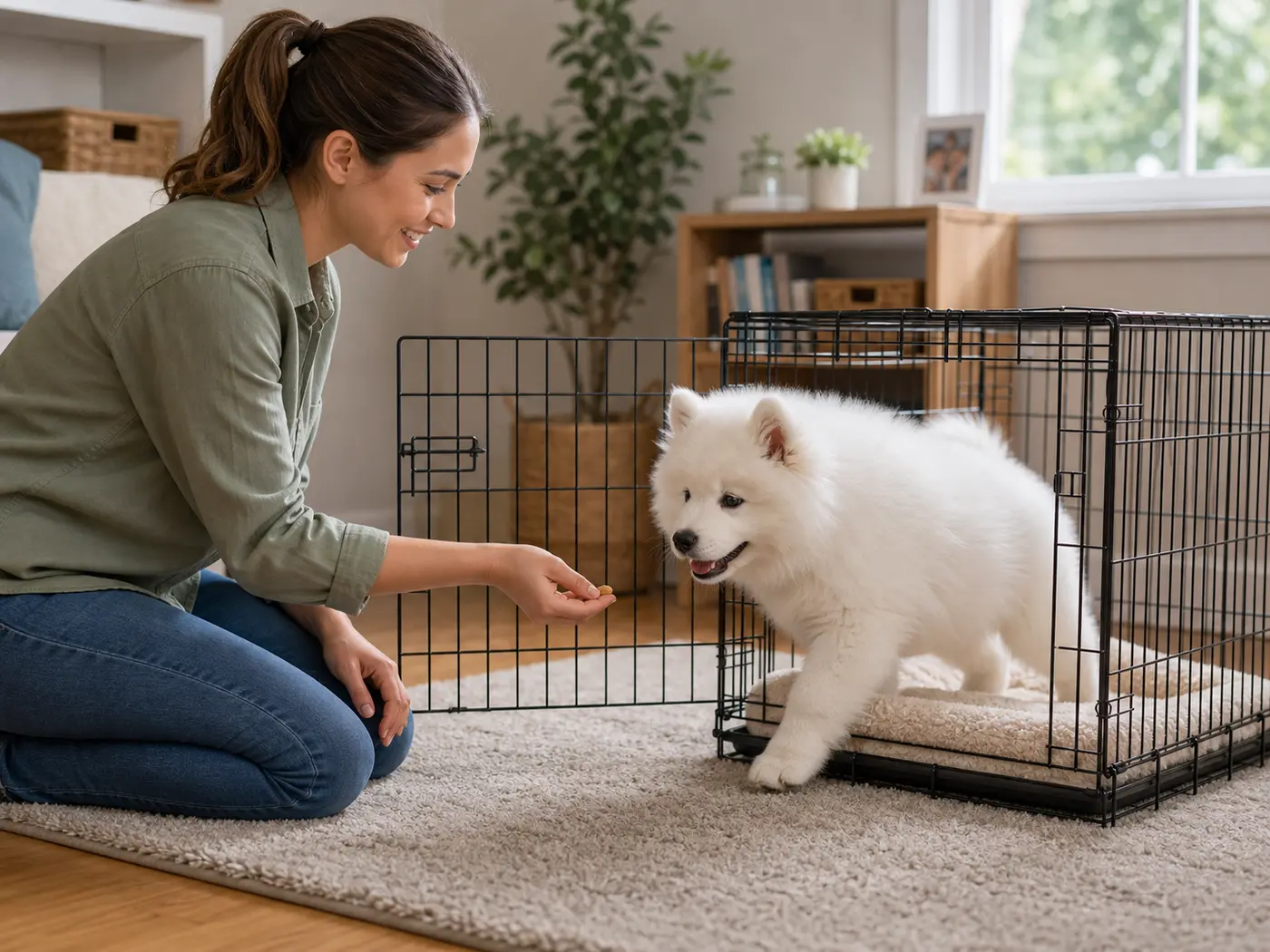
Use your crate cue or toss a treat inside. Keep your body relaxed and the doorway clear.
Make the room boring
Lower the household energy. Close the laptop meeting, pause kid traffic, or move the crate away from the busiest path.
Watch the first minutes
A little settling noise can happen, but sharp escalation means you should check needs and make the plan easier.
Repeat the same order
The pattern matters more than the clock: potty, downshift, crate, rest, calm release.
Little things that help
Plan naps before chaos
Do not wait until your puppy is biting everyone and sprinting laps. Start the routine earlier.
Keep exits calm
A dramatic release can make the next nap harder. Open quietly and go straight to potty if needed.
Track what works
Some puppies nap better after food; others need food, potty, then a few minutes to digest before crating.
Helpful little extras
Affiliate links: Furball Cove may earn from qualifying purchases at no extra cost to you.
Washable crate mat
A low-profile washable mat keeps the crate comfortable while still being easy to clean after normal puppy messes.
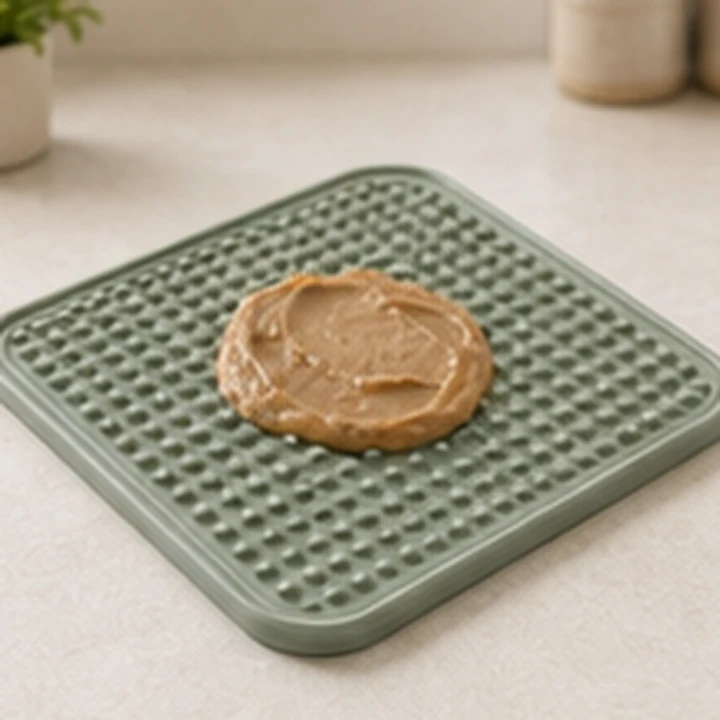
Lick mat
A thin spread on a lick mat can make daytime crate practice feel slower and calmer for puppies who already tolerate it.
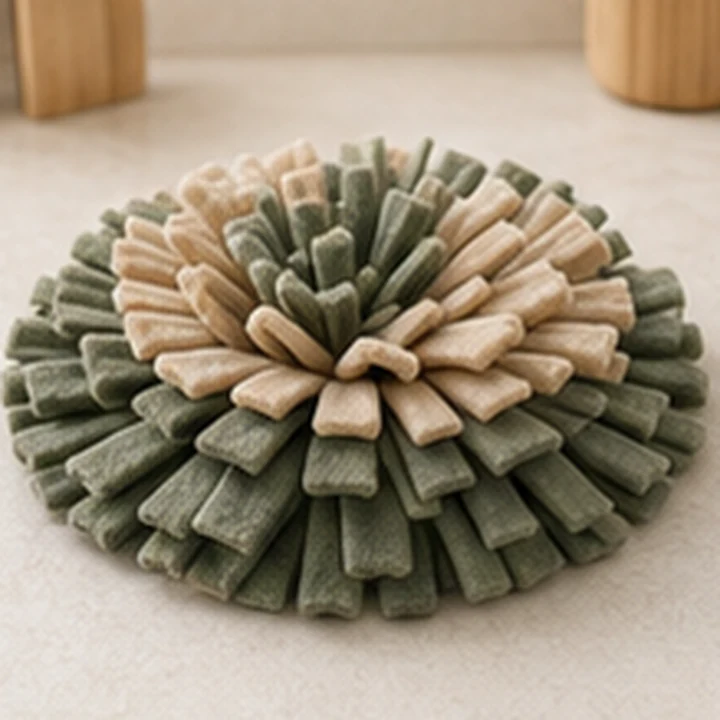
Snuffle mat
A few sniffing minutes before crate time can lower the room for puppies who arrive at the crate too wired to rest.
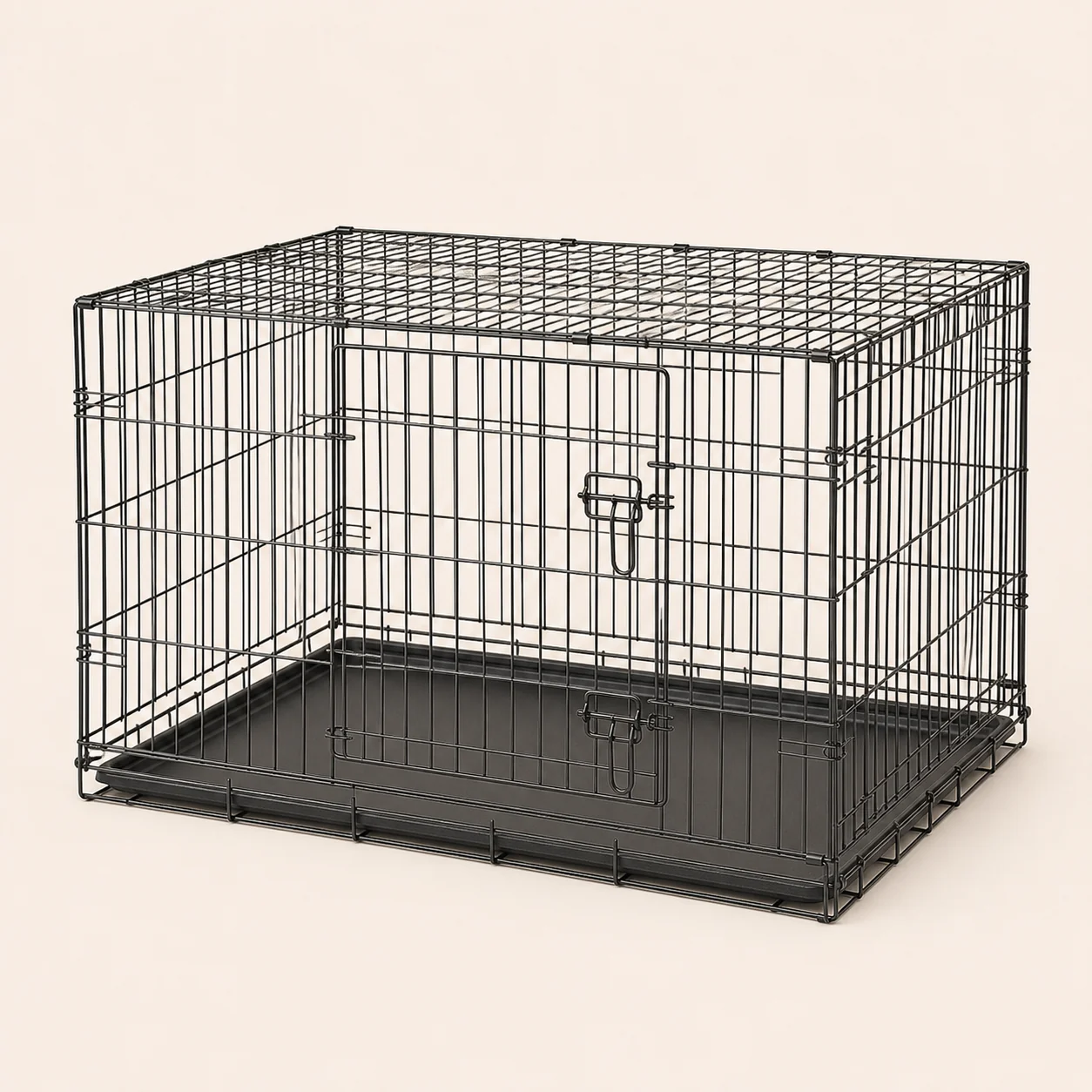
Puppy crate with divider
A divider lets the crate fit your puppy now without leaving a giant space that feels more like a playroom than a sleep spot.
Questions people ask
How many naps does a puppy need?
It varies by age and dog, but young puppies usually need much more sleep than they choose on their own.
What if my puppy cries at nap time?
Check potty, comfort, temperature, and whether the routine moved too fast. Then rebuild with easier daytime reps.
Should every nap be in the crate?
No. Mix crate naps with supervised rest near you so the crate stays useful without carrying the whole day.