Updated
Puppy crate training
Crate Size and Safety
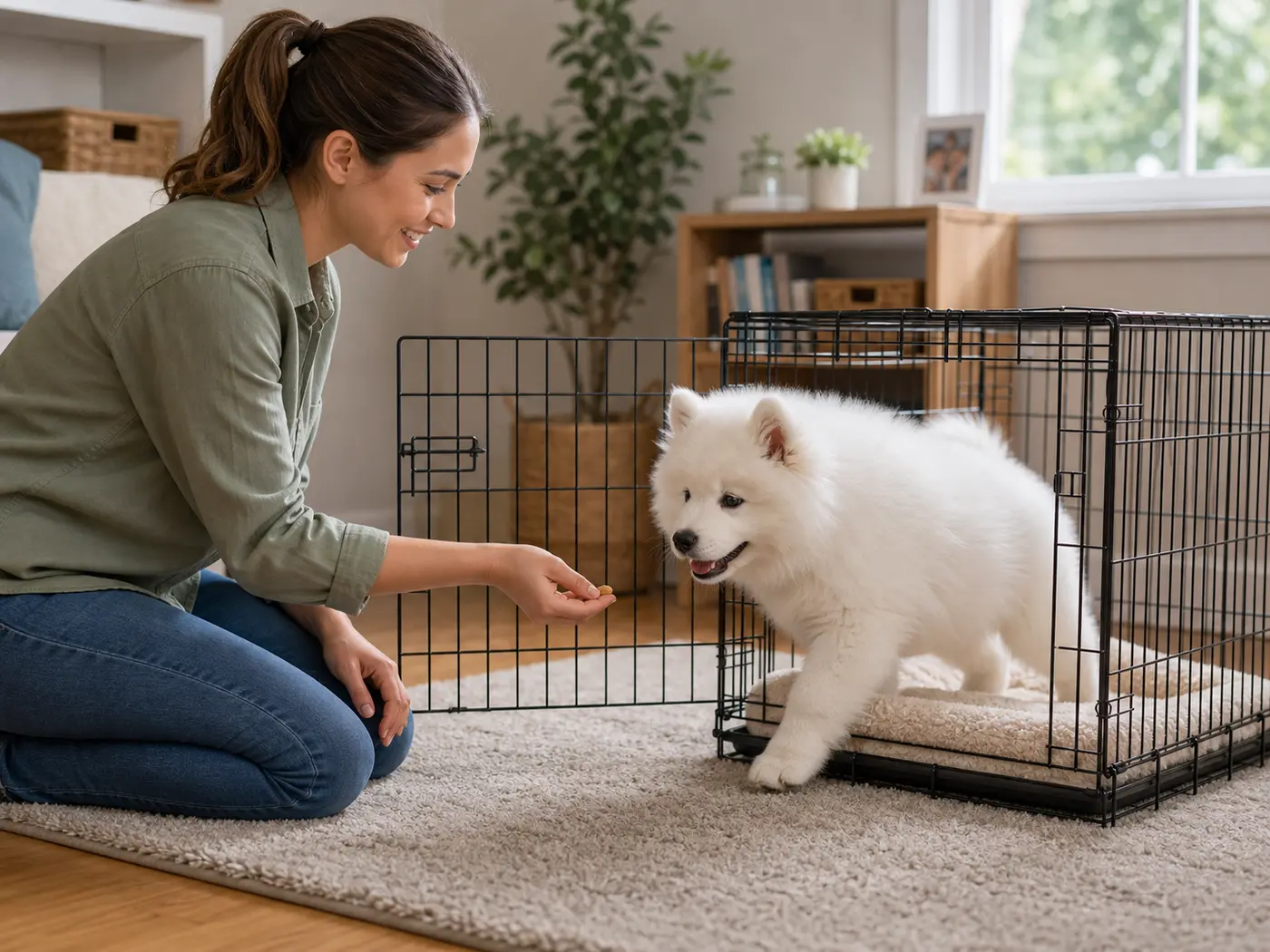
A safe crate lets your puppy stand, turn, stretch, and rest without loose hazards inside.
The crate should feel cozy, but not cramped. It also needs to be boringly safe: no collars, dangling cords, risky chews, or bedding your puppy is likely to shred and swallow.
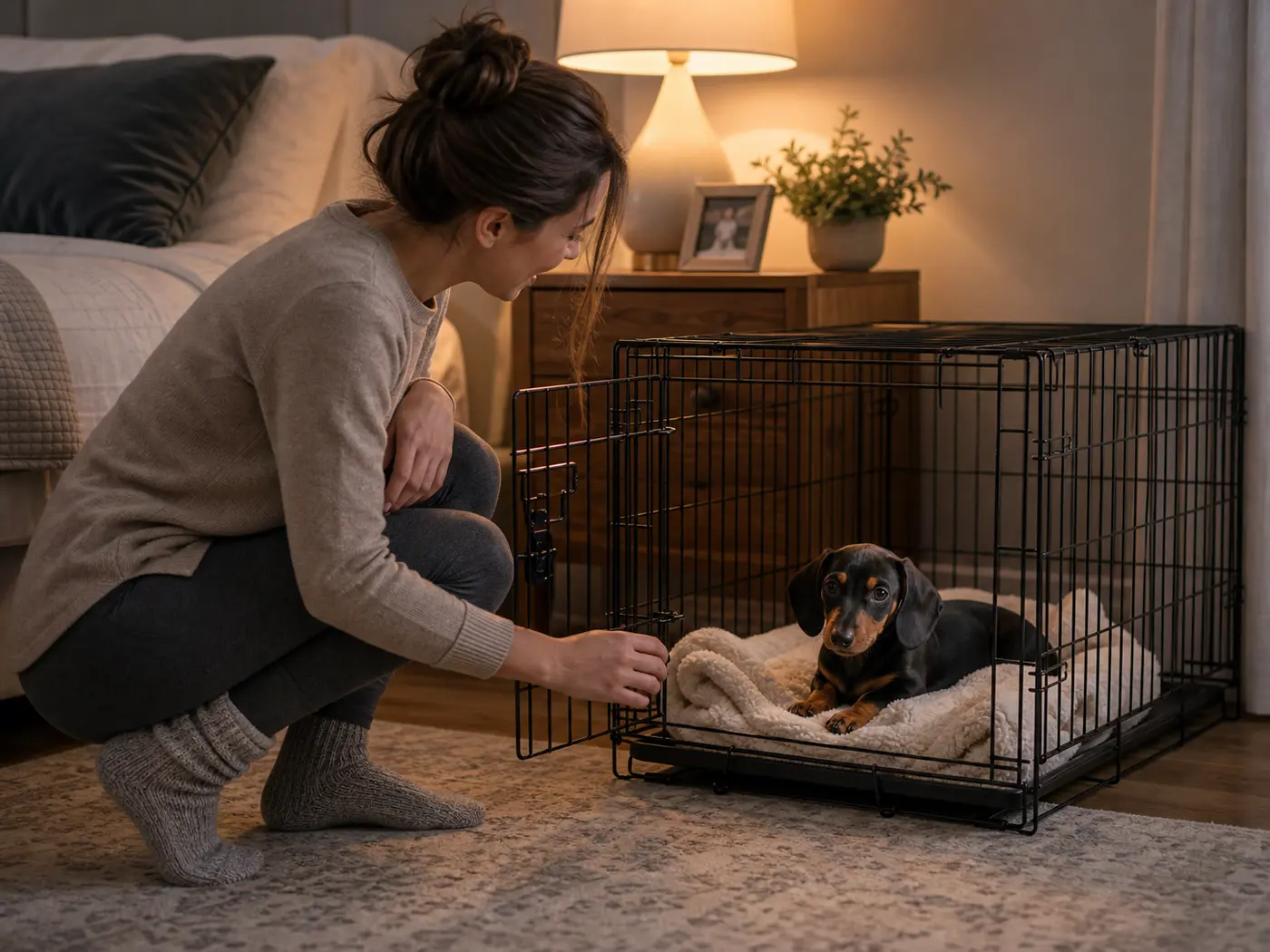
Crate size affects comfort and house training. Too small feels unfair; too large can encourage pacing, play, or potty mistakes.
Safety is part of training. A puppy who gets tangled, overheats, chews bedding, or has a bad scare in the crate may lose confidence fast.
Great for
- Puppies starting a new crate routine.
- Owners choosing a crate, divider, bedding, or safe chew.
- Dogs who need a cleaner, simpler sleep space.
Wait a bit if
- Your puppy destroys bedding or tries to swallow fabric.
- Your dog is overheating, coughing, vomiting, or acting suddenly unwell; call your vet.
- The crate is being used longer than your puppy can comfortably handle.
Shape the quiet routine
Check the body fit
Your puppy should be able to stand, turn around, stretch out, and lie on their side comfortably. If they cannot, the crate is too small.
Use a divider if needed
For growing puppies, a divider can keep the sleep area cozy without buying a new crate every few weeks.
Remove collar hazards
Take off collars, dangling tags, harnesses, and anything that could catch on wire or bedding during crate time.
Choose simple bedding
Start with washable, low-profile bedding. If your puppy chews fabric, use safer supervision and ask your vet or trainer about alternatives.
Keep chews boringly safe
Use crate chews only when you know how your puppy handles them. Size, chew style, and supervision matter.
Review the setup weekly
Puppies grow quickly. Recheck fit, divider placement, bedding, and latch security as their body and habits change.
Little things that help
Watch the temperature
A cozy crate can still be too warm. Check airflow and room temperature, especially with covers.
Do not overfill the crate
More blankets and toys do not always mean more comfort. Too much clutter can make rest harder.
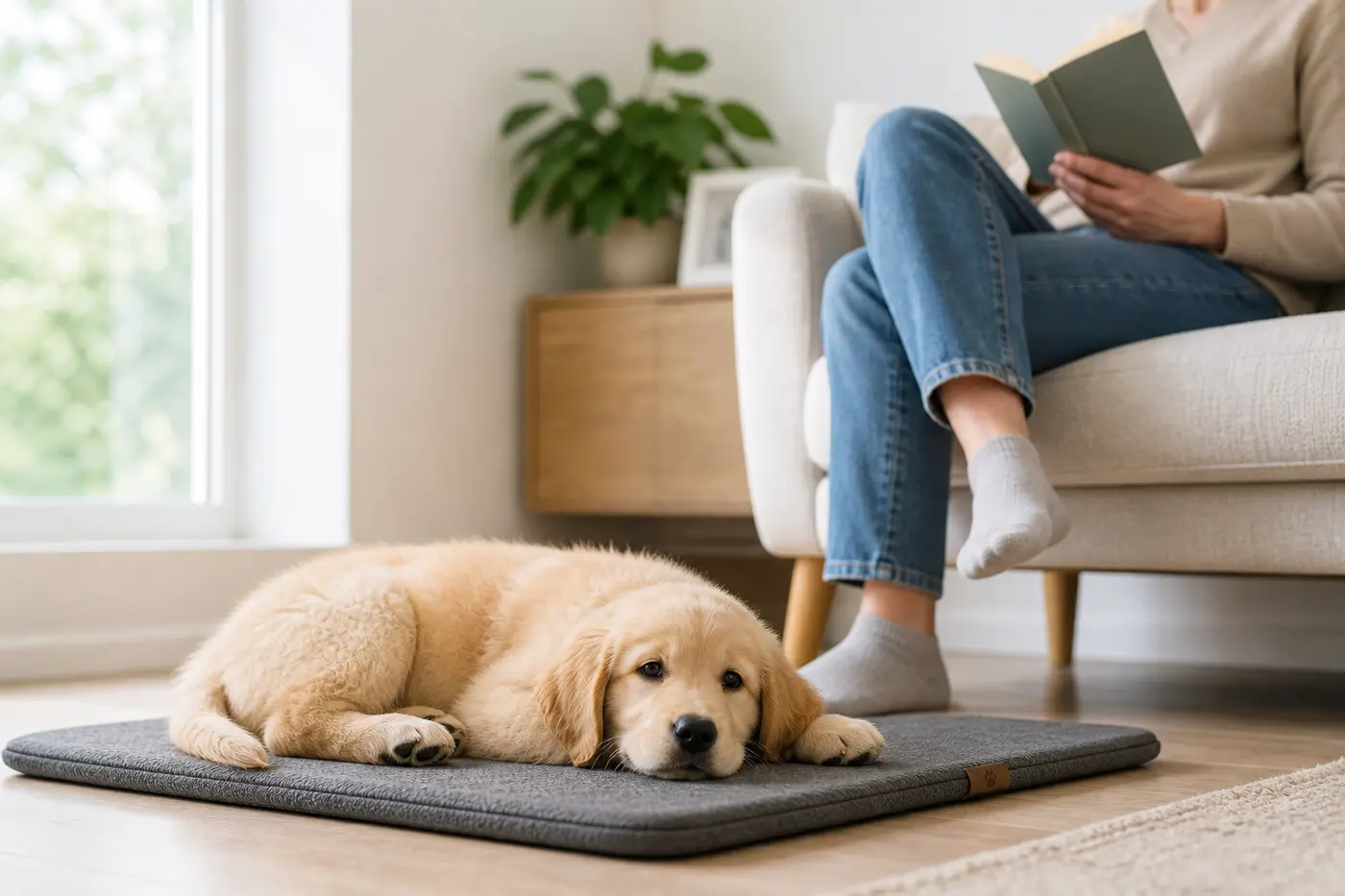
Use the crate for rest
The safest setup still needs fair timing, potty breaks, and daily exercise.
Helpful little extras
Affiliate links: Furball Cove may earn from qualifying purchases at no extra cost to you.
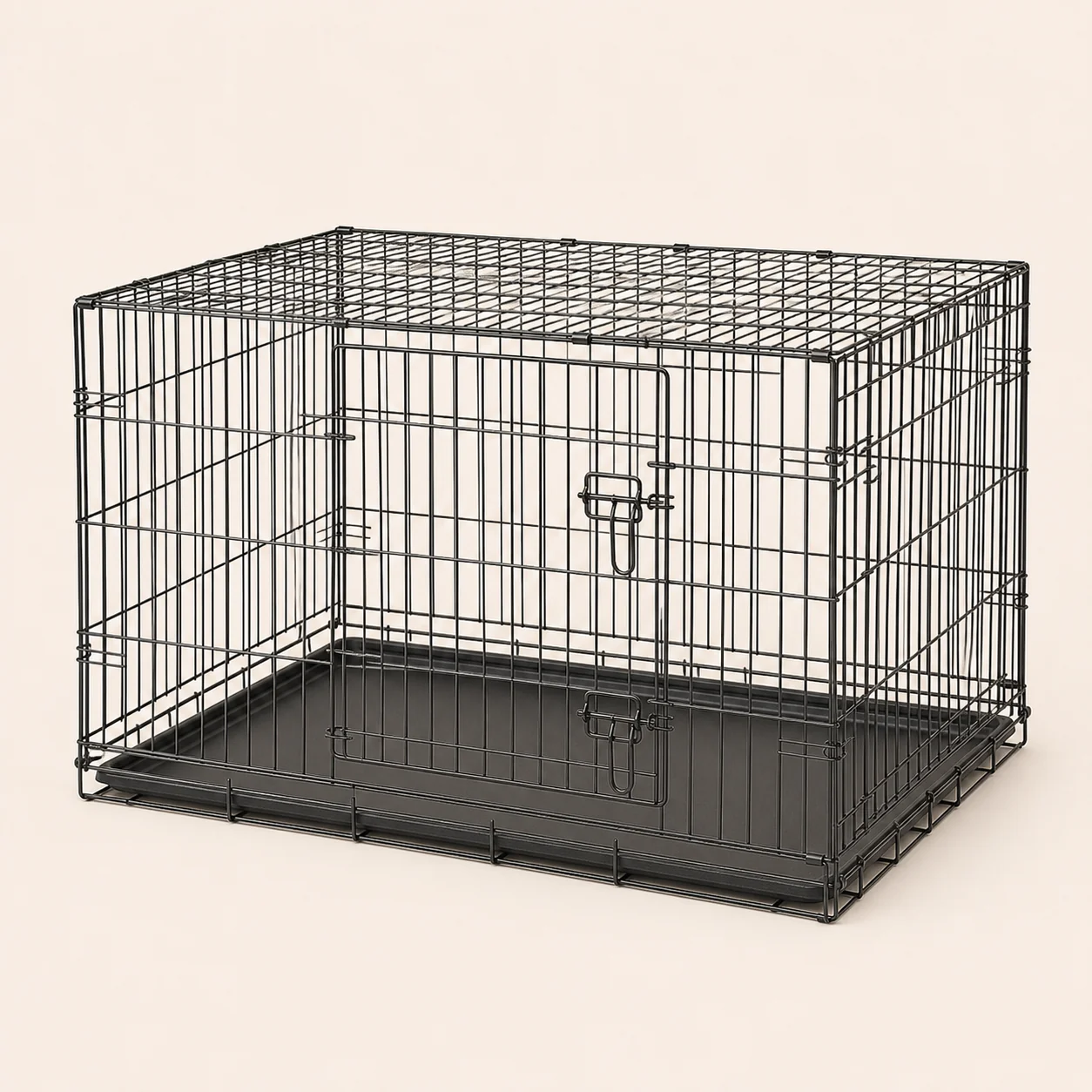
Puppy crate with divider
A divider lets the crate fit your puppy now without leaving a giant space that feels more like a playroom than a sleep spot.
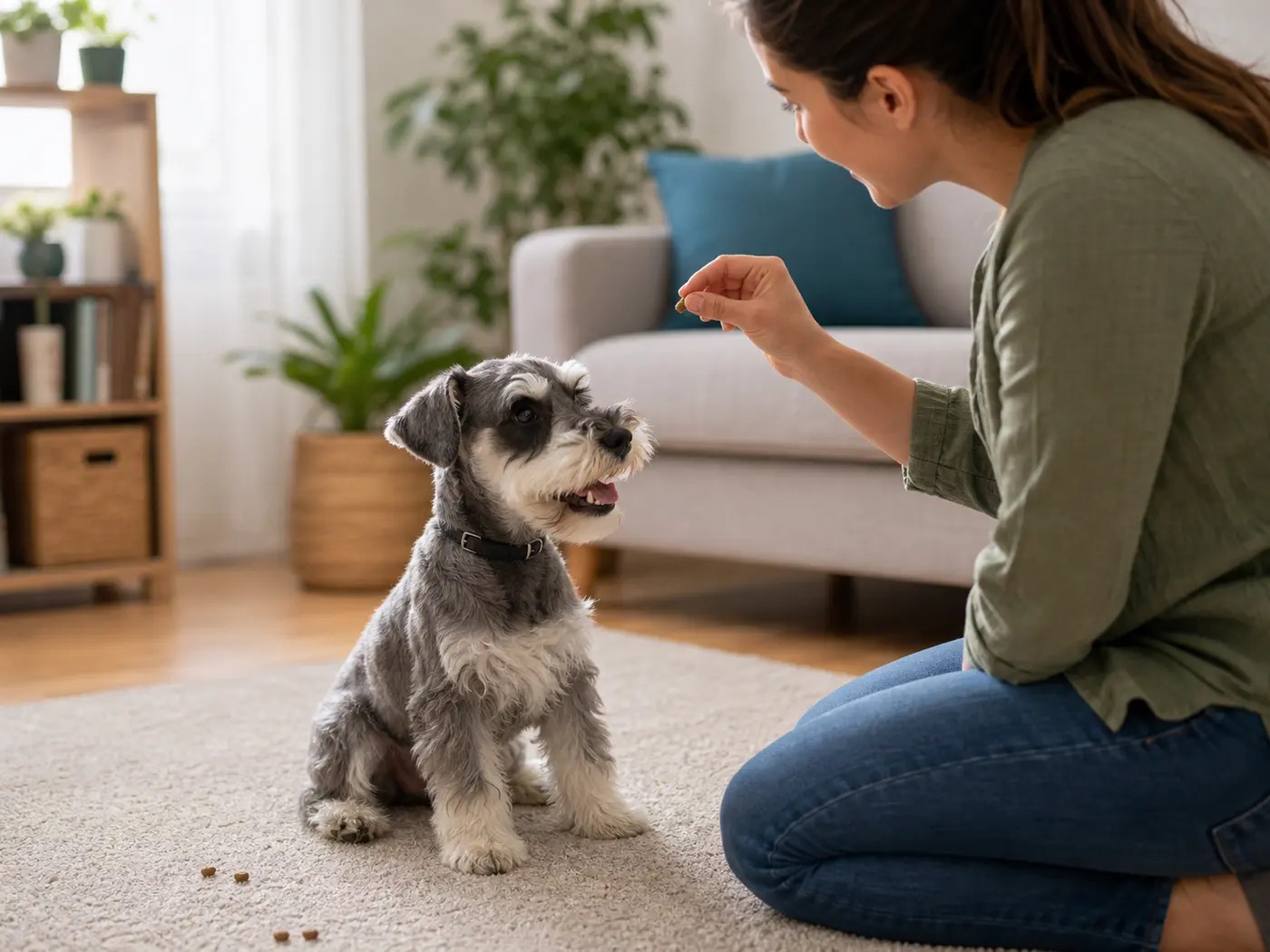
Washable crate mat
A low-profile washable mat keeps the crate comfortable while still being easy to clean after normal puppy messes.

Puppy-safe chew
A safe chew gives your puppy a quiet job during supervised crate practice, especially after the crate already feels comfortable.
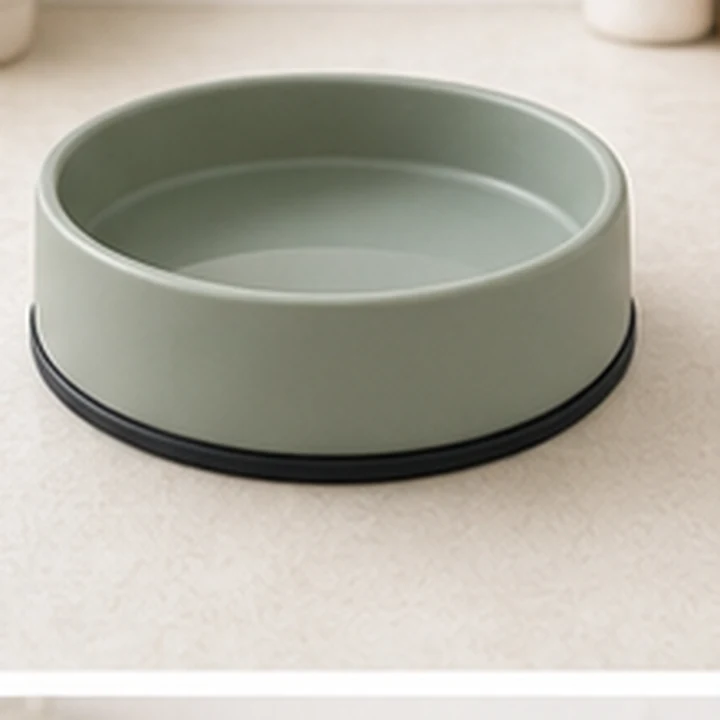
Small water bowl
A steady bowl helps you check thirst before crate time without setting up a messy water source inside the crate.
Questions people ask
How big should a puppy crate be?
Big enough to stand, turn, stretch, and lie down comfortably, but not so oversized that it invites pacing or potty corners.
Can I leave a collar on in the crate?
It is usually safer to remove collars and dangling tags because they can catch. Use an ID plan outside crate time.
What bedding is safest?
Use washable bedding your puppy does not chew or swallow. If fabric chewing is an issue, simplify the setup and ask a professional for help.