Updated
Small mammal food safety
Can Small Mammals Eat Alfalfa Hay?
Limited / special-use hay
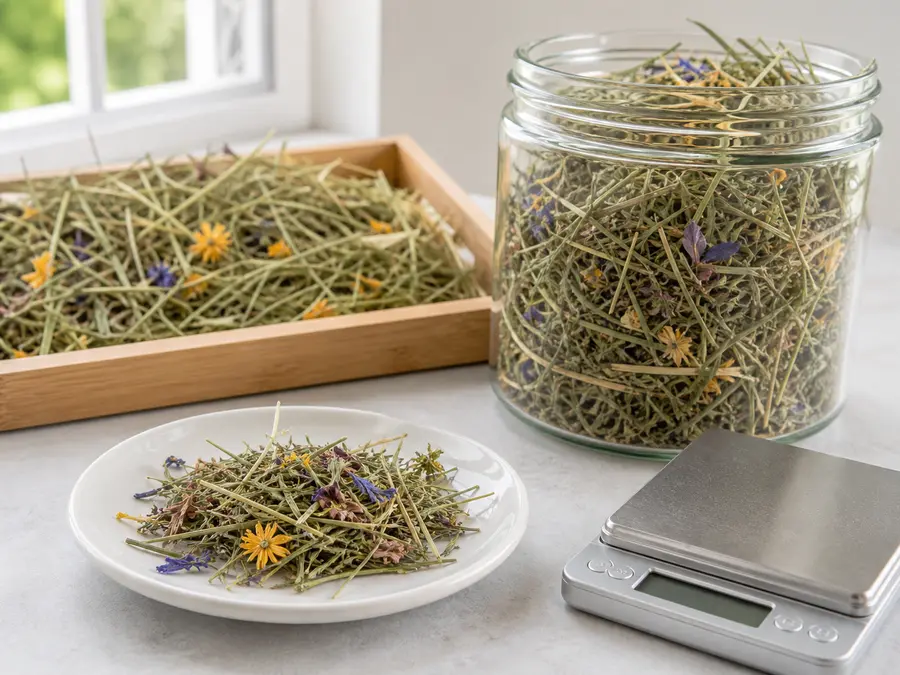
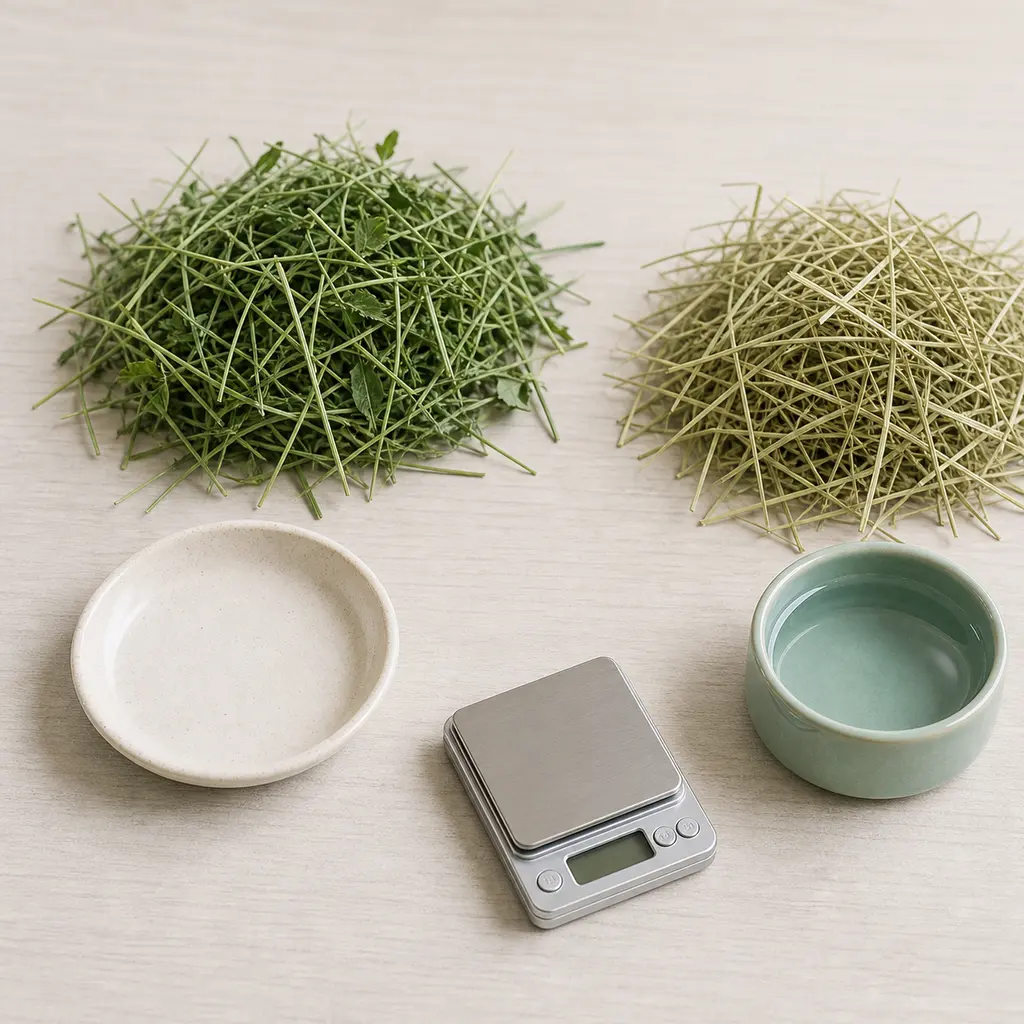
Alfalfa hay is a special-use hay, not routine adult hay. It may fit young, pregnant, or nursing guinea pigs under guidance; most adult guinea pigs and chinchillas need grass hay instead.
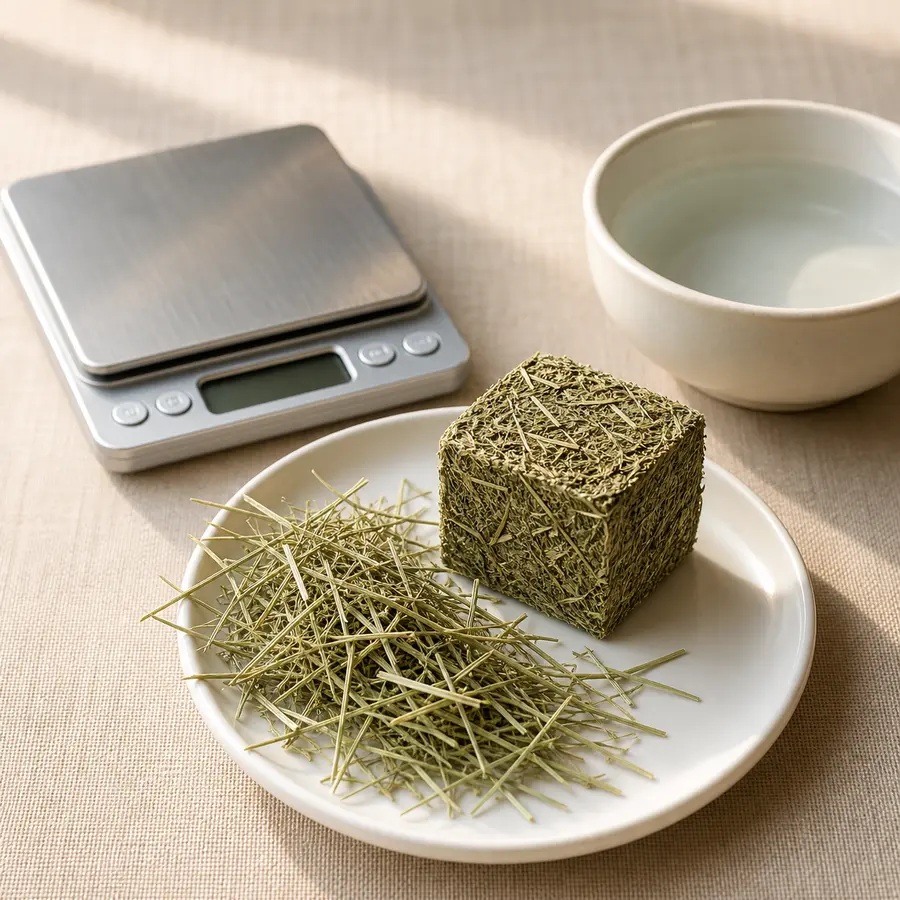
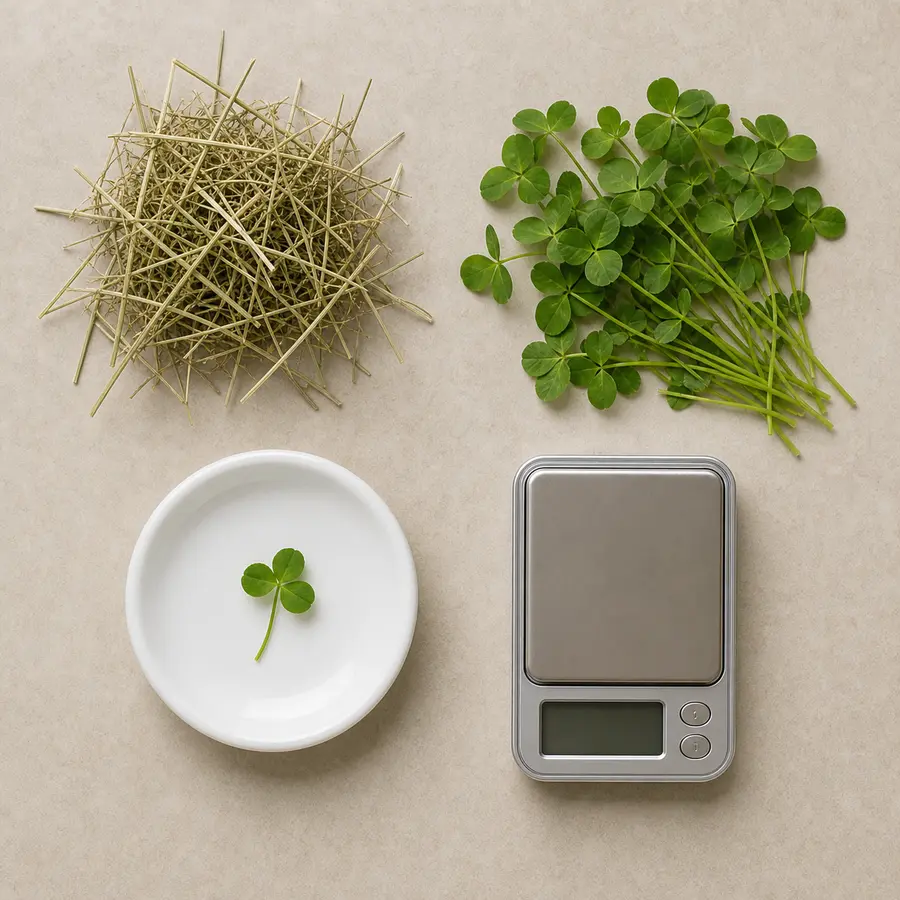
 Alfalfa hay
Guinea pigs
Limited / special-use hay
Adult guinea pigs should usually use clean grass hay as daily hay. Alfalfa hay may be appropriate for young, pregnant, or nursing guinea pigs under veterinarian or rescue guidance.
Syrian and dwarf hamsters
Enrichment only
Alfalfa hay is not a hamster staple. At most, use a small amount as nesting or nibbling enrichment while hamster food and water stay central.
Rats
Enrichment only
Alfalfa hay is enrichment only for rats; it does not replace a rat-appropriate staple, measured fresh foods, and water.
Mice
Enrichment only
Alfalfa hay can be nesting or nibbling enrichment for mice, not a daily diet item or replacement for mouse food.
Gerbils
Enrichment only
Alfalfa hay can be used sparingly as nesting or chewing enrichment for gerbils, but it should not replace a gerbil-appropriate diet.
Chinchillas
Not routine adult hay
Chinchillas should not use alfalfa as routine hay. Use clean grass hay as the daily base unless an exotic-pet veterinarian gives a different plan.
Ferrets
Do not feed
Do not feed alfalfa hay to ferrets. Ferrets are carnivores and hay is not a diet item for them.
Use only when the case fits
Alfalfa is richer than grass hay. It can be useful for some young, pregnant, or nursing guinea pigs, but it should not become the default adult hay.
Return to grass hay
For most adult guinea pigs and chinchillas, clean grass hay should be the everyday hay base.
How to offer it
- Use alfalfa only when the animal's life stage or medical plan calls for richer hay.
- Keep clean grass hay as the normal adult hay base for guinea pigs and chinchillas.
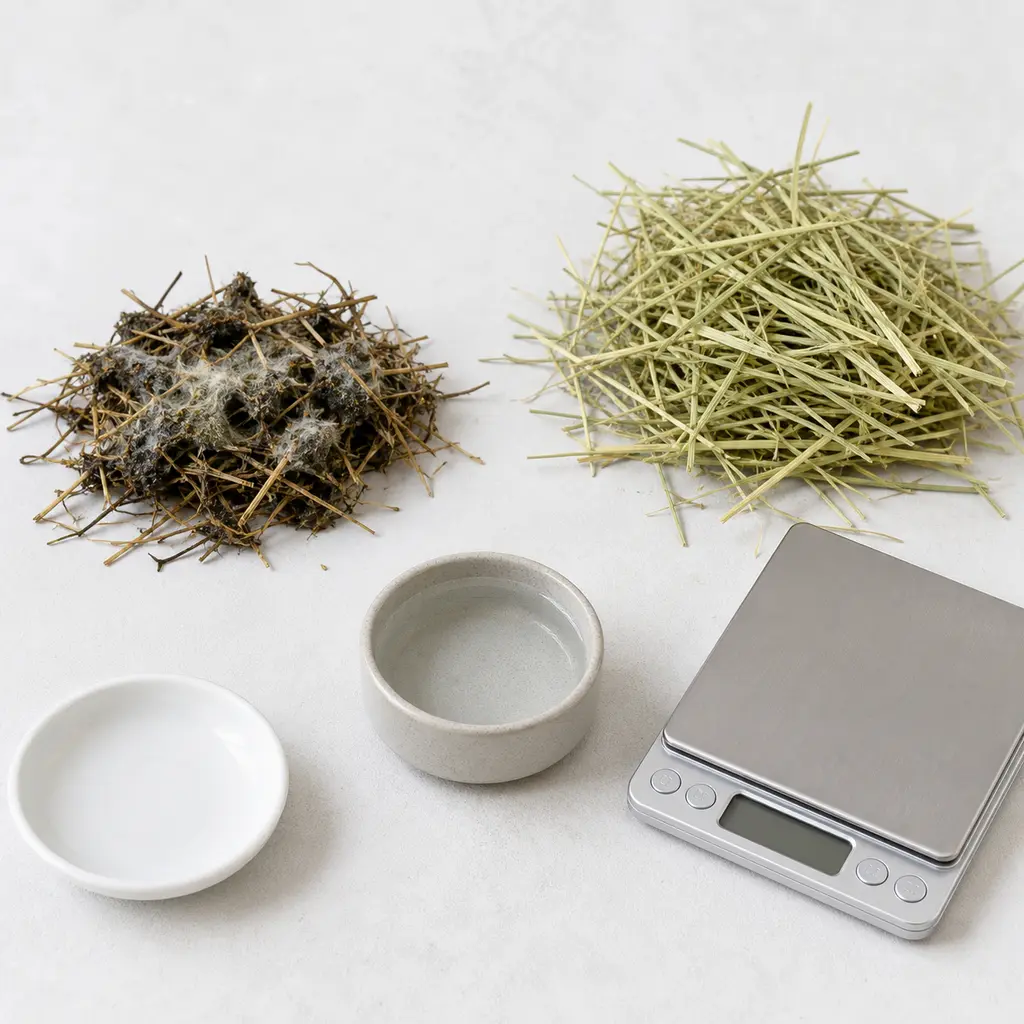
- Discard dusty, damp, moldy, or stale hay before it reaches the cage.
Avoid
- Using alfalfa as routine adult hay without guidance.
- Dusty, damp, moldy, or strongly stale hay.
- Feeding hay to ferrets; they need a carnivore diet, not forage.
Watch
- Stop and call an exotic-pet veterinarian if appetite drops, droppings or stool change, bloating appears, or the animal becomes quiet.
- For guinea pigs, chinchillas, or any weak animal, reduced eating or fewer droppings is urgent.
Hay role
Use alfalfa only when the life stage or care plan calls for richer hay. Adult guinea pigs and chinchillas usually need grass hay; ferrets should not be fed hay.
Helpful food-safety supplies
Optional tools for measuring, storing, serving, and cleaning up small portions safely.
Affiliate links: Furball Cove may earn from qualifying purchases at no extra cost to you.