Updated
Small mammal food safety
Can Small Mammals Eat Hay Pellets?
Ingredient check
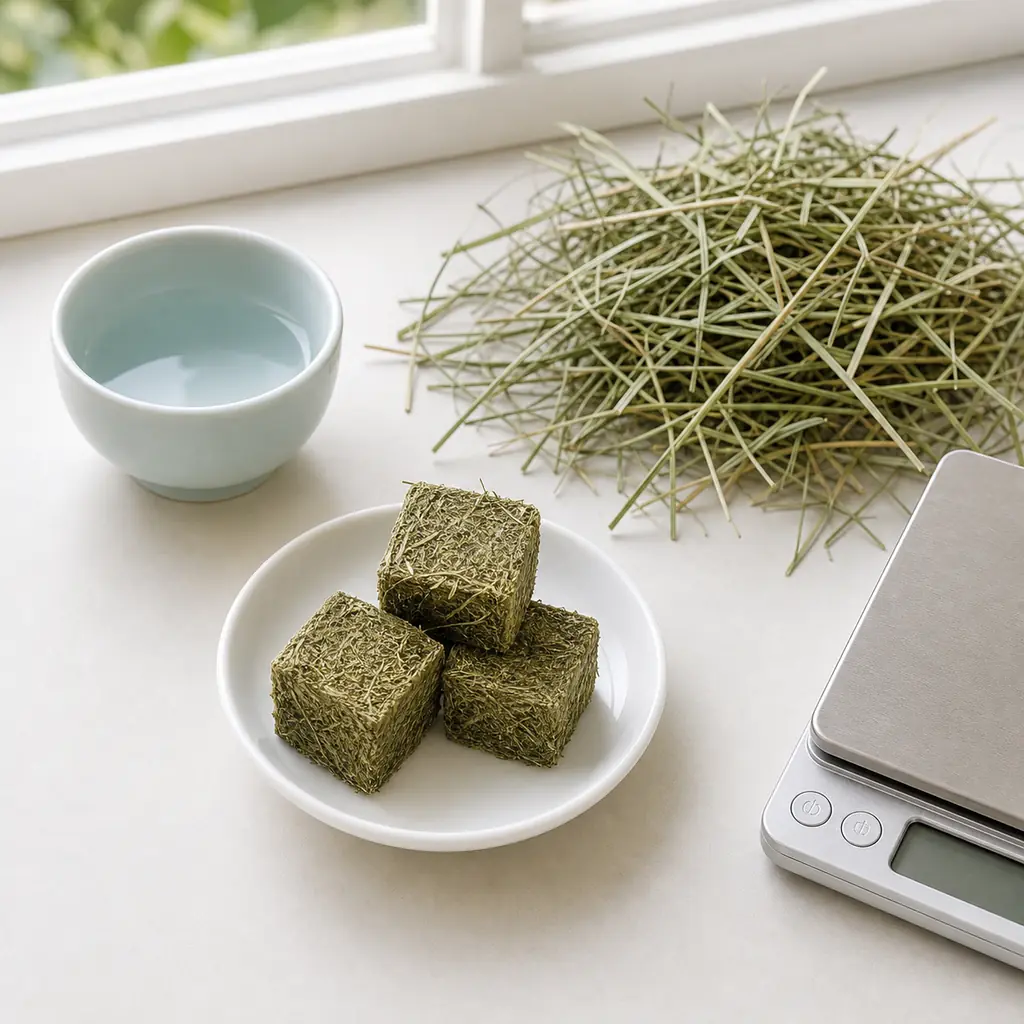
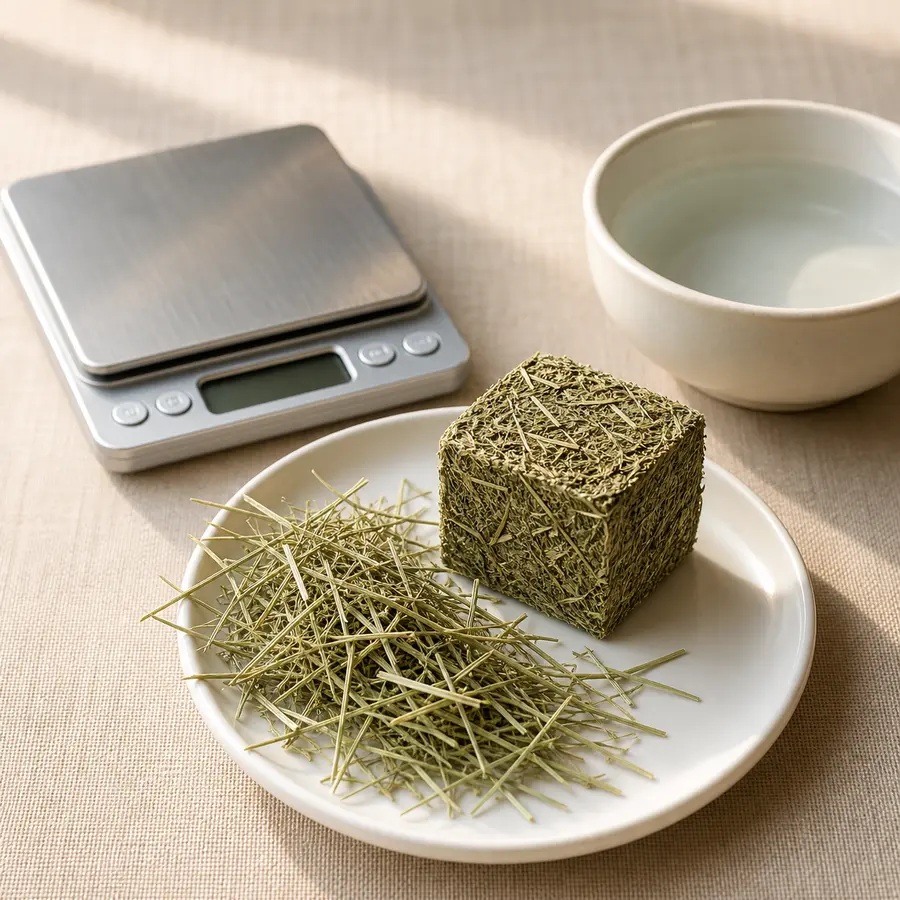
Plain hay pellets can support some hay-eating routines, but they do not replace loose hay. Check whether the product is plain grass hay, alfalfa, or a complete pellet formula before feeding.
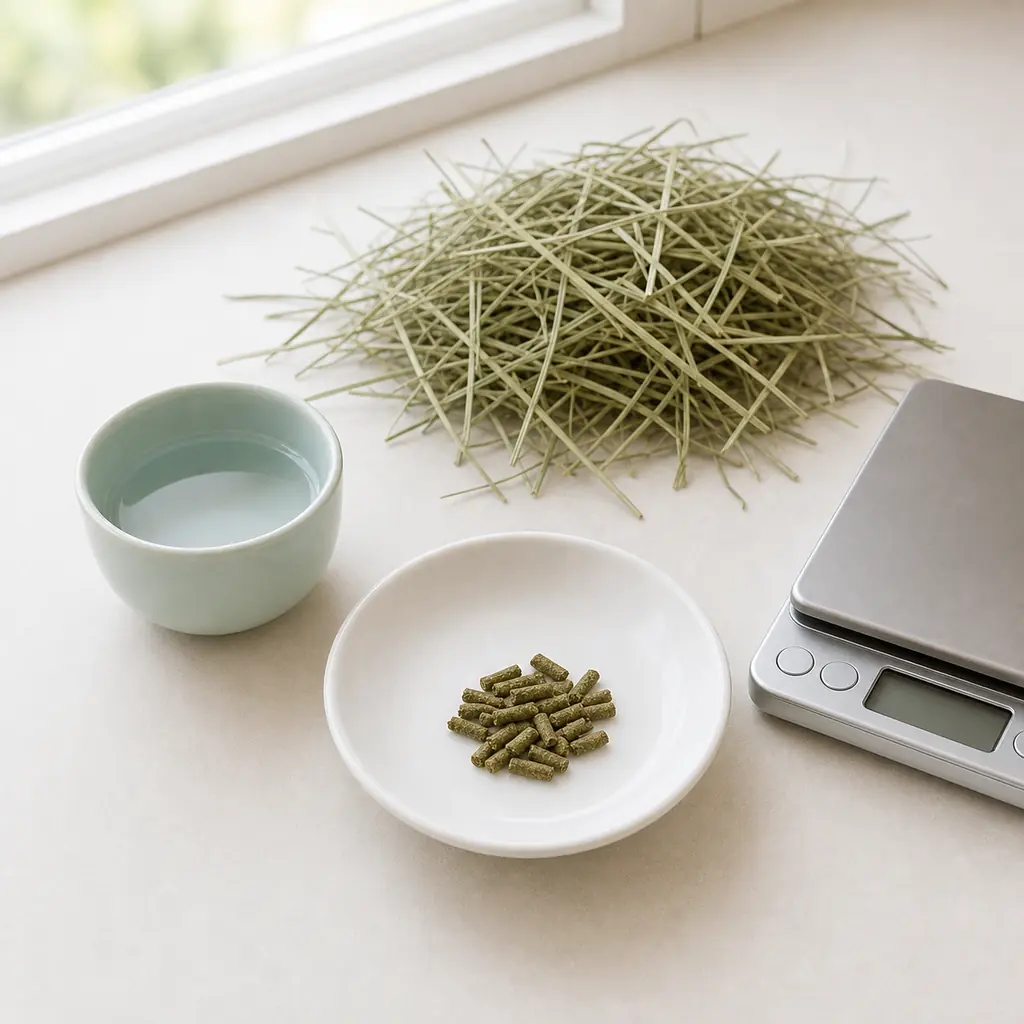 Hay pellets
Guinea pigs
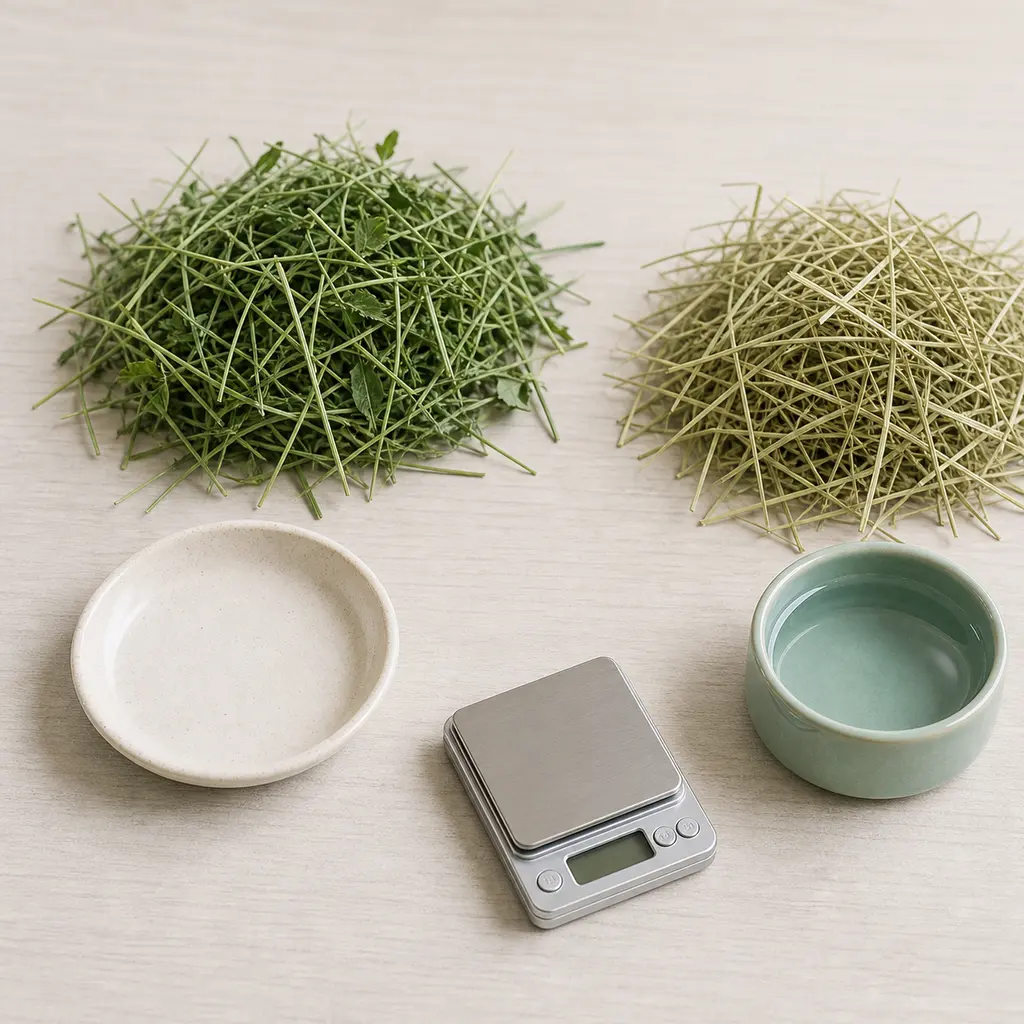
Measure and keep hay
A guinea pig may use appropriate pellets as part of the diet, but loose grass hay, water, and vitamin C foods still matter every day.
Syrian and dwarf hamsters
Not a staple
Do not use hay pellets as a hamster staple. Use hamster-appropriate food and treat plain hay pellets only as minor enrichment if they fit the product.
Rats
Not a staple
Do not use hay pellets as rat food. Rats need a rat-appropriate staple, not borrowed hay pellets.
Mice
Not a staple
Do not use hay pellets as mouse food. A mouse needs a mouse-appropriate staple and tiny controlled extras.
Gerbils
Not a staple
Do not use hay pellets as gerbil food. Balanced gerbil food and safe dry-leaning extras are a better fit.
Chinchillas
Measure and keep hay
A chinchilla may use appropriate pellets as part of the diet, but loose grass hay should stay the daily base.
Ferrets
Do not feed
Do not feed hay pellets to ferrets. Ferrets need meat-based food, not hay products.
Pellets are not loose hay
Pellets are easier to overeat and do not provide the same long-strand chewing as loose hay.
The label decides the page
Plain grass hay pellets, alfalfa pellets, and complete species pellets are different products. Do not treat them as interchangeable.
Read the label
- Confirm whether the pellets are plain grass hay, alfalfa hay, or a complete species-formulated pellet.
- Measure the amount instead of free-pouring a bowl of pellets.
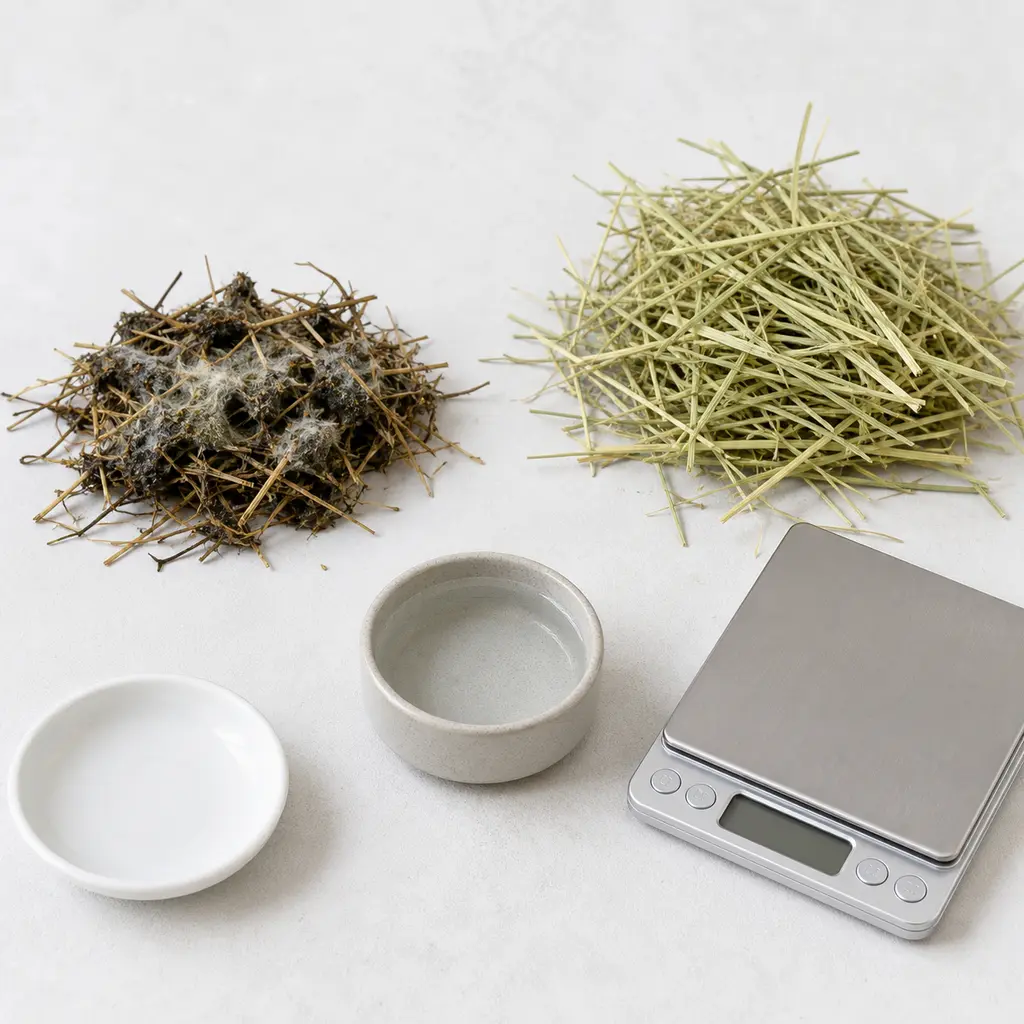
- Keep pellets dry and discard stale, dusty, damp, moldy, or urine-soaked pieces.
Avoid
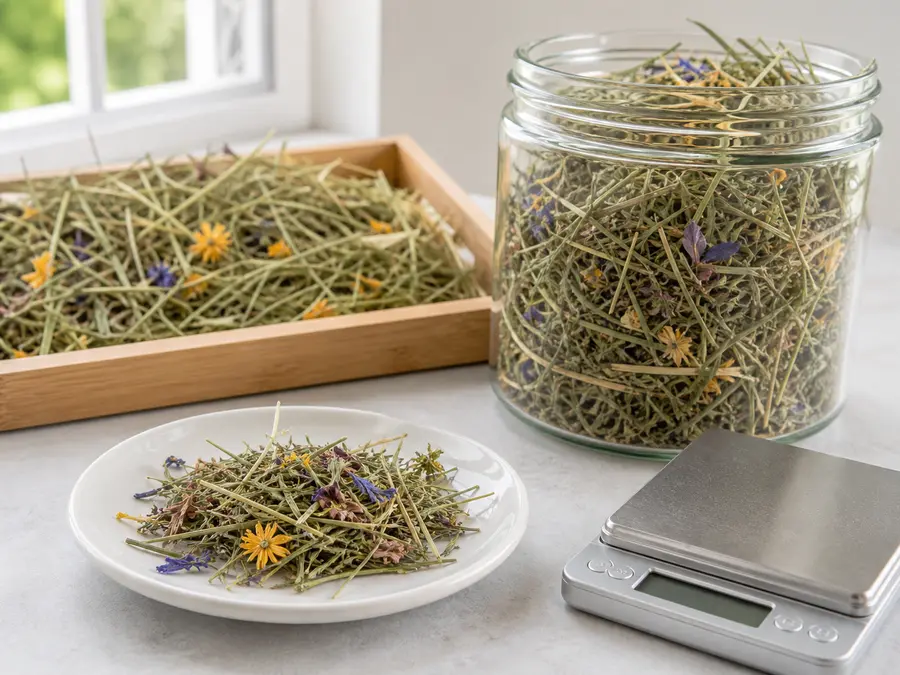
- Colorful pellet mixes, seed mixes, dried fruit, honey, molasses, yogurt drops, loose supplements, unknown pellets, mold, damp pellets, and stale feed.
- Using pellets to replace loose hay for guinea pigs or chinchillas.
- Borrowing hay pellets across species or feeding them to ferrets.
Watch
- Reduced loose-hay eating, selective feeding, soft stool, fewer droppings, weight change, stale pellet hoards, or dusty feed.
- Call an exotic-pet veterinarian promptly if a guinea pig or chinchilla eats less, produces fewer droppings, or stops chewing hay.
Hay role
Use the product label and species row. Guinea pigs and chinchillas still need loose hay; hamsters, rats, mice, and gerbils should not use hay pellets as their staple; ferrets get none.
Helpful food-safety supplies
Optional tools for measuring, storing, serving, and cleaning up small portions safely.
Affiliate links: Furball Cove may earn from qualifying purchases at no extra cost to you.