Updated
Dog food guide
Picky Dog? Try This Before You Switch Food
If your dog is not eating but seems bright, check the last two days before switching food. Treats, table scraps, meal timing, texture, or a fast change often explain picky eating; call your vet for sudden appetite loss, vomiting, diarrhea, weight loss, or low energy.
Check the meal before you shop
Start with what happened before the skipped meal. Did training treats run long? Was there a chew after lunch, a late breakfast, a house guest, a loud repair, or a new food mixed in quickly?
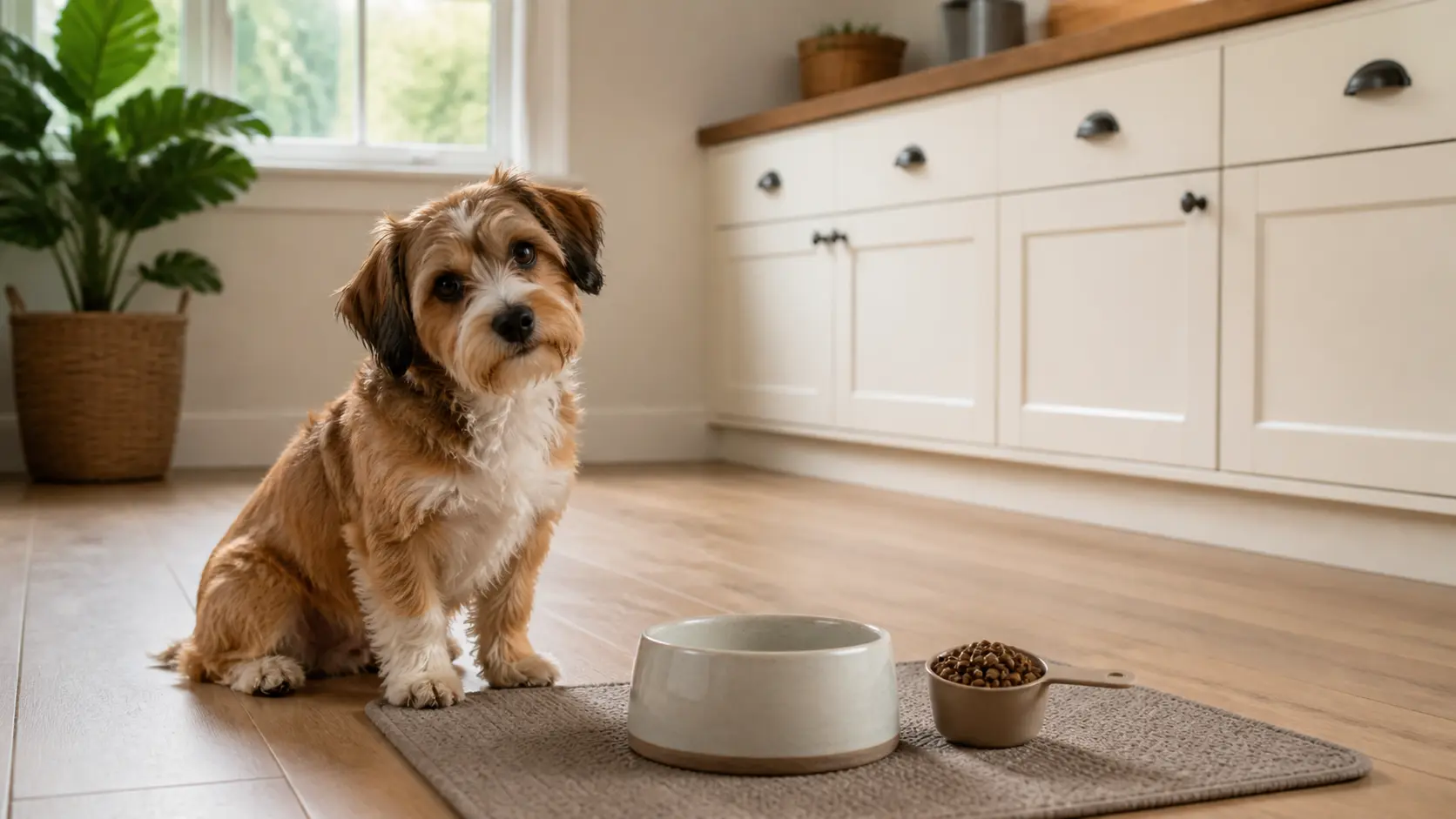
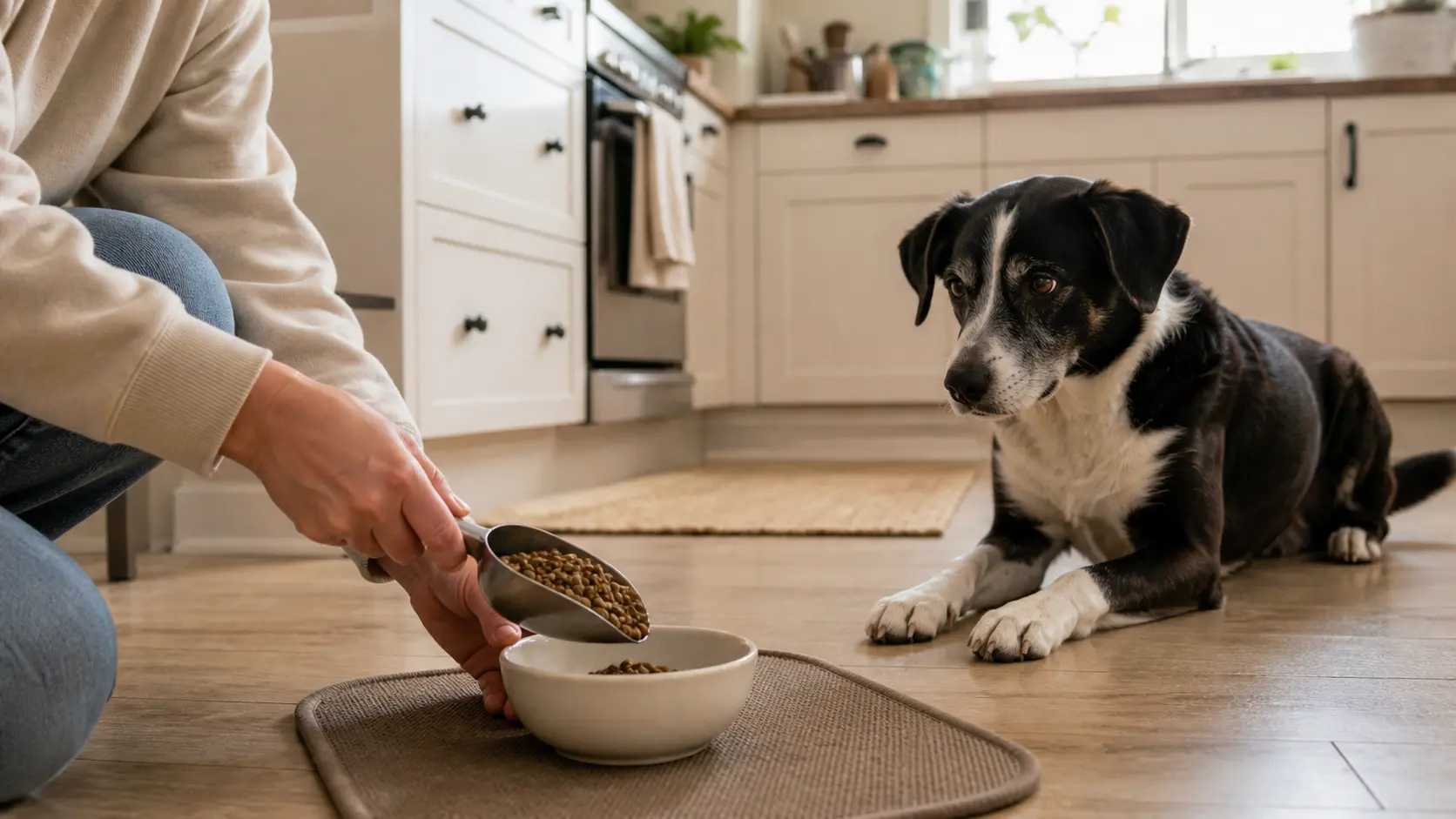
For a small dog, a few extra bites can be enough to spoil dinner. Wash the dish, move the feeding mat away from busy kitchen traffic, and watch whether hard kibble, cold wet food, or a sliding dish makes eating harder.
Run a one-week meal test
For seven days, serve the current complete food at about the same breakfast and dinner times. Measure the meal, count treats and chews, leave it down for 15 to 20 minutes, then pick it up without adding chicken, cheese, or a richer can.
Write one short note after each meal: ate after a walk, skipped after a chew, ate softened kibble, left when the room got loud. Keep the test easy to repeat on a normal day. After a week, you should know whether the clue is appetite, timing, texture, snacks, or the food itself.
Why dogs get picky
Picky eating is not always about taste. Some dogs have sore teeth, nausea, stress, stale kibble, or a feeding spot that feels too busy. Some learn fast: skip dinner, get table scraps.
One meal does not tell the whole story. Breakfast skipped but dinner eaten may point to timing. Sniffing and walking away can point to smell or texture. Backing away when the dish clanks may point to noise. Loose stool after a new food points back to the switch.
For example, one dog may ignore breakfast after a late chew but eat normally after a walk. Another may want the same food softened because hard pieces are uncomfortable. Before buying another food, check snacks, teeth, storage, recent changes, and where dinner happens.
What to try first
Start with the clearest clue, not a full food overhaul. If treats filled the afternoon, count them and make training rewards smaller. If chewing looks uncomfortable, soften part of the meal with warm water and book a dental check. If dinner happens in a busy hallway, move the feeding mat to a quieter corner.
Give that one change a few meals before adding another. If breakfast gets skipped but dinner disappears, try a later first meal. Cold wet food may also need a few covered minutes before serving.
Think of the dog who eats well at grandma's quiet house but wanders away in a loud kitchen. That dog may need a calmer spot, not a fancier bag. Look for the smallest change that matches the clue, watch for appetite and stool over the next few meals, and adjust one thing at a time. Keep any helper measured. A spoon of wet food, warm water, or a small topper should replace part of the meal. If picky eating started with a new food and stool changed too, slow the transition before trying another recipe.
Switch food slowly Feeding schedule help Wet food basics Measured toppers
What not to do
Do not rotate foods every few days. Fast switches can cause loose stool, and they make it harder to see whether snacks, timing, texture, or the new recipe is the real issue.
Try not to answer every skipped meal with chicken, cheese, plate scraps, and a new can. Many dogs learn that walking away leads to better food.
Free feeding can also blur the picture. Planned meals tell you what was offered, how much was eaten, and what happened before the next meal.
When to call your vet
Call your vet if the change is sudden or your dog seems tired, painful, nauseated, newly thirsty, losing weight, vomiting, having diarrhea, drooling, or struggling to chew. Check health first, then come back to food choices.
Call sooner for puppies, seniors, tiny dogs, dogs with diabetes or another medical condition, and dogs on prescription diets. A missed meal can matter more when food is tied to growth, age, or medicine timing.
If your vet does not find a health problem, come back to the one-week meal notes. They make schedule, snacks, texture, and storage easier to sort out.
Food and routine ideas
Use the week of notes to choose the next small change. Check the pattern before you shop: breakfast may work better after a walk, and dinner may go more smoothly in the quiet bedroom than in a busy kitchen. If hard kibble gets left behind but softened pieces disappear, texture may be the clue.
Check freshness before buying another bag. Measure the current meal, keep dry food sealed, wash the dish, cover opened wet food in the fridge, and toss food that smells stale or has been open too long. Travel, house guests, cottage weekends, and a newly opened bag can also throw off meals for a few days.
If your healthy dog still struggles after the routine check, compare food types by what you can repeat on a normal week: comfortable chewing, clean storage, measured portions, and a complete food for your dog's life stage. Wet food, dry food, and toppers can all work; change one thing, then watch appetite and stool.
Portion guide Storage safety Sensitive stomach signs Dog food chooser
A few useful tools
Choose a tool only when it solves the clue you found: uneven scoops, soft texture, or food that goes stale before the bag is finished.
Affiliate links: Furball Cove may earn from qualifying purchases at no extra cost to you.
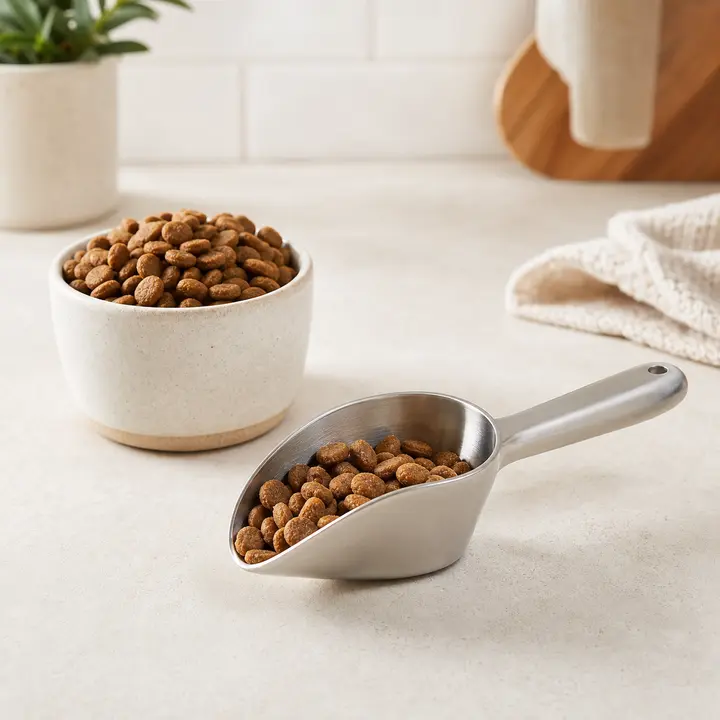
Measuring scoop
Useful for the one-week check, especially with small dogs where a few extra bites can spoil dinner.
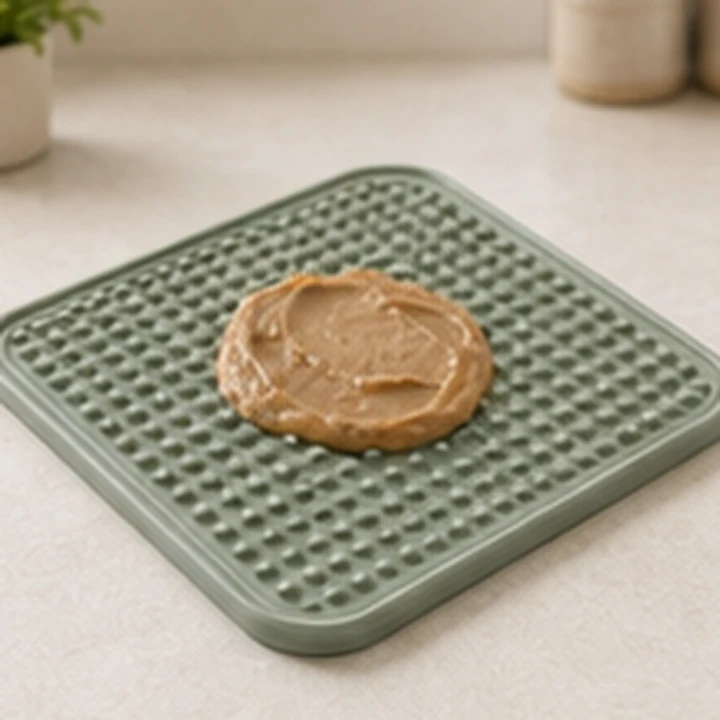
Lick mat
Helpful when soft food works better spread thin instead of piled onto every meal.
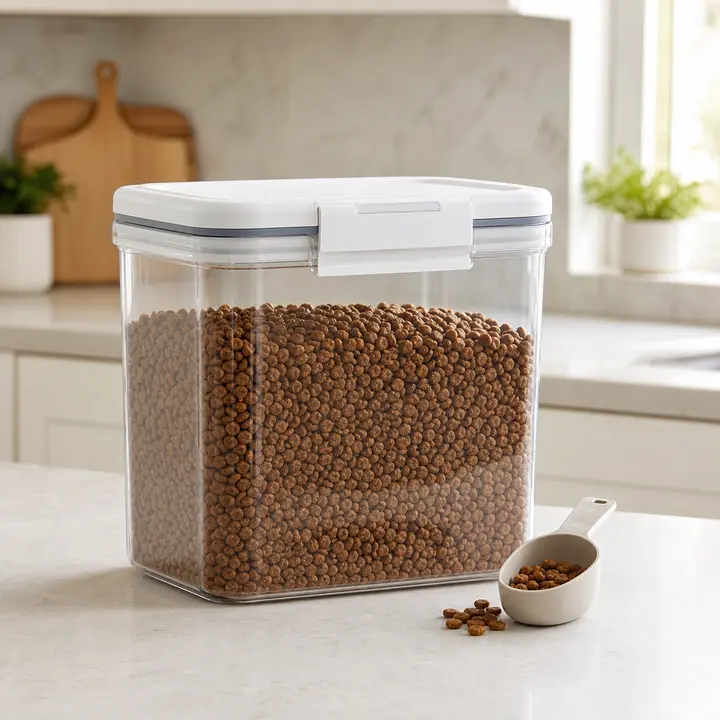
Airtight food storage
Keeps dry food sealed while you check whether freshness, snacks, or routine is behind the picky eating.
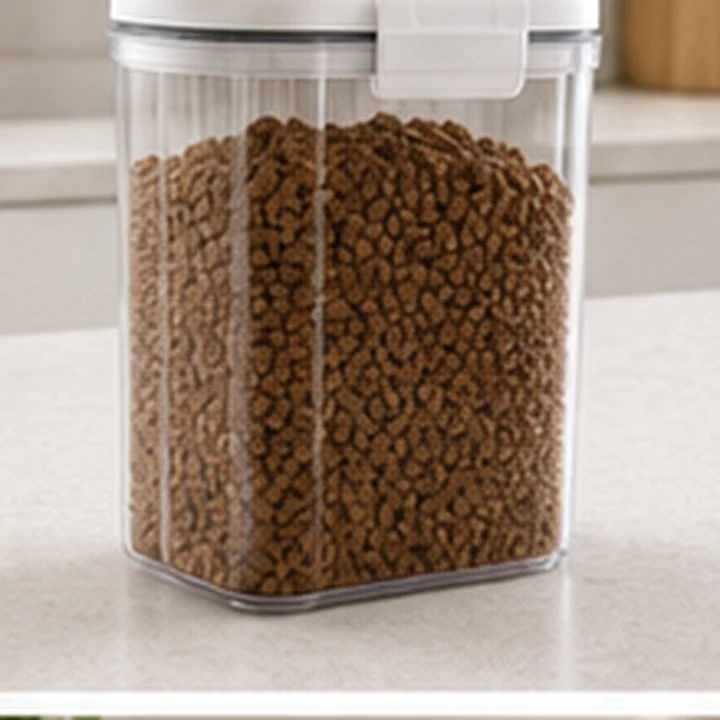
Treat jar
Helps you count the rewards that may be replacing dinner without anyone meaning to.
Common questions
Should I switch food every time my dog skips a meal?
Not usually. Check treats, chews, timing, stress, food freshness, and how your dog feels before changing foods again.
Can treats make a dog seem picky?
Yes. A few training rewards, table scraps, or a long-lasting chew can be enough to crowd out dinner, especially for a small dog.
When is picky eating a vet question?
Call your vet if appetite loss is sudden or comes with vomiting, diarrhea, drooling, weight loss, pain, low energy, or trouble chewing.
Can I add a topper for a picky dog?
You can try a small measured amount, but keep it consistent and count it as part of the meal so the topper does not become a second dinner.