

Updated
Dog training
Dog Behavior Problems
Most behavior problems improve faster when you change the setup before you try to change the dog.
Find the behavior, block the rehearsal, reward a better option, and get help early for safety concerns.
Start here

Jumping and greetings
Greetings need a plan before the door opens.
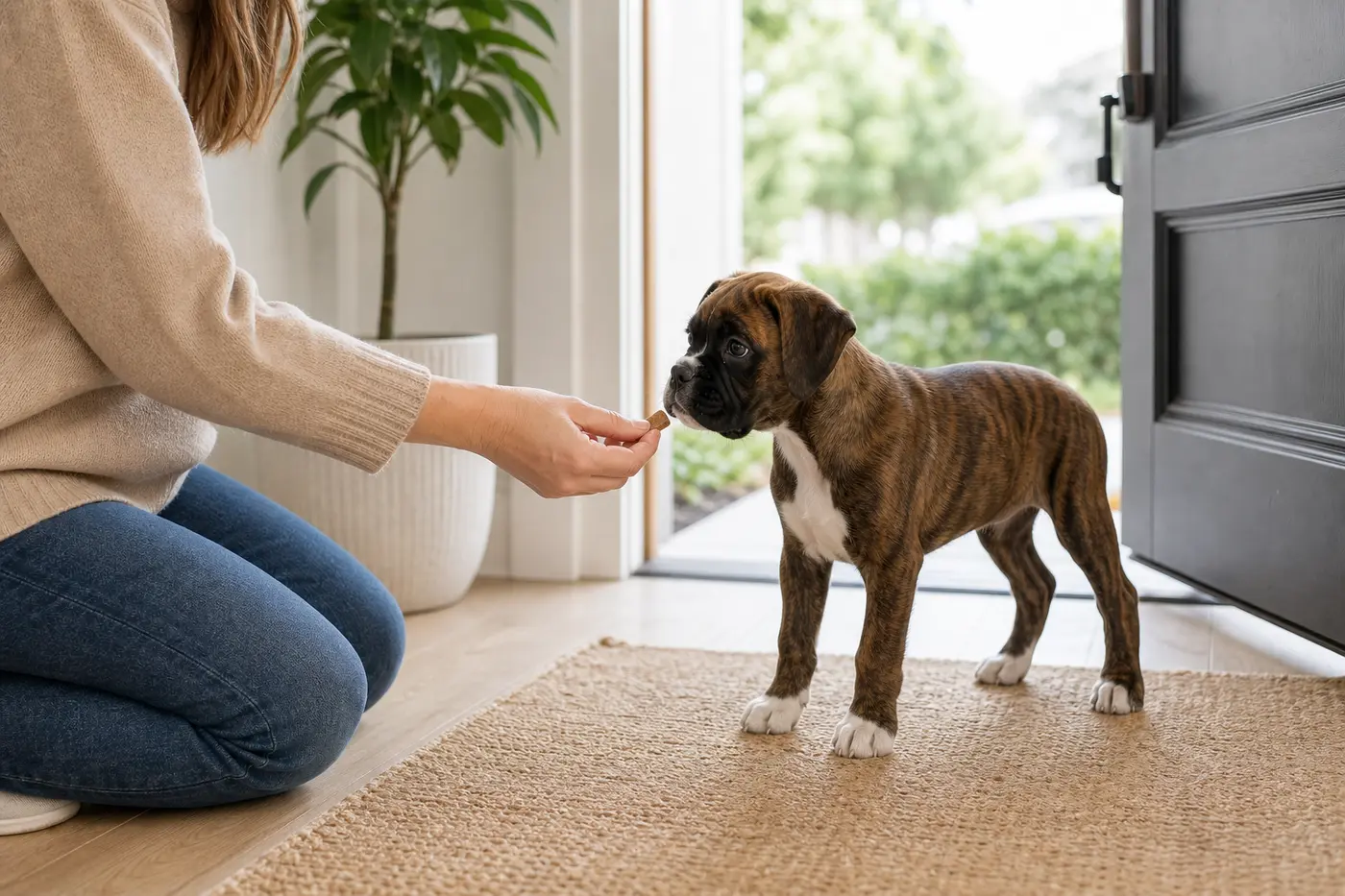
Reward paws on the ground before asking for sit or calm contact.
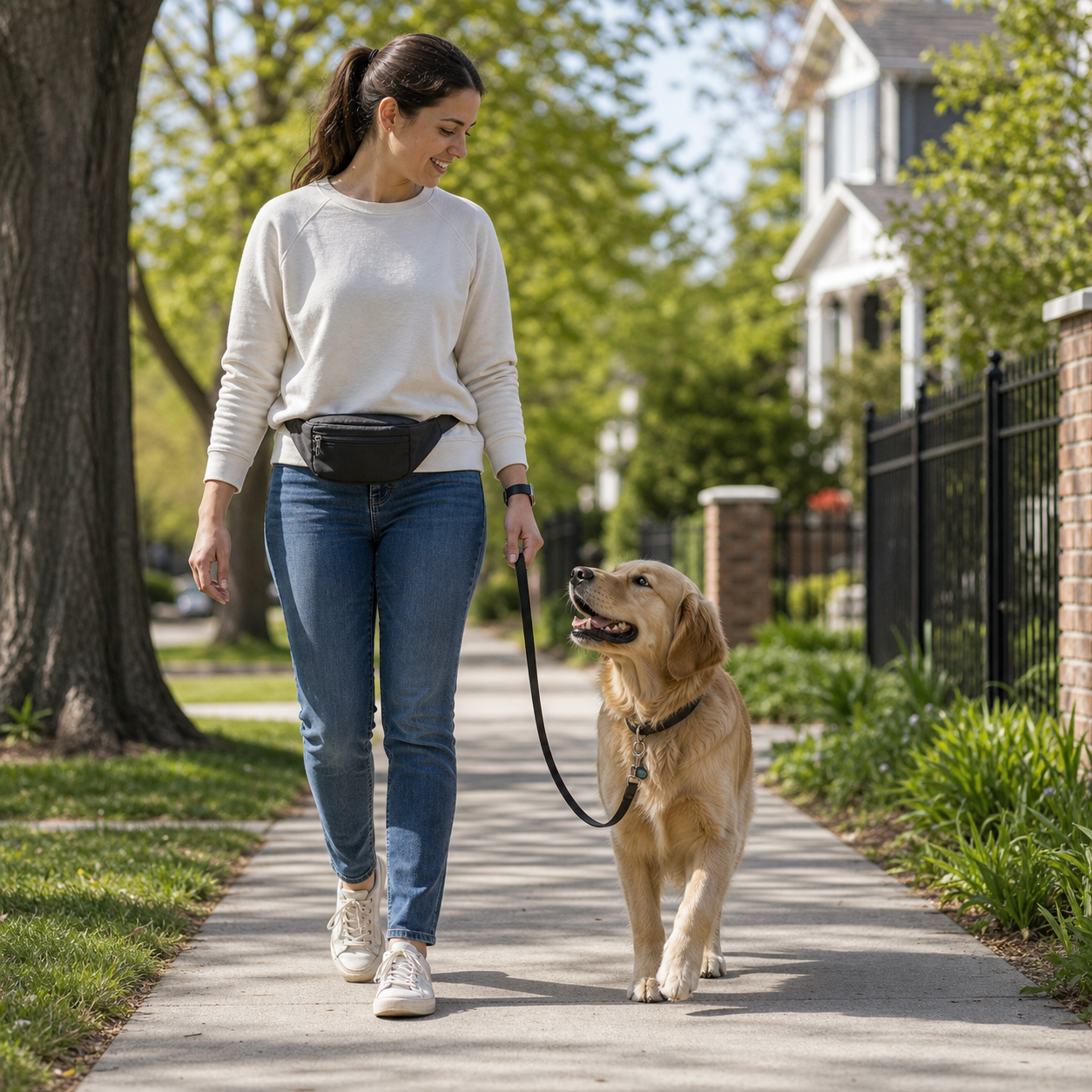
Use distance, treats, and short greetings instead of letting the dog rehearse chaos.
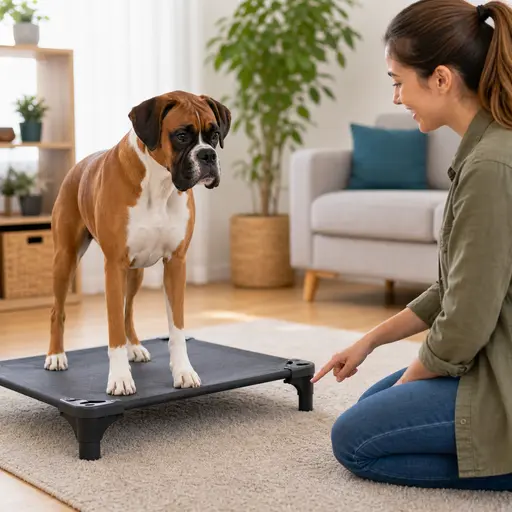
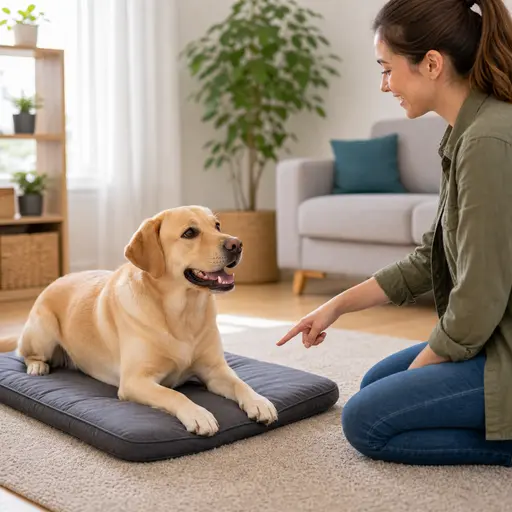
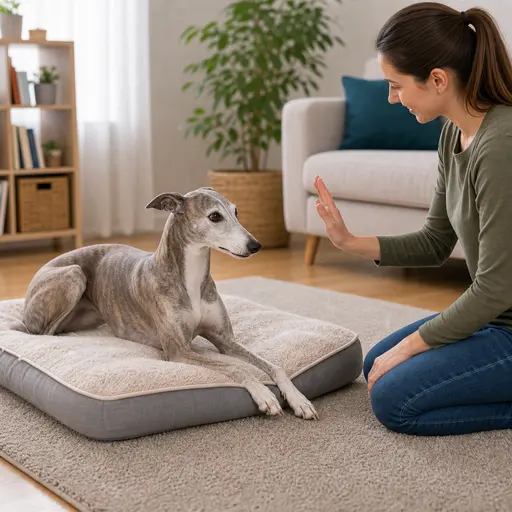
Send your dog to a mat before guests enter, then reward calm staying.
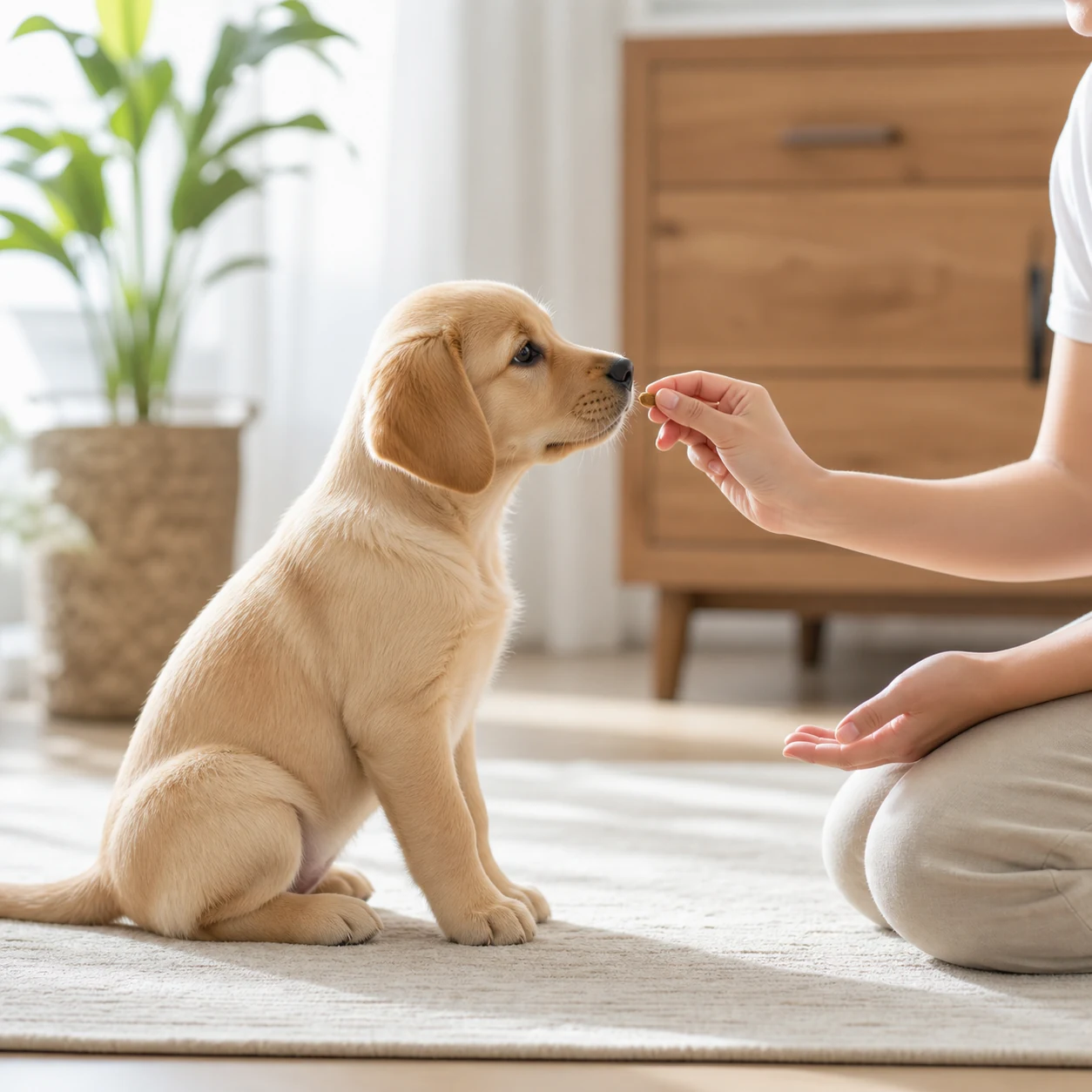
Attention can reward jumping. Pay the instant the dog chooses the floor.
Barking and noise
Barking has a cause. Identify it before choosing the fix.
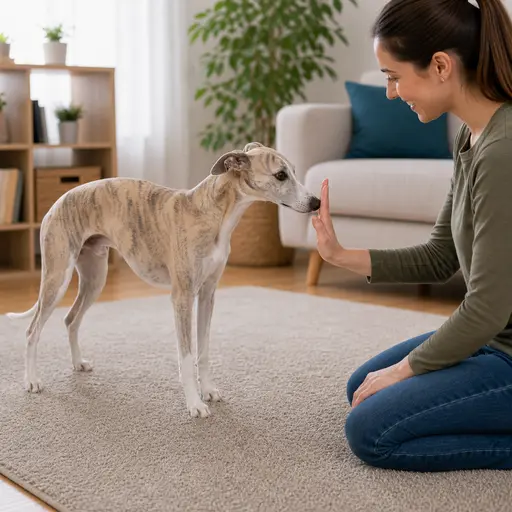
Reward a pause after barking, then give your dog a calmer job.

Block rehearsal with film, gates, distance, or a quieter resting spot.

Scatter treats away from the trigger to interrupt staring and lower arousal.

Underworked dogs bark more. Use sniffing, training, and play before peak trouble times.
Chewing digging and stealing
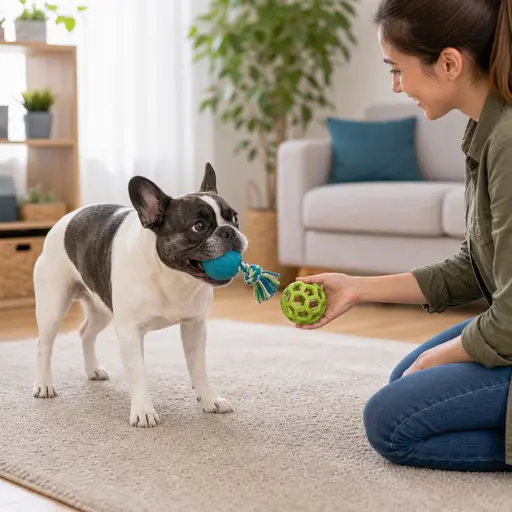
Give legal outlets and remove easy rehearsals.
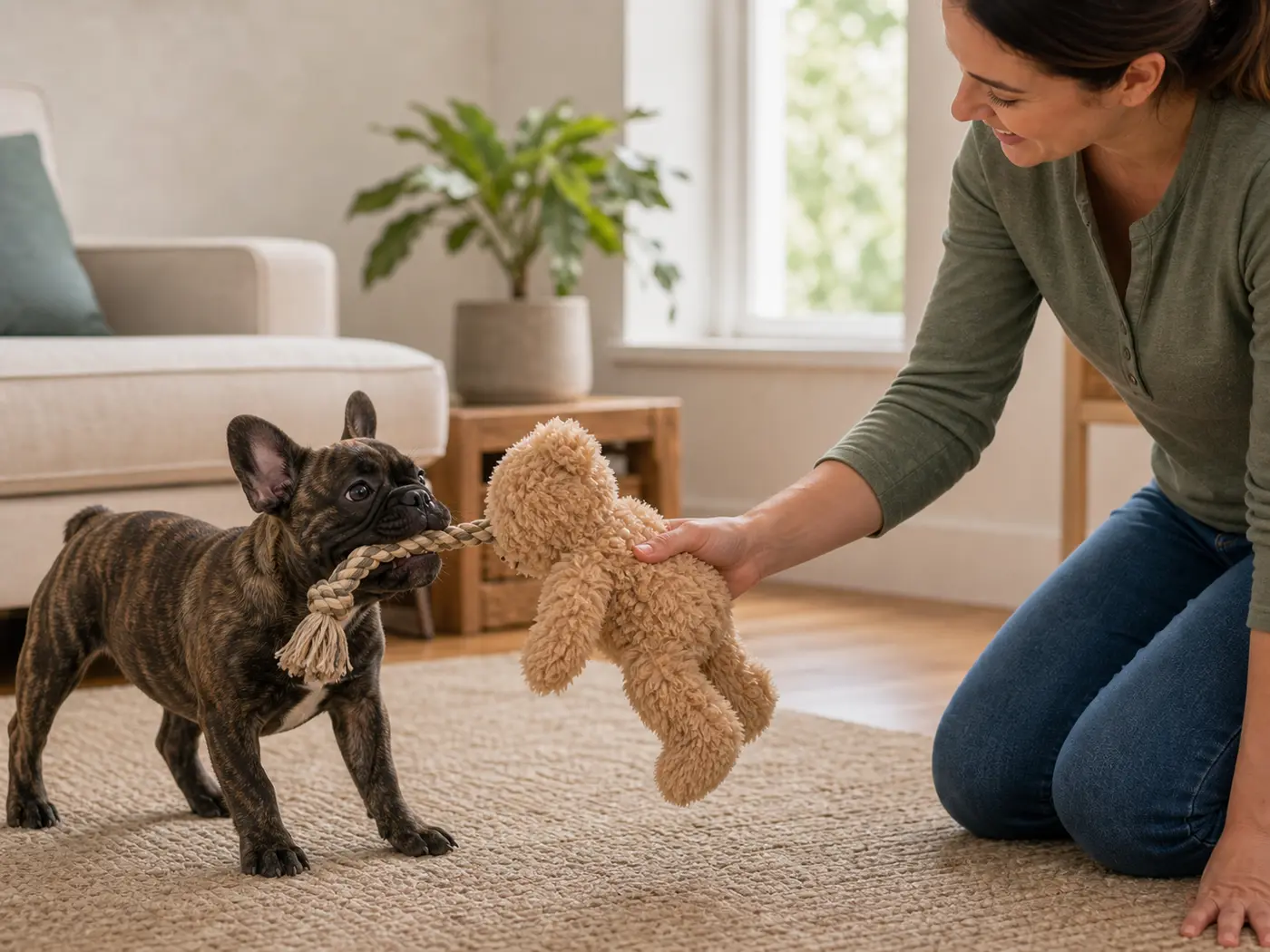
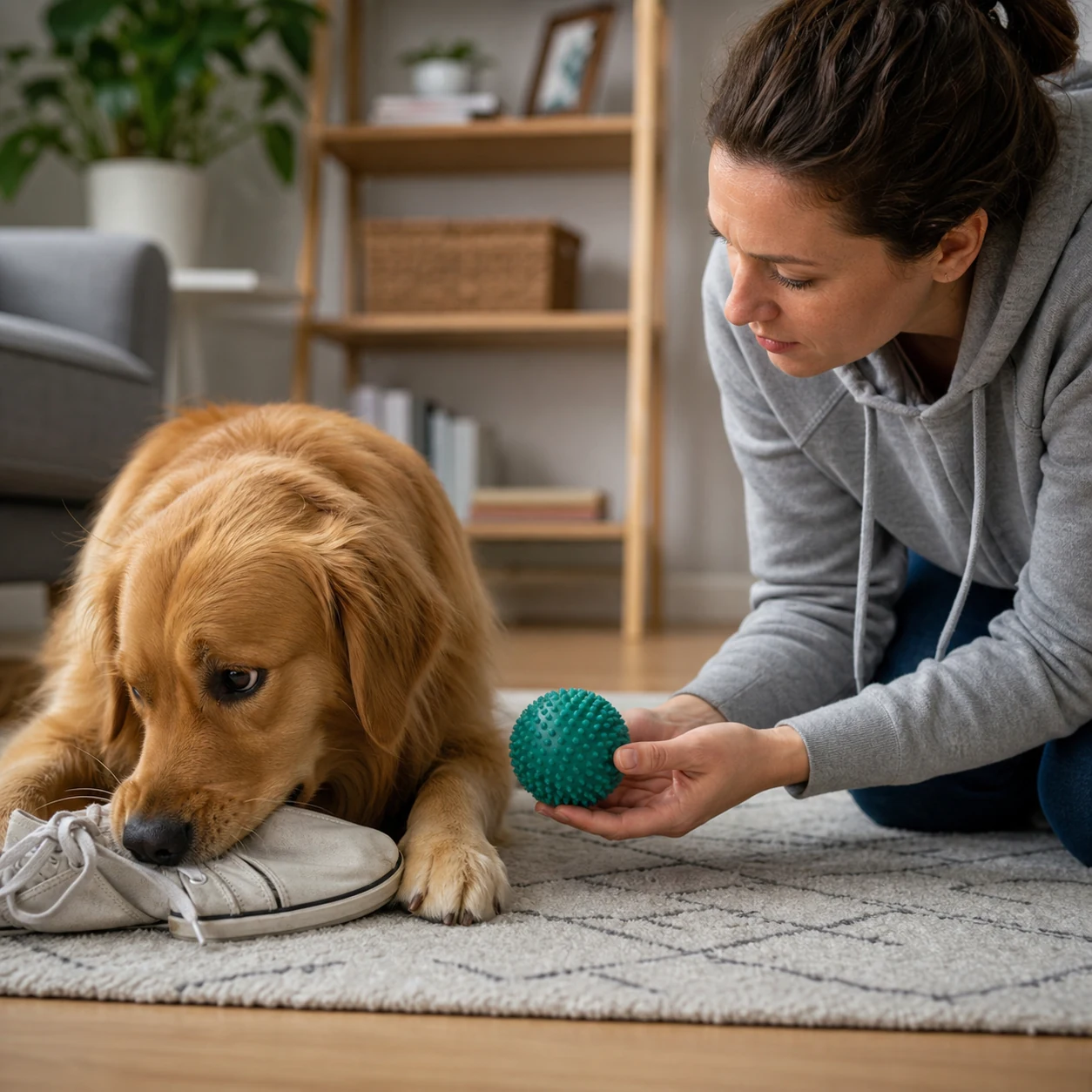
Trade the stolen item for something better, then change access.
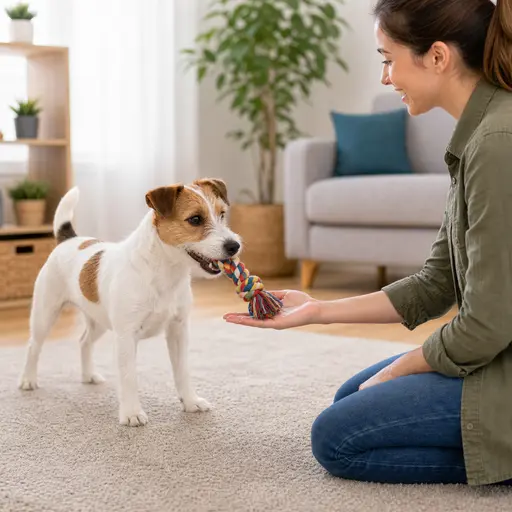
Teach release before you need it for unsafe objects.
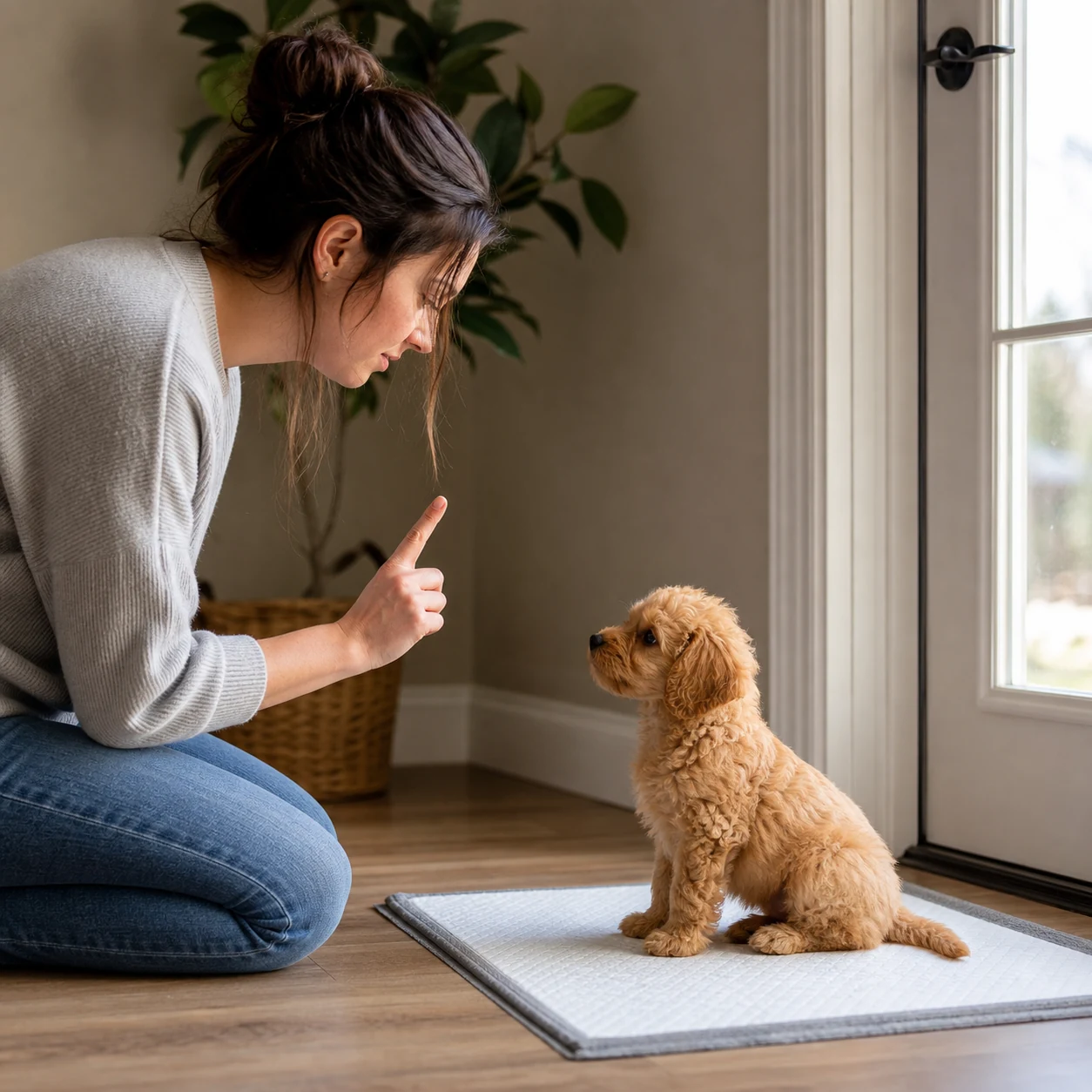
Clear counters, block access, and reward settling away from food prep.
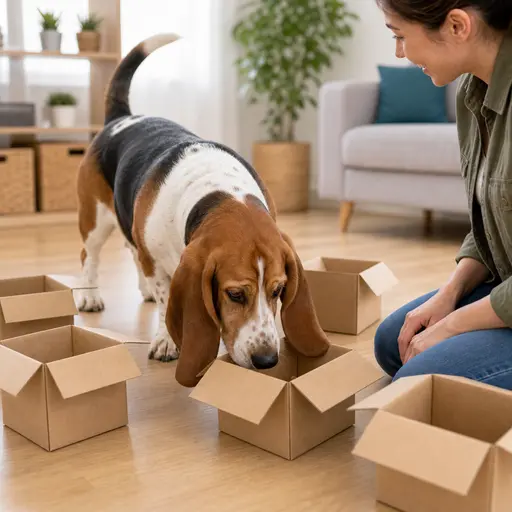
Give digging dogs a legal spot instead of only punishing holes.
Fear frustration and safety
Do not DIY behavior that puts people, dogs, or the dog’s welfare at risk.
A growl is information. Stop pressure and change the plan.
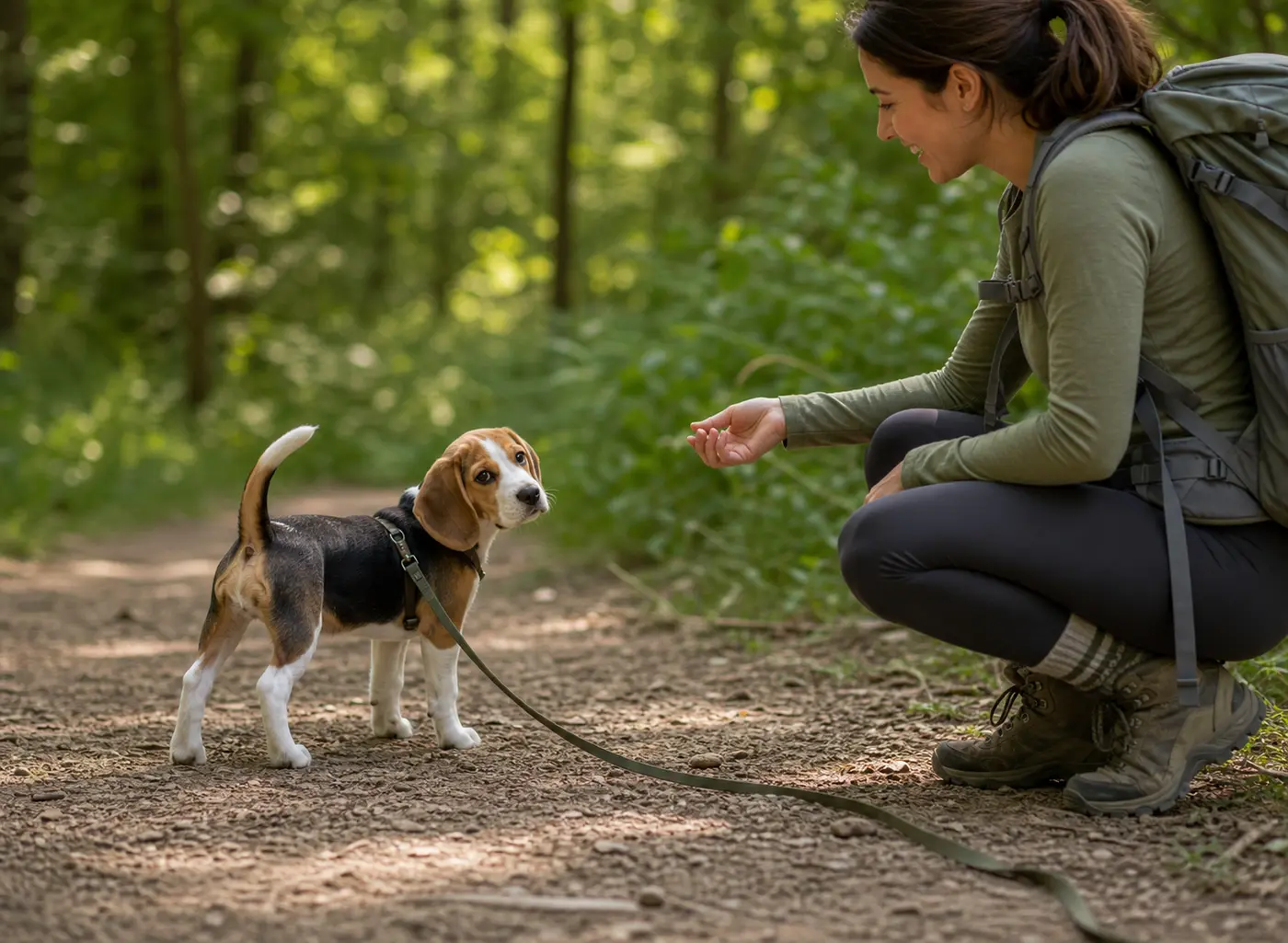
Move farther away before trying to train around triggers.
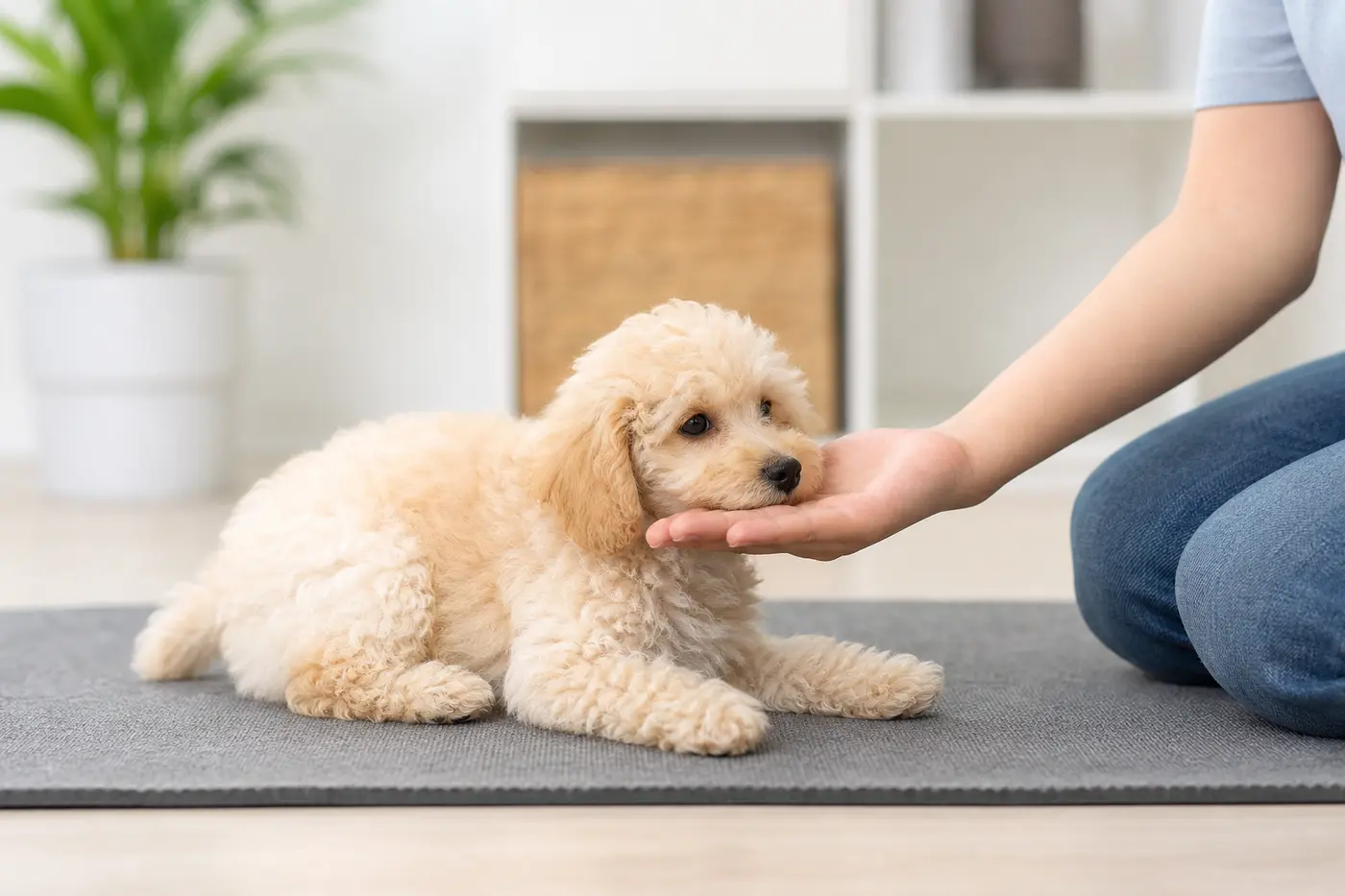
A muzzle can be kind when introduced slowly and used with a behavior plan.
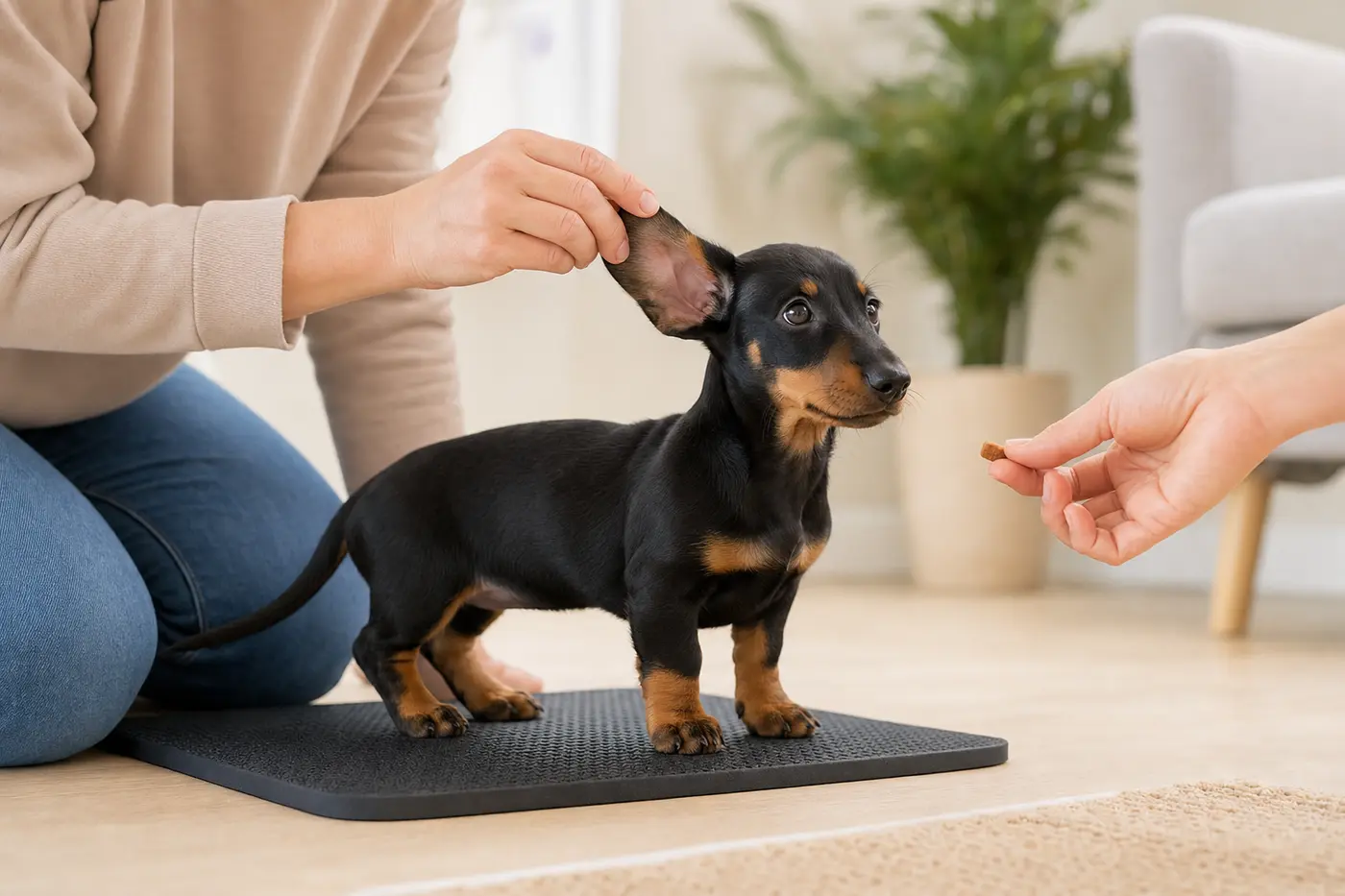
Use a certified force-free trainer or veterinary behavior professional for aggression, panic, or bites.