

Updated
Dog training
Leash Manners
Better walks start before the pulling does: clear gear, short reps, and rewards for staying connected.
Use this page to make walks calmer without turning every outing into a battle.
Start here
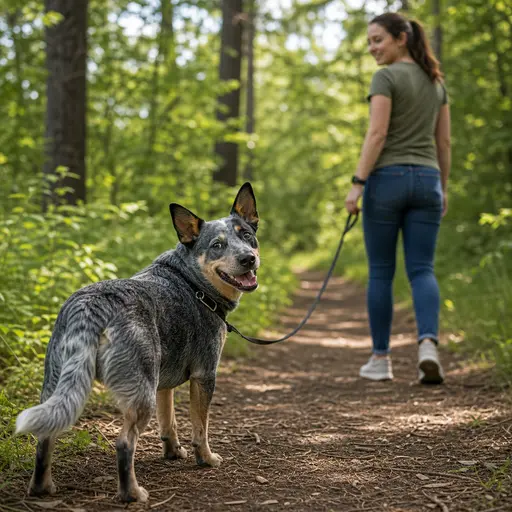 First fixCheck-In Walk
Reward connection before asking for precision.
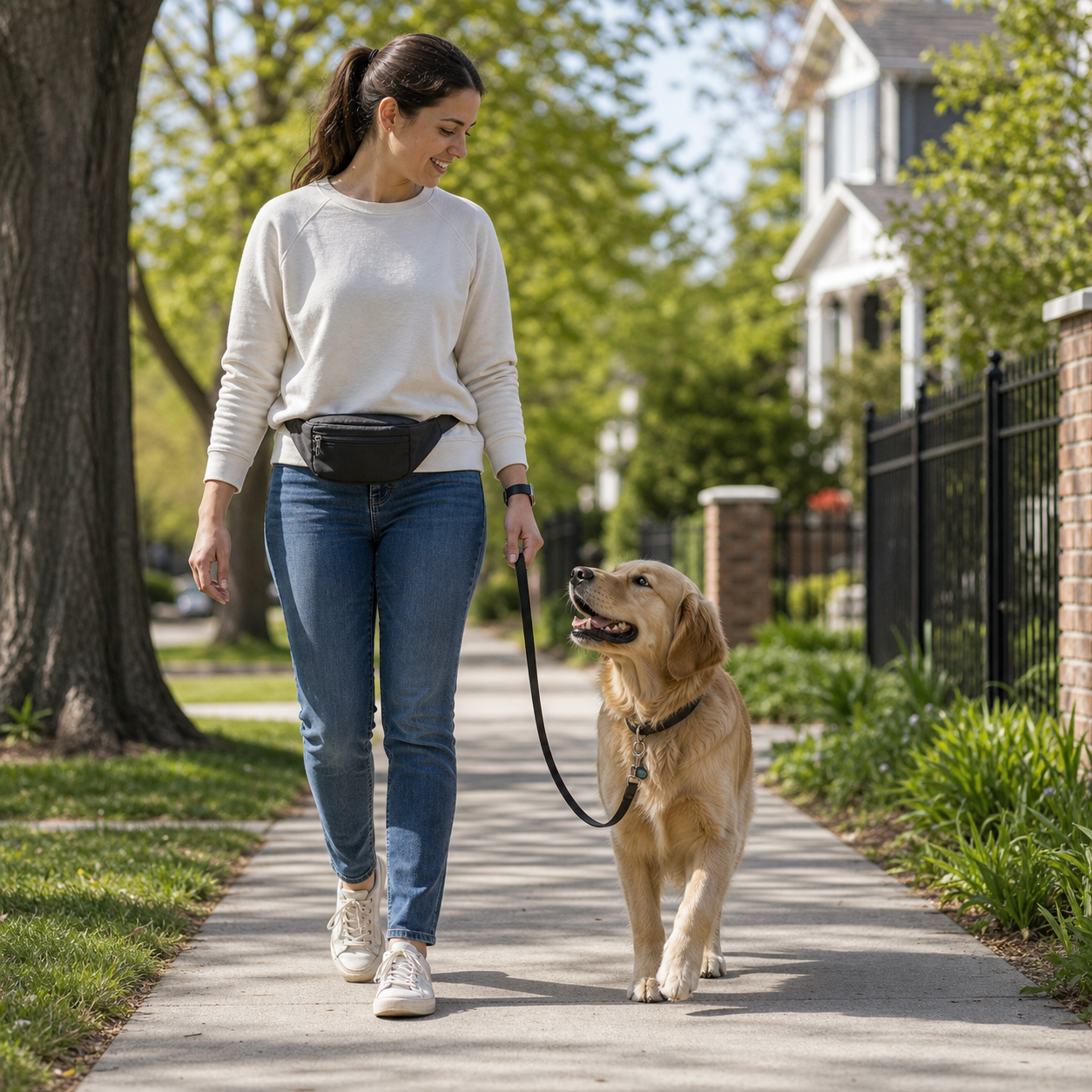 PullingStop-and-Go
Make a tight leash pause the walk and a soft leash restart it.
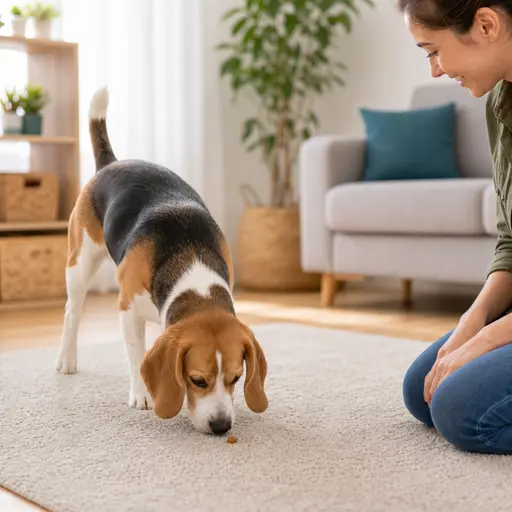 Busy placesFind It Reset
Use sniffing to lower pressure before tension spikes.
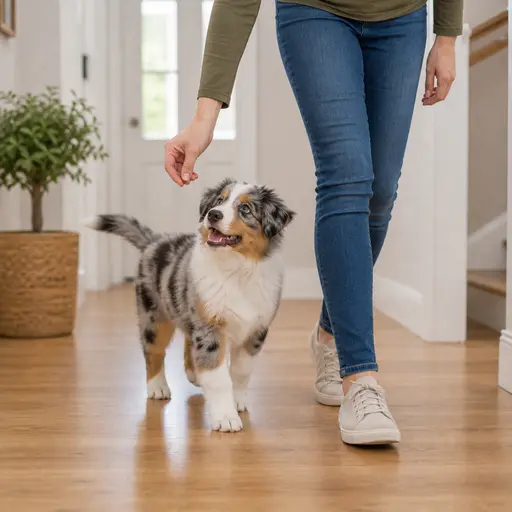 Close workFollow Me
Teach movement with you instead of against the leash.
Stop pulling without fighting
Make the leash predictably boring when it is tight and rewarding when it is loose.
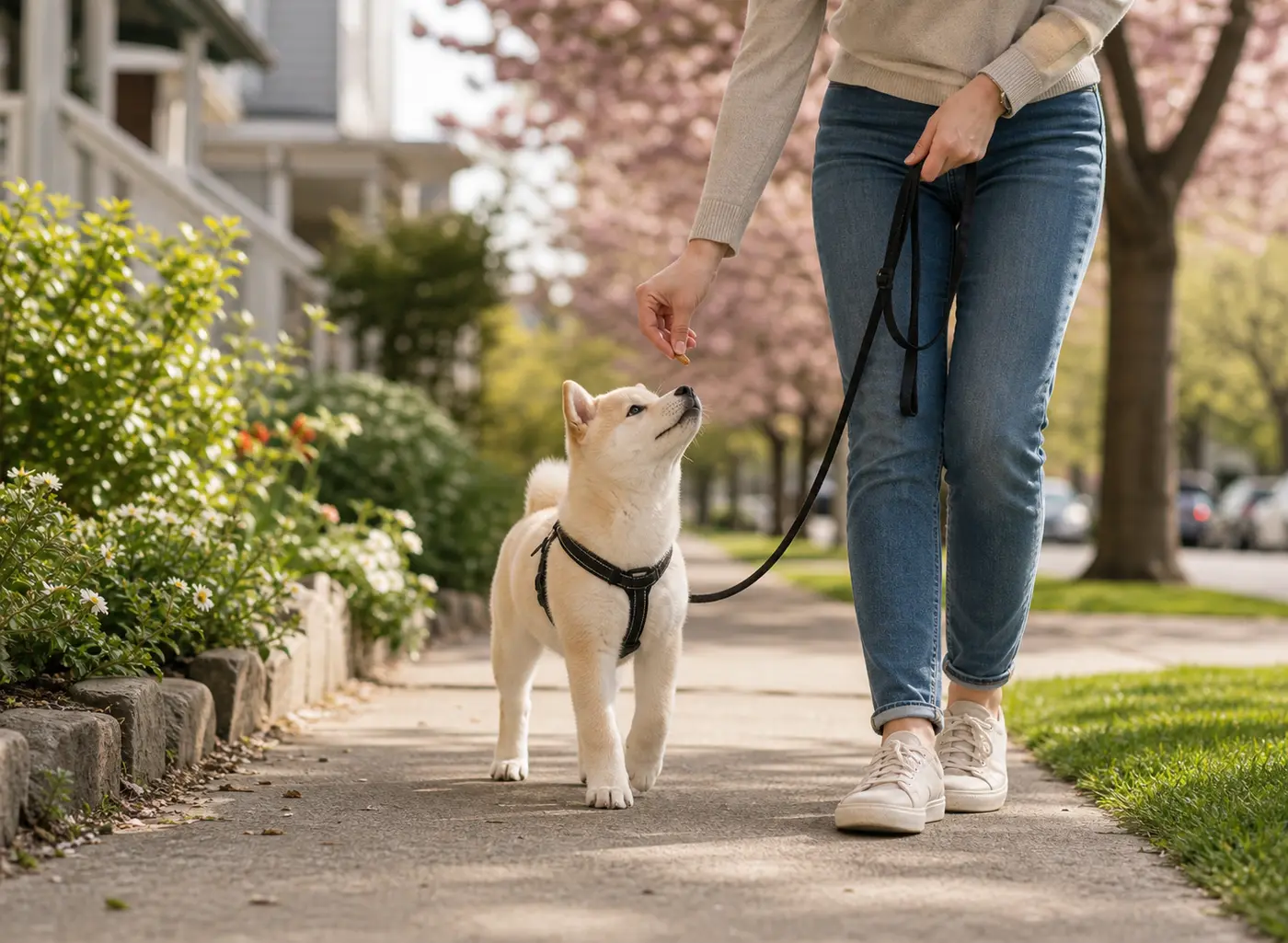
A tight leash pauses the walk; a soft leash and check-in restart it.
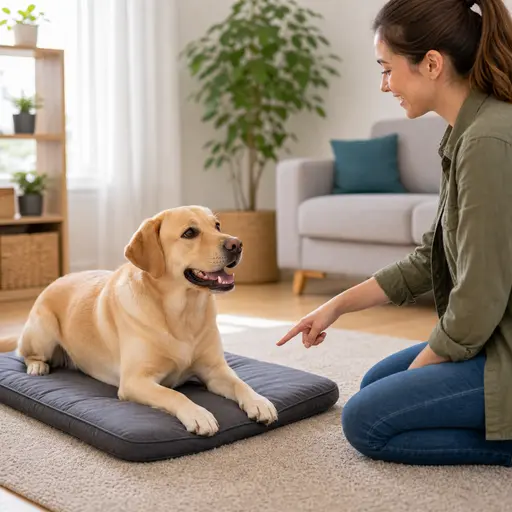
Feed near your leg so walking beside you becomes worth choosing.
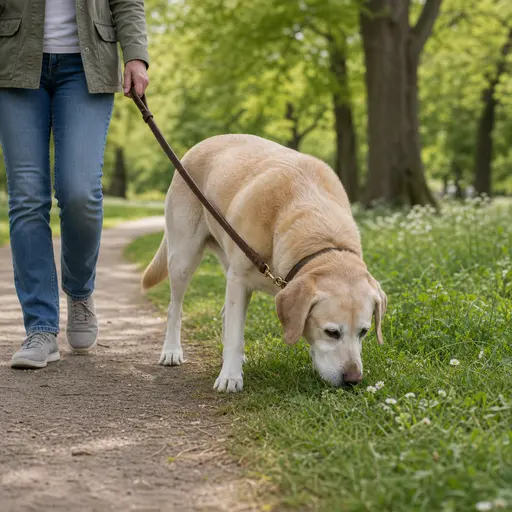
Release your dog to sniff on purpose after a soft leash or check-in.
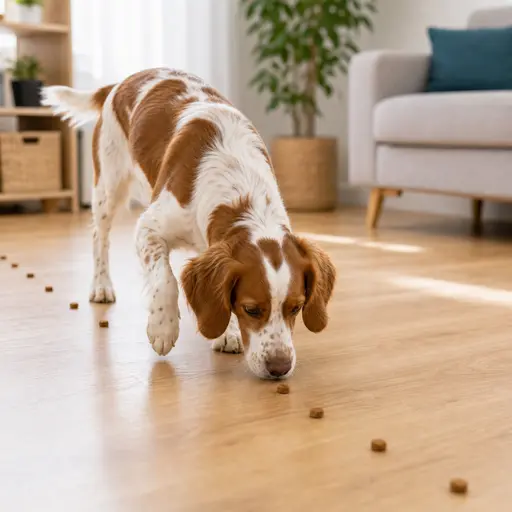
Repeat an easier route until your dog can practice without rehearsing pulling.
Check-ins and direction changes
A dog who checks in is easier to guide around distractions.
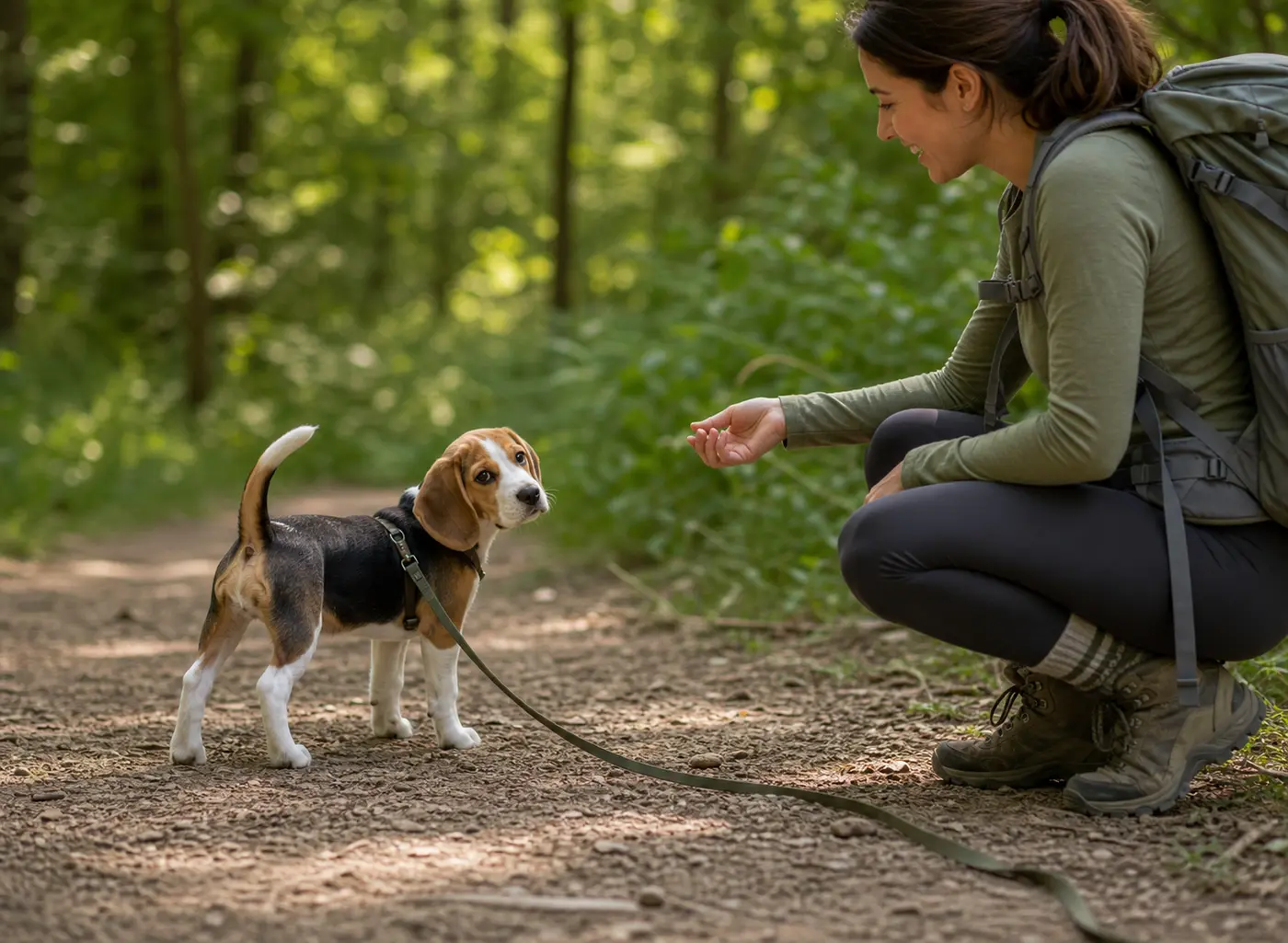
Mark and reward voluntary glances before the leash gets tight.
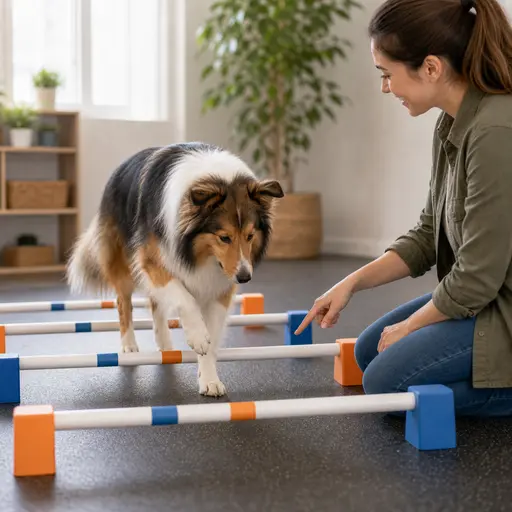
Turn, back up, and reward your dog for moving with you.
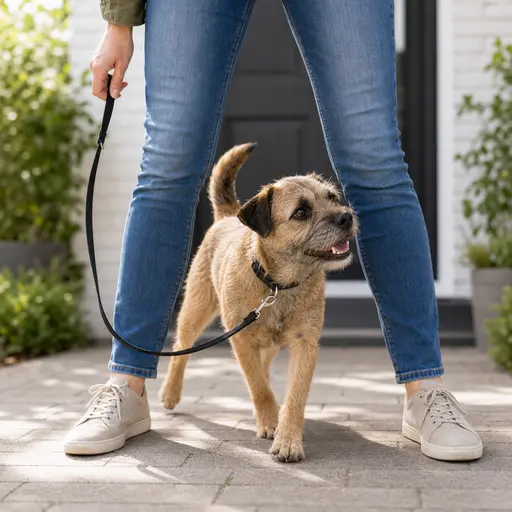
Move your dog from one side to the other before curbs, dogs, or narrow paths.
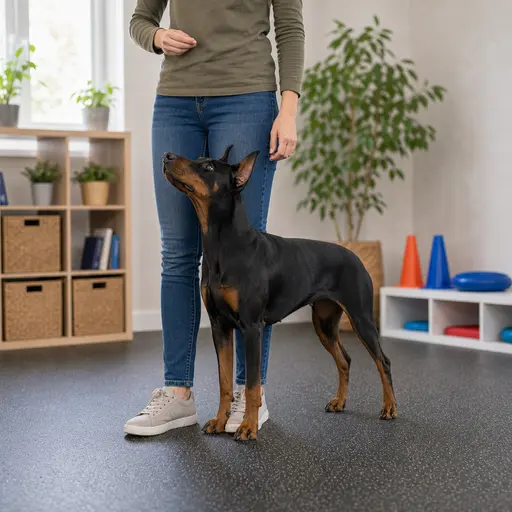
Build a clear left or right station before expecting tidy walking.
Distractions and big feelings
Distance is training. Do not wait until your dog is already exploding.
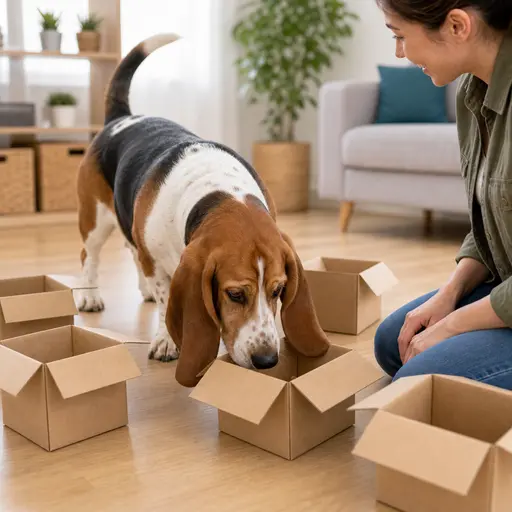
Scatter a few treats in safe grass to interrupt staring and lower pressure.
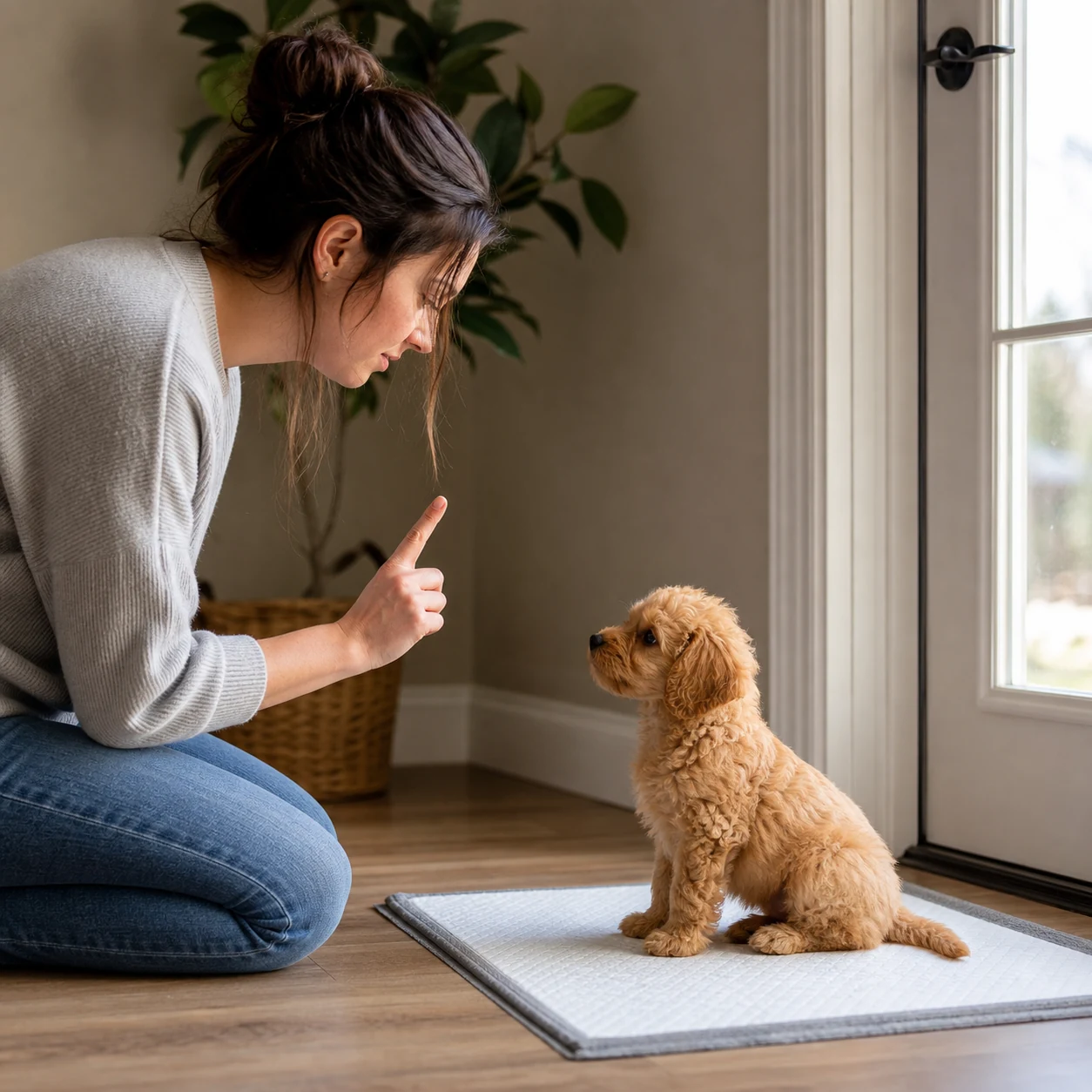
Let your dog notice the trigger, reward, and move away before tension spikes.
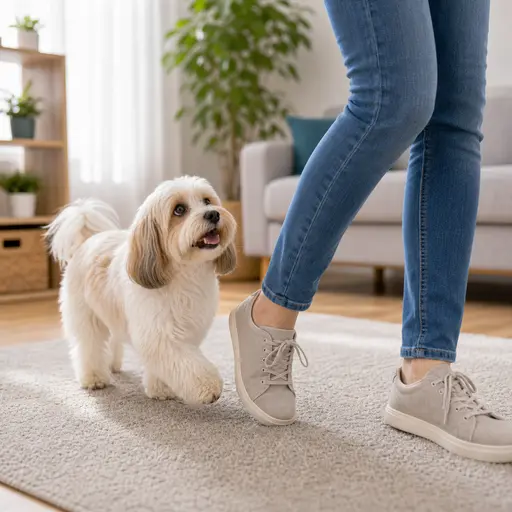
Practice cheerful turns before you need them on a crowded sidewalk.
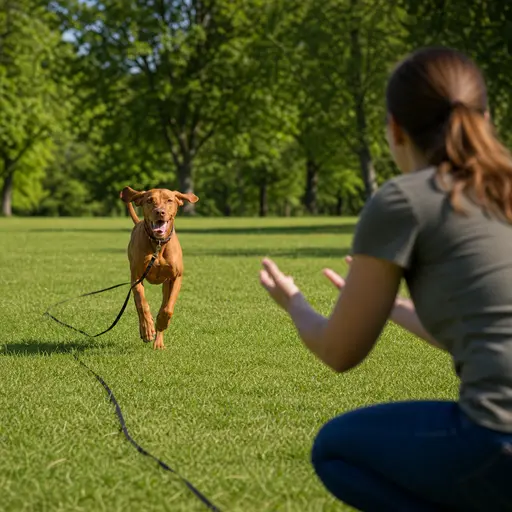
Use quiet space, a long line, and sniffing when neighborhood walks are too hard.
Gear and walk setup
Good gear cannot train for you, but it can make practice fairer.
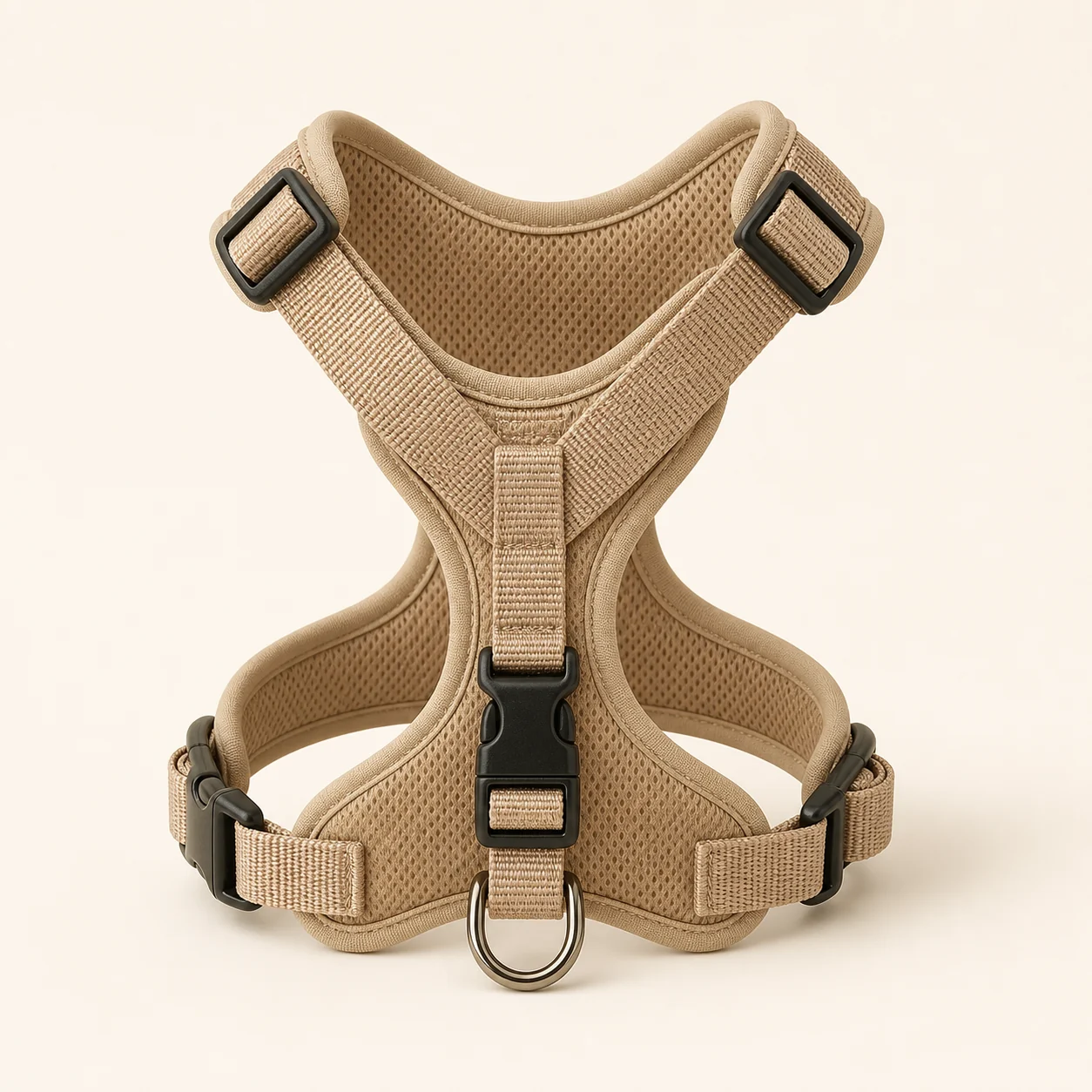
Fit the harness so it stays secure without rubbing or restricting movement.
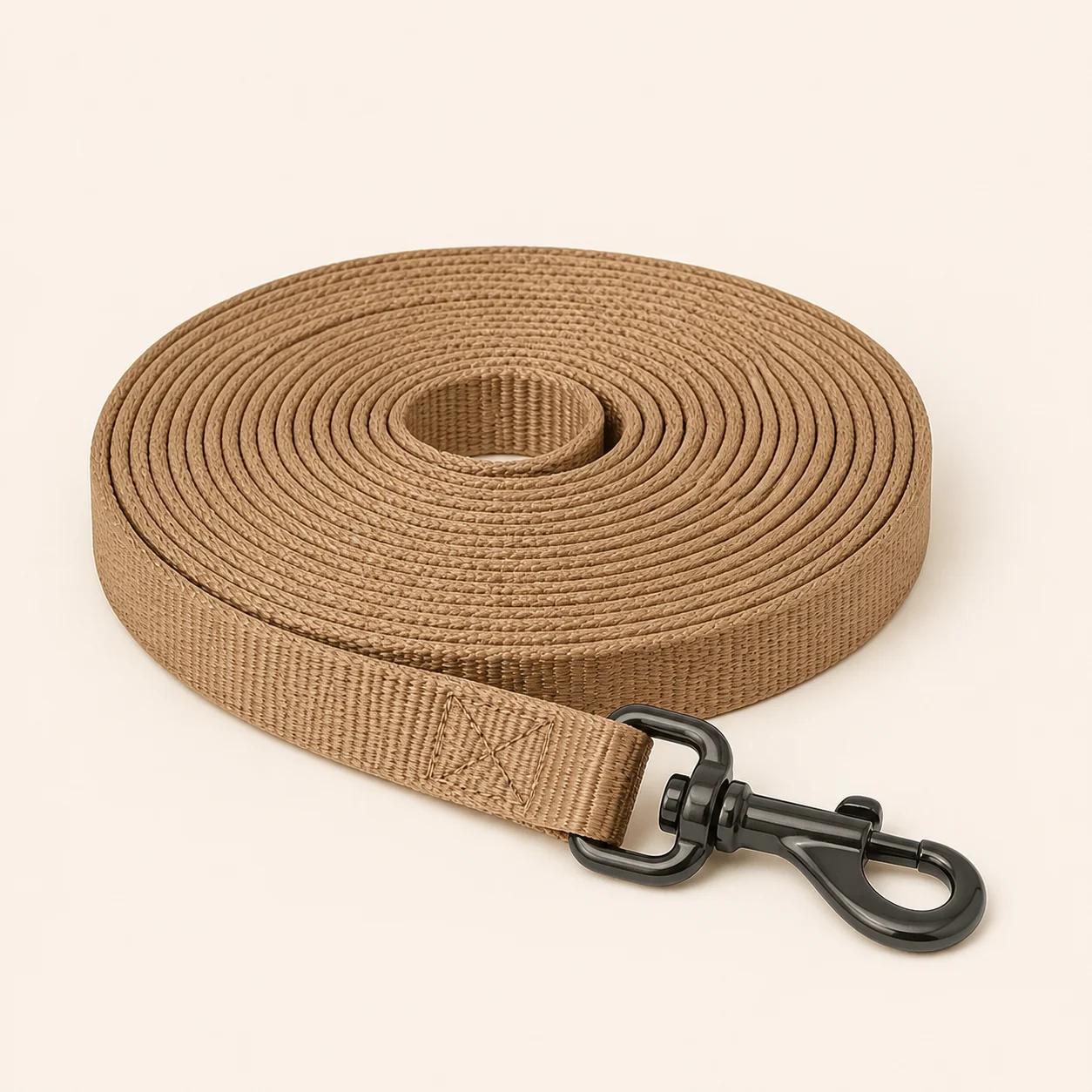
Match leash length to sidewalks, safe sniffing, and long-line practice.
Keep rewards easy to reach so good choices are paid on time.
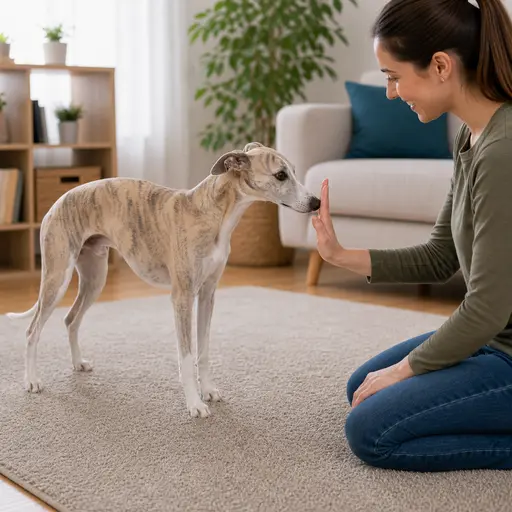
Practice two minutes of follow, check-in, and find it before leaving the driveway.
Keep building better walks
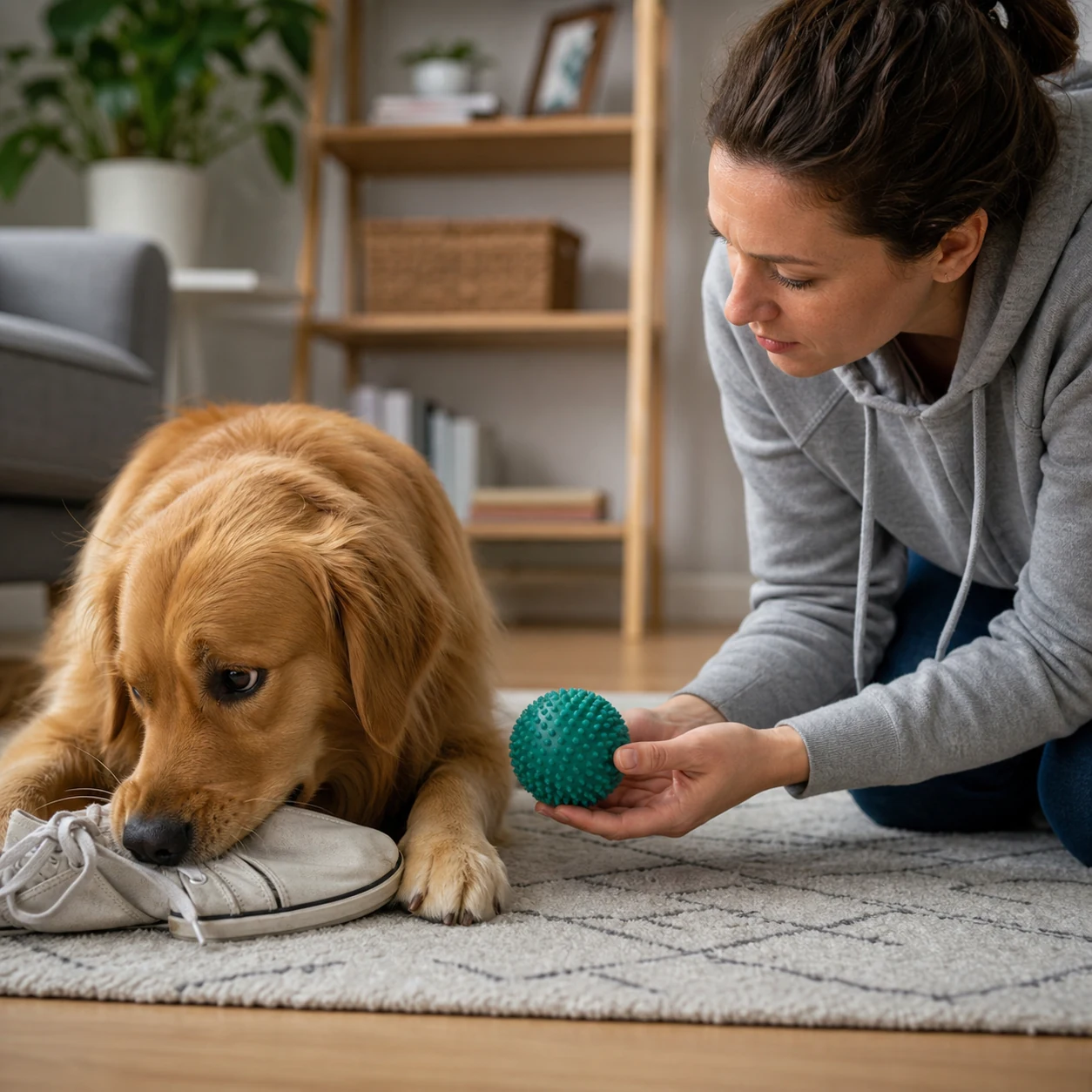 Basic Dog Commands
Use sit, wait, touch, leave it, and recall to support calmer walks.
Basic Dog Commands
Use sit, wait, touch, leave it, and recall to support calmer walks.
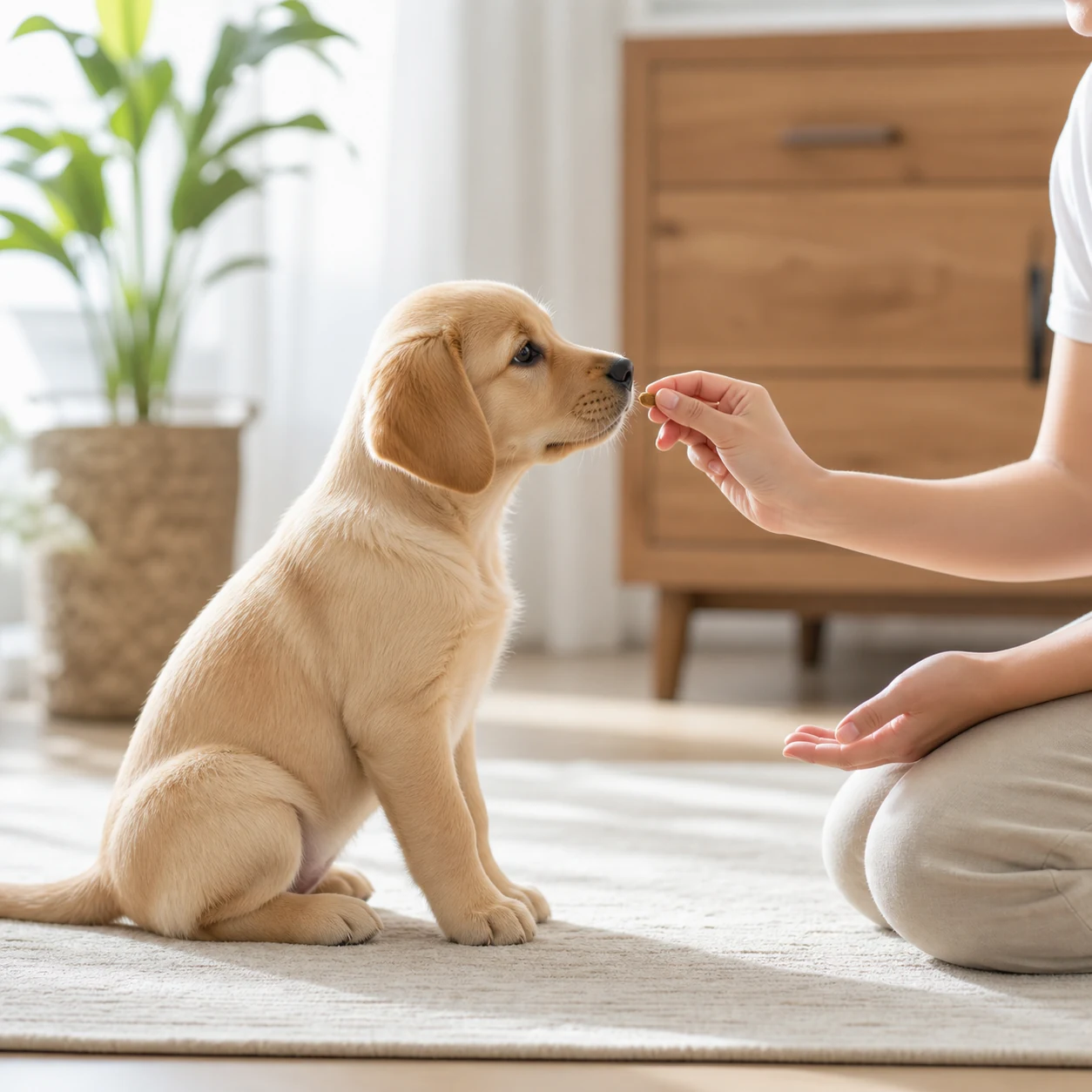 Recall Training
Build come-when-called before adding more freedom outside.
Recall Training
Build come-when-called before adding more freedom outside.
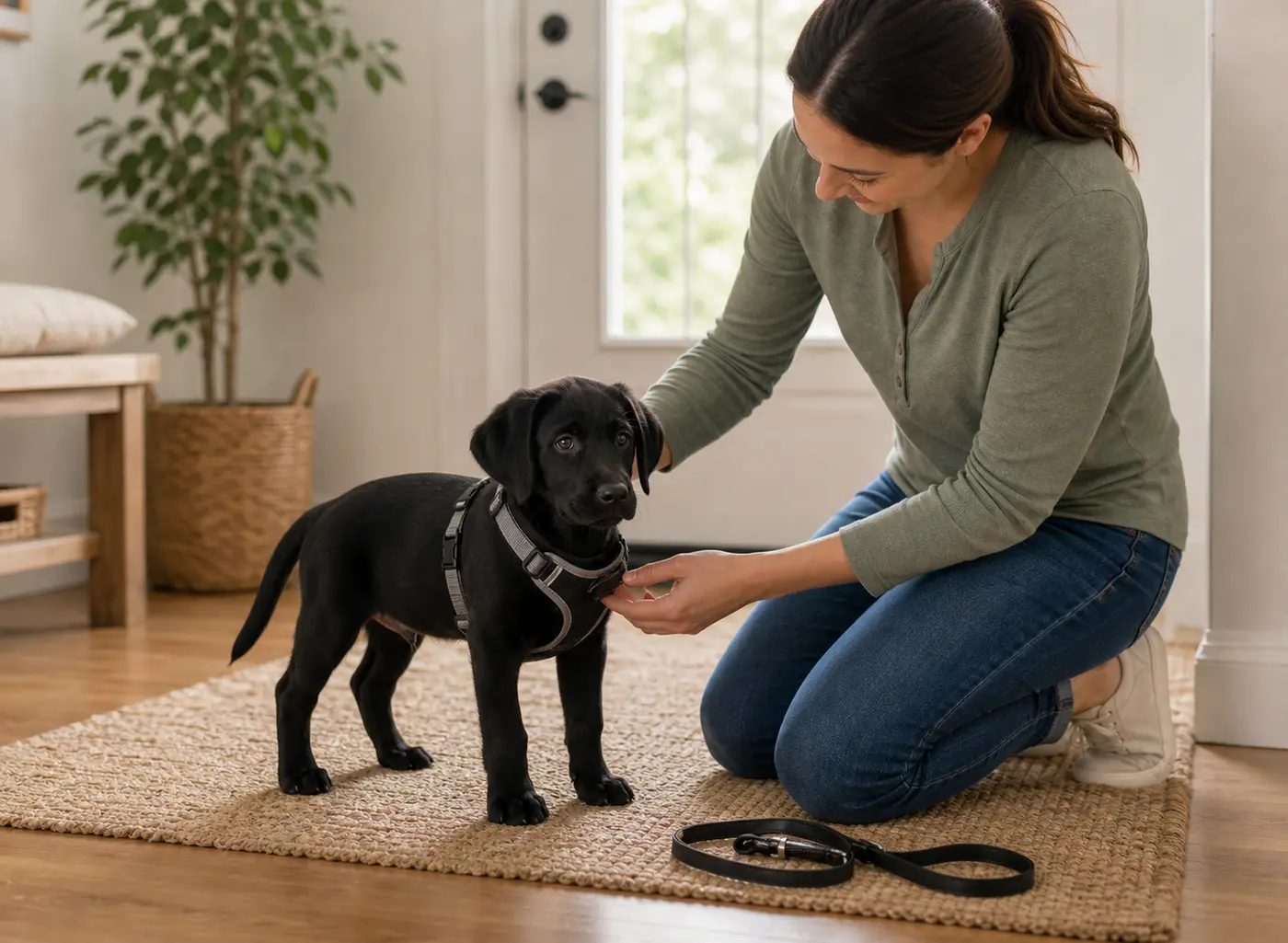 Puppy Leash Manners
A softer leash plan for puppies and new dogs learning first walks.
Puppy Leash Manners
A softer leash plan for puppies and new dogs learning first walks.
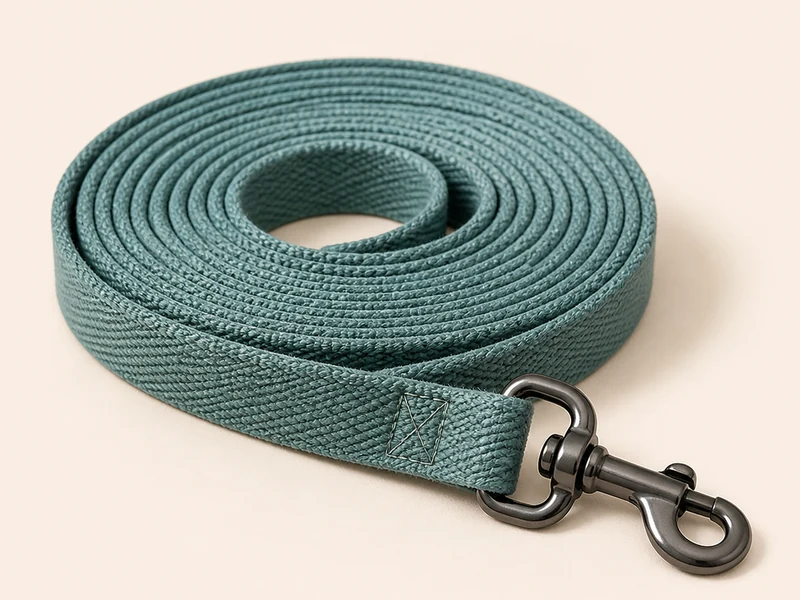 Dog Walking Gear
Choose leashes, harnesses, lights, and cleanup gear that fit your walking routine.
Dog Walking Gear
Choose leashes, harnesses, lights, and cleanup gear that fit your walking routine.
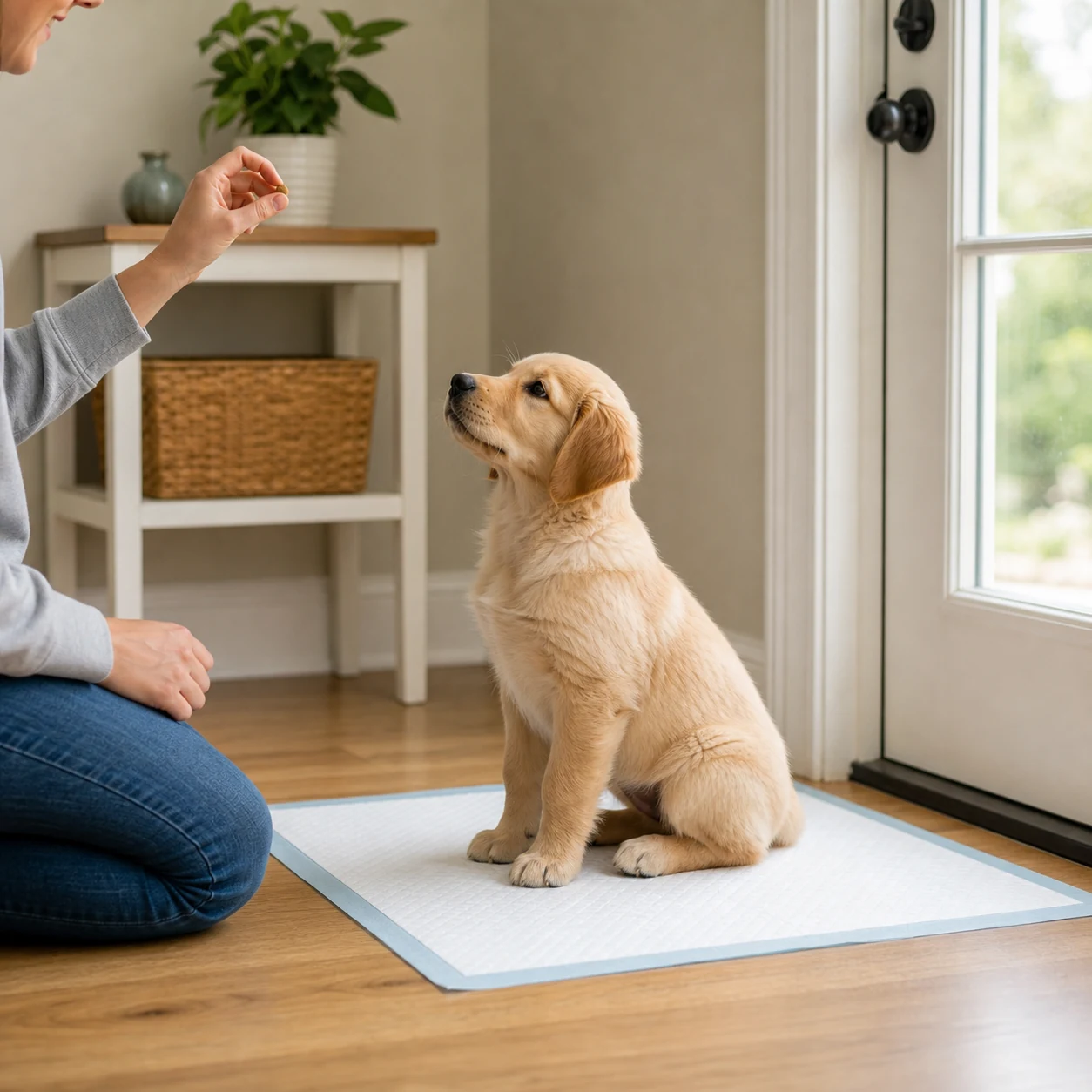 Calm at Home
Help walks improve with decompression, enrichment, and calmer household routines.
Calm at Home
Help walks improve with decompression, enrichment, and calmer household routines.