Updated
Dog food guide
How Dehydrated Dog Food Works: Add Water, Then Wait
Dehydrated dog food works best if you like a shelf-stable box and do not mind the small dinner ritual: scoop, add water, stir, wait. Try one meal at home before travel, then watch whether your dog eats the softened texture comfortably.
When dehydrated food makes sense
Dehydrated food can be useful if you want shelf-stable meals that turn soft after water is added. It is not as fast as scoop-and-go kibble, so it fits best when you can spare a few minutes at breakfast or dinner.
Start with one ordinary week. Measure the dry amount, add the water the label calls for, wait the full time, and watch how your dog handles the texture. A dog who gulps dinner may slow down with a softer meal; a dog who picks at breakfast may dislike the wait, smell, or thickness.
If you are still choosing a food type, compare prep time, storage, cost, calories, and cleanup before buying a large box.
What happens after you add water
Dehydrated food starts dry in the pouch, then softens after you stir in water. One dry scoop can turn into a much larger-looking dinner, so measure before you mix.
Use clean water, give the food the full wait time, and stir well enough that dry pockets soften. Some dogs like it warm and porridge-like; others prefer a thicker texture. Stay within the package directions when you adjust the water.
Check the package before breakfast. Freeze-dried pieces may be served dry or crumbled, while many dehydrated meals need water and a short wait before your dog eats.
Measure while it is still dry
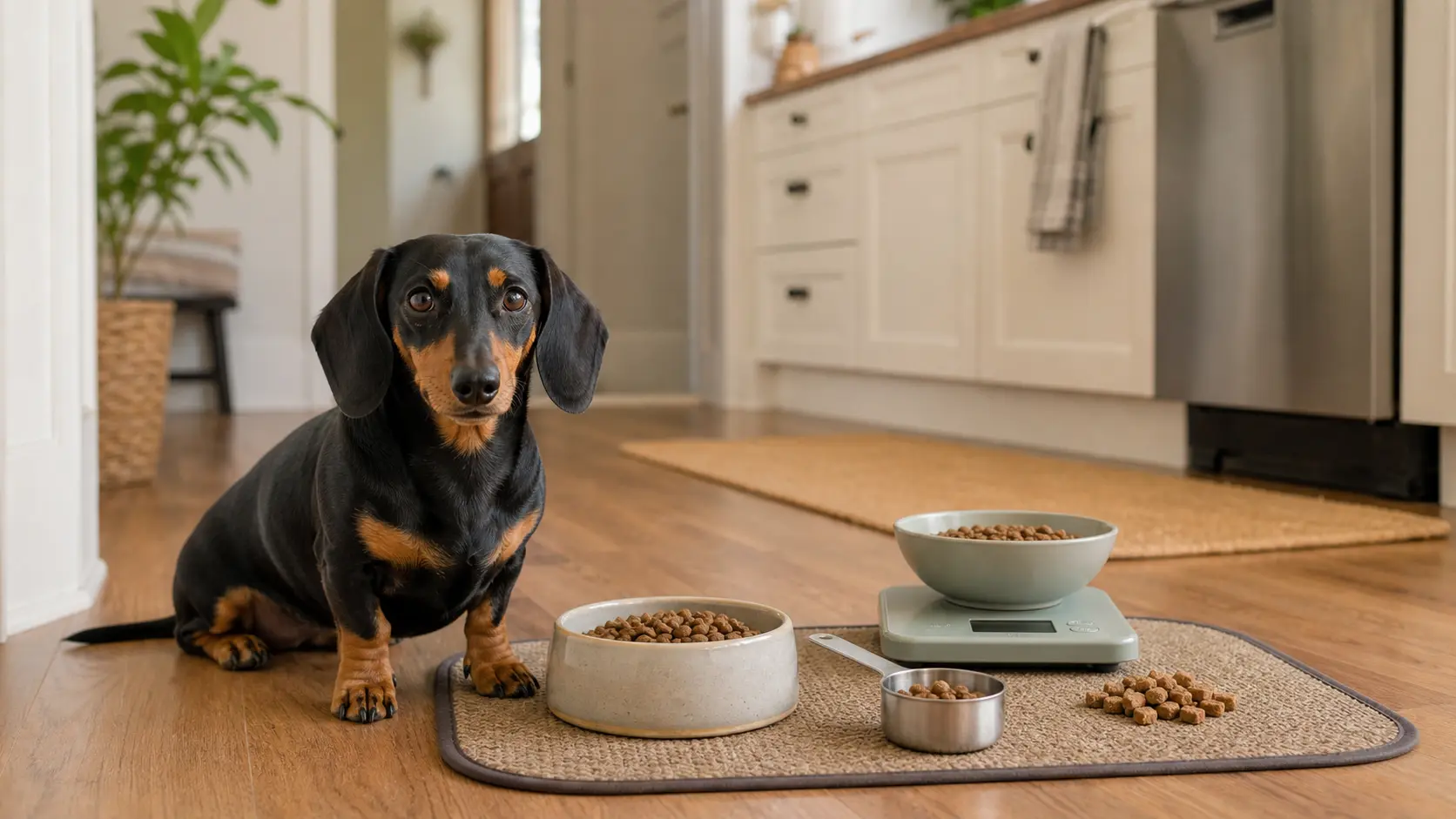
Measure the food while it is still dry, then compare calories using the label. Once water is mixed in, the meal may look bigger even though the calories did not change.
This matters most for small dogs, dogs who get training treats, and dogs whose weight is already creeping up or down. A few spoonfuls of rich food, a dental chew, and a softer dinner can add up before anyone notices the portion changed.
For a week, write down breakfast, dinner, treats, chews, toppers, and how much water you used. That note is more useful than trying to remember whether Tuesday's serving looked fuller than Monday's.
Store leftovers like wet food
Dry dehydrated food is usually easy to store when it is sealed and kept cool and dry. Prepared food is different. After water is added, treat it like moist food and follow the package for refrigeration, serving time, and leftovers.
If dinner sits out while your dog wanders away, discard it instead of saving it for later. Wash the dish, spoon, and mat so the next meal starts clean. On busy mornings, it can help to mix only what your dog usually finishes.
Keep the dry scoop dry, close the package tightly, and save the lot code and best-by date. Those details matter if the food smells off, the package is damaged, or a recall notice appears.
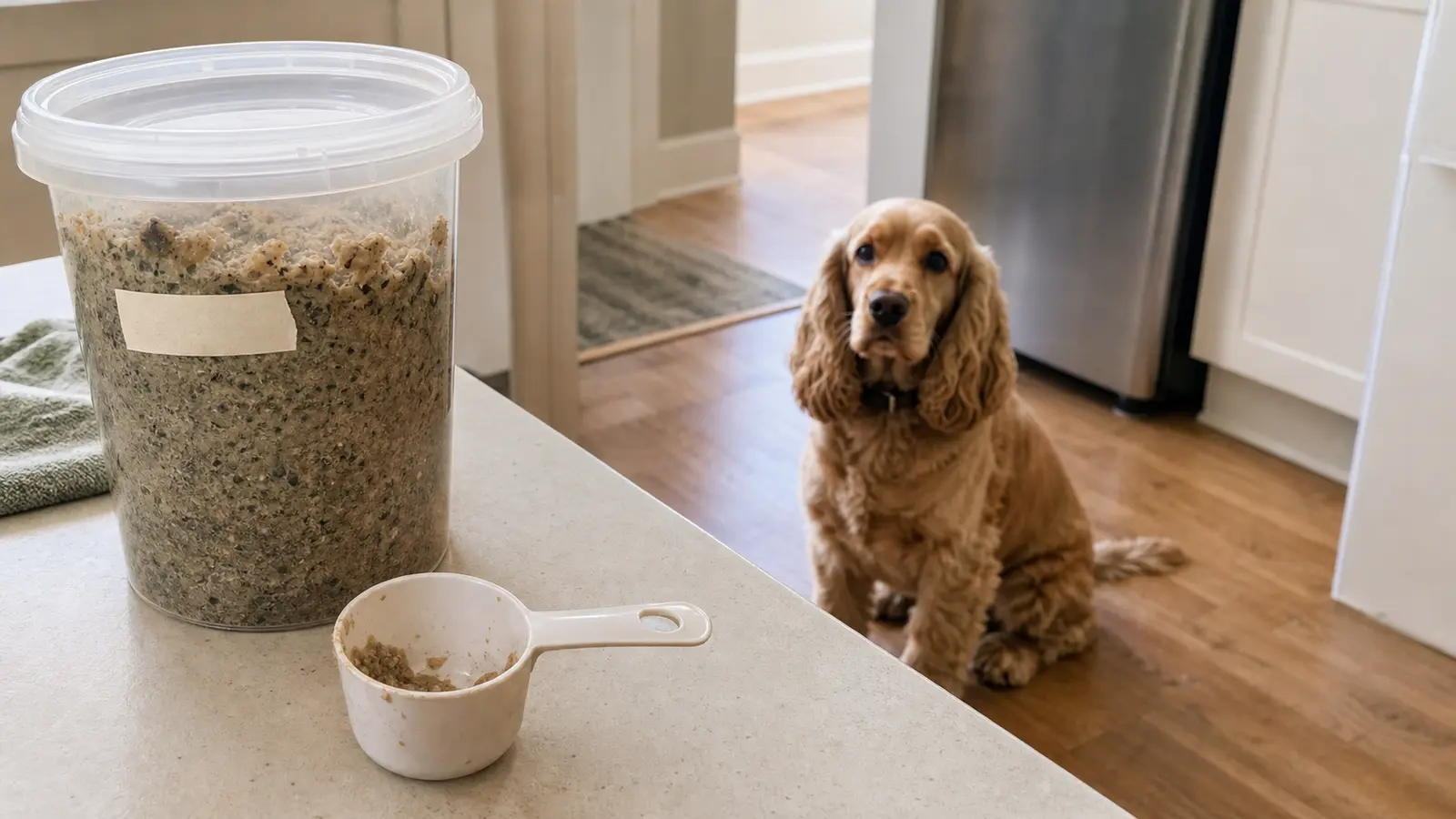
Try the routine before a trip
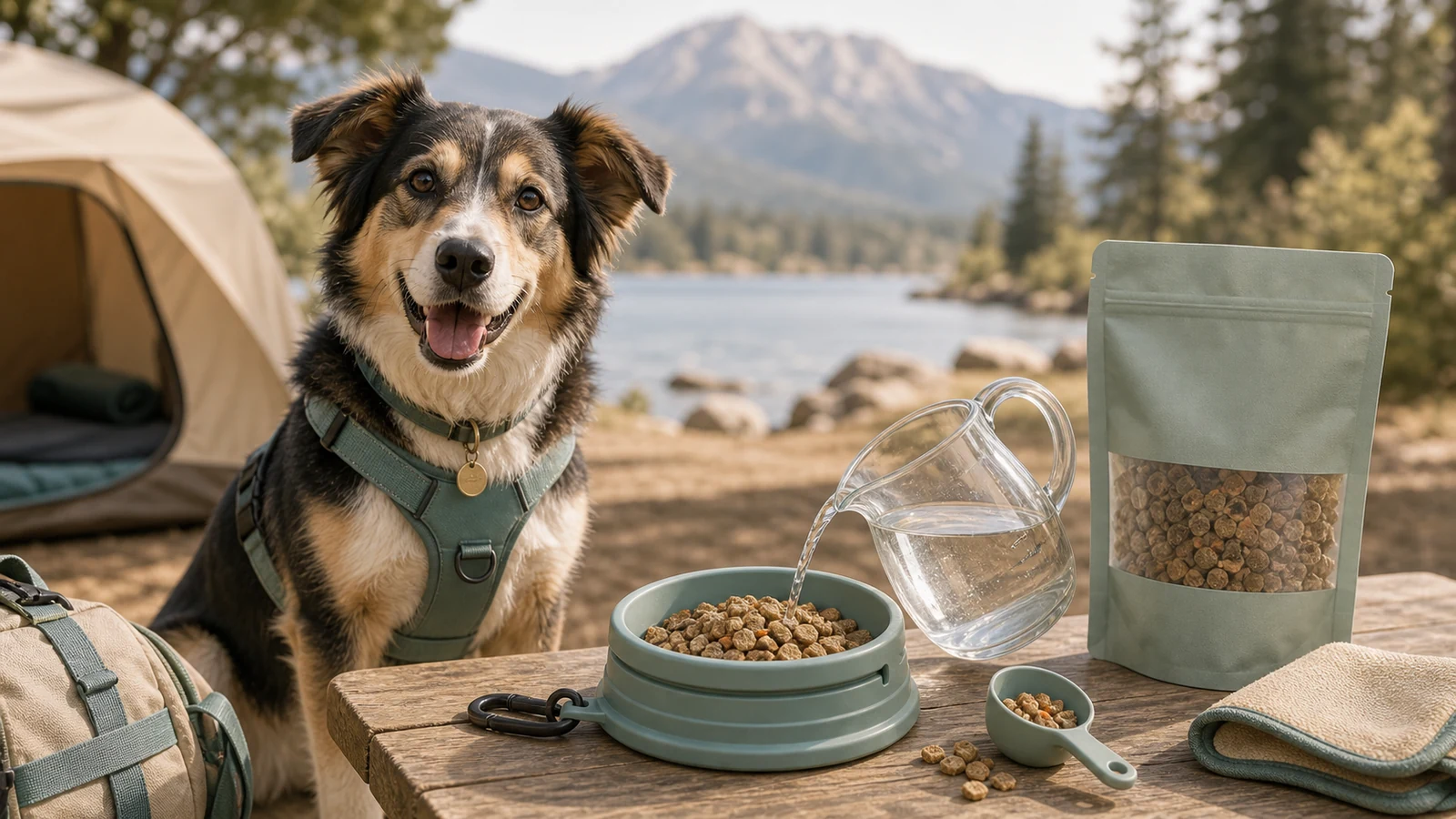
Dehydrated food can be handy for travel because the dry food is light before mixing. Pack clean water, a clean dish, enough wait time, and a plan for leftovers.
Test one travel-style meal at home before relying on it in a cabin, hotel, or campsite. Pack the dry portion, set out the travel bowl, add water, and check whether your dog eats dinner and has normal stool the next morning.
If your dog eats on a schedule, keep that rhythm close on travel days. Change one thing at a time when you can: the meal time, the treats, or the new texture.
Read the label like a meal plan
| Complete meal or topper | Some products can be dinner; others are meant to sit on top of a complete food. |
|---|---|
| Water amount and wait time | Texture, volume, and comfort can change after the full soak. |
| Calories for the dry amount | Water makes the meal larger, but it does not remove calories. |
| Leftover directions | Prepared food spoils faster than dry food left in the package. |
| Life stage statement | Puppies, adults, seniors, and dogs with medical conditions may need a vet's input. |
When to slow down and ask your vet
Talk with your veterinarian before making dehydrated food the main diet if your dog has recurring vomiting or diarrhea, trouble chewing, unexplained weight change, pancreatitis risk, kidney disease, food allergies, or a prescription diet.
Bring the package, calories, ingredient panel, preparation directions, and a short meal log. Include breakfast, dinner, treats, chews, water amount, stool changes, and whether your dog still seems bright on walks.
Helpful tools
These tools are optional, but they can make dehydrated meals easier to measure, stir, soak, pack, and repeat.
Affiliate links: Furball Cove may earn from qualifying purchases at no extra cost to you.
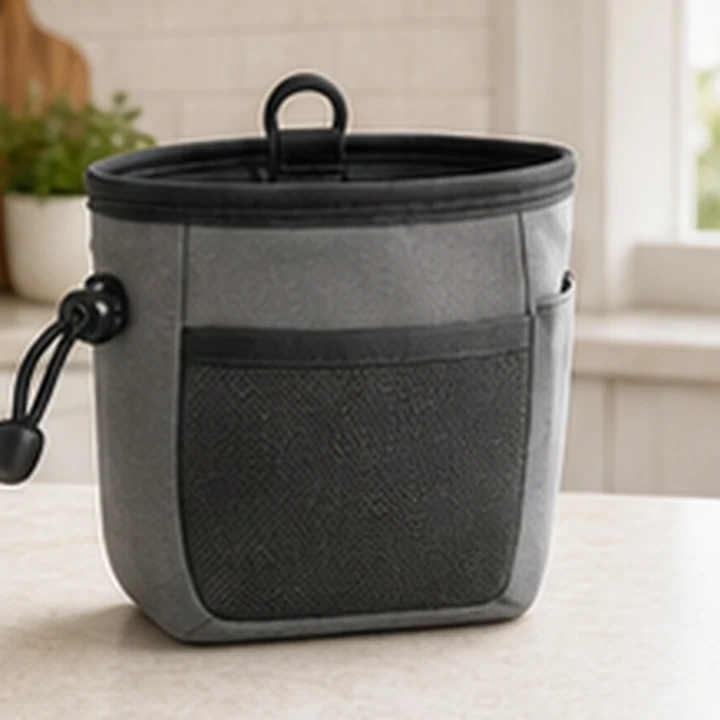
Travel food container
Good for packing dry portions before you add water, so a car, cabin, or hotel meal does not become a guessed scoop.
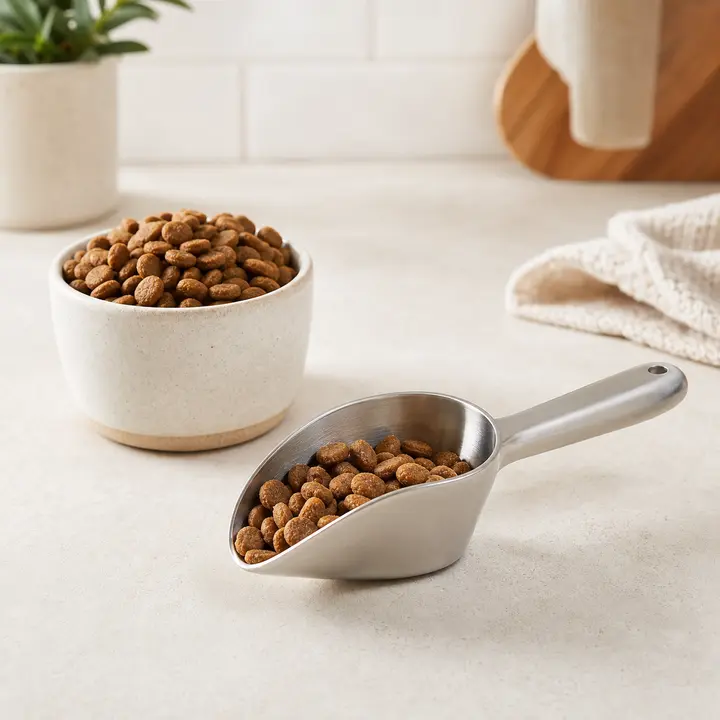
Measuring scoop
Use the same scoop for the dry amount before water changes the volume and makes the serving look bigger.
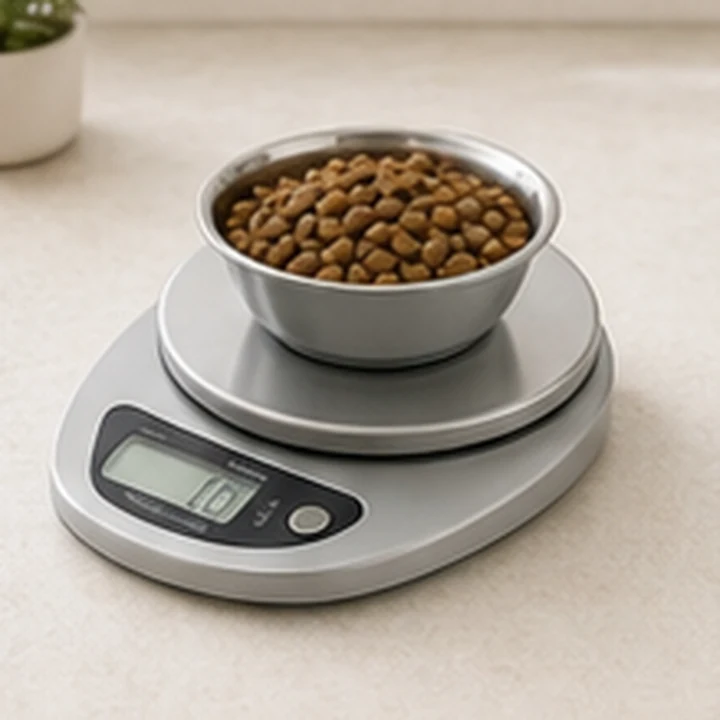
Portion scale
Helpful for small dogs or calorie checks when the soaked meal looks larger than the dry serving.
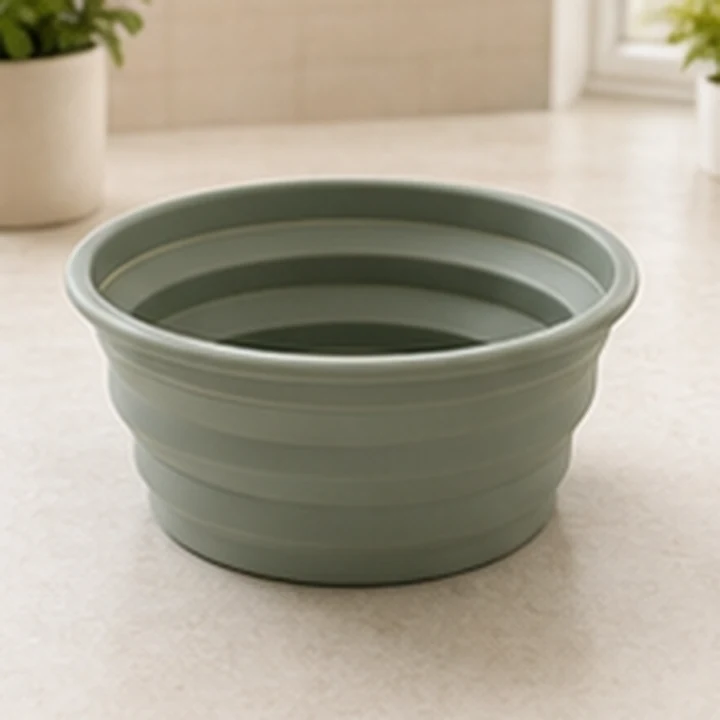
Collapsible travel bowl
Useful for testing dehydrated meals away from home once you know the water ratio your dog likes.
Dehydrated food questions
Is dehydrated dog food a good fit?
Yes, if the scoop-stir-wait routine fits your day and your dog enjoys the softened texture. If breakfast has to be instant, kibble or ready-to-serve wet food may be easier.
Can I serve dehydrated dog food dry?
Follow that product's directions. Many dehydrated meals are made to be soaked first, and the water step changes texture, volume, smell, and cleanup.
How should I store leftovers?
Once water is added, treat the prepared meal like moist food. Refrigerate or discard leftovers according to the package, and wash the dish and spoon after serving.
Is dehydrated food the same as freeze-dried?
No. Both have moisture removed, but they can feel very different at dinner. Dehydrated food usually leans on water and wait time, while freeze-dried food may be served dry, crumbled, or rehydrated depending on the label.