Updated
Dog food guide
How to Use Freeze-Dried Dog Food Without Overdoing It
Freeze-dried food is handy when you want a light bag for travel, rich-smelling pieces for training, or a meal extra that feels special without opening a can. Measure it before it looks harmless; those dry chunks can be calorie-dense, and some labels call for water.
When it works well
Freeze-dried food works best when one small scoop has a clear job. It can be a light travel meal, a crunchy extra over breakfast, or high-value training pieces that fit in a pouch.
Before it becomes dinner, check the label. A complete and balanced formula can be a meal for the right life stage. A mixer or treat should stay small so the regular food still carries the main nutrition.
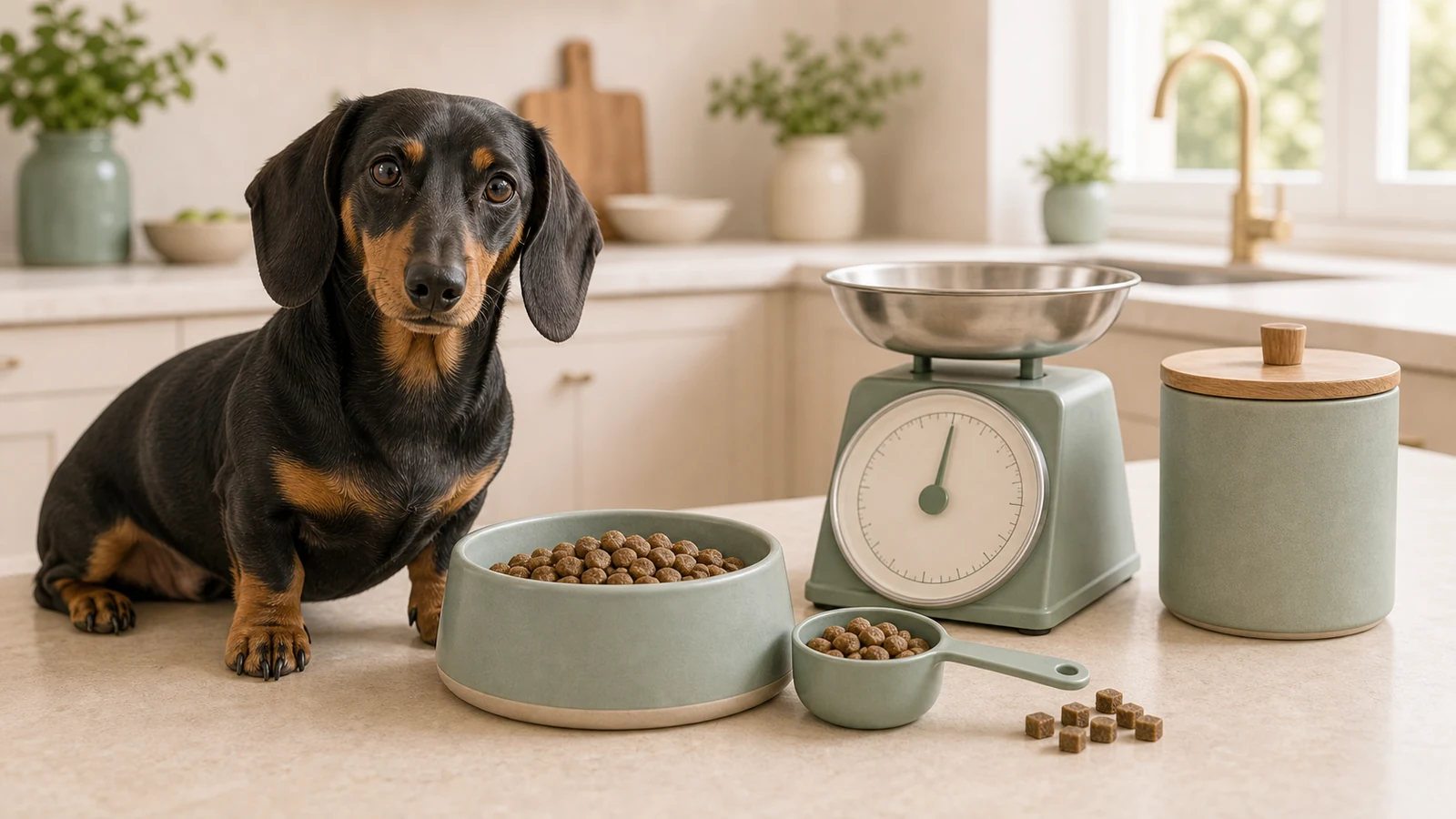
For example, a Dachshund getting three pieces over kibble is in a different situation than a large dog eating a full rehydrated bowl. Measure the amount, then watch for normal stool, appetite, and energy.
Tiny pieces can carry real calories
Freeze-drying removes water, so the food can look smaller than the calories suggest. A few dry pieces may not fill much space in the dish, but they still count toward the day.
Use the calories for the dry amount you scoop, before adding water or crumbling it into wet food. For a small dog, a handful of rich training pieces plus a dental chew can be enough to spoil dinner.
For one week, write down breakfast, dinner, meal extras, training rewards, chews, and table scraps. If your dog stays bright on walks, has normal stool, and keeps a steady weight, you have a better baseline than a guessed scoop.
Water changes the texture
Some products are meant to be served dry; many are meant to be softened first. Read the water amount and wait time on that product, because texture changes quickly after rehydrating.
Water can help a dog who struggles with crumbly chunks, has fewer teeth, or gulps dry pieces too fast. It also turns dinner into a moist meal, so serve it promptly and wash the dish afterward.
Adjust water only within the package directions, and look for a texture your dog can eat without coughing, gagging, or leaving dry pockets behind. If coughing or gagging keeps happening, ask your veterinarian before serving it that way again.
Seal the food after opening and keep your scoop dry. If the package gives raw-style handling directions, wash hands, dishes, scoops, and mats after serving.
A meal extra is not the same as dinner
A meal extra should stay small. It can make the meal easier to start, but it should not quietly replace a complete diet.
Think of a normal Tuesday: a sprinkle at breakfast, training rewards on a walk, crumbs under the high chair, and a chew on the couch after dinner. By bedtime, the extras may be doing more than you meant.
A common pattern is the dog who gets a little crumble at breakfast, a few pieces during leash practice, and a chew after dinner. Count those extras before deciding the main meal is too small.
If a little extra aroma is enough, use the smallest amount that still helps. If you want freeze-dried food to become the main meal, choose a complete diet, transition gradually, and price the daily serving before buying a large bag.
Pack one practice meal before travel
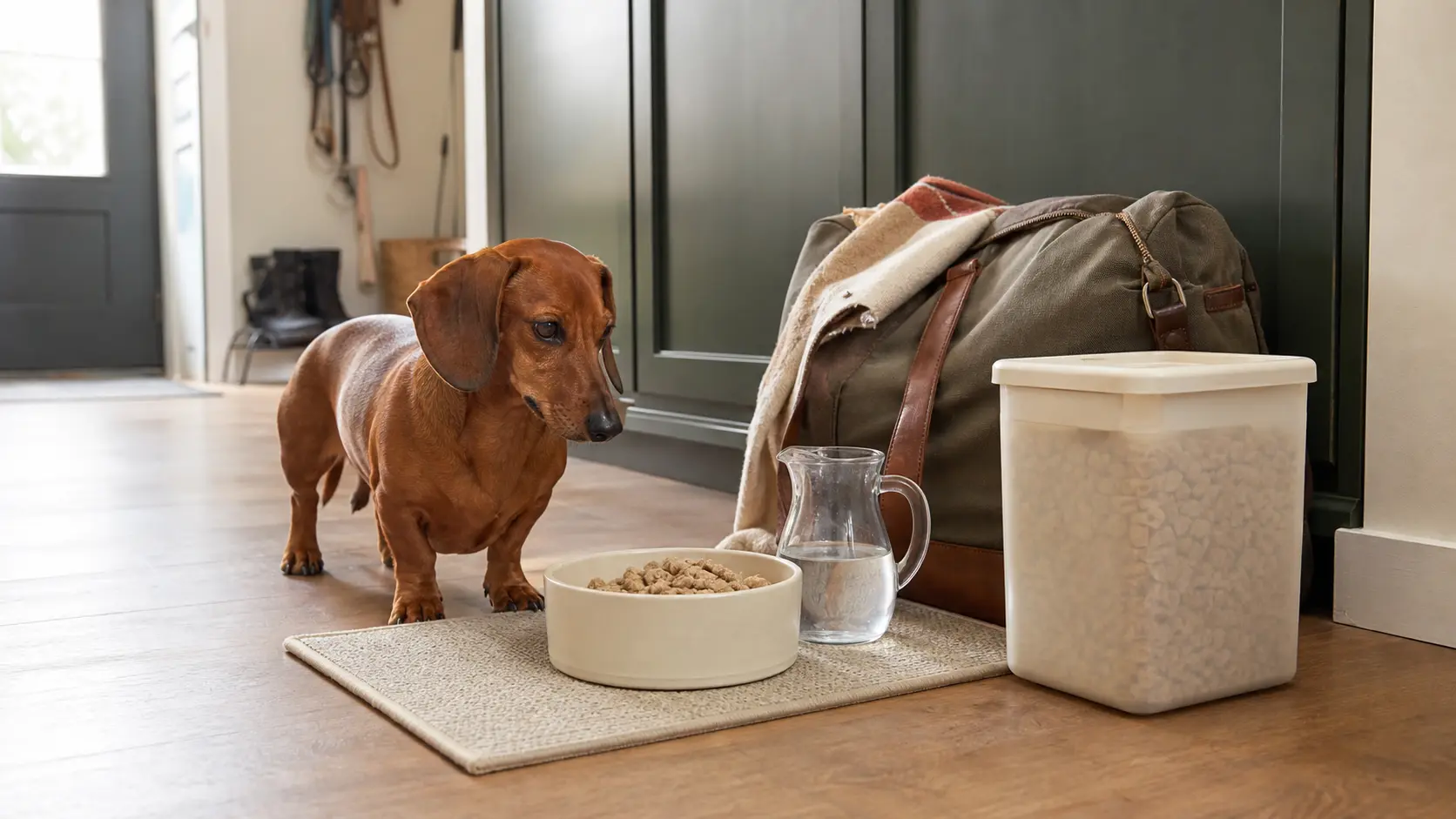
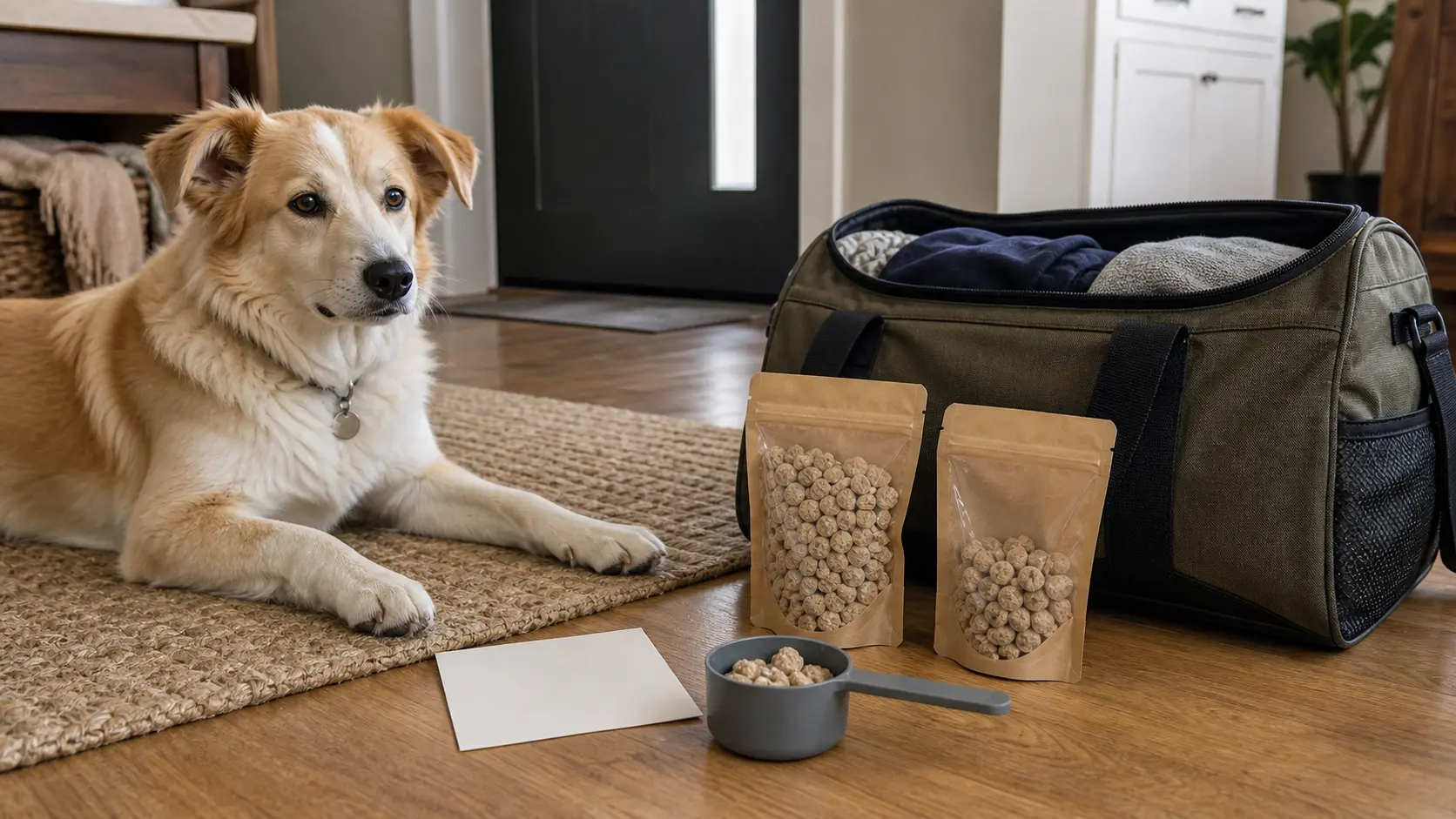
Try the travel plan at home first. Measure one serving into the container or pouch you will pack, add water if the package calls for it, and feed it on an ordinary evening.
After that practice meal, look at the next morning too. If your dog eats normally, has normal stool, and the cleanup feels manageable, the trip will be easier to plan.
For the actual trip, pack the measured food, a clean dish, enough water, and a spare sealed container. If the food is raw-style or rehydrated, keep the prep simple and clean.
Freeze-dried versus dehydrated
Both foods have moisture removed, but they do not feel the same in the kitchen. Dehydrated food is often mixed with warm water and given time to soften; freeze-dried food may be used dry, crumbled, or rehydrated depending on the product.
Choose by label, calories, prep time, and how your dog handles the texture. Pick the routine you can repeat on a busy morning without turning dinner into a project.
When to slow down and ask your vet
Talk with your veterinarian before using a rich or raw-style freeze-dried product if your dog has pancreatitis risk, recurring vomiting or diarrhea, unexplained weight change, or a prescription diet. Bring the package, calories, ingredient panel, and preparation directions.
Use extra care in homes with young children, older adults, pregnant people, or immunocompromised people. Raw-style or rehydrated food means more handwashing and prompt cleanup.
A complete dry, wet, or dehydrated food may be the better daily choice if freeze-dried food keeps making dinner more expensive or harder to clean up.
Helpful tools
Choose simple tools that make freeze-dried portions easier to measure, crumble, rehydrate, pack, and repeat.
Affiliate links: Furball Cove may earn from qualifying purchases at no extra cost to you.
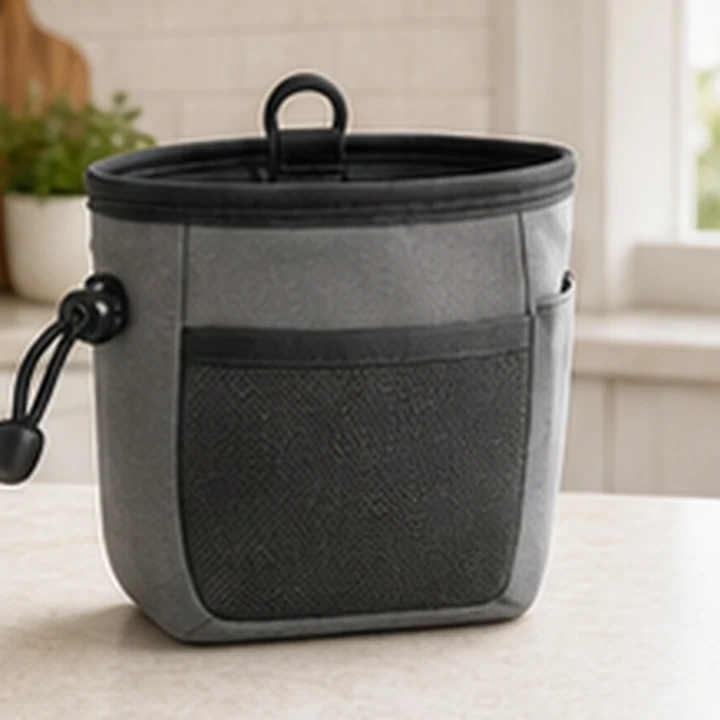
Travel food container
Keeps a measured freeze-dried meal sealed in a bag, car, or hotel room so travel portions stay clear.
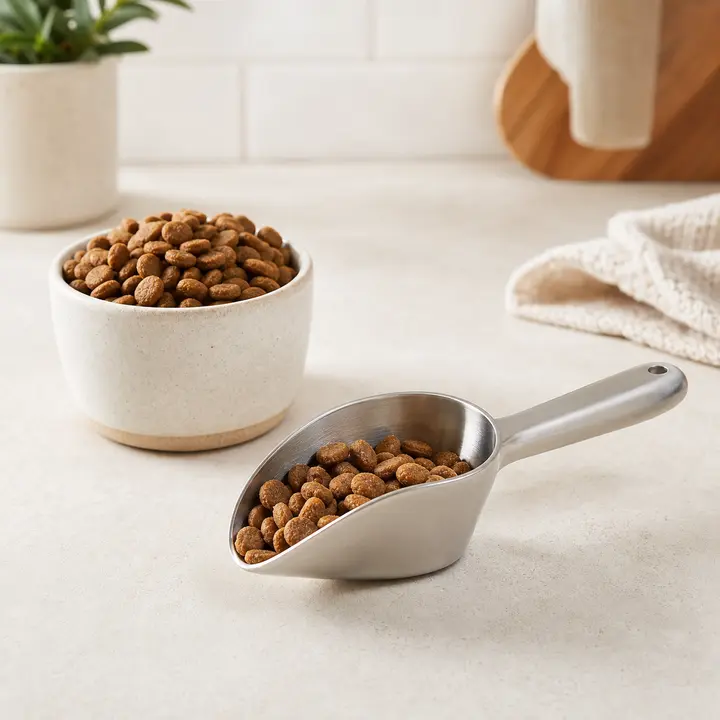
Measuring scoop
Measure the dry pieces first, before water changes the texture or they get mixed into the rest of the meal.
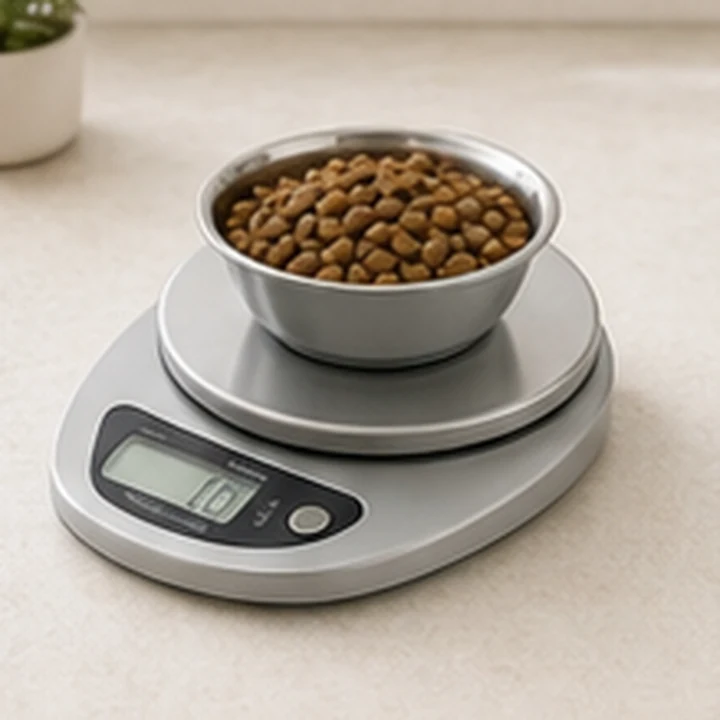
Portion scale
Makes tiny calorie-dense portions easier to repeat when scoops look smaller than the calories suggest.
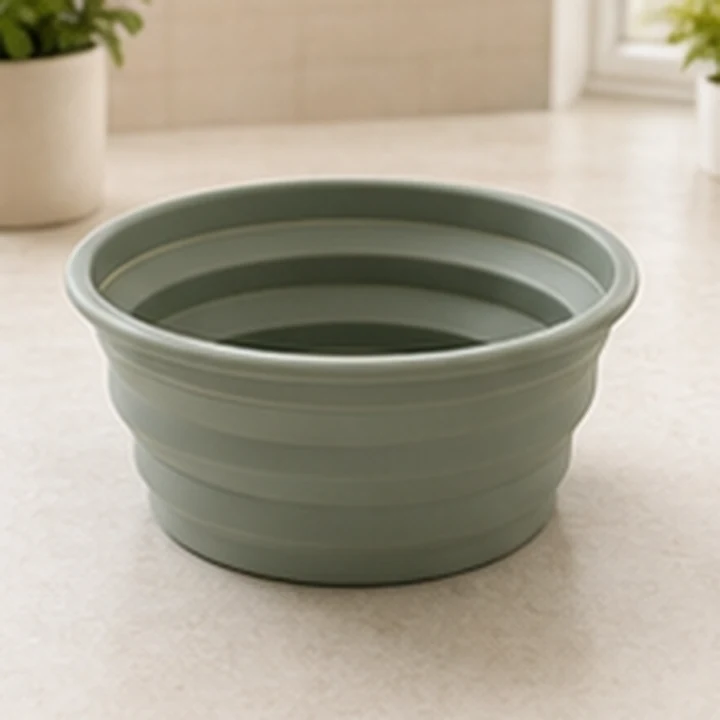
Collapsible travel bowl
Works well when lightweight food comes along on a car ride, hotel stay, or training weekend.
Quick answers
Should I feed freeze-dried dog food?
It can work well for travel, training rewards, meal extras, or a full meal when the label says it is complete. Measure the dry pieces before serving because they can look smaller than their calories.
Is freeze-dried dog food raw?
Some are raw-style and some are not. Read the package and follow its handling directions. Ask your veterinarian before feeding raw-style products if your dog or anyone in the home has higher infection risk.
Should I add water to freeze-dried dog food?
Follow that product's directions. Many are meant to be rehydrated, and water can make crumbly pieces softer and easier to eat.
Can freeze-dried dog food be a full meal?
Only if the label says it is complete and balanced for your dog's life stage. If the package calls it a mixer or treat, use a measured amount and let the main food carry dinner.
Can I use freeze-dried food for training?
Yes, if your dog tolerates it and the pieces break small enough. Count those rewards, especially for small dogs or dogs who already get chews and meal extras.