Updated
Dog food guide
Dog Food Toppers: What Helps and What Overdoes It
Toppers can make meals more appealing, but they should stay small and not replace complete food. Start with one tiny add-on, measure the main meal, and avoid turning dinner into a negotiation.
Quick answer for real life
A topper should have a job: add moisture, improve smell, hide medication, slow licking, or make a meal easier for your dog to enjoy. It should not become half the bowl.
Start tiny. If your dog is already healthy and eating well, you may not need a topper at all. If your dog suddenly refuses food, seems sick, or loses weight, call your vet before you change dinner. Measure the regular food first, count the add-on, and check whether your dog still eats the main meal.
When toppers help
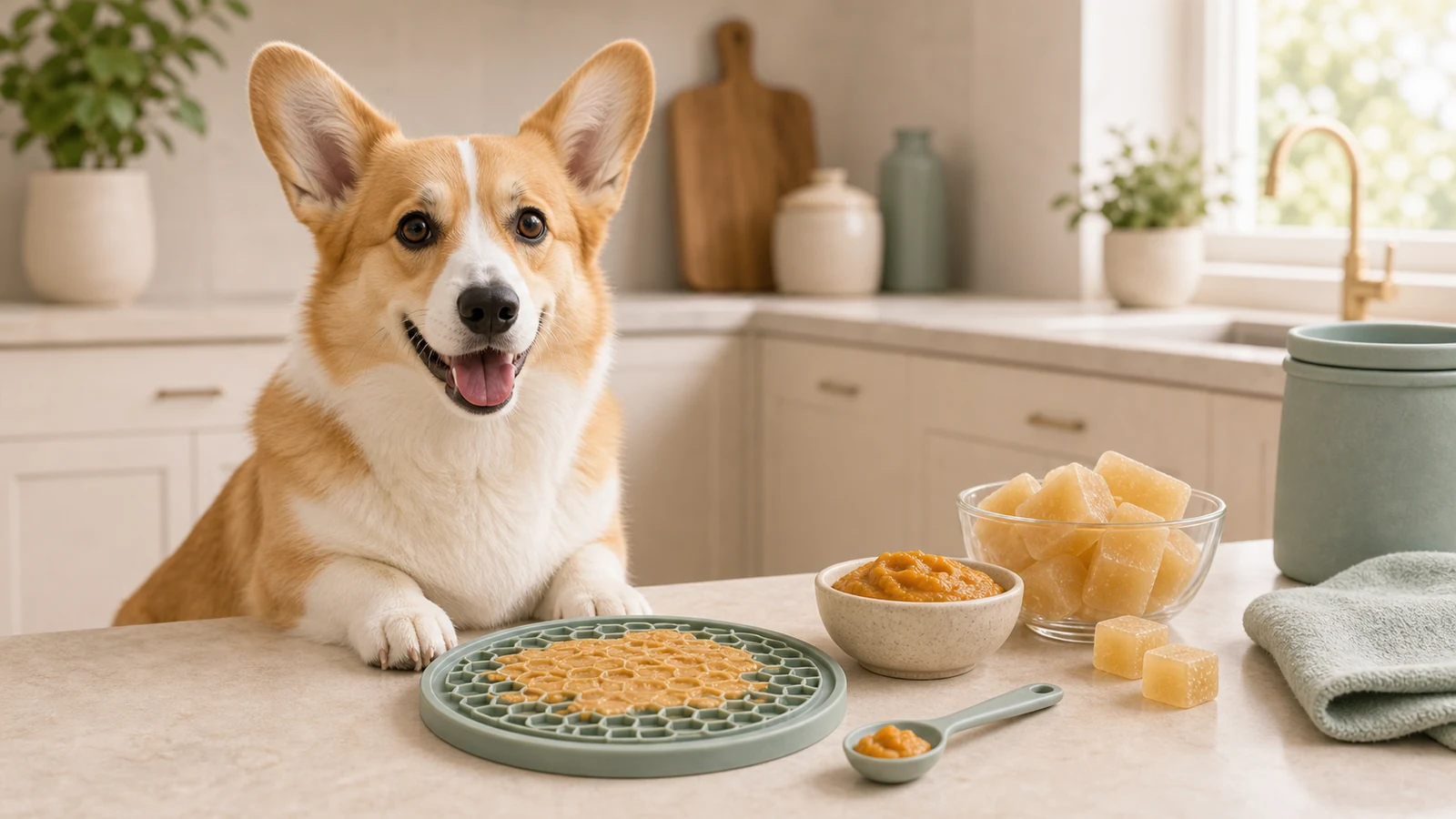
Toppers can help when a dog needs more aroma, a softer texture, a little moisture, or a safe way to take medication. They can also turn a lick mat into a quiet settling activity after a walk.
For example, a spoonful of wet food spread thinly on a mat may help a dog relax while you make coffee. That is different from adding a richer extra every time the dog pauses at the bowl. If your dog pauses at dinner and then eats when chicken appears, write that down before you change the plan again.

How much is too much
The smaller the dog, the faster extras matter. A few spoonfuls, chews, training rewards, and plate bites can crowd out the complete food doing the main nutrition work.
If your dog gains weight, leaves kibble behind, or starts waiting for the fridge to open, measure the main food and count the extras for a normal day. After a week of notes, it is easier to see whether the add-on is helping or quietly becoming a second meal. Look for the boring pattern first: meals, extras, treats, chews, and table scraps.
Picky eater traps
Toppers can accidentally train a dog to hold out. If dinner gets better every time your dog walks away, the pattern can become part of the meal routine.
For a dog who is bright, playful, and only picky at the bowl, keep the plan predictable and consistent. For a dog who skips meals, vomits, has diarrhea, seems painful, or acts tired, treat appetite change as a health clue. Try one small change at a time so you can tell what actually helped, and check whether the same problem returns tomorrow.
Safer simple topper ideas
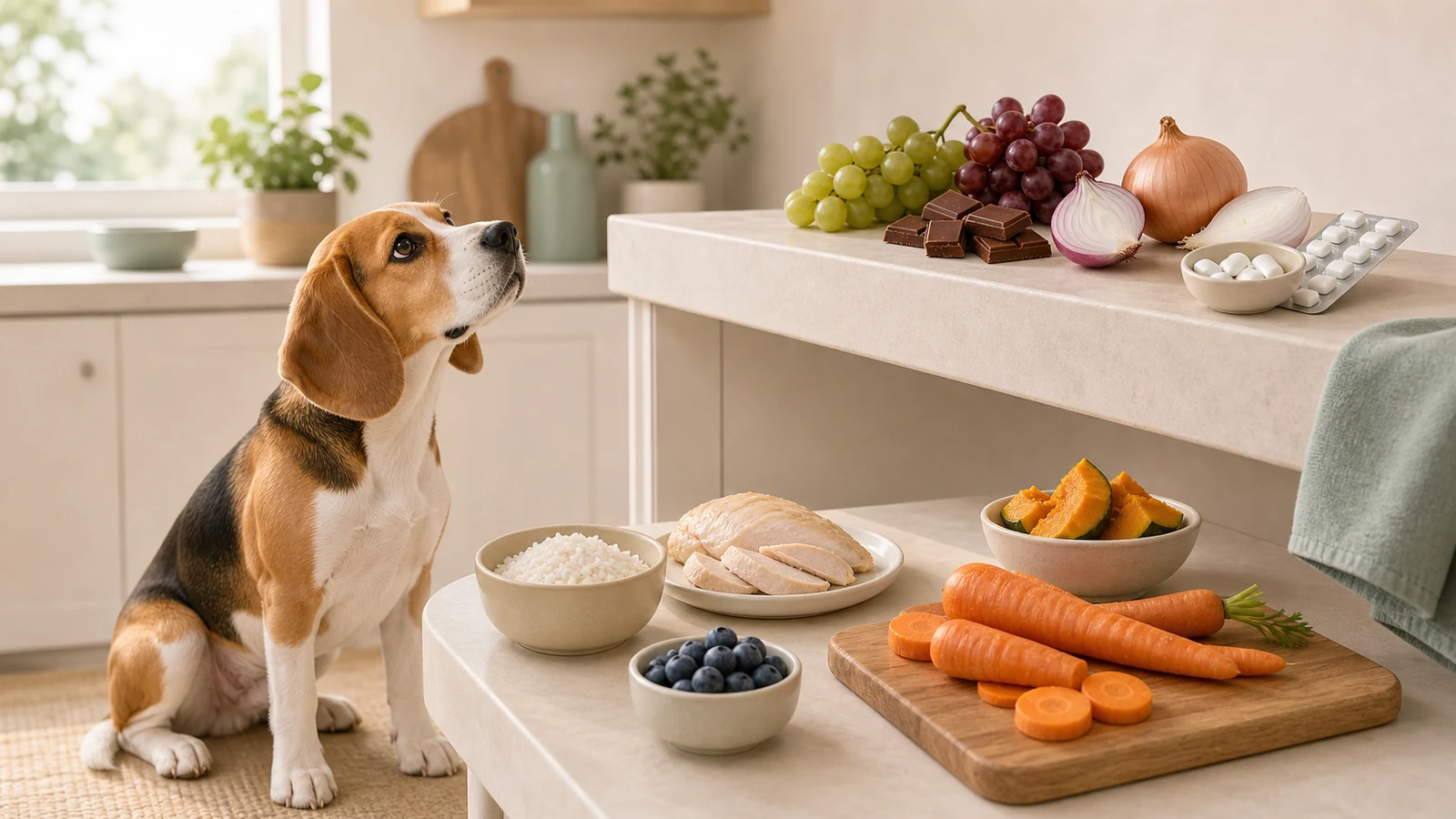
Keep toppers plain and small. Many dogs do fine with a little wet food, soaked kibble, warm water, or a vet-approved medication-hiding option. Think of one dog who only needs a teaspoon for smell and another who needs no add-on at all.
Check human foods before sharing. Avoid onion, garlic, xylitol, rich sauces, bones that splinter, and anything your dog has reacted to before. If you are adding extras for medication, ask your vet what is safe with that specific medicine and watch for appetite or stool changes.
How to add toppers
- Pick one purpose Choose moisture, aroma, medication hiding, enrichment, or training.
- Start tiny Use a spoonful or less for many dogs, then watch stool and appetite.
- Count the extras Include toppers, treats, chews, and table scraps in the day.
- Keep the meal complete Do not let extras replace the main balanced food.
- Hold the line Avoid upgrading every skipped meal if your dog is otherwise well.
- Call your vet Ask about repeated vomiting, diarrhea, itching, weight change, appetite loss, or suspected toxic foods.
When to ask your vet
Ask your veterinarian before using toppers to solve appetite loss, vomiting, diarrhea, itching, pancreatitis risk, weight change, medication trouble, or a suspected toxic food.
Bring the main food, topper list, treat list, stool notes, and a timeline. Those details help your vet see whether the topper is helping, hiding a problem, or making the routine harder.
Helpful tools
Choose tools that help you keep toppers small, clean, and useful instead of letting extras take over the meal.
Affiliate links: Furball Cove may earn from qualifying purchases at no extra cost to you.
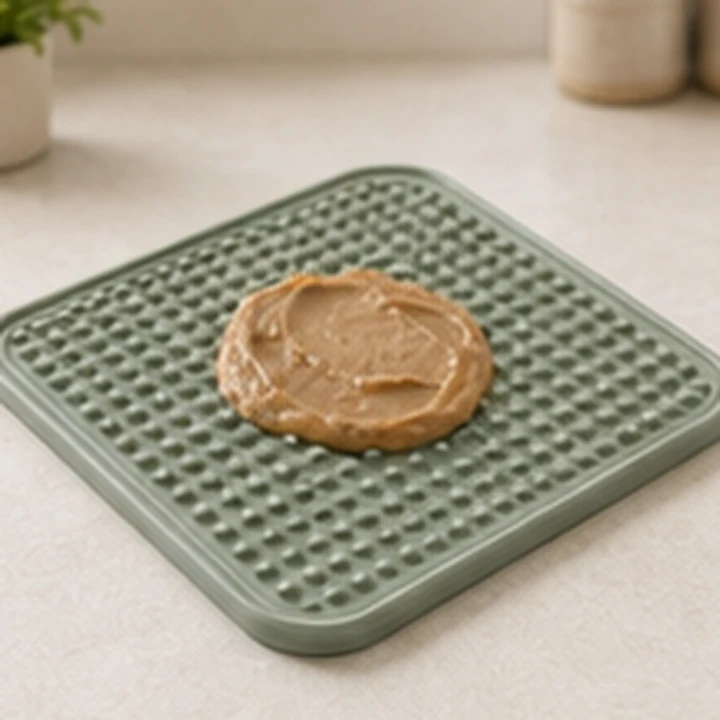
Lick mat
Spreads a small wet topper into a longer, calmer licking activity.
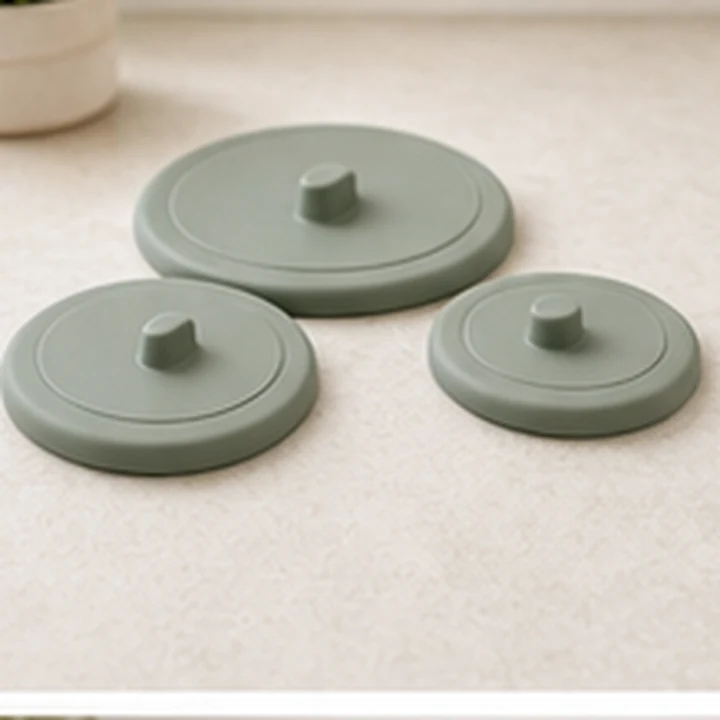
Covered can lid
Keeps opened wet food covered in the fridge when you only use a spoonful.
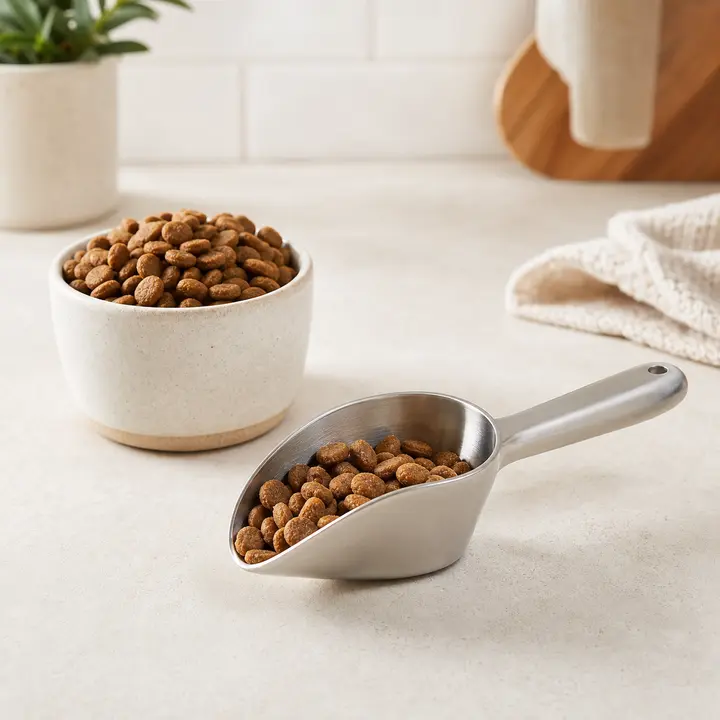
Measuring scoop
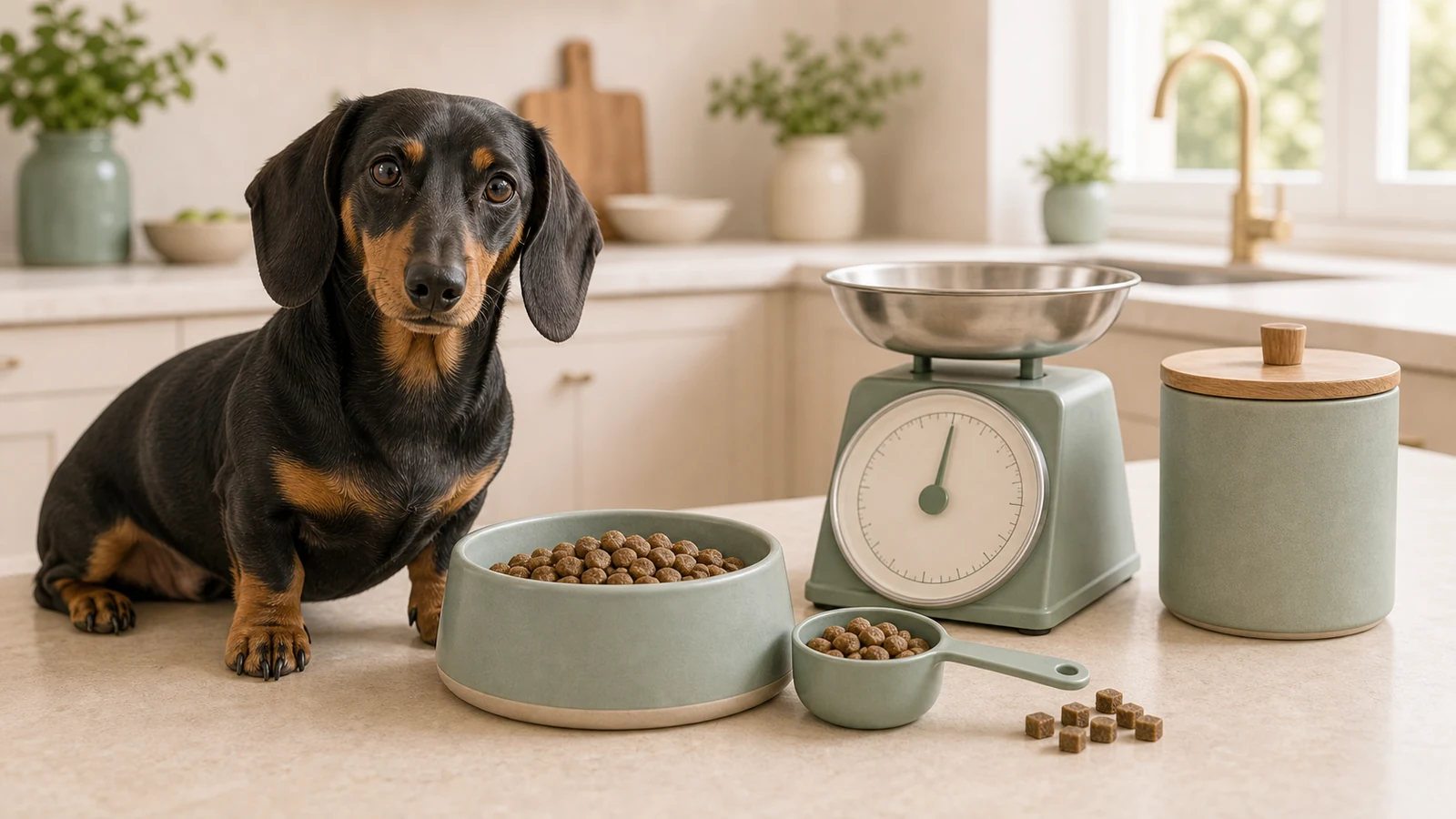
Helps keep the main meal measured when extras start sneaking into the bowl.
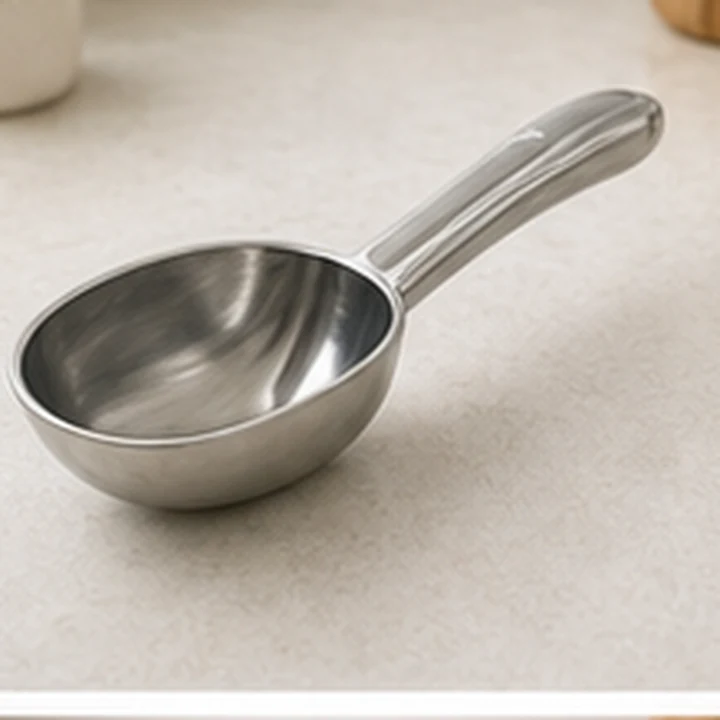
Wet food spoon
Makes one small spoonful easier to repeat without accidentally turning a topper into dinner.
Common questions
Are dog food toppers necessary?
No. A complete food can be enough on its own. Toppers are optional extras for aroma, moisture, training, enrichment, or medication hiding.
Can toppers fix picky eating?
Sometimes they help, but they can also teach a dog to wait for better offers. Keep the routine consistent and avoid adding something richer every time your dog pauses at dinner.
Can I use human food as a topper?
Sometimes, but check safety first. Keep it plain, tiny, and free of sauces, onion, garlic, xylitol, and rich leftovers.