Updated
Dog food guide
Fresh Dog Food: What to Check Before You Subscribe
Cooked fresh meals can be appealing when you want pre-portioned food and do not mind managing fridge or freezer space. The smart check is simple: complete diet, clear calories, and a monthly cost you can live with.
What fresh food is really offering
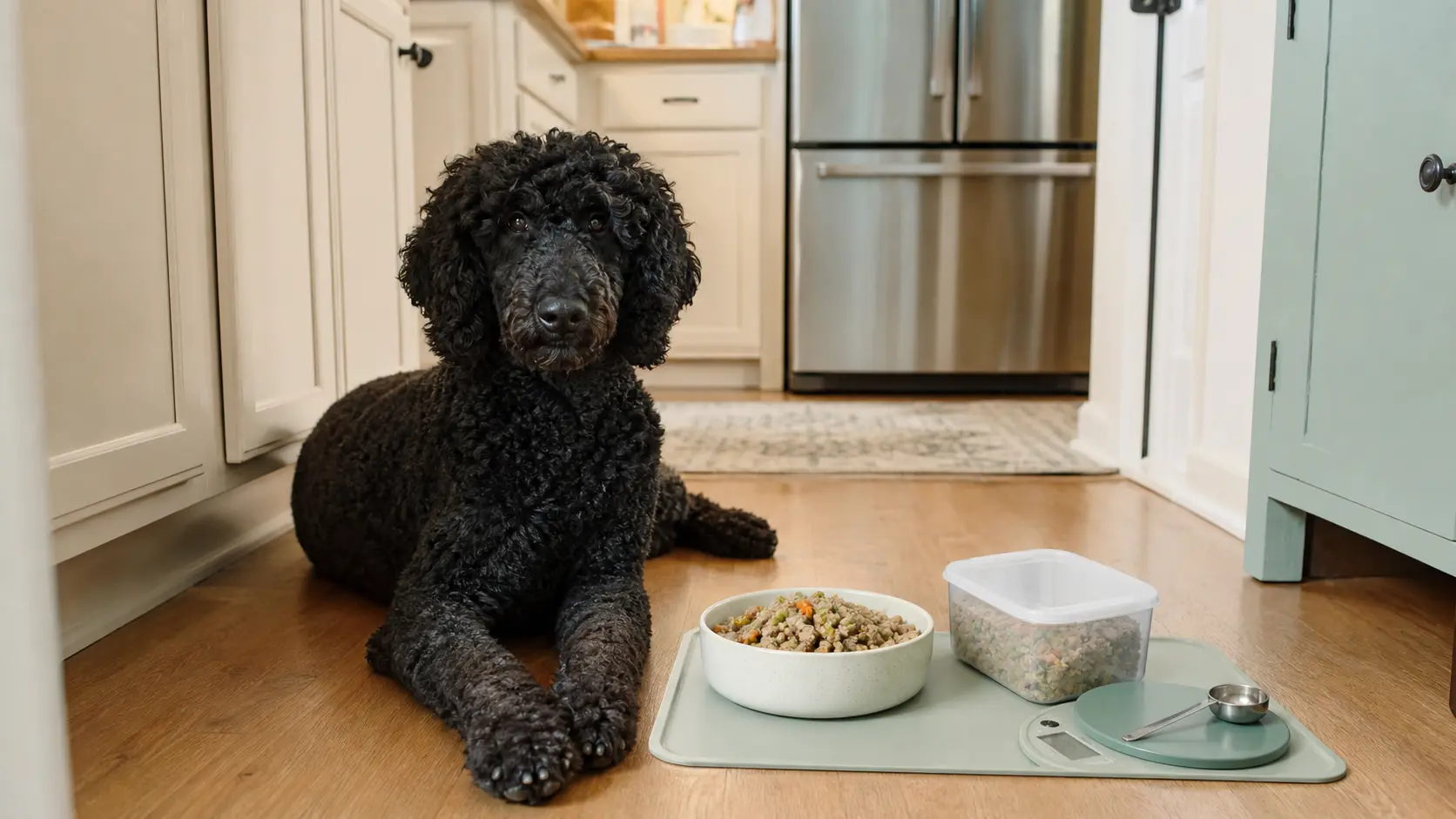
This style of food usually means cooked meals that arrive refrigerated or frozen, either already portioned or ready for you to portion. The appeal is easy to understand: a softer cooked meal, a clear container, and less guessing than cooking for your dog from scratch.
The label still does the serious work. Before a trial box turns into a subscription, check the adequacy statement, calories, and storage directions. If those are clear and the routine fits a normal week, fresh food may be worth a closer look.
Where fresh food can shine
These meals can make sense for a dog who does well with softer cooked food, a family that can handle deliveries, or someone who wants pre-portioned meals without balancing a home recipe from scratch.
Think about a normal Tuesday, not the first excited delivery day. Look at where the trays will go, who feeds breakfast, and whether training rewards or table scraps already make dinner smaller.
- The food is complete and balanced for your dog's life stage.
- Calories are clear enough to compare with treats, chews, and toppers.
- Your fridge or freezer can handle the next delivery without crowding out your own food.
- The price still makes sense after the trial discount ends.
Check the label before the subscription quiz
Treat the photos and quiz as a starting point, then check the same basics you would check on any dog food: life stage, calories, feeding directions, ingredients, and the company's storage instructions.
If the page or package makes big health promises, slow down. A good fresh-food company should be able to explain what the food is, who it is for, how much to feed, and how to store it.
| Adequacy statement | Tells you whether the food is meant as a complete daily diet or only a topper. |
|---|---|
| Life stage | A growing puppy, adult dog, and senior dog may not need the same formula. |
| Calories | Pre-portioned meals can still overfeed if treats, chews, or activity change. |
| Storage directions | Fresh meals need clear cold-storage, thawing, and discard instructions. |
The subscription has to fit your real kitchen
The biggest fresh-food tradeoffs are usually cost and cold storage. A plan that looks good online can feel very different when a freezer shelf fills up or the first full-price bill arrives.
Before you switch fully, price the normal monthly amount and check where the food will actually go. Try a short box or partial mix before you fill the freezer; one large dog can use a surprising amount of space, and missed deliveries or travel weekends need a backup plan.
Transitioning slowly: switch without upsetting dinner
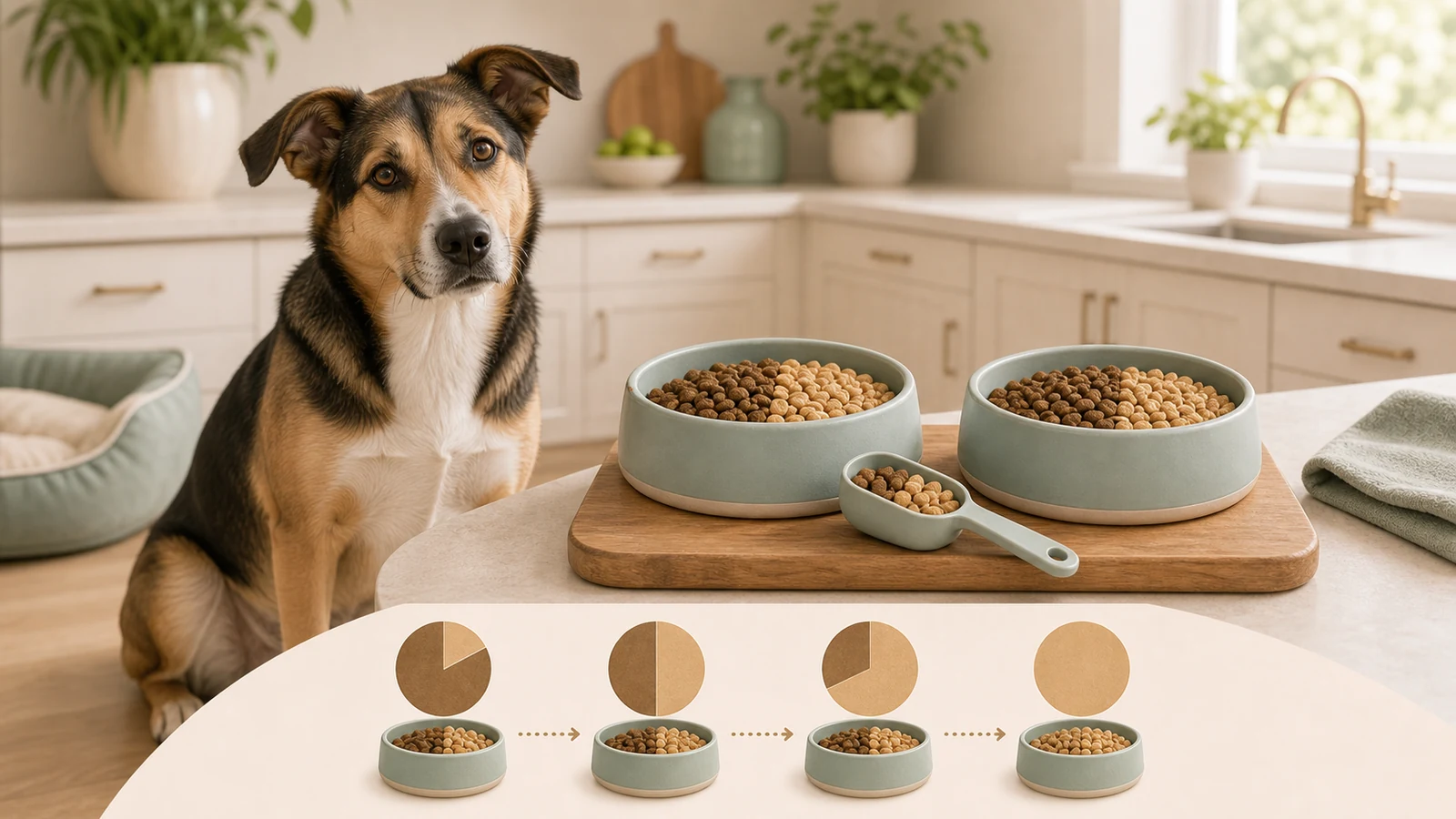
Switch slowly unless your veterinarian gives different instructions. The new meals change texture, smell, moisture, and sometimes richness, so a dog with a sensitive stomach may need more time than the package suggests. Measure the old food and new food, then watch for loose stool, skipped breakfast, or a dog who gulps the new meal and seems uncomfortable.
- Keep the old food as the base for the first meals.
- Add a small fresh amount and reduce the old food by the same calories.
- Hold that mix for several meals while you watch stool, appetite, and leftovers.
- Increase slowly only if your dog is doing well.
- Pause or step back if stool gets loose or your dog seems uncomfortable.
Write down one normal week before you commit
Write down one normal week before you subscribe: breakfast, dinner, treats, chews, walks, leftovers, and stool. Count treats and chews in the same notes so the decision stays grounded in your dog, not the subscription quiz.
For example, a dog who hikes on Saturday and sleeps through Sunday may not need the same calories every day. A small dog who gets a dental chew after lunch may need less dinner than the package estimate. Choose the food that keeps your dog bright, comfortable, and easy to feed.
When fresh food may make life harder
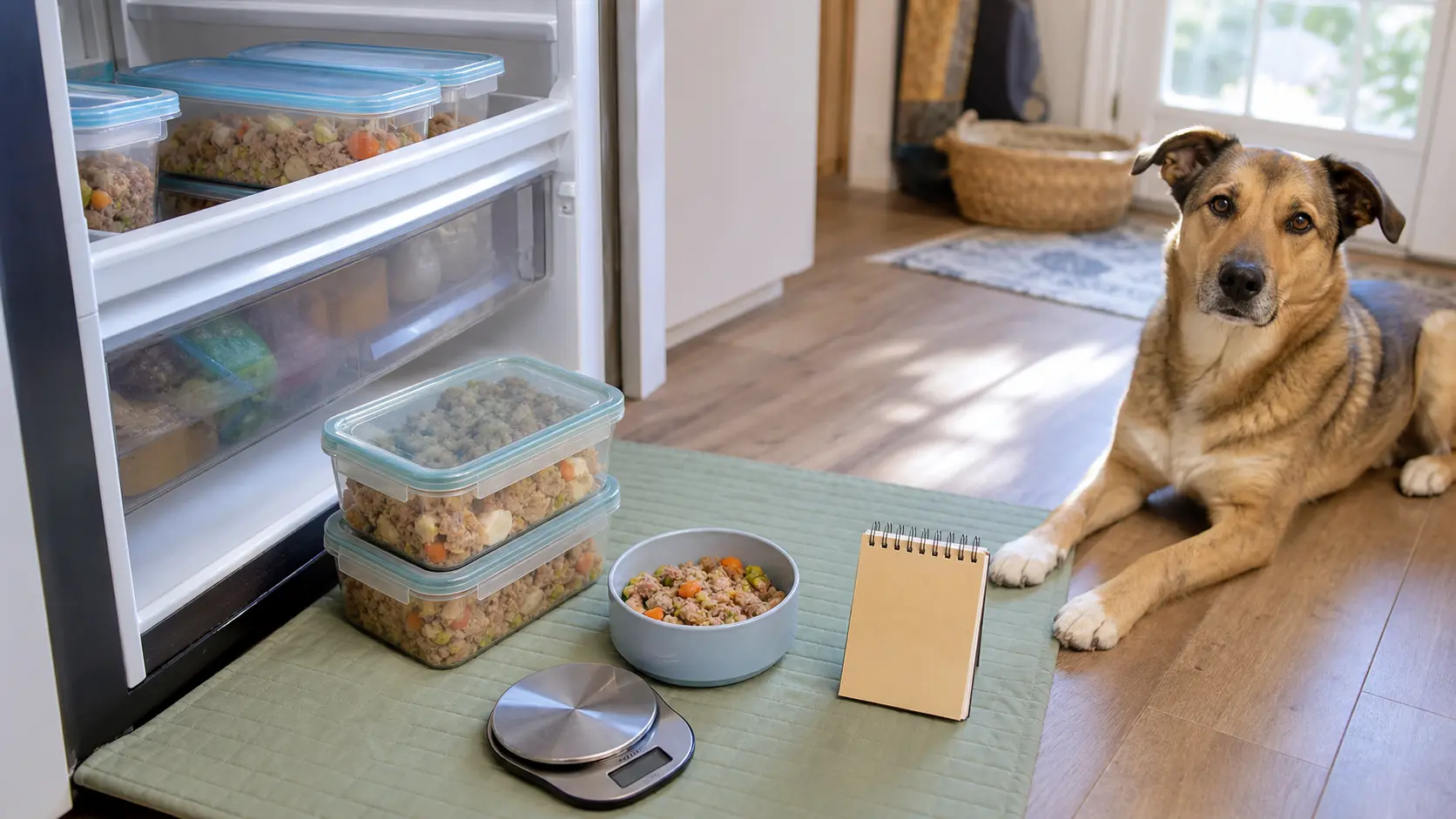
These meals are less appealing if they make feeding harder: tight cold storage, unreliable deliveries, frequent travel, or a price that tempts you to stretch portions too far.
Kibble, wet food, or a measured mix may be the kinder daily choice when it is easy to store, easy to portion, and your dog feels good eating it.
When the vet should help
Bring your veterinarian into the decision if your dog has pancreatitis risk, kidney disease, heart disease, diabetes, food reactions, unexplained weight change, or recurring vomiting or diarrhea. Bring the label, calories, and your one-week notes so the conversation is specific.
Helpful tools
Choose simple tools that make fresh portions easier to store, weigh, pack, and repeat.
Affiliate links: Furball Cove may earn from qualifying purchases at no extra cost to you.
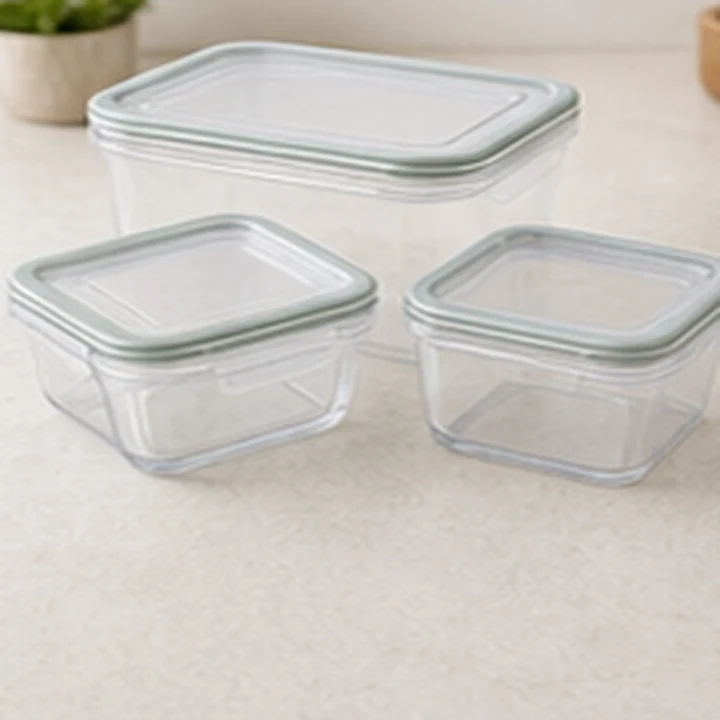
Airtight fridge containers
Keep fresh portions sealed between meals, especially when one package has to cover breakfast, dinner, and leftovers.
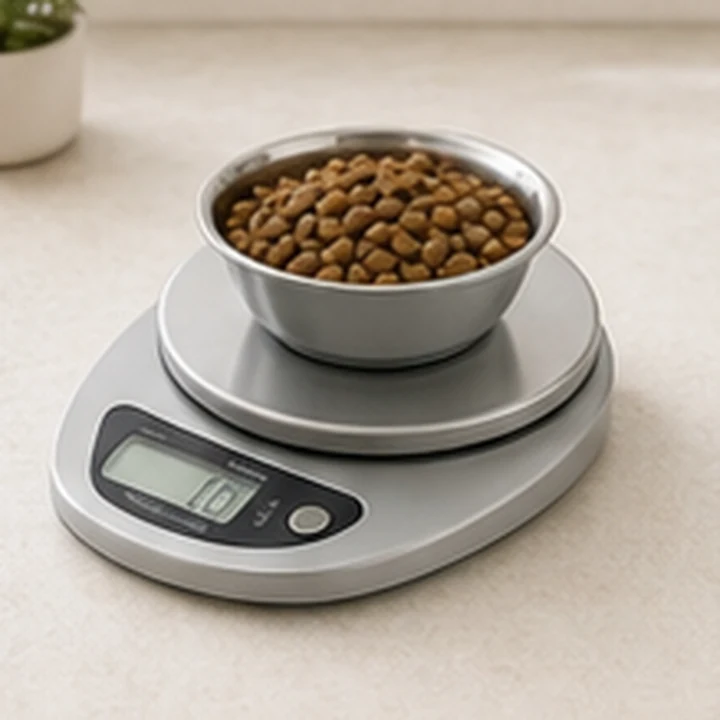
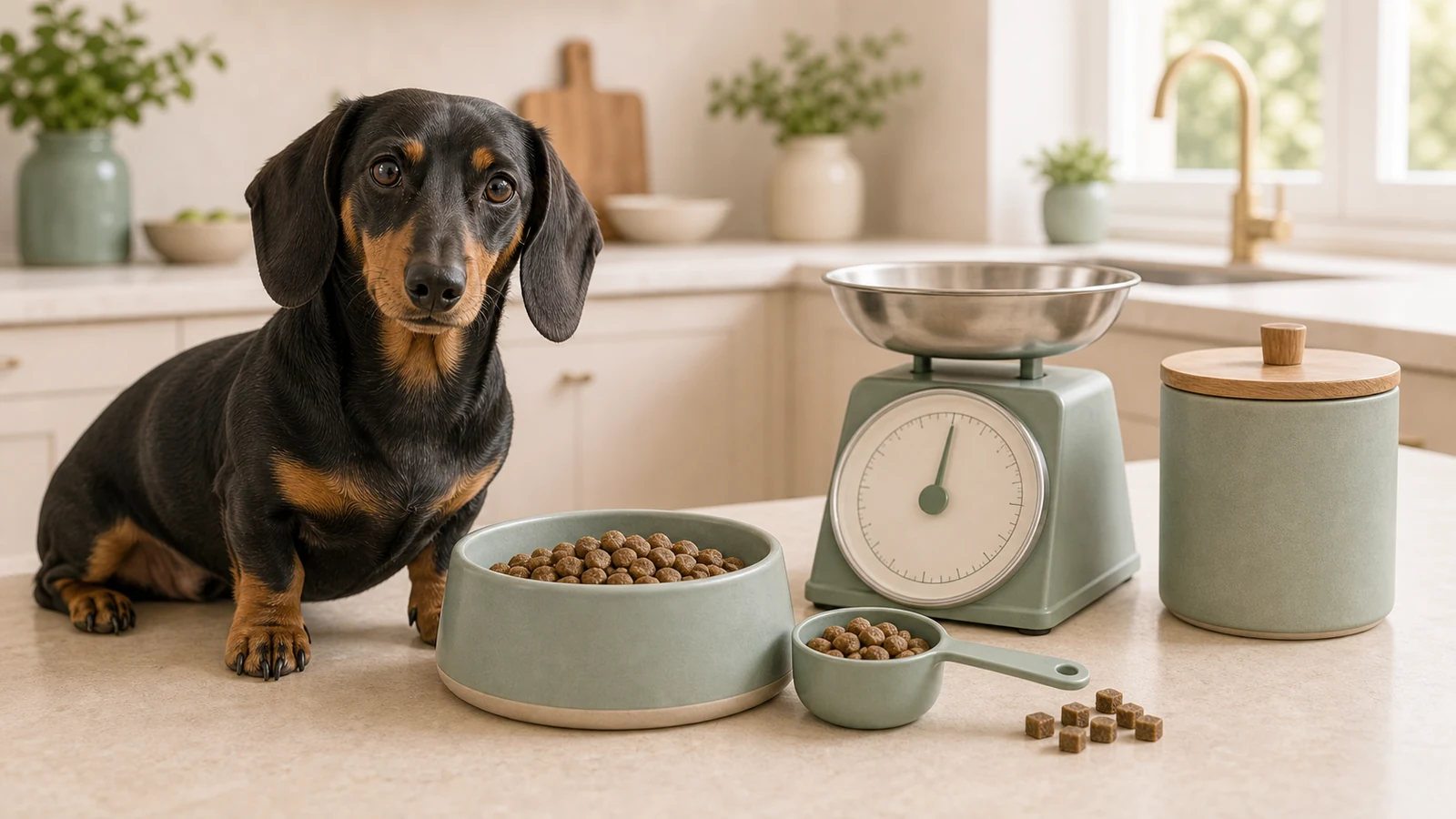
Portion scale
Helps keep fresh food portions steady when calories, weight, or small dogs make spoonfuls too vague.
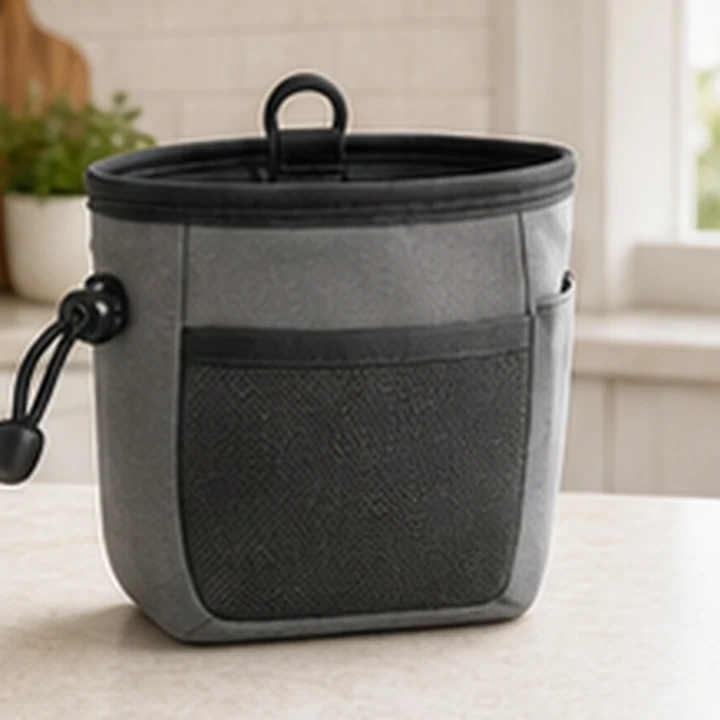
Travel food container
Packs measured meals for cottage weekends, late deliveries, or travel days so portions stay clear away from home.
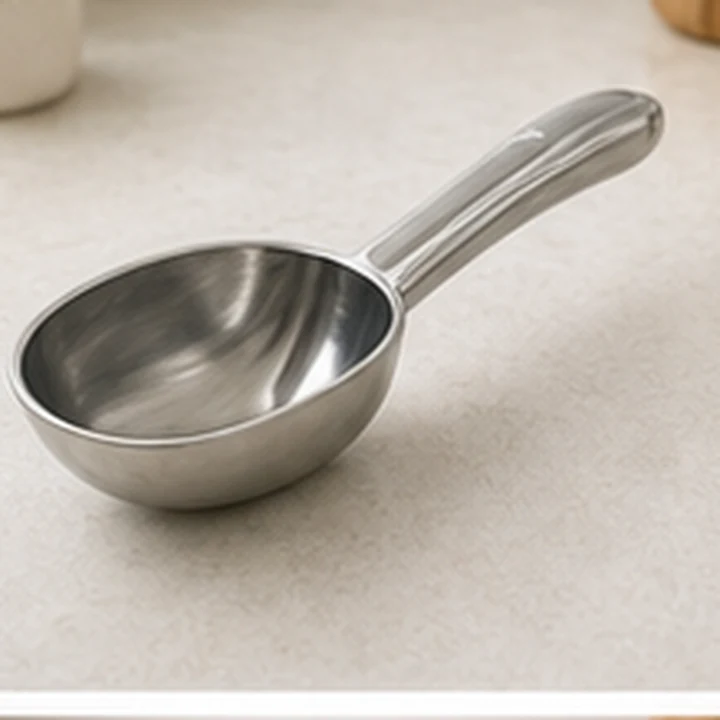
Wet food spoon
Keeps soft portions cleaner when meals come from the fridge instead of a scoopable bag.
Common questions
Are cooked refrigerated meals always healthier?
No. A cooked refrigerated meal still has to be complete and balanced, fit your dog's life stage, list calories clearly, and agree with your dog's stomach. A fresh-looking meal still has to earn its place on the label.
Can I mix fresh dog food with kibble?
Yes. Start with a small fresh portion and reduce the kibble enough to keep dinner from growing. Mixing can work well when you want the convenience of kibble with a softer cooked topper.
Is fresh food the same as homemade food?
No. A commercial fresh meal may be formulated as a complete diet. A home-cooked diet is different; ask your veterinarian or a veterinary nutritionist before using one long term.
How should fresh dog food be stored?
Follow the package directions for refrigeration, freezing, thawing, and discard times. Keep opened food covered, and wash bowls, spoons, and storage containers after meals.
When should I ask my vet before feeding fresh food?
Ask before switching if your dog has a medical condition, a prescription diet, unexplained weight change, or recurring stomach trouble.