Updated
Dog food guide
Homemade Dog Food: What to Know Before You Cook
Homemade dog food can feel loving and practical, especially when you want more control over what goes into the bowl. Before you cook a batch for daily feeding, ask your vet for a recipe you can follow exactly, then plan portions, storage, and cleanup.
Start with the daily routine
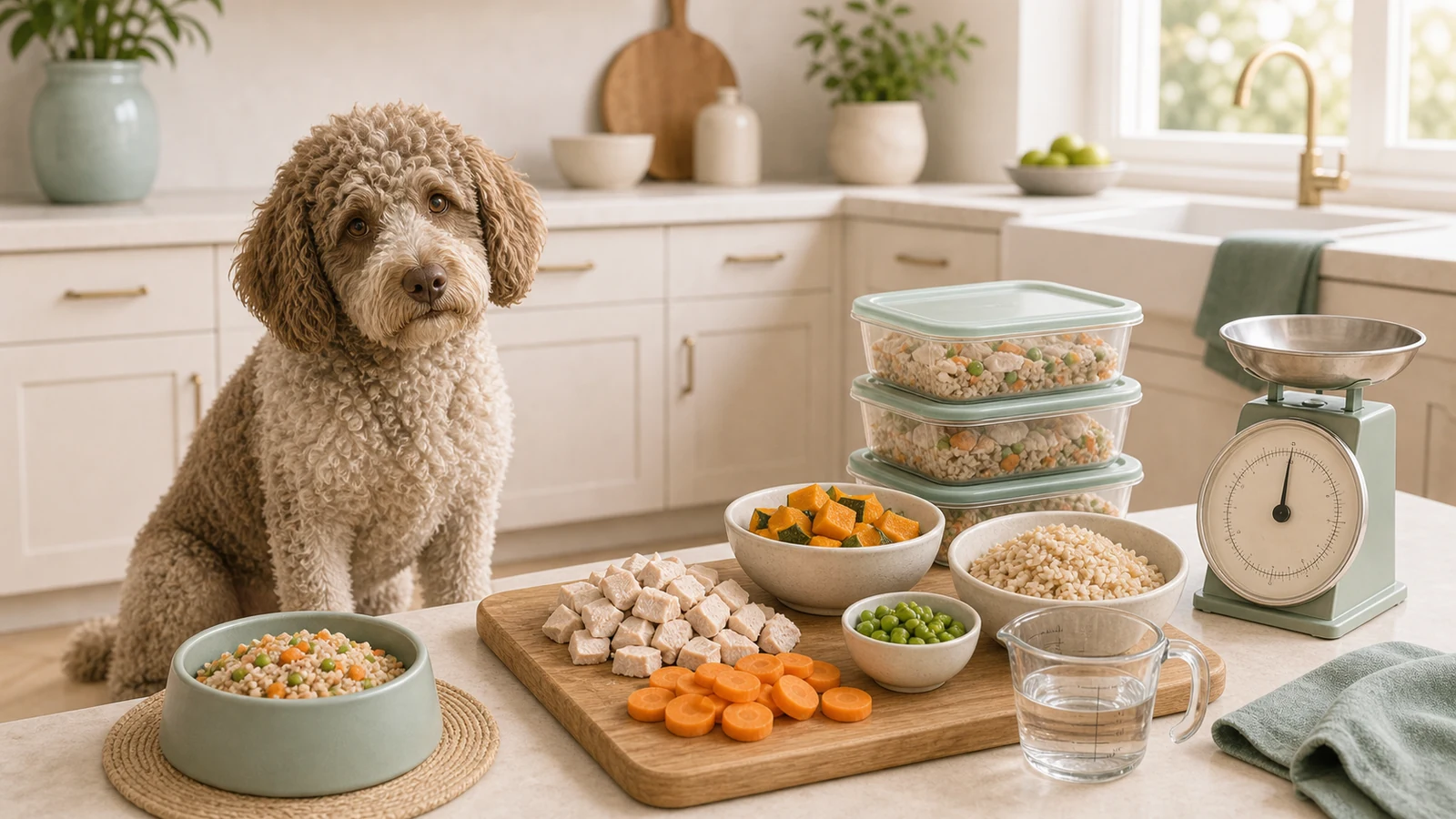
Before you cook a big batch, picture a normal week: shopping, cooking, cooling, weighing portions, adding the exact supplement amount, washing containers, and remembering which batch is in the freezer.
That routine can be satisfying for the right family. It can also become stressful if dinner depends on a recipe you are not sure is complete or a freezer shelf that is already full.
The first step is not choosing chicken, beef, rice, or vegetables. The first step is deciding whether you can follow a properly formulated recipe the same way every time.
Why balance matters
A homemade bowl can look wholesome and still miss important nutrition. Dogs need the right overall balance of calories, protein, fat, vitamins, minerals, calcium, phosphorus, and other nutrients for their life stage.
That is why long-term homemade food should be formulated with your veterinarian or a veterinary nutritionist. Casual swaps can change the recipe more than they seem to. A different protein, oil, grain, or supplement amount can turn yesterday's plan into a different diet.
If your dog is a puppy, senior, pregnant, underweight, overweight, or managing a medical condition, do not guess. Bring your goals, current food, treats, medications, and a realistic cooking schedule to your veterinarian.
Short-term cooking is different from daily cooking
A short bland meal is not the same as a complete homemade diet. Your veterinarian may suggest a temporary simple meal during a stomach upset, but that does not make chicken and rice a forever plan.
Daily cooking asks more from you. Keep the exact recipe, portion amount, add-in instructions, storage plan, and notes on stool, appetite, weight, skin, energy, and comfort over time.
If symptoms keep returning when foods change, stop cycling ingredients on your own and call your veterinarian. Repeated vomiting, diarrhea, weight loss, or appetite changes deserve more than another recipe search.
What not to do with homemade recipes
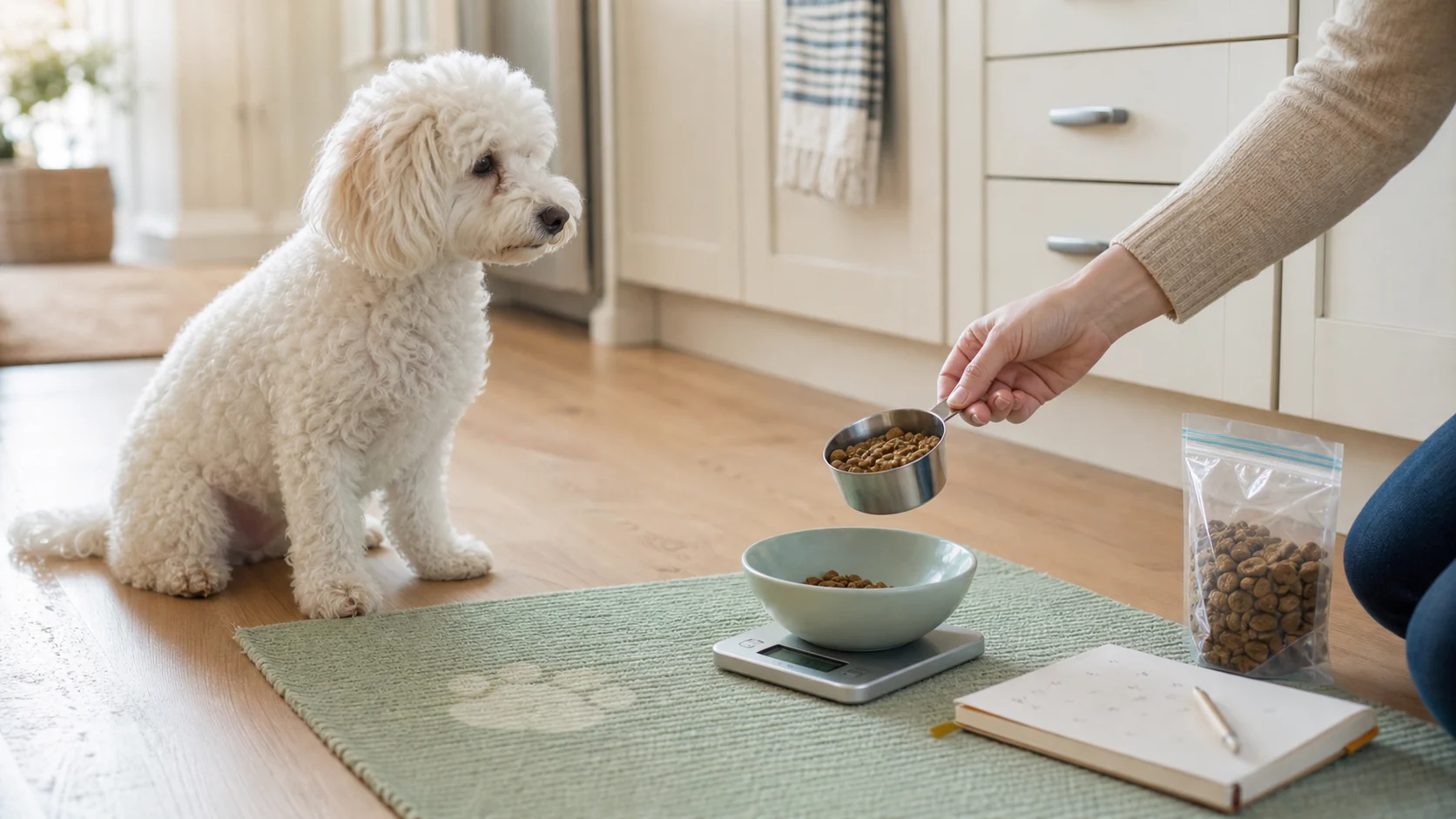
- Do not make meat and rice the everyday diet because your dog likes it.
- Do not swap ingredients freely after a recipe has been formulated.
- Do not add supplements by feel or double up because the meal looks small.
- Do not use homemade food to manage kidney, heart, pancreatic, allergy, or stomach concerns without veterinary guidance.
- Do not mix raw and cooked advice together as if the risks and routines are the same.
Working with your vet or veterinary nutritionist
A good homemade plan should tell you exactly what to buy, how much to cook, how much to feed, and which add-ins belong in the recipe. It should also tell you what not to change.
Bring practical details to your veterinarian appointment: your dog's age, weight, body condition, current food, treats, stool pattern, allergies or suspected reactions, medications, budget, and how often you can cook.
Ask how to transition, when to recheck weight, and which signs should put the recipe back on your vet's desk. A homemade diet should make your dog's daily life steadier, not leave you wondering whether every meal is close enough.
When homemade food may make sense
Homemade food can make sense for a dog on a carefully controlled recipe, when the family can follow directions closely and your veterinarian or veterinary nutritionist stays involved.
It may not be the best everyday choice if you need dinner to be quick, cheap, shelf-stable, or easy for different caregivers to repeat. In that case, dry, wet, fresh, or another complete diet may support the dog more reliably.
Helpful tools
Choose simple tools that help you measure, store, serve, and clean up homemade portions the same way each time.
Affiliate links: Furball Cove may earn from qualifying purchases at no extra cost to you.
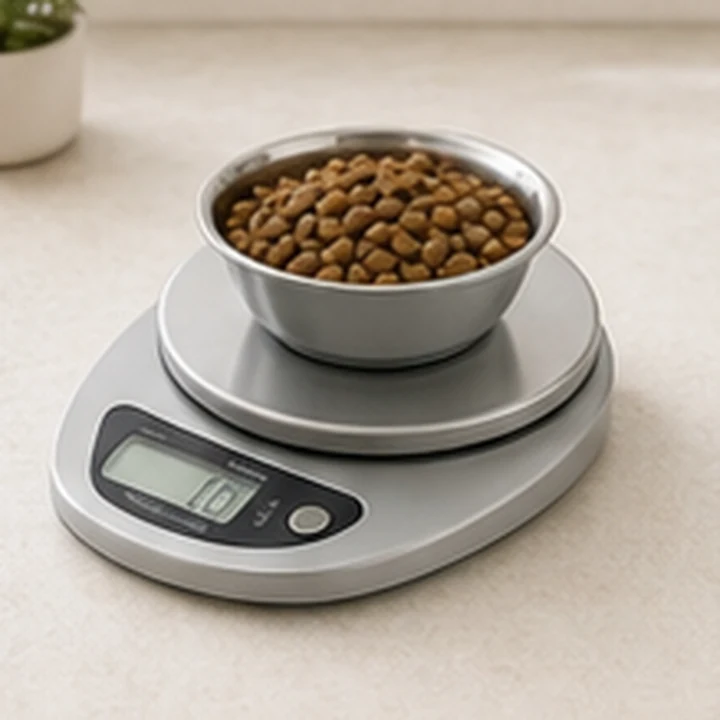
Portion scale
Helpful when a formulated homemade recipe gives gram amounts and a rounded scoop would change calories or ingredient amounts.
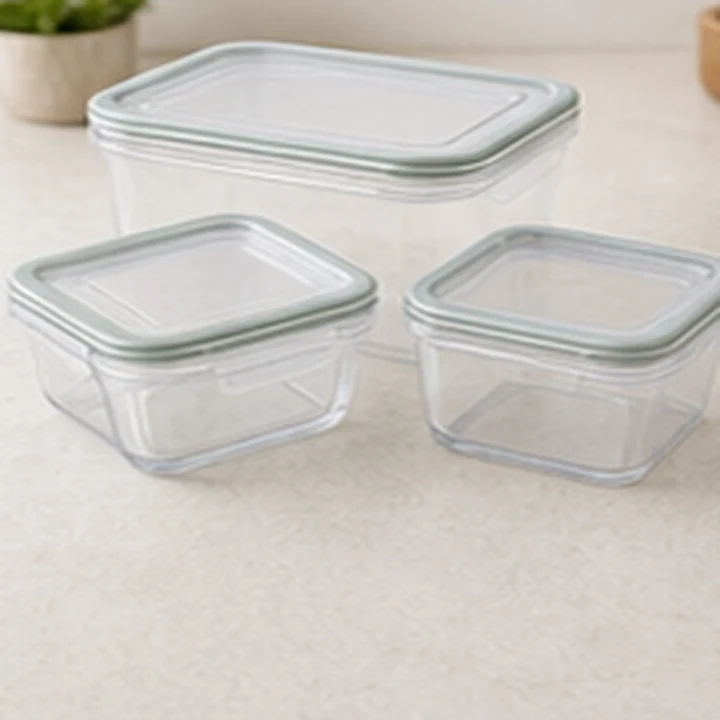
Airtight food storage
Keeps cooked portions sealed in the fridge or freezer, with each batch easier to label, rotate, and serve on schedule.
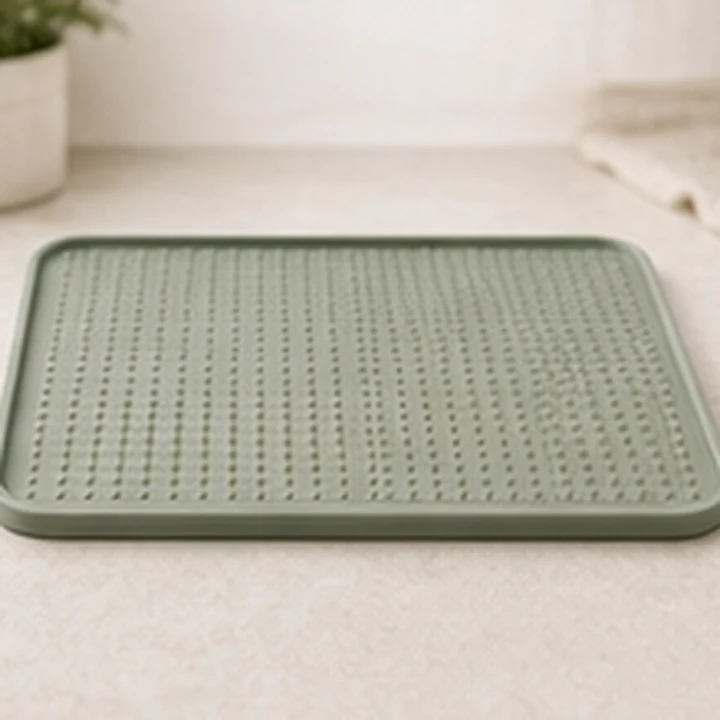
Nonslip feeding mat
Gives soft homemade meals a washable floor spot so bowls, drips, and cleanup stay part of the routine.
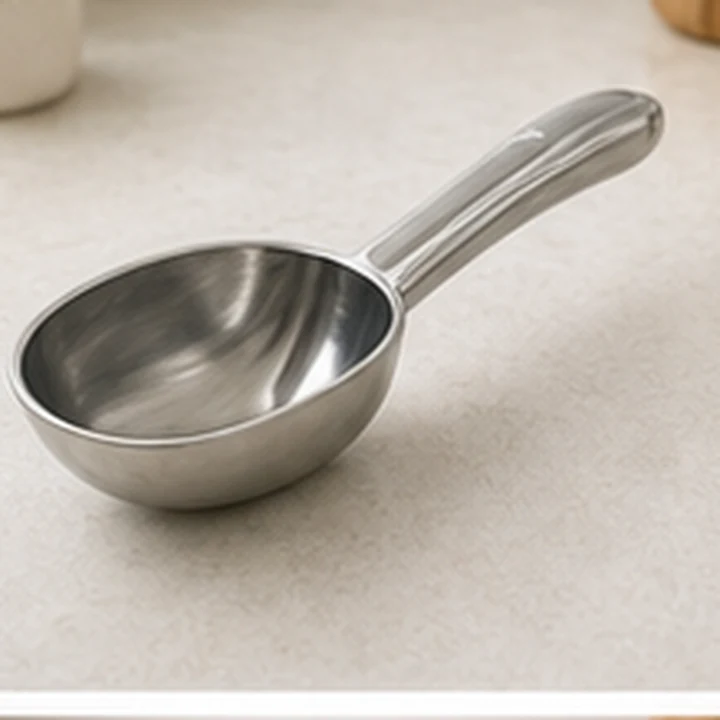
Wet food spoon
Makes soft cooked portions easier to serve without turning every meal into a counter cleanup.
Homemade food questions
Can dogs live on chicken and rice?
Not as a complete long-term diet. Chicken and rice may be used briefly when your veterinarian recommends a bland meal, but it does not cover everyday feeding on its own.
Can I use online homemade dog food recipes?
Be careful. A long-term homemade recipe should come from your veterinarian or a veterinary nutritionist and should be followed exactly, including supplements and amounts.
Is homemade dog food better than commercial dog food?
Not automatically. Homemade food can be useful for some dogs and families, but complete commercial food is often the steadier choice when you need a diet that is already formulated and easier to repeat.
What should I ask before cooking for my dog every day?
Ask who formulated the recipe, whether it is complete for your dog's life stage, how much to feed, how to store it, and what signs should make you call your veterinarian.