Updated
Dog food guide
Should You Feed Raw Dog Food? Benefits and Tradeoffs
Should you feed raw dog food? It can be a great fit when your dog loves the meal, stool and weight stay steady, and portions, storage, and cleanup feel easy to repeat.
Start with the real question
The question is not only, "Is raw food risky?" A better first question is whether raw feeding makes daily life better for your actual dog.
For some dogs, raw meals are exciting. The smell, texture, and fresh animal protein can make dinner feel more satisfying than a dry scoop from a bag. Some owners also like seeing the ingredients, measuring each portion, and noticing how stool, weight, coat, and appetite respond.
If your dog is happy, stool looks normal, weight is steady, and meals are easy to repeat, those are useful signs. Then check balance, storage, bones, and health history.
Why many owners like raw
Raw feeding appeals to people who want meals to feel closer to whole food. You can see the meat, portion the food yourself, rotate carefully chosen proteins when that is part of the plan, and keep a closer eye on what your dog is actually eating.
A dog who loves raw may show you right away: bright interest at mealtime, a clean dish, and less begging for extras because dinner already feels rewarding. Some owners also notice smaller or firmer stool, though stool changes depend on the dog, the recipe, and the rest of the diet.
Those are real reasons people choose raw. Watch your own dog: appetite, stool, weight, skin, ears, and energy tell you more than a food argument online.
Dogs do eat raw meat
You are not wrong that dogs do not cook meat in the wild. Dogs are meat-loving animals, and many do beautifully with animal protein as a major part of the diet.
The difference is the home around the dog. Your dog may lick your hands, nap on the couch, sniff around the kitchen, or live with kids, guests, and other pets. That does not make raw feeding wrong. It just means good raw feeding has to fit both the dog and the home.
The middle ground is simple. Let your dog enjoy real food, then keep the freezer, fridge, feeding mat, and cleanup easy on a busy morning.
Check the label before the freezer
A raw food still has to be food. Look for a complete-and-balanced statement, life stage, calories, feeding directions, storage directions, and the company's food-handling information.
If the food is only a topper or treat, it should not quietly become dinner every night. If it is homemade or recipe-based, work with your vet or a veterinary nutritionist before making it your dog's main diet.
A puppy, adult dog, and senior dog may not need the same plan. Puppies and large-breed puppies are the place to be especially careful, because growth diets leave less room for guessing.
Bones are not a shortcut
Chewing is one of the reasons raw feeding feels satisfying to many dogs, but bones need more judgment than marketing often gives them. A hard bone can crack a tooth during an eager chew session. A swallowed piece can choke a dog or cause an injury or blockage.
If chewing is part of why raw works for your dog, talk with your veterinarian about the safest way to protect teeth and gums. Your dog's size, chewing style, dental history, and supervision matter more than a package claim.
Keep the home part simple
Raw food is not only about what goes into the dog. It is also about the kitchen, the mat, the fridge, and the people who share the home.
Be more thoughtful if children, older adults, pregnant people, or anyone with a weakened immune system lives with or regularly visits your dog. Also think about the dog who licks faces, sleeps on the couch, or noses around after dinner.
This is not talking down to raw feeders. It is the boring part that keeps dinner smooth: cold storage, clean hands, washed tools, and leftovers handled right away.
Build a safer handling routine
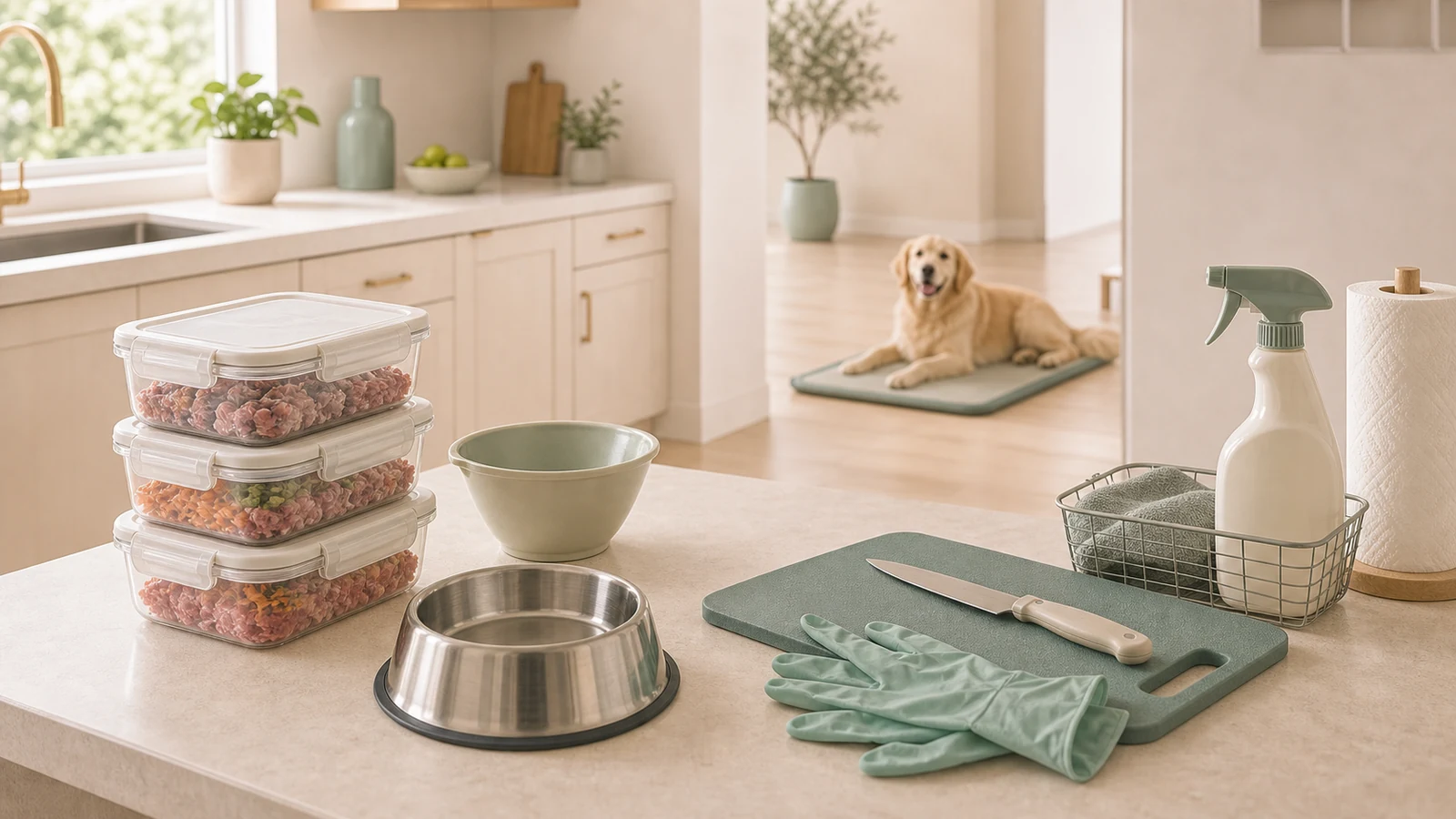
Keep the habit easy enough to do when you are tired. Keep raw portions cold, thaw in the refrigerator, keep them sealed away from family food, and throw away leftovers that sit out.
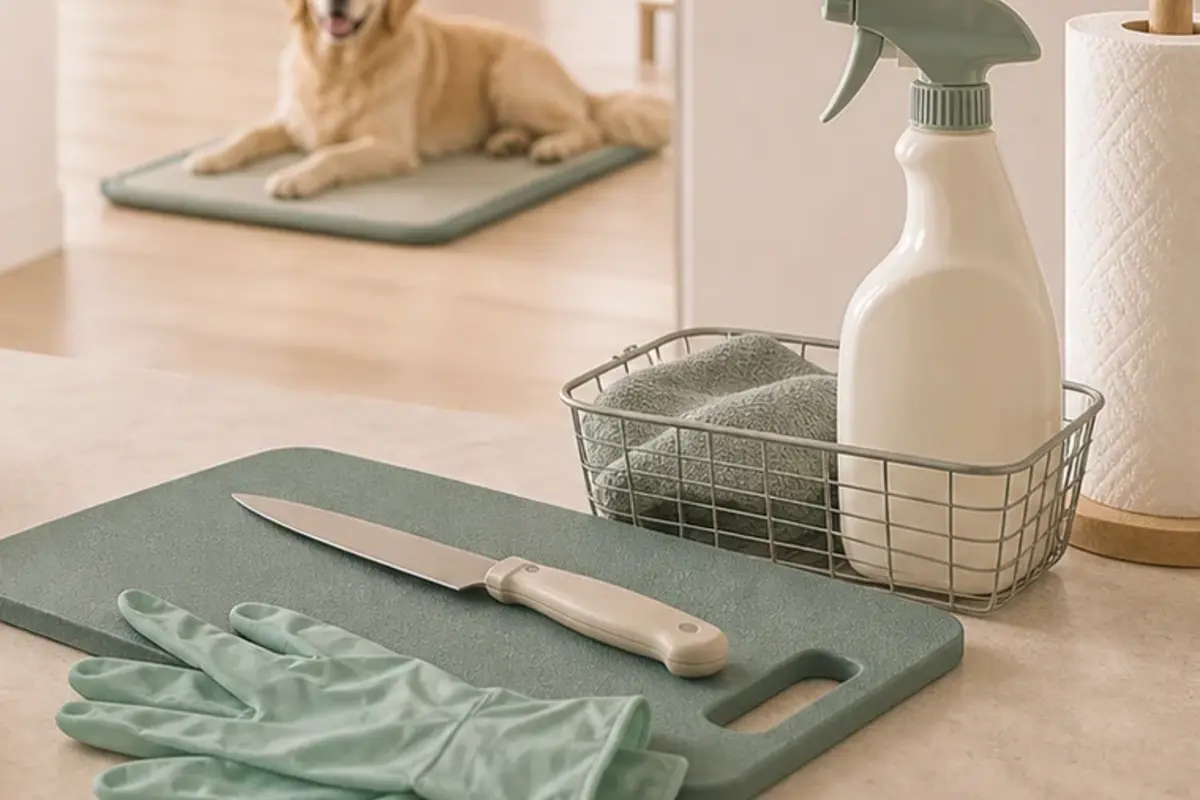
Wash hands before and after serving. Clean the dish, mat, utensils, and prep area after each meal. Keep the dog away from the prep spot until the food is ready, especially if children are nearby.
Write a small note on the freezer door: date opened, thawed amount, serving time, stool changes, and skipped meals. Tape it near the feeding mat if that is easier to remember. If your dog vomits, has diarrhea, seems weak, or has blood in stool, call your vet.
When raw may not be worth it
Raw is worth considering when your dog does well and prep feels manageable. Pause if freezer space is tight, dinner is rushed, recipes change by guesswork, or someone at home is vulnerable.
Other foods can still be kind to your dog. Kibble, wet food, fresh cooked food, freeze-dried food, dehydrated meals, or homemade food with veterinary help can also keep stool, weight, and energy steady.
The best food is the one your dog eats well, digests well, and you can serve calmly on an ordinary Tuesday night.
When to ask your vet
Ask your veterinarian before feeding raw if your dog is a puppy, senior, pregnant, immunocompromised, underweight, losing weight, or living with vomiting, diarrhea, pancreatitis risk, kidney disease, immune disease, or another medical condition.
Bring the package or recipe, calories, life-stage statement, serving amount, storage directions, and a few days of notes about appetite, stool, treats, and energy. A good conversation should be about your actual dog, not fear and not raw-food marketing.
Helpful tools
These tools do not make raw feeding risk-free, but they can make measuring, floor cleanup, and cold storage easier to repeat.
Affiliate links: Furball Cove may earn from qualifying purchases at no extra cost to you.
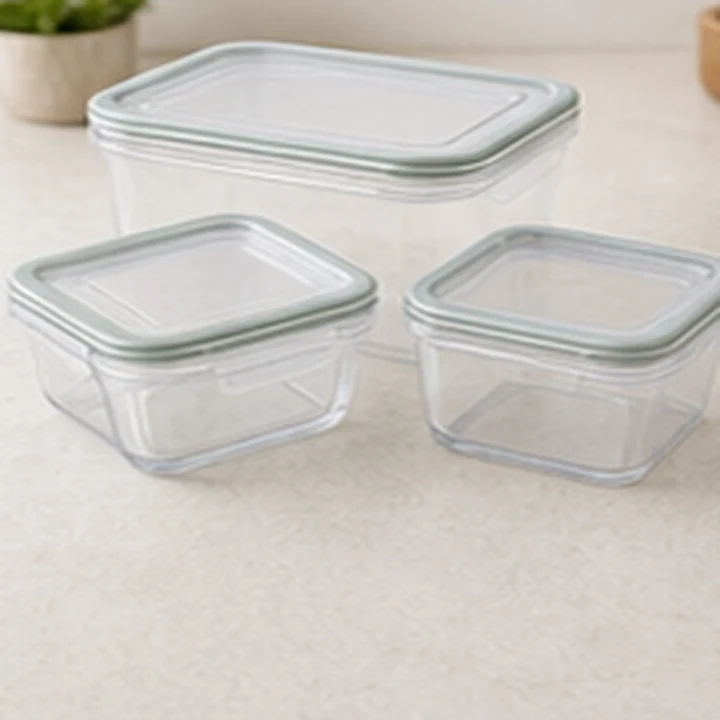
Airtight fridge containers
Useful for sealed portions in the fridge or freezer so raw meals stay separate from family food.
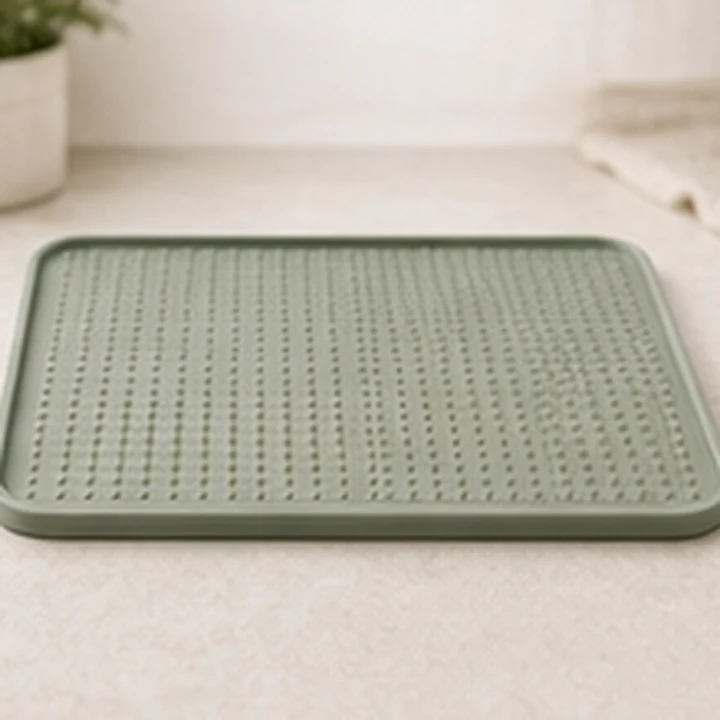
Nonslip feeding mat
Gives food bowls a washable spot on the floor, which matters when cleanup is part of the raw feeding plan.
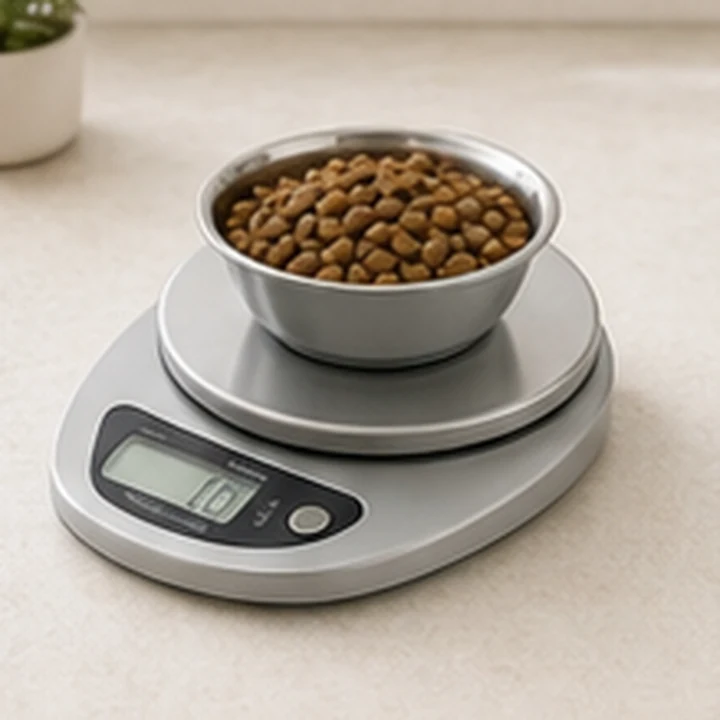
Portion scale
Helps keep meals consistent when calories, frozen portions, or small dogs make guessing too easy.
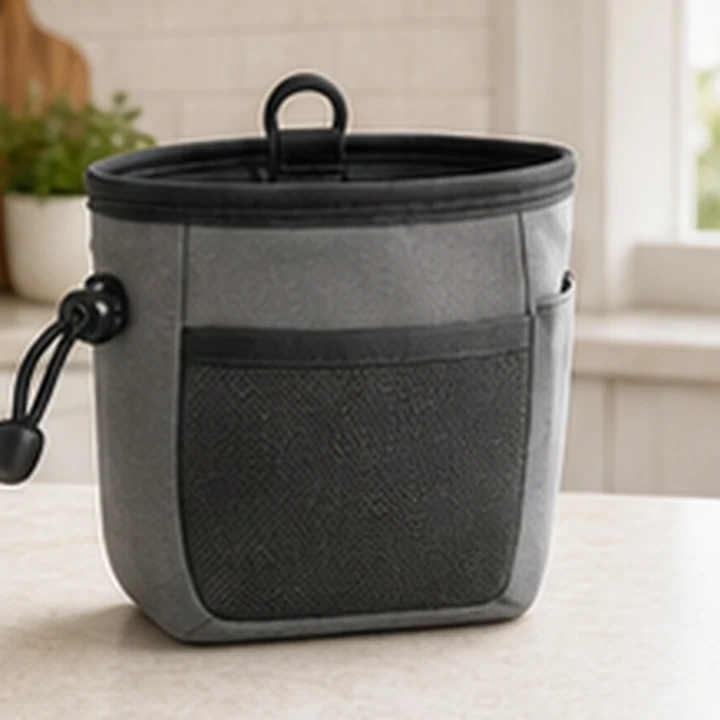
Travel food container
Keeps sealed portions contained when cold storage, cleanup, and timing all matter.
Raw food questions
What are the benefits of raw dog food?
Many raw feeders like the ingredient control, fresh texture, strong aroma, and the way some dogs get excited for meals. Some owners also notice firmer stool or easier portion awareness, but the results are not the same for every dog.
Does raw dog food have to be complete and balanced?
Yes, if it is your dog's main diet. Check whether the label says the food is complete and balanced for your dog's life stage, and ask your vet or a veterinary nutritionist before relying on a recipe.
Are raw bones safe for dogs?
Bones are not risk-free. They can break teeth, choke a dog, or cause injury or blockage, so ask your vet before using bones as part of a feeding plan.
Who should be extra cautious with raw feeding?
Be extra thoughtful around puppies, senior dogs, dogs with health problems, children, older adults, pregnant people, and anyone with a weakened immune system.