Updated
Dog food guide
How to Feed a Large-Breed Puppy for Slow, Steady Growth
Large-breed puppies need food made for controlled growth, not just more food. Start by checking the life-stage statement, measuring meals, and asking your vet if you are unsure, especially with giant breeds or fast weight gain.
Quick answer for real life
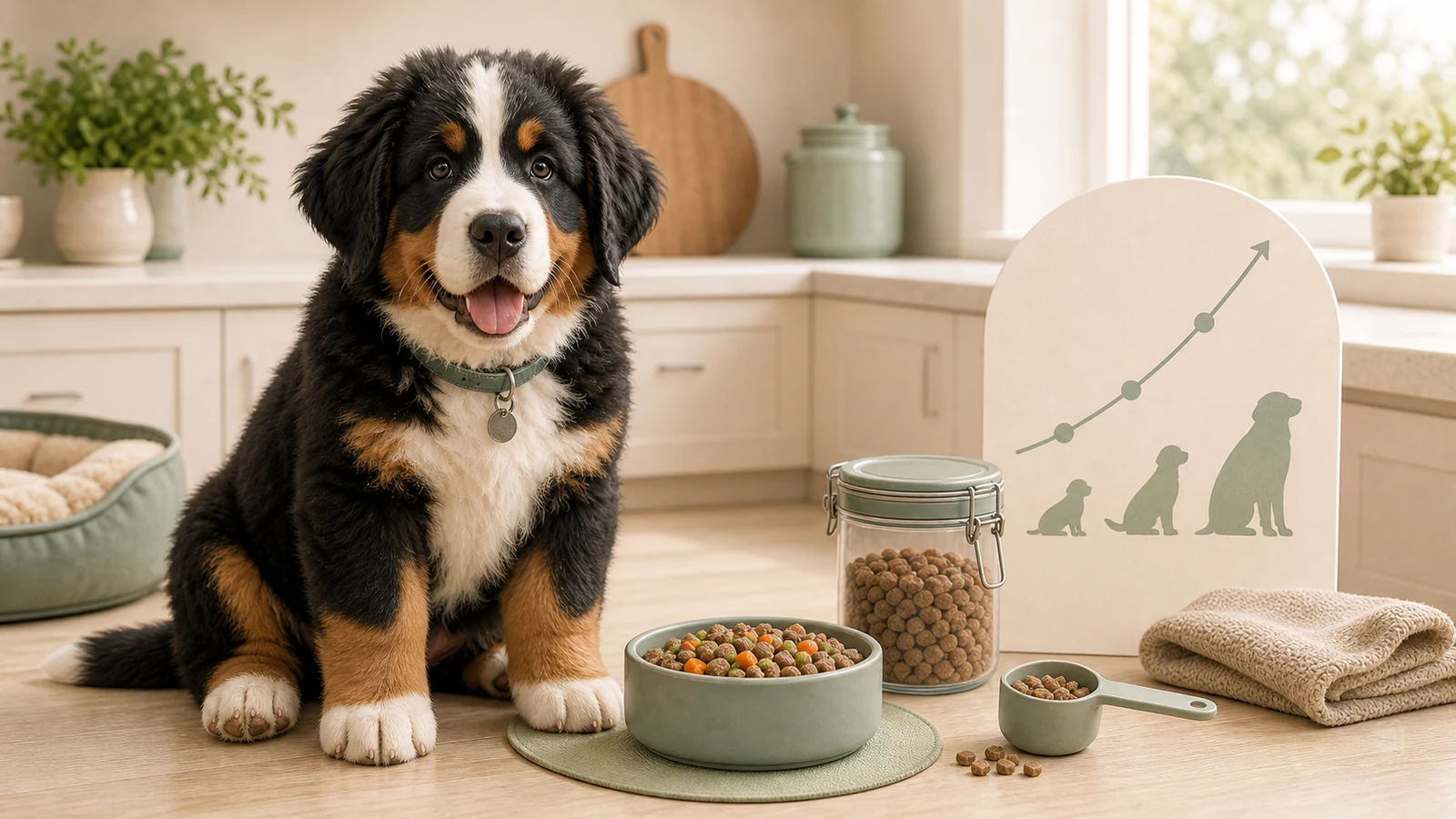
A large-breed puppy should not be fed like the goal is to get big as fast as possible. The safer goal is controlled growth: the right life-stage food, measured meals, counted rewards, and regular body-condition checks.
If your puppy is a future large or giant adult, read the label for growth wording that fits large-size dogs. When the label is vague, your puppy is gaining fast, or the body shape is getting soft, ask your veterinarian before changing the amount on your own.
I would start with the label and a measuring scoop, then check the puppy in front of you: ribs, waist, stool, energy, and how they move after play.
Why growth rate matters
Large frames need time. Extra food does not build a better adult dog; it can make a puppy heavier than their growing body is ready to carry.
Think of the puppy who looks hungry five minutes after breakfast, then flops down with a round belly and sleepy eyes. That puppy may need structure, not another scoop. Watch body shape, energy, stool, and how the puppy moves between checkups.
You are looking for a puppy who is growing, playful, and lean enough that ribs are easy to feel under a light layer, not hidden under soft padding.
If your puppy skids across the kitchen after dinner or seems stiff after a busy afternoon, write it down. Those notes help your veterinarian see whether food, exercise, growth, or normal puppy chaos is part of the picture.
Label checks
Read the adequacy statement before you compare protein names or front-label claims. For many large-breed puppies, you want wording that supports growth of large-size dogs.
Check calories per cup or serving too. A food that looks similar in the bowl can change the day quickly if it is much richer than the last bag.
When your puppy changes food, write down the date, the amount, and what the stool looks like for the next few days. It is easier to adjust one thing when you know what changed.
Portions and body condition
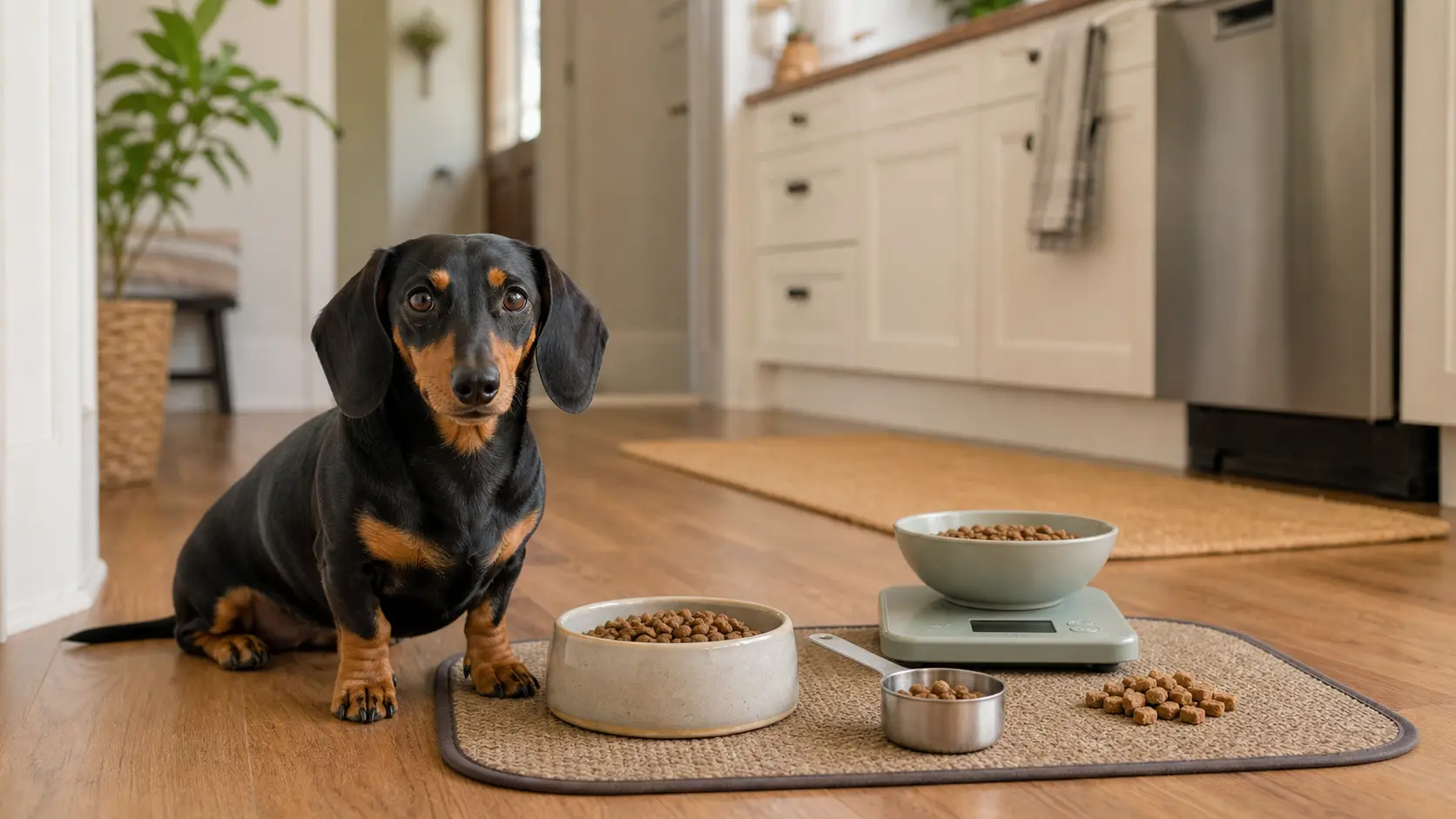
Start with the feeding directions, then measure meals for a week. If more than one person feeds the puppy, write the amount down so breakfast and dinner do not quietly double.
Check body condition with your hands, not just your eyes. A fluffy puppy can look solid in photos while the ribs are getting hard to feel. If your puppy gains fast, slows down, limps, or seems uncomfortable, bring your notes to your veterinarian.
Most puppies are hungry, busy, and delighted by snacks, so this is not about being strict for the sake of it. It is about helping your dog grow, stay comfortable, and still enjoy the normal day.
For a dog who is growing into a large adult, a little extra weight can hide under puppy fluff. If your dog begs after every meal, try a quiet pause before adding food. A short walk, water break, or nap may show you whether they were truly hungry or just excited.
The trick is to adjust slowly. When dinner has already included puppy class rewards, measure the bowl with that busy day in mind instead of feeding as if nothing extra happened.
Treats and training
Training matters for large puppies, but rewards still count. A handful of soft treats at puppy class, a chew after dinner, and a biscuit from every visitor can turn a measured day into too much food.
Use small rewards, set aside part of the daily food for practice, and ask family members to use one shared reward cup. When the cup is empty, the puppy is done earning food extras for the day.
A common pattern is the puppy who eats treats during leash practice, puppy class, and crate games, then still gets a full dinner. Count those rewards before dinner instead of pretending they did not happen.
How to support controlled growth
- Pick growth-appropriate food Check the adequacy statement and large-size growth wording when needed.
- Measure every meal Use a scoop or scale so a growing puppy does not get a different amount every day.
- Count rewards Include training treats, chews, and table scraps in the day.
- Watch the puppy, not the bag Track body condition, stool, appetite, energy, and how your puppy moves.
- Recheck with your veterinarian Bring the food label and your notes to puppy wellness visits.
When to ask your vet
Ask your vet about expected adult size, body condition, growth rate, joint concerns, limping, fast weight gain, slow growth, and when to transition to adult food.
Bring a photo of the dog food label, the amount you feed, reward habits, and your puppy's weight notes. That gives your veterinarian a clearer picture than guessing from memory.
Helpful tools
Choose tools that make growth feeding easier to measure, repeat, and share across the household.
Affiliate links: Furball Cove may earn from qualifying purchases at no extra cost to you.
Portion scale
Helpful when a growing puppy needs measured meals instead of generous scoops.
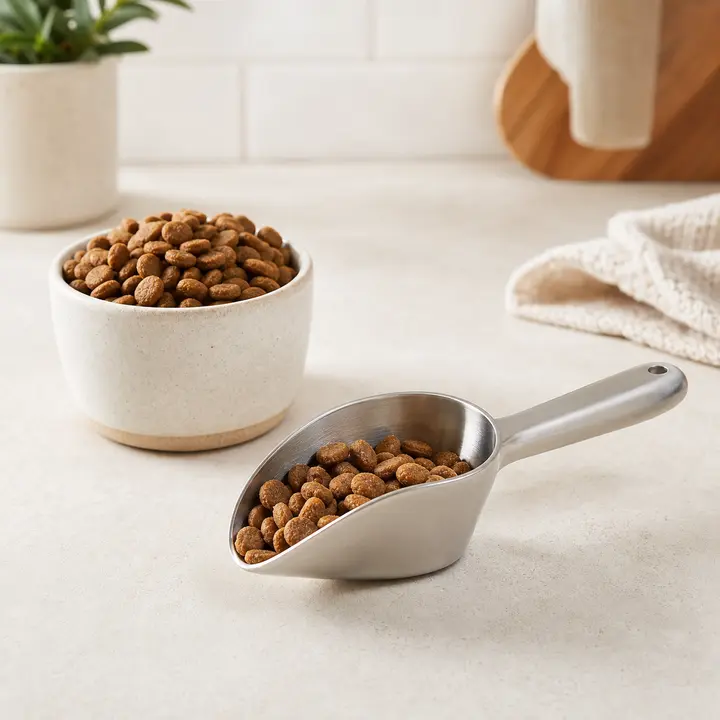
Measuring scoop
Keeps breakfast and dinner consistent when more than one person feeds the puppy.
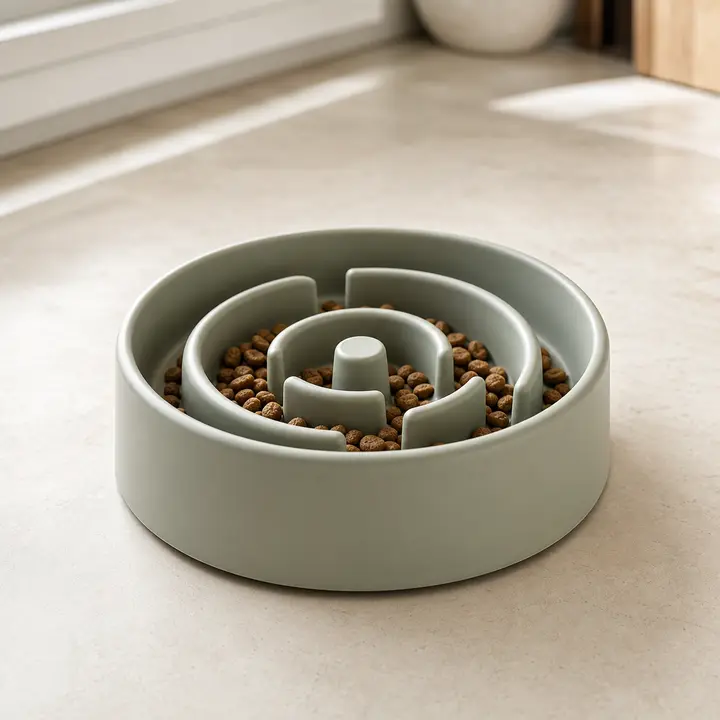
Slow feeder
Useful for a puppy who inhales meals before anyone has put the scoop away.
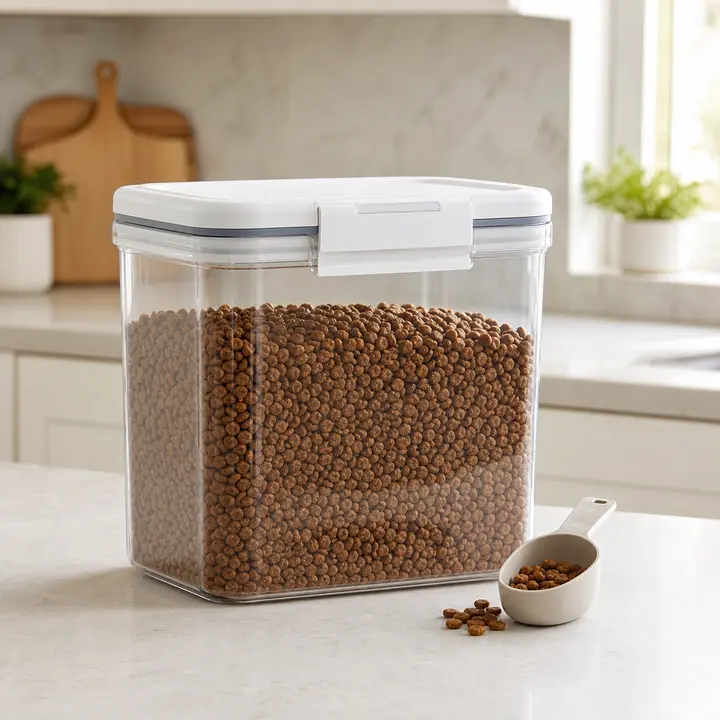
Airtight food storage
Keeps a growth diet sealed and easier to measure the same way every day.
Common questions
Should large-breed puppies grow as fast as possible?
No. Slow, controlled growth is usually the goal, not maximum speed.
Can I feed regular puppy food?
Sometimes, but many future large or giant dogs need food labeled for growth of large-size dogs. Ask your veterinarian if the label is unclear.
Are training rewards okay for large-breed puppies?
Yes, but count them. Rewards should support training without quietly replacing balanced puppy nutrition.